Find Chinese Knot Suppliers for Home Decor, Festivals, and Crafts
Source 30 verified listings for Chinese Knot products including polyester and nylon options. Buyers can compare features like high tenacity, customization, and various sizes for home decor, festivals, and crafts applications.
Key considerations
Products List

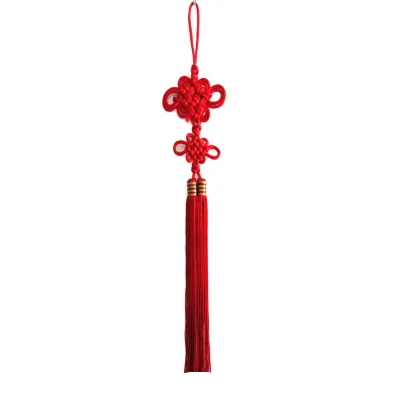


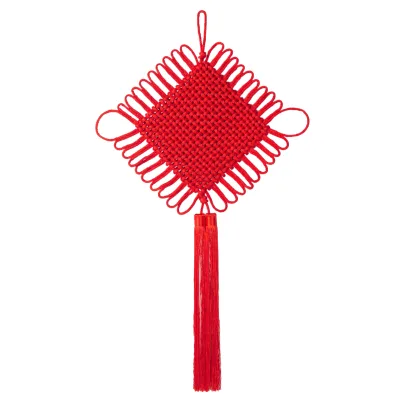


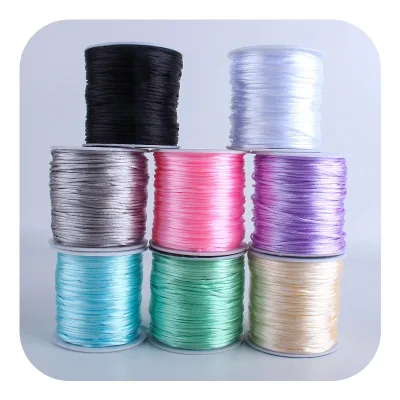


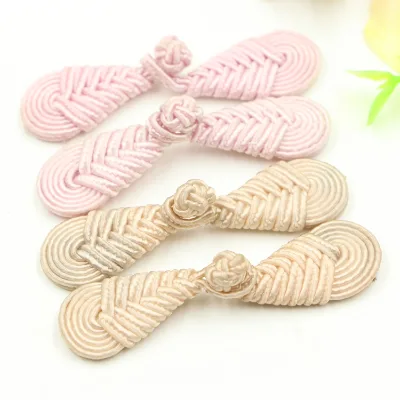


Comprehensive Sourcing Guide
Strategic Sourcing Guide for Chinese Knot Products
Navigating the global market for Chinese Knot products requires a precise understanding of the intersection between traditional craftsmanship and modern industrial manufacturing standards. For procurement professionals, the core keyword "Chinese Knot" represents a diverse category ranging from decorative home accessories to functional textile components. The supply base is predominantly concentrated in Zhejiang, China, a region known for its established textile clusters and manufacturing capabilities. Buyers must approach this category with a clear distinction between handcrafted artisanal items and mass-produced industrial goods, as the sourcing strategies, quality control protocols, and cost structures differ significantly between these two segments.
Technical Specifications and Material Composition
The technical landscape of Chinese Knot products is defined by a variety of materials, dimensions, and construction techniques. A primary observation in the current market is the prevalence of 100% polyester as a base material for many decorative and functional items. This material choice offers high tenacity and chemical resistance, making the products durable for both indoor and outdoor applications. However, the market also features products constructed from nylon, alloy, and silver, particularly for items intended for specific cultural applications or jewelry components. These mixed-material products often feature a round or combined shape and are designed to withstand specific environmental conditions.
Dimensions vary widely depending on the intended use. Standardized sizes include thicknesses of 0.5mm, 1mm, and 2mm for cord-based products, while other items may have specific package dimensions such as 30x2x4 cm. Width specifications for woven or knitted variants can range from 1/8" to 3", accommodating needs from delicate embroidery to heavy-duty structural knots. The production techniques are equally diverse, encompassing knitted products, woven techniques, and explicitly handmade processes. The "Handmade" attribute is a critical differentiator; products labeled as such often carry a premium due to the labor-intensive nature of the craft, whereas machine-woven or knitted items offer consistency and lower unit costs.
| Attribute Category | Observed Variations | Typical Application Context |
|---|---|---|
| Material | 100% Polyester, Nylon, Alloy, Silver | Home decor, jewelry, industrial straps |
| Construction | Knitted, Woven, Handmade | Decorative hanging, functional fastening |
| Dimensions | 0.5mm-2mm thickness, 1/8"-3" width | Cordage, ribbons, ornamental knots |
| Finish | Dyed, Waxed, Candy Color, Gold | Aesthetic customization, weather resistance |
| Shape | Round, Combined | Structural integrity, visual symmetry |
Compliance, Certification, and Quality Standards
When sourcing Chinese Knot products, verifying compliance with international standards is essential for mitigating risk. The supply chain data indicates that products often reference the SGS standard, a globally recognized inspection, verification, testing, and certification company. Buyers should treat the mention of SGS as an indicator of a supplier's commitment to quality assurance, but it is imperative to verify the specific scope of the certification for the product in question. The standard should cover material safety, particularly regarding chemical resistance and eco-friendly claims, which are frequently noted in product descriptions.
The "eco-friendly" attribute is another critical compliance marker. In the context of textile and decorative goods, this suggests that the dyes and finishing processes used may adhere to environmental regulations regarding hazardous substances. However, buyers must not assume this status without requesting specific test reports. The origin of the products is consistently listed as Zhejiang, China, a region with established export infrastructure. When evaluating suppliers, procurement teams should request documentation that confirms the origin and verifies that the production processes meet the environmental standards claimed. For products intended for the home or hall, additional safety certifications regarding flammability or toxicity may be required depending on the destination market's regulations.
Cost Drivers and Pricing Dynamics
The pricing structure for Chinese Knot products is influenced by a complex interplay of material costs, labor intensity, and customization requirements. The observed price range in the market spans from $0.01 to $150 USD, reflecting the vast disparity between simple mass-produced cords and high-end, handcrafted decorative sets. The lower end of the spectrum typically corresponds to machine-woven polyester cords with standard widths and colors. In contrast, the higher price points are driven by the "Handmade" attribute, the use of premium materials like silver or alloy, and complex customization requests.
Minimum Order Quantities (MOQs) also play a significant role in the total cost of ownership. The market exhibits a wide MOQ range, from as low as 2 units to as high as 50,000 units. A specific observation notes an MOQ of 500 pieces for certain product lines, which suggests a threshold for cost-effective production runs. For buyers seeking customization, the availability of custom options is a key cost driver. Customization often requires a higher MOQ to amortize the setup costs for new molds, dye batches, or weaving patterns. Additionally, packaging requirements, such as "10yds/Card" or "50mts/Roll," can impact the unit price and shipping logistics. Buyers should negotiate based on the total landed cost, considering that higher customization levels may reduce the effective unit price only if the order volume is sufficient to meet the supplier's production efficiency thresholds.
Typical Applications and Market Segmentation
Chinese Knot products serve a dual purpose in the global market: as cultural artifacts and as functional textile components. The primary application segment is home decor, where these items are utilized in halls and living spaces to add a touch of traditional aesthetics. Specific themes such as "lucky" and "Chinese New Year" drive seasonal demand, with products often featuring colors like orange, red, blue, and beige to align with cultural symbolism. The "Candy" pattern and "Fashion" element indicate a broader appeal to contemporary design trends, moving beyond traditional motifs to suit modern interior design.
Beyond decoration, the technical specifications suggest functional applications. The high tenacity and chemical resistance of polyester-based knots make them suitable for industrial or utility uses, such as securing loads or creating durable fastenings. The "Sweater" usage attribute points to the integration of these knots into apparel manufacturing, where they may serve as decorative elements or functional closures. The "Single Face" style and "Adjustable" features further expand the utility of these products in fashion and accessory design. Buyers should align their procurement strategy with the specific end-use, as the quality requirements for a decorative hanging ornament differ significantly from those of a functional industrial strap.
Supplier Evaluation and Verification Protocols
Evaluating suppliers in the Chinese Knot sector requires a rigorous approach to verifying capabilities and reliability. The concentration of production in Zhejiang, China, offers a robust supply base, but it also necessitates careful due diligence. Buyers should prioritize suppliers who explicitly state their production capabilities, such as the ability to handle "as Requested" packing or specific model numbers like "KC-01" or "FHc8903." These model identifiers suggest a level of standardization and inventory management that is beneficial for long-term procurement.
When assessing a supplier, the focus should be on their ability to meet the specific technical and aesthetic requirements of the order. The availability of "More" color options and the ability to source from specific color charts, such as "Hi-Ana Color," indicate a supplier's flexibility in meeting diverse design needs. However, buyers must verify the consistency of these color matches across large production runs. The "Consult" status for specimen requests suggests that samples may need to be requested on a case-by-case basis, which is a standard practice for custom orders. Procurement teams should establish a clear communication channel for sample approval before mass production begins. Additionally, verifying the supplier's adherence to the stated standards, such as SGS, and their ability to provide test results for eco-friendly claims is crucial for maintaining brand integrity.
Quality Control and Long-Term Procurement Considerations
Implementing a robust quality control (QC) framework is essential for managing the risks associated with sourcing Chinese Knot products. Given the variability in handmade and machine-made processes, buyers should define clear acceptance criteria for dimensions, color consistency, and material integrity. The observed size variations, such as the 30cm specification for single items, highlight the need for precise measurement protocols. For products with a "Combined" shape or complex weaving techniques, visual inspection is necessary to ensure that the structural integrity is maintained.
Long-term procurement considerations involve building a resilient supply chain that can adapt to fluctuating demand. The wide MOQ range allows for flexibility, but buyers should aim to establish a baseline order volume that secures favorable pricing without overstocking. The "Adjustable" nature of some products and the availability of various widths (1/8" to 3") suggest that a modular approach to inventory management may be effective. Furthermore, the "Note: eco-friendly" attribute indicates a growing market trend toward sustainability. Buyers should consider this trend in their long-term strategy, potentially prioritizing suppliers who can demonstrate a commitment to sustainable practices and provide verifiable data on their environmental impact. By focusing on these factors, procurement professionals can ensure a steady supply of high-quality Chinese Knot products that meet both functional and aesthetic requirements.
FAQs
What materials are used for Chinese Knot products?
Products are primarily made from 100% polyester, nylon, alloy, or silver. Some items feature high tenacity and chemical resistance, while others are constructed for specific decorative or functional applications like home decor or sweaters.
Can I request custom designs for these products?
Yes, customization is available for many items in this category. Buyers can often specify colors, patterns, and packaging requirements, though specific model numbers like KC-01 or FHc8903 may have distinct customization limits.
Which certifications apply to these Chinese Knot items?
Some products reference the SGS standard as an indicator of quality assurance. Buyers should verify specific test reports for eco-friendly claims and material safety, especially for items intended for home or hall use.
How are these products typically packaged and shipped?
Packaging varies by product type, with options like 10 yards per card or 50 meters per roll. Some items are packed as requested, while others follow standard configurations such as 50 yards per reel or 20 bags per case.
What is the typical minimum order quantity for these items?
The minimum order quantity ranges widely from 2 to 50,000 units depending on the supplier and product type. Specific product lines may require an MOQ of 500 pieces, while others allow for smaller trial orders.
Where are these Chinese Knot products manufactured?
The majority of products originate from Zhejiang, China, a region known for its textile clusters. This location supports both handmade and machine-woven production methods for various decorative and functional knot applications.
What sizes are available for the cord or knot components?
Available sizes include thicknesses of 0.5mm, 1mm, and 2mm for cord-based items. Width specifications for woven variants can range from 1/8 inch to 3 inches, accommodating diverse design and structural needs.