Source Chlorinated Polypropylene Printing Ink for ink, film, paint
Find 30 listings for Chlorinated Polypropylene Printing Ink used in gravure printing, BOPP film, and paint applications. Buyers can compare viscosity, chloride content, and packaging options from suppliers in China.
Key considerations
Products List






Comprehensive Sourcing Guide
Chlorinated Polypropylene Printing Ink Sourcing Guide
Product Scope and Observed Listing Signals
The market for chlorinated polypropylene (CPP) resin is primarily driven by its role as a critical adhesion promoter and binder in solvent-based printing inks, particularly for gravure printing applications on BOPP films and other non-porous substrates. Current listing signals indicate that the product is widely available from suppliers originating in China, with specific manufacturing hubs identified in Hefei and the broader Anhui province. Buyers should note that the product is frequently marketed under alternative names such as "CPP Resin" or "Benzene Soluble Chlorinated Polypropylene," which may require careful verification to ensure the chemical composition matches the intended technical requirements for ink formulation.
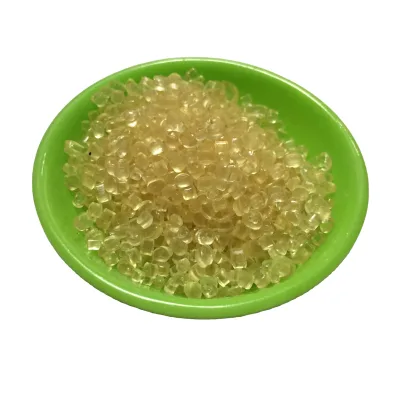
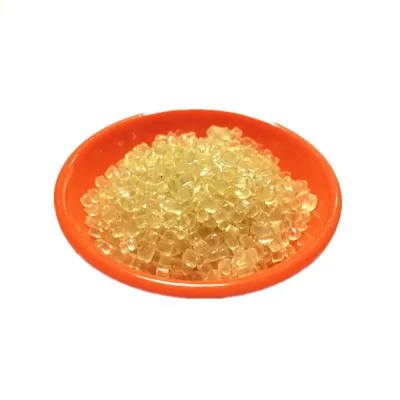
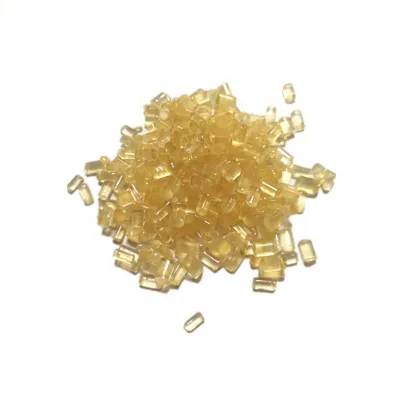
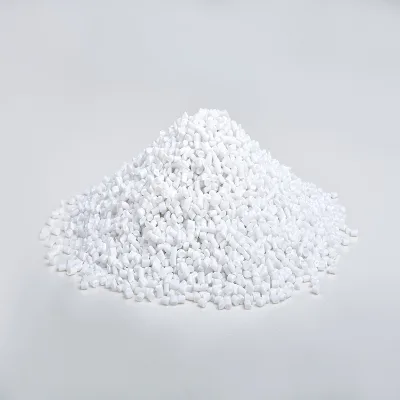
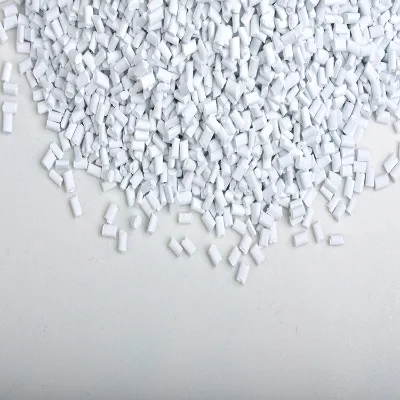
Observed product attributes reveal a diverse range of physical presentations, with appearances varying from white to pale yellow or yellowish granules. This variation suggests that different grades or batches may exist within the same supply chain, necessitating strict sample verification before bulk procurement. The listings also highlight a wide range in observed pricing, spanning from $0.19 to $12 USD, which likely reflects differences in molecular weight, chloride content, and order volume rather than a single standardized price point. This disparity underscores the importance of defining precise technical specifications early in the sourcing process to avoid misalignment between quoted prices and actual product performance.
Technical Specifications to Verify
Chloride content is a primary determinant of the resin’s solubility and adhesion properties, with observed standards ranging from 28.0% to 32.0%. Buyers must verify that the specific grade purchased aligns with their ink formulation’s solubility requirements, as deviations in this range can significantly impact the drying time and final film clarity. The molecular principal chain is consistently identified as a carbon chain polymer, confirming the base structure, but the degree of chlorination must be explicitly confirmed through technical data sheets to ensure compatibility with the chosen solvent systems, such as co-solvents commonly used in industrial printing.
Viscosity and pH values are critical parameters for ink stability and print quality, with observed viscosity ranges spanning from 10 to 600 mPa·s and pH values typically falling between 4.5 and 8.0. These variations indicate that the product is available in multiple grades tailored for different printing speeds and substrate types. Additionally, buyers should verify limits on impurities, as observed specifications cap volatility at 0.5% maximum and ash content at 0.3% maximum, which are essential for preventing nozzle clogging and ensuring consistent ink flow. The characteristic of being a thermoplastic resin further dictates storage and handling requirements, as the material must remain stable under typical warehouse conditions to preserve its molecular integrity.
Compliance and Safety Documentation
Safety data sheets (SDS) are mandatory for handling chlorinated polypropylene, particularly given its classification and the presence of residual solvents or byproducts. Buyers must ensure that suppliers provide up-to-date SDS documentation that complies with international transport regulations, especially since the product is often shipped in large quantities via ocean freight from Chinese ports. The CAS number 68442-33-1 serves as a unique identifier for regulatory compliance, and procurement teams should cross-reference this number with local chemical inventory lists to ensure legal importation and storage within the destination country.
Storage and shelf-life considerations are vital for maintaining product quality, with observed guidelines recommending storage in cool, dry places and noting a shelf life of within one year. Buyers should verify that the supplier’s packaging maintains the integrity of the resin against moisture and heat, which can degrade the polymer chain or alter viscosity. Furthermore, the product is described as a connection material in ink formulations, implying that it interacts chemically with other components; therefore, buyers must confirm that the supplier’s documentation addresses potential reactivity hazards with common ink solvents and additives to prevent unsafe mixing conditions during production.
Cost Drivers and Commercial Terms
Packaging specifications significantly influence logistics costs and handling efficiency, with observed packing formats including 20kg per carton, bag, or palletized configurations. Some listings specify carton dimensions of 42x34x24cm, which allows for precise calculation of container loading efficiency, while others mention palletized shipments of approximately 12 units per 20-foot container or 14 metric tons per shipment. Buyers should evaluate whether the supplier offers flexible packaging options that align with their warehouse automation capabilities and storage constraints, as improper packaging can lead to product contamination or damage during transit.
Minimum order quantities (MOQ) and lead times are key commercial variables, with observed MOQs ranging from 1 unit to 3000 units, and specific listings citing 500kg as a standard threshold. This wide range suggests that suppliers cater to both small-scale trial orders and large-volume industrial contracts, allowing buyers to negotiate terms based on their production volume. However, buyers must clarify whether the quoted prices include freight, insurance, and customs duties, as these costs can vary significantly depending on the origin location and the chosen Incoterms. Clear definition of payment terms and delivery schedules is essential to mitigate supply chain disruptions, especially when sourcing from international manufacturers.
Supplier Qualification and Quality Control
Verifying the supplier’s manufacturing location and production capabilities is essential for ensuring consistent quality, with observed origins concentrated in Hefei and Anhui, China. Buyers should request evidence of the supplier’s production capacity and quality management systems, such as ISO certifications, to confirm that they can maintain tight control over chloride content and viscosity variations. Since the product is a specialized chemical intermediate, suppliers with dedicated R&D capabilities may offer better technical support for troubleshooting ink formulation issues, making their qualification a critical step in the sourcing process.
Quality control protocols should include pre-shipment inspections and third-party laboratory testing to verify key attributes such as appearance, molecular weight, and impurity levels. Buyers must establish clear acceptance criteria for visual defects, such as discoloration or inconsistent granule size, which can indicate processing irregularities. Additionally, implementing a robust incoming quality control process at the destination facility is recommended to validate that the received goods match the ordered specifications, particularly regarding the chloride content and pH value, which are sensitive to storage conditions and manufacturing batch variations.
Long-Term Procurement Checks
Establishing a long-term supply agreement requires regular performance reviews to ensure that the chlorinated polypropylene resin continues to meet the evolving needs of the printing ink formulation. Buyers should monitor batch-to-batch consistency in viscosity and chloride content, as even minor deviations can impact the final print quality and adhesion strength on BOPP films. Maintaining open communication with the supplier regarding any changes in raw material sources or manufacturing processes is crucial for anticipating potential quality shifts and adjusting procurement strategies accordingly.
Sustainability and regulatory compliance should be ongoing priorities, as environmental regulations regarding chlorinated compounds and solvent-based inks are increasingly stringent. Buyers should periodically review the supplier’s compliance with international environmental standards and their ability to provide documentation for responsible disposal or recycling of packaging materials. Furthermore, exploring opportunities for supply chain diversification can mitigate risks associated with geopolitical tensions or logistical disruptions, ensuring a stable supply of this critical component for printing applications over the long term.
FAQs
What is the molecular principal chain of this resin?
The molecular principal chain is a carbon chain polymer. This structure supports its classification as a thermoplastic resin suitable for solvent-based ink applications in printing.
How is the product packed for shipment?
The product is packed in 20kg cartons, often placed on pallets. Some listings specify 20kg per bag or carton, with capacity around 12 to 14 metric tons per container.
What is the chloride content range for this resin?
The chloride content ranges from 28.0% to 32.0%. This specific standard ensures the material meets requirements for chlorinated polypropylene used in printing inks and paints.
Can the product be customized for specific needs?
Yes, customization is available for this resin. Buyers can request specific adjustments to meet their unique application requirements for printing ink or film production.
What is the viscosity range of the resin?
The viscosity ranges from 10 to 600 mPa.s depending on the specific grade. This range allows for versatile use in gravure printing and other solvent-based ink formulations.
Where is the product origin located?
The product originates from Hefei, Anhui, China. This location is a known manufacturing hub for chlorinated polypropylene resins used in industrial printing applications.
What is the shelf life of the resin?
The shelf life is within one year when stored properly. Buyers must keep the product in a cool and dry place to maintain its quality and performance.