Source Chlorine Resistance Unisex Rash Guard for Swimming, Gym, and Cycling
Compare 30 Chlorine Resistance Unisex Rash Guard options from verified suppliers. These garments feature quick-drying and anti-UV properties suitable for water sports, fitness, and outdoor activities with customizable designs; compare the available evidence and request quotations based on your requirements.
Key considerations
Products List


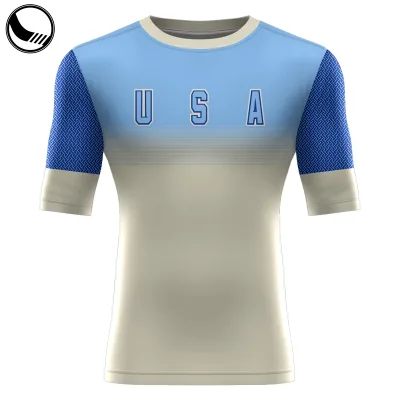
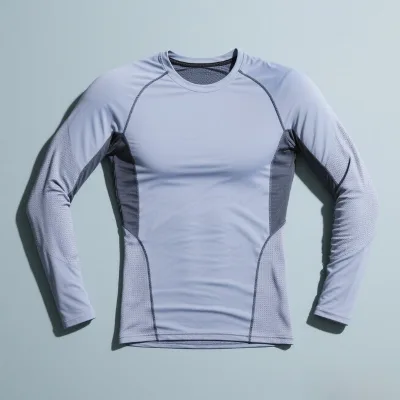
Long Sleeve Surf Rash Guard One Piece Swimsuit for Back Zip One-Piece Rashguard
$4.00 - $5.70
MOQ: 100 Pieces


Best Quality Plain MMA Rash Guard Long Sleeve Rush Guard for Men Rash Guards
$4.00 - $5.70
MOQ: 100 Pieces


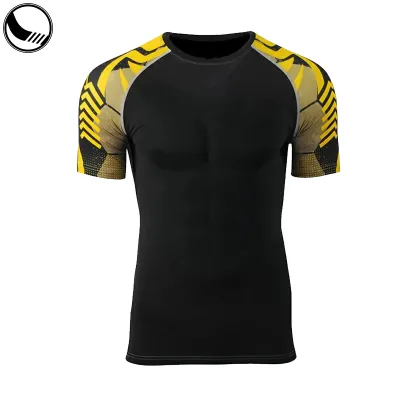
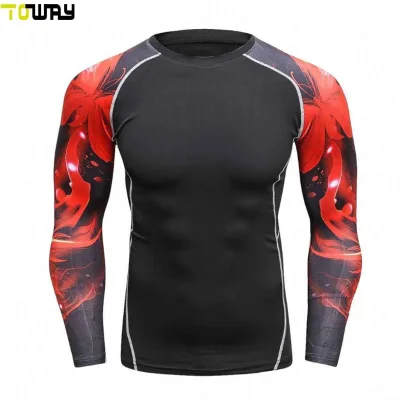
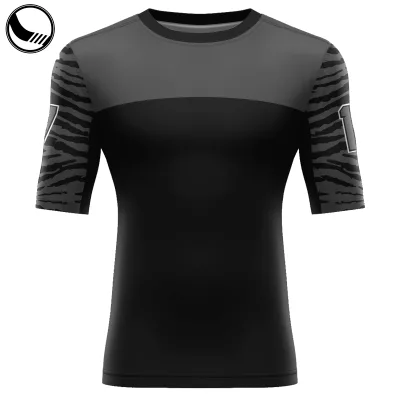
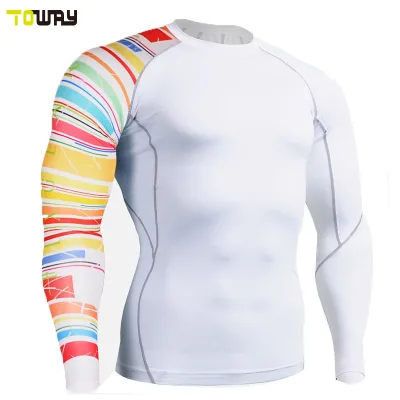


Comprehensive Sourcing Guide
Chlorine Resistance Unisex Rash Guard Sourcing Guide
Procuring chlorine-resistant unisex rash guards requires a disciplined approach to material selection and supplier verification, particularly for aquatic sports and fitness environments. The core challenge lies in balancing durability against chemical degradation with the comfort and flexibility demanded by active wear. Buyers must navigate a market where "chlorine resistance" is often a marketing term rather than a verified performance metric. Understanding the underlying fabric composition is the first step in mitigating risk. Polyester and nylon blends are common, but their specific ratios and spandex content dictate how well the garment withstands repeated exposure to pool chemicals. Without rigorous testing protocols, garments may fade, lose elasticity, or develop holes prematurely. This guide outlines the critical verification steps needed to ensure that sourced products meet the functional requirements of high-traffic aquatic facilities and professional athletic teams.
The procurement process must also account for the diverse usage scenarios associated with these garments, ranging from competitive swimming to recreational water sports. Unisex designs offer logistical advantages for rental businesses and large teams, but sizing consistency becomes a significant operational concern. Buyers need to establish clear specifications for fit, stretch recovery, and colorfastness before committing to bulk orders. Furthermore, the customization options available, such as sublimation printing and embroidery, add complexity to the quality control process. Each decorative method interacts differently with the base fabric, potentially affecting the garment's overall integrity and resistance properties. Therefore, a comprehensive sourcing strategy must integrate material science knowledge with practical commercial terms to secure reliable supply chains that deliver consistent performance over time.
Product Scope and Observed Listing Signals
The current market landscape for rash guards reveals a wide variance in product definitions and listed specifications, which can confuse procurement teams seeking specific performance attributes. Observed listings indicate a price range of $4 to $21.21 USD, reflecting differences in fabric quality, construction complexity, and order volume. Minimum Order Quantities (MOQs) vary significantly, ranging from small trial orders of 2 pieces to bulk commitments of 500 pieces, with a common baseline of 100 pieces for customized runs. This disparity suggests that buyers must carefully align their order volume with supplier capabilities to avoid premium pricing or production delays. The presence of both generic and model-specific listings, such as RG251113008 or C66, indicates that manufacturers often produce multiple tiers of quality under similar product names.
Visual and textual signals in product listings often highlight features like "anti-UV," "quick-drying," and "moisture-wicking," which are desirable for aquatic activities. However, these claims must be cross-referenced with actual material compositions provided in the specifications. For instance, some listings specify fabrics containing 88% polyester or nylon with 12% spandex, while others mention blends with cotton or lycra. The inclusion of cotton in swimwear applications is particularly notable, as it generally lacks the inherent chlorine resistance of synthetic fibers. Buyers should treat these listed attributes as starting points for inquiry rather than guaranteed specifications. Verifying the exact GSM weight, such as the 180-350 GSM range observed, is essential for determining the garment's durability and opacity, ensuring that the final product meets the intended use case without compromising on safety or comfort.
Technical Specifications to Verify
Fabric composition is the most critical technical specification when evaluating chlorine resistance, as it directly determines the garment's lifespan in chemically treated water. Buyers must verify the exact percentage of synthetic fibers, such as polyester or nylon, versus natural fibers like cotton, which degrade rapidly in chlorine environments. The presence of spandex or elastane is necessary for fit and flexibility, but its quality and coverage affect how well the fabric retains its shape after repeated exposure to pool chemicals. Specifications should explicitly state the fabric weight in GSM, as heavier fabrics often offer better durability but may impact breathability. Additionally, the construction method, whether it involves seamless knitting or traditional stitching, influences water absorption and chemical penetration rates, making it a key factor in performance verification.
Printing and customization techniques also introduce technical variables that can compromise the integrity of chlorine-resistant materials. Sublimation printing is generally preferred for its durability and lack of surface coating, which can peel or crack, whereas screen printing and embroidery add layers that may trap moisture or chemicals against the skin. Buyers should confirm that the printing process does not interfere with the fabric's inherent resistance properties. Furthermore, sizing consistency across unisex models requires rigorous measurement verification, as deviations can lead to fit issues and customer dissatisfaction. Specifications for tags and labels should be reviewed to ensure they do not cause irritation, especially for sensitive skin types common in aquatic sports. Clear documentation of these technical details ensures that the final product aligns with the operational demands of the end user.
Compliance and Safety Documentation
Safety and compliance documentation are essential for mitigating liability and ensuring that rash guards meet international quality standards. Buyers should request evidence of testing for colorfastness, particularly against chlorine and sweat, to prevent skin irritation and garment degradation. Standards such as SGS certification, which is mentioned in some listings, provide a baseline for quality assurance, but buyers must verify the specific tests conducted and the results obtained. It is crucial to ensure that the dyes and finishes used in the manufacturing process are non-toxic and free from harmful substances like azo dyes or formaldehyde. Documentation should also cover flammability and static resistance, especially for garments used in high-intensity training environments where safety is paramount.
In addition to material safety, buyers must ensure that suppliers adhere to ethical manufacturing practices and labor standards. Certifications related to social compliance, such as those verifying fair labor conditions, are increasingly important for brand reputation and risk management. Buyers should inquire about the supplier's quality management systems and how they handle non-conforming products. Clear communication regarding return policies and defect rates is necessary to manage potential issues effectively. By prioritizing comprehensive compliance documentation, procurement teams can protect their brands from reputational damage and ensure that the products they source are safe for consumers and compliant with regulatory requirements in their target markets.
Cost Drivers and Commercial Terms
Several factors influence the final cost of chlorine-resistant rash guards, with fabric quality and customization complexity being primary drivers. Higher-grade synthetic blends with superior chlorine resistance typically command higher prices, reflecting the cost of raw materials and specialized manufacturing processes. The choice of printing method also impacts cost, with sublimation often being more expensive than basic screen printing due to the precision required. Order volume plays a significant role in pricing, as larger MOQs allow suppliers to optimize production runs and reduce per-unit costs. Buyers should negotiate tiered pricing structures that reward increased order quantities while maintaining quality standards. Understanding these cost drivers helps in budgeting accurately and avoiding unexpected expenses during the procurement process.
Payment terms and shipping logistics are additional commercial considerations that affect the overall cost of ownership. Suppliers may offer various payment methods, including T/T, Western Union, and Moneygram, each with different security implications and processing times. Buyers should establish clear payment schedules that align with production milestones to manage cash flow effectively. Shipping options, ranging from express couriers like DHL and FedEx to sea freight, vary in cost and lead time. For urgent orders, air freight may be necessary, while bulk shipments can be optimized for cost efficiency through sea transport. Lead times, typically ranging from 2 to 5 weeks after sample confirmation, must be factored into inventory planning to prevent stockouts. Transparent communication regarding these terms ensures a smooth procurement experience and minimizes financial risks.
Supplier Qualification and Quality Control
Evaluating supplier qualifications is a critical step in ensuring the reliability and consistency of rash guard supplies. Buyers should assess the supplier's production capacity, technical expertise, and history of fulfilling similar orders. Experience in manufacturing swimwear and athletic apparel is a strong indicator of capability, as it suggests familiarity with the specific challenges of chlorine resistance and fabric performance. Requesting references or case studies from previous clients can provide valuable insights into the supplier's reliability and customer service quality. Additionally, verifying the supplier's ability to handle OEM and ODM services is essential for brands seeking customized solutions. A robust supplier base reduces dependency on single sources and enhances supply chain resilience.
Quality control measures must be integrated into the procurement process to maintain product standards. Buyers should implement pre-production sample approvals to verify fabric composition, fit, and printing quality before committing to bulk orders. In-line inspections during production can help identify and rectify defects early, reducing the risk of receiving non-conforming goods. Final random inspections based on statistical sampling methods are recommended to ensure that the delivered products meet the agreed-upon specifications. Clear communication of quality expectations and defect tolerance levels is crucial for aligning supplier and buyer objectives. By establishing rigorous quality control protocols, procurement teams can minimize the risk of product failures and ensure that the rash guards delivered meet the high standards required for aquatic sports and fitness applications.
Long-Term Procurement Checks
Sustaining a successful procurement relationship requires ongoing monitoring and evaluation of supplier performance and product quality. Regular audits of supplier facilities and processes can help identify potential issues before they impact production or delivery. Feedback loops with end-users, such as athletes and fitness instructors, provide valuable insights into the real-world performance of the rash guards, particularly regarding chlorine resistance and comfort. Buyers should track key performance indicators, such as defect rates, delivery times, and customer satisfaction scores, to assess supplier reliability over time. Continuous improvement initiatives, including regular reviews of material innovations and manufacturing techniques, can help keep the product line competitive and relevant.
Adapting to market trends and changing consumer preferences is essential for long-term success in the athletic wear sector. Buyers should stay informed about emerging fabric technologies and sustainability practices that may influence future procurement decisions. Building strong relationships with suppliers based on mutual trust and transparency facilitates collaboration on product development and problem-solving. Flexibility in order volumes and specifications allows buyers to respond quickly to market demands and seasonal variations. By maintaining a proactive approach to supplier management and product evaluation, procurement teams can ensure a steady supply of high-quality chlorine-resistant rash guards that meet the evolving needs of their customers and support their brand's reputation for excellence.
FAQs
What fabrics are used for chlorine resistance unisex rash guards?
These rash guards typically use polyester, cotton, spandex, and nylon blends. Specific models utilize 88% polyester or nylon with 12% spandex for durability. Lycra is also used in some children's styles. These materials ensure quick-drying and moisture-wicking properties suitable for water sports and gym activities.
Can I customize the logo and design on these rash guards?
Yes, OEM and ODM services are available for full customization. You can specify your own size, logo, label, and design requirements. Printing options include sublimation, screen printing, and embroidery. This allows brands to create unique apparel for racing, fitness, or team sports with their specific branding.
What is the typical delivery time for custom orders?
The standard delivery time is two to five weeks after confirmed samples. This timeline applies to both sublimation printing long sleeve shirts and compression dry fit styles. Buyers should account for this lead time when planning inventory for summer seasons or specific sporting events requiring custom apparel.
Which payment methods are accepted for these rash guard orders?
Common payment methods include T/T, Western Union, and Moneygram. These options facilitate international B2B transactions for bulk orders. Buyers can secure samples before placing larger orders, ensuring quality matches requirements for ball sports, cycling, or water activities before committing to full production runs.
What features do these rash guards offer for athletes?
Features include windbreak, waterproof, rip-stop, quick-drying, and moisture-wicking capabilities. They also offer anti-UV, anti-static, and breathable properties. These attributes support performance in racing, fitness, gym, martial arts, and outdoor training. The unisex design suits adults and children for various sports and beachwear applications.
Are there options for children's chlorine resistance unisex rash guards?
Yes, specific models are designed for children with styles like beachwear two-piece sets. These are available in sizes such as S, M, L, XL, and 2XL. Features include anti-UV protection and quick-drying fabrics. They are suitable for swimming pools and water sports, ensuring comfort and safety for young athletes.