Source Chinese Traditional Food Preservation Box for Restaurants, Hotels, and Caterers
Compare 30 listings for the Chinese Traditional Food Preservation Box designed for storage and takeaway. Buyers can evaluate options featuring PET and PP materials, leak resistance, and freshness preservation for kitchens and food services.
Key considerations
Products List
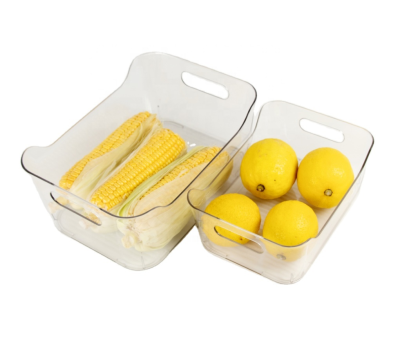


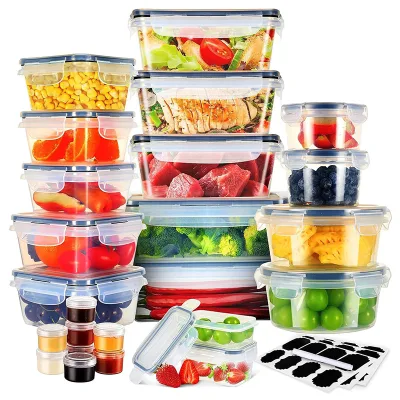


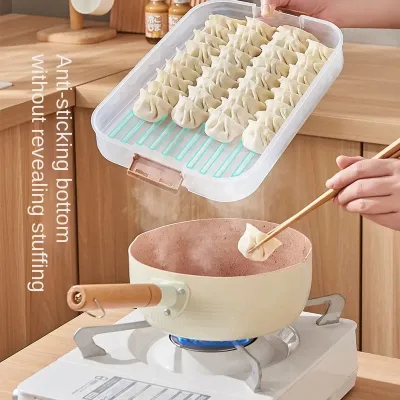
Premium Stainless Steel Storage Box Food Container for Long-Term Preservation
$2.50 - $6.60
MOQ: 200 Pieces
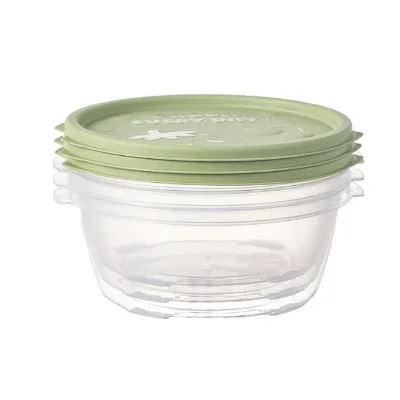


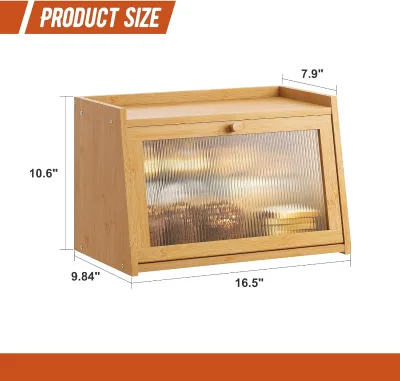




Comprehensive Sourcing Guide
Chinese Traditional Food Preservation Box Sourcing Guide
Sourcing packaging solutions for traditional Chinese cuisine requires a nuanced understanding of both material science and culinary requirements. Traditional dishes often involve complex flavor profiles, varying moisture levels, and specific temperature serving conditions that standard packaging may not adequately address. Buyers must navigate a market flooded with generic plastic containers while identifying suppliers who specialize in the structural integrity and aesthetic presentation required for authentic food preservation. This guide focuses on the intersection of modern manufacturing capabilities and traditional culinary needs, ensuring that the selected packaging enhances rather than detracts from the dining experience.
The procurement process for these items is characterized by a wide variance in material composition, from polyethylene terephthalate (PET) to polypropylene (PP) and biodegradable alternatives. While the term "traditional" might suggest paper or ceramic, the modern supply chain predominantly offers high-performance plastics designed to mimic traditional aesthetics while providing superior durability and cost-efficiency. Understanding the specific thermal and chemical resistance of these materials is critical, as traditional cooking methods often involve high heat, oil, and acidic ingredients that can degrade inferior packaging. This guide provides a framework for evaluating suppliers based on verified technical specifications and commercial reliability.
Product Scope and Observed Listing Signals
The current market landscape for food preservation boxes reveals a diverse array of product types, ranging from disposable lunch boxes to reusable storage containers. Observed listings indicate a strong presence of square-shaped containers made from PET and PP materials, with capacities spanning from 0 to 2 liters and extending up to 5800ml for larger portions. These products are frequently marketed with features such as freshness preservation, leak resistance, and temperature stability, catering to a broad spectrum of commercial buyers including restaurants, canteens, and takeaway services. The prevalence of "industrial" design styles suggests a focus on functionality and stackability, which is essential for high-volume food service operations.
Color options vary significantly, with transparent and multicolor variants being common, allowing for product visibility and brand differentiation. Some listings highlight eco-friendly and biodegradable attributes, reflecting a growing consumer demand for sustainable packaging solutions, although buyers must verify these claims against actual material certifications. The observed price range is extensive, from minimal costs for basic single-use items to higher prices for specialized, multi-specification sets. This variance underscores the importance of defining precise requirements early in the sourcing process to avoid overpaying for unnecessary features or under-specifying for critical performance needs.
Technical Specifications to Verify
Material composition is the primary technical factor to verify, as it directly impacts food safety and durability. Products are often listed with specific material designations such as PET or PP, each offering distinct advantages in terms of clarity, heat resistance, and recyclability. For instance, PP containers typically offer higher heat resistance, suitable for hot foods, while PET provides excellent clarity for cold items. Buyers should confirm the exact polymer grade and ensure that the material is food-grade certified, as generic plastic listings may not meet stringent safety standards for direct food contact. The presence of injection molding techniques indicates a standardized manufacturing process, which generally ensures consistent wall thickness and structural integrity.
Thermal performance and dimensional accuracy are equally critical verification points. Listings may specify temperature resistance ranges, such as -20°C to 120°C, which defines the operational limits for heating and storage. Buyers must ensure that the selected container can withstand the specific thermal cycles of their supply chain, including potential microwave heating or freezing storage. Additionally, the availability of multiple sizes, from small individual portions to large family-style containers, allows for versatile menu planning. Verifying the single package dimensions and gross weight is essential for logistics planning, as these factors directly influence shipping costs and warehouse storage efficiency.
Compliance and Safety Documentation
Food contact safety is the paramount compliance requirement for any food preservation box. Buyers must request documentation proving that the materials comply with relevant national and international food safety standards, such as GB standards in China or FDA regulations in the United States. While some listings mention generic certifications like ISO 9001, these primarily attest to quality management systems rather than specific food safety compliance. It is crucial to distinguish between general manufacturing certifications and specific food-grade material approvals, as the latter are non-negotiable for legal and health reasons.
Environmental compliance is an increasingly important aspect of procurement, particularly for brands aiming to reduce their ecological footprint. Listings may claim eco-friendly or biodegradable properties, but buyers should request third-party test reports to substantiate these claims. Standards for biodegradability vary by region, and false claims can lead to regulatory penalties and reputational damage. Additionally, buyers should verify the recyclability of the packaging, ensuring that the material type is accepted in local recycling streams. Clear labeling on the packaging regarding disposal instructions is also a best practice that enhances brand responsibility and consumer trust.
Cost Drivers and Commercial Terms
The cost of food preservation boxes is influenced by several key factors, including material prices, production volume, and customization requirements. Raw material fluctuations, particularly for petroleum-based plastics like PET and PP, can significantly impact unit costs. Buyers should negotiate pricing based on tiered volume discounts, as the observed MOQ ranges from 10 to 50,000 units, offering flexibility for both small businesses and large enterprises. Customization options, such as logo printing or unique color matching, typically incur additional setup fees and higher per-unit costs, which should be factored into the total cost of ownership.
Commercial terms and logistics play a significant role in the final landed cost. The port of dispatch, often Ningbo for Chinese suppliers, affects shipping timelines and freight charges. Buyers should clarify whether prices are quoted on FOB, CIF, or EXW terms to understand their responsibility for insurance and transportation. Packaging details, such as export cartons or individual PP bags, also impact shipping density and protection during transit. Understanding the supply ability, which may be listed as 100,000 bags per month, helps in assessing the supplier's capacity to meet peak demand periods without compromising quality or delivery schedules.
Supplier Qualification and Quality Control
Supplier qualification begins with verifying their manufacturing capabilities and quality control processes. Buyers should request evidence of production lines, including injection molding machines and automated packaging systems, to ensure consistent output quality. Factories with specialized experience in food packaging are preferable, as they are more likely to adhere to strict hygiene standards during production. Additionally, buyers should inquire about the supplier's quality assurance protocols, including in-process inspections and final random sampling procedures, to minimize the risk of defective products reaching the end user.
Communication and responsiveness are critical indicators of supplier reliability. A qualified supplier should provide clear and detailed product specifications, including material safety data sheets and compliance certificates. Buyers should assess the supplier's ability to handle custom orders, such as providing samples for approval before mass production. Establishing a clear communication channel for addressing quality issues or delivery delays is essential for maintaining a smooth supply chain. Building a relationship with a supplier who demonstrates transparency and professionalism can lead to better pricing and priority service during high-demand periods.
Long-Term Procurement Checks
Long-term procurement success depends on continuous monitoring of supplier performance and market trends. Buyers should regularly review supplier quality metrics, including defect rates and on-time delivery percentages, to ensure consistent performance. Establishing a periodic audit schedule, whether on-site or virtual, can help identify potential issues before they escalate. Additionally, staying informed about changes in material regulations and sustainability standards is crucial for maintaining compliance and meeting evolving consumer expectations.
Diversifying the supplier base is a prudent strategy to mitigate supply chain risks. Relying on a single supplier can expose buyers to disruptions caused by production issues, raw material shortages, or geopolitical factors. By qualifying multiple suppliers, buyers can maintain competitive pricing and ensure continuity of supply. Regularly re-evaluating the product portfolio to incorporate new technologies or materials, such as advanced biodegradable options, can also enhance the brand's market position. Continuous improvement in packaging design and functionality, driven by feedback from end-users, is key to long-term success in the competitive food service industry.
FAQs
What material is used for the storage box?
The storage box is made from PET and PP plastic materials. These materials ensure the product is suitable for kitchen use while offering flexibility and durability for various food storage needs.
Can the product be customized for specific needs?
Yes, customization is available for this product. Buyers can request specific models and standards, allowing for tailored solutions that meet unique requirements for commercial buyers and food services.
What is the packaging method for the product?
The product is packaged in PP bags and export cartons. This packaging ensures safe transport and storage, with single package sizes measuring 24x13x12 cm and a gross weight of 0.270 kg.
Where is the product manufactured and shipped from?
The product originates from Zhejiang and Guangzhou in China. It is dispatched from the Ningbo port, ensuring reliable logistics for international buyers seeking food preservation solutions.
What are the temperature resistance limits of the box?
The box has a heat resistance range from -20 to 120 degrees Celsius. This feature makes it suitable for various food preservation tasks, including storage and takeaway services in different seasons.
What is the minimum order quantity for this item?
The minimum order quantity ranges from 10 to 50,000 units depending on the specific configuration. This flexibility supports both small specialty stores and large commercial buyers like hotels and supermarkets.