Source Chip Forks for Hotels, Restaurants, and Home Use
Find 30 listings for Chip Forks suitable for hotels, restaurants, and home dining. Buyers can compare eco-friendly options made from plastic or bamboo with customizable designs and varying MOQs from suppliers in China.
Key considerations
Products List
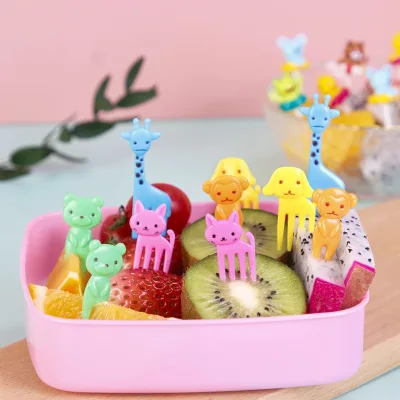


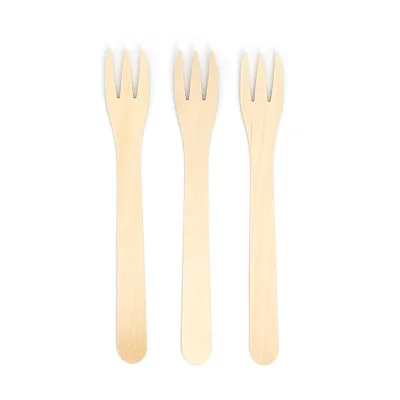



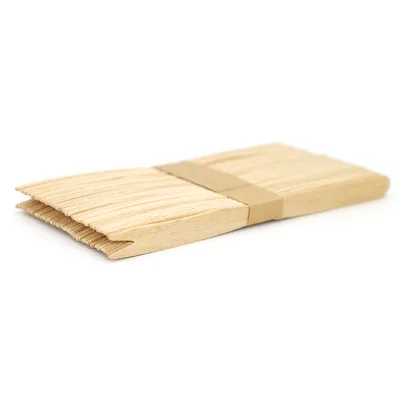


Best-Selling 155mm Fruit Table Fork Wooden Cutley Special Disposable Fork
$0.01 - $0.02
MOQ: 50000 Pieces



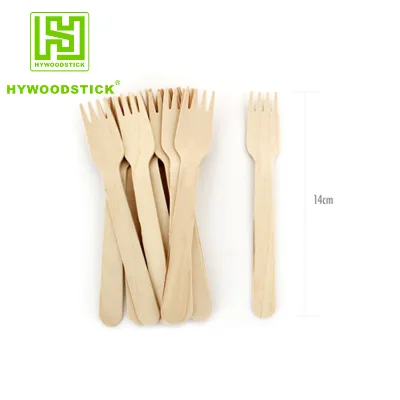
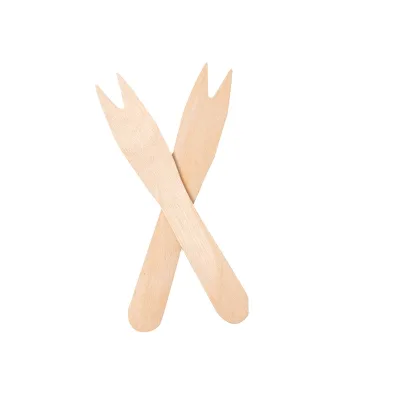
disposable table ware mini wood forks mini wood fork with logo chip fork
$0.10 - $0.31
MOQ: 100 Minimum


Comprehensive Sourcing Guide
Strategic Sourcing Guide for Chip Forks and Specialty Food Picks
The global market for specialized cutlery, including the niche category of Chip Forks and decorative food picks, presents a complex landscape for B2B procurement officers. While the core keyword "Chip Forks" often implies specific utility for serving snacks, the actual product data reveals a broader spectrum of items ranging from functional fruit forks to highly stylized animal-shaped picks. For buyers entering this sector, understanding the distinction between standard flatware and customized novelty items is critical. The supply chain for these products is heavily concentrated in specific manufacturing hubs, with Guangdong, China, emerging as a primary origin point for a significant volume of these goods. Procurement strategies must therefore account for diverse material compositions, ranging from food-grade plastics to bamboo, and navigate varying customization capabilities that define the final product's market fit.
Material Composition and Functional Specifications
The foundational decision in sourcing Chip Forks and food picks revolves around material selection, which dictates both the product's safety profile and its aesthetic appeal. The observed product data indicates a bifurcation in materials, with "Food Grade" plastic and bamboo being the primary constituents. Plastic variants are often associated with high-volume, low-cost applications suitable for events, hotels, and home use, where durability and color variety are paramount. The data explicitly lists a wide array of color options, including specific designs like "Elephant Food Picks," "Giraffe Food Picks," and "Cactus Food Picks," suggesting that plastic is the preferred medium for intricate molding and vibrant coloring.
Conversely, the presence of bamboo in the material list points toward a segment of the market focused on eco-friendly and biodegradable solutions. This aligns with the "Eco-Friendly" attribute frequently observed in the product listings. Buyers must verify that any bamboo product meets specific food-grade safety standards, as natural materials can vary in finish and structural integrity compared to molded plastics. The "Food Grade" designation is a critical observation, yet it must be validated against the specific supplier's documentation to ensure compliance with local food safety regulations in the destination market. The single package size for these items is typically compact, with dimensions around 6x6x8 cm, facilitating efficient logistics and storage.
Design Customization and Branding Capabilities
A significant driver of value in the chip fork and food pick market is the ability to customize designs for branding or specific thematic events. The product data highlights "Customized Logo Acceptable" and "Customization: Available" as key attributes. This suggests that suppliers are equipped to handle OEM (Original Equipment Manufacturer) requests, allowing brands to imprint their logos or create unique shapes, such as the "Musical Note Fruit Picks" or "Halloween Fruit" themed items mentioned in the color lists. The "Design: Customizable" and "prod_model: Customizable" fields further reinforce that these products are not merely off-the-shelf commodities but can be tailored to specific marketing campaigns.
However, the level of customization varies. While some items are described as having "Random Color" options, others are highly specific, such as "Black Cats Food Picks" or "Ant Shape Fruit Forks." Buyers should distinguish between suppliers who offer standard catalog customization (e.g., logo placement on existing molds) and those capable of developing entirely new molds for unique shapes. The "Process" attribute, listed as "Handmade/Other," indicates that some intricate designs may involve manual assembly or finishing, which can impact production lead times and consistency. When evaluating suppliers, procurement teams must clarify whether the customization involves simple printing or complex molding changes, as this directly influences the Minimum Order Quantity (MOQ) and unit cost.
Compliance, Certification, and Safety Standards
Navigating the regulatory landscape for food-contact products requires rigorous attention to certifications and safety standards. The provided data contains a mix of relevant and potentially irrelevant certification claims. While "ISODamping Force Direction:One Way Direction" appears in the text, this is clearly associated with hydraulic shock absorbers (specifically "Springer Forks" for motorcycles) rather than food service items. Buyers must exercise extreme caution to avoid conflating automotive component certifications with food-grade product requirements. The only relevant certification mentioned in the low-confidence background is "FSC" (Forest Stewardship Council), which would apply specifically to the bamboo variants to ensure sustainable sourcing.
For plastic and bamboo food picks, the primary compliance requirement is adherence to food safety standards, such as FDA regulations in the United States or EU Framework Regulation (EC) No 1935/2004. The "Food Grade" material attribute is a starting point, but it is not a substitute for official test reports. Buyers should request specific migration test results for heavy metals, phthalates, and other chemical substances from the supplier. The "High" quality attribute listed in the data is an observation rather than a verified claim; therefore, it should be treated as a marketing statement that requires independent verification through third-party laboratory testing. Ensuring that the "Single package size" and "Packing" methods (Paper Card+others) do not introduce contamination risks is also part of the compliance checklist.
Cost Drivers and Supply Chain Economics
Understanding the cost structure of Chip Forks and food picks is essential for budgeting and negotiation. The observed price range in the market spans from $0.01 to $1000, a vast disparity that reflects the difference between single-unit novelty items and bulk industrial orders. The "MOQ" (Minimum Order Quantity) data shows a range from 1 to 100,000, with specific listings indicating MOQs of "20 Packs" for certain items and "100PCS" for others. This variability suggests that buyers can source small batches for testing or marketing purposes, but economies of scale are realized only at higher volumes.
The "Supply Ability" of 50,000 packs per month indicates that the manufacturing base has significant capacity, yet lead times can be influenced by the complexity of the customization. Items requiring "Handmade" processes or unique molds will inherently have longer lead times compared to standard stock items. The "Port of dispatch" is identified as SHENZHEN, a major logistics hub in Guangdong, which facilitates efficient shipping but requires buyers to account for freight costs and customs clearance procedures. The "Single gross weight" of 0.05 kg per unit is a critical figure for calculating shipping costs, especially when orders are consolidated into cartons or pallets. Buyers should also consider the "prod_packing" options, such as "Carton/Palletizing," as these affect the overall logistics cost and the efficiency of warehouse handling at the destination.
Supplier Evaluation and Quality Assurance
Evaluating suppliers in this sector requires a multi-faceted approach that goes beyond price comparisons. The "Brand name" GAS and "Brand" NTC appear in the data, but these are likely associated with different product lines, including the motorcycle components mentioned. Buyers must ensure they are engaging with the correct entity that specializes in food service products. The "Application Scenarios" listed as "General" and "Hotel Restaurant Home" suggest a broad market reach, but buyers should verify the supplier's experience in their specific target sector. For instance, a supplier experienced in hotel bulk orders may have different quality control protocols than one specializing in boutique home goods.
Quality control should focus on the consistency of the "Color" and the structural integrity of the "Fork" or "Pick." The "Random Color" attribute implies a lack of strict color matching, which may be acceptable for some applications but problematic for others. Buyers should request pre-production samples to verify that the "Customized Logo" is applied correctly and that the "Finish" (e.g., Black/Chrome for metal components, though less common for food picks) meets expectations. The "Service: OEM" attribute indicates a willingness to work with buyers, but the extent of this service must be defined in the contract. Establishing a clear quality assurance protocol, including acceptance criteria for defects and packaging standards, is vital to prevent disputes upon delivery.
Long-Term Procurement and Market Trends
The long-term viability of sourcing Chip Forks and food picks depends on aligning with evolving market trends, particularly the shift toward sustainability. The "Eco-Friendly" feature and the availability of bamboo materials suggest a growing demand for biodegradable alternatives to single-use plastics. Buyers who position their products in the eco-conscious segment can leverage the "FSC" certification potential for bamboo items to differentiate themselves in the marketplace. However, the transition from plastic to bamboo requires careful management of supply chain reliability, as natural materials can be subject to seasonal variations and supply constraints.
Furthermore, the "Occasion" attribute, such as "Back to School," highlights the seasonal nature of demand for these products. Procurement strategies should account for these peaks and valleys, ensuring that inventory levels are optimized to meet demand without incurring excessive holding costs. The "Usage" scenarios, including "Hotel Restaurant Home," indicate that the product has diverse applications, allowing for flexible marketing strategies. Buyers should consider the "Type" of product, such as "Fruit Fork Fruit Picks," and how these specific items fit into the broader menu or event planning trends. By maintaining a close relationship with suppliers who offer "Customizable" designs, buyers can adapt quickly to changing consumer preferences and seasonal trends, ensuring a steady flow of relevant and attractive products.
Comparative Analysis of Product Attributes
To facilitate decision-making, the following table summarizes the key attributes observed in the product data, distinguishing between standard and customizable options.
| Attribute Category | Standard/Stock Attributes | Customizable/High-End Attributes |
|---|---|---|
| Material | Food Grade Plastic, Bamboo | Custom Material Blends |
| Design | Animal Shapes (Elephant, Giraffe), Random Colors | Custom Logo, Unique Molds, Specific Themes |
| MOQ | 20 Packs, 100 PCS | Variable based on mold development |
| Packaging | Paper Card + Others, Carton/Palletizing | Branded Packaging, Custom Cartons |
| Origin | Guangdong, China | China (General) |
| Process | Handmade/Other | Customizable Production Lines |
| Certification | Food Grade (Verified) | FSC (Bamboo), ISO (Verify relevance) |
This comparison underscores the flexibility available in the market. While standard items offer immediate availability and lower costs, the customizable options provide a pathway for brand differentiation. Buyers must weigh the trade-offs between cost, lead time, and the uniqueness of the product when making their final selection.
Conclusion
Sourcing Chip Forks and specialty food picks requires a nuanced understanding of the supply chain, material science, and regulatory landscape. The data reveals a robust market with significant capacity in Guangdong, China, offering a wide range of products from functional plastic forks to eco-friendly bamboo picks. Success in this sector depends on the buyer's ability to navigate the complexities of customization, verify safety certifications, and manage the logistical challenges of global shipping. By focusing on verified quality attributes, understanding the true cost drivers, and aligning with sustainability trends, procurement teams can build a resilient supply chain that meets the diverse needs of the hotel, restaurant, and retail sectors. The key is to treat product attributes as observations to be validated rather than guaranteed claims, ensuring that every purchase meets the highest standards of safety and quality.
FAQs
What materials are used for Chip Forks?
Chip Forks are primarily made from food-grade plastic or bamboo. Plastic options offer vibrant colors and intricate animal shapes, while bamboo provides an eco-friendly alternative suitable for sustainable sourcing initiatives.
Can I customize the logo on these forks?
Yes, customized logos are acceptable for these products. Suppliers offer OEM services allowing brands to imprint logos or create unique shapes, though lead times may vary depending on whether the design requires new molds.
What is the minimum order quantity for stock items?
The minimum order quantity varies by supplier but often starts at 20 packs or 100 pieces. Some vendors accept orders as low as one unit for testing, while bulk capacity can reach 50,000 packs monthly.
Where are these fruit forks manufactured?
These products originate from Guangdong, China, with dispatch ports in Shenzhen. This region is a primary manufacturing hub offering significant supply capacity and efficient logistics for international buyers seeking these specific cutlery items.
Are these forks suitable for hotel and restaurant use?
Yes, the intended usage includes hotels, restaurants, and home settings. They are designed for general application scenarios, including serving fruit or snacks, and are available in various designs like elephants, giraffes, and musical notes.
How are the forks packaged for shipping?
Individual items are typically packed in paper cards with other protective materials. Bulk shipments are prepared in cartons and palletized for efficient handling, with single package dimensions around 6x6x8 cm and a gross weight of 0.05 kg.