Source Christmas Folding Cosmetic Mirror for Gifts, Retail, and Events
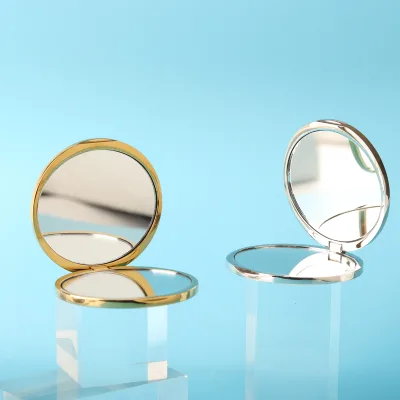
Explore 30 options for the Christmas Folding Cosmetic Mirror, featuring single and double-sided designs with plastic or metal frames. Compare models like MI80011 and Magic 01 to find suitable square, rectangle, or round styles for your sourcing needs; compare the available evidence and request quotations based on your requirements.
Key considerations
Products List


$4.50 - $12.50
MOQ: 300 Square Meters

$4.50 - $12.50
MOQ: 300 Square Meters

$4.50 - $12.50
MOQ: 300 Square Meters

Portable Desktop Makeup Mirror Standing Folding Vanity Mirror for Cosmetic
$2.50 - $5.00
MOQ: 1000 Pieces


Double Side Magnify Square Small Makeup Cosmetic Mirror Used on Holiday Gift
$0.58 - $0.60
MOQ: 1000 Pieces



Comprehensive Sourcing Guide
Christmas Folding Cosmetic Mirror Sourcing Guide
Sourcing a Christmas Folding Cosmetic Mirror requires distinguishing between seasonal promotional items and durable daily-use products. The observed market data indicates a diverse range of options, including specific models like the Foldable Compact Mirror-035J, which aligns with the folding requirement. Buyers must verify that the "folding" mechanism is robust enough to withstand repeated opening and closing during holiday gifting or retail display scenarios.
Procurement teams should also scrutinize the frame material and finish to ensure the product matches the festive aesthetic. While some listings specify plastic frames with silver or chrome finishes, others may offer metal constructions for a premium feel. It is critical to confirm that the chosen model supports the intended customization, such as holiday-themed packaging or branding, without compromising the structural integrity of the hinge mechanism.
Product Scope and Observed Listing Signals
The current market listings reveal a wide spectrum of mirror types, from desktop units to pocket mirrors, with the folding cosmetic variant being a distinct category. Observed product models include specific identifiers like Magic 01 and Cosmetic Makeup Mirror-070F, suggesting that suppliers often maintain distinct SKUs for different form factors. Buyers must carefully filter these listings to isolate items explicitly described as folding or compact, as many available products are rigid desktop or single-sided units.
Listing signals also highlight variations in shape and sides, with square, rectangle, and round options available in both single and double-sided configurations. The presence of "Best" quality claims and specific finishes like silver or chrome indicates that suppliers are targeting different market segments. Procurement professionals should cross-reference these visual attributes with the actual product specifications to ensure the selected mirror meets the functional requirements of a portable, foldable design suitable for holiday distribution.
Technical Specifications to Verify
Technical verification must begin with the physical dimensions and thickness of the mirror components. While some general acrylic sheets are listed with thicknesses ranging from 1-10mm, the specific folding mirror requires precise measurement of the folded profile to ensure it fits standard gift packaging. Buyers should request detailed drawings for models like the Foldable Compact Mirror-035J to confirm that the hinge allows for a compact closure without damaging the reflective surface.
Material properties are equally critical, particularly regarding tensile strength and water absorption, which affect durability in varied climates. Although specific data points like 3.46MPa tensile strength are observed for acrylic materials, the folding mechanism itself must be tested for fatigue resistance. Procurement teams should verify that the frame material, whether plastic or metal, can support the mirror glass without warping, ensuring the product remains functional after repeated use during the holiday season.
Compliance and Safety Documentation
Compliance documentation is essential for importing cosmetic mirrors, especially those intended for personal care use during the holiday season. The observed market data includes references to ISO and CE certifications, which serve as baseline indicators of manufacturing quality and safety. Buyers should explicitly request current certificates for the specific model being sourced to ensure that the product meets the regulatory standards of the destination market, particularly regarding chemical safety and material composition.
Safety testing should also cover the mechanical integrity of the folding hinge to prevent pinch points or sharp edges that could cause injury. While general certifications like ROHS and REACH are mentioned in background contexts, they must be validated against the specific product batch. Procurement teams must ensure that the supplier provides test reports confirming that the mirror surface and frame materials do not contain hazardous substances, thereby protecting both the end-user and the brand reputation.
Cost Drivers and Commercial Terms
Cost drivers for folding cosmetic mirrors are heavily influenced by the complexity of the hinge mechanism and the choice of frame material. Listings show a price range from 0.3 to 12.5 USD, reflecting the variance between basic plastic models and more premium metal or customized versions. Buyers should analyze whether the lower price points correspond to single-sided units or simpler designs, while higher costs may indicate double-sided mirrors with enhanced finishes or specialized packaging.
Commercial terms such as MOQ and lead time significantly impact the procurement strategy for seasonal items. Observed MOQs range from 100 to 5000 units, with some bulk orders requiring a full container load, which can be a barrier for smaller buyers. Additionally, delivery times of 7-15 days must be factored into the holiday calendar to ensure timely arrival. Procurement teams should negotiate flexible terms that accommodate the high demand of the Christmas season without incurring excessive rush fees.
Supplier Qualification and Quality Control
Supplier qualification requires a rigorous assessment of their production capabilities and quality control protocols. The observed data indicates that suppliers offer customization services, which suggests a level of flexibility in manufacturing. However, buyers must verify that the supplier has a dedicated line for folding mirrors to ensure consistent hinge performance and finish quality. It is advisable to audit the production facility to confirm that they can handle the specific volume and customization requirements of the order.
Quality control checks should focus on the consistency of the folding action and the clarity of the mirror surface. Given the variety of shapes and finishes observed, such as silver or chrome, visual inspection is necessary to detect defects like scratches or uneven plating. Procurement teams should implement a pre-shipment inspection protocol that tests a random sample of units for structural integrity, ensuring that the final product meets the expected standards before it is shipped to the market.
Long-Term Procurement Checks
Long-term procurement checks involve monitoring the supplier's ability to maintain quality and supply consistency over multiple seasons. The observed product models, such as MI80011 and MI80015, suggest that suppliers may have established lines for specific designs. Buyers should establish a relationship that allows for continuous improvement, ensuring that any design flaws identified in the first batch are corrected in subsequent production runs.
Sustainability and packaging efficiency are also key factors for long-term success. The observed packing methods, ranging from bulk to seaworthy plywood boxes, indicate that suppliers have varying capabilities in protecting the product during transit. Procurement teams should evaluate the environmental impact of the packaging and the durability of the product to ensure it aligns with corporate sustainability goals. Regular reviews of supplier performance will help mitigate risks and secure a reliable supply chain for future holiday seasons.
FAQs
What customization options are available for these mirrors?
Customization is available for the product models listed, allowing buyers to request specific shapes or finishes. The observed data shows options like square, rectangle, and round shapes with modern or simple styles. Buyers can also request customized dimensions and packaging solutions to meet their unique business requirements.
Which frame materials are used for these cosmetic mirrors?
The product listings indicate that frame materials include plastic, metal, and glass depending on the specific model. Some items are described as transparent plastic sheets made of acrylic, while others feature metal or glass frames. This variety allows buyers to select materials that match their desired aesthetic and durability standards.
Can I find mirrors with specific magnification levels?
Yes, certain models offer magnification levels of 3X, 5X, or 10X for detailed cosmetic application. These features are typically found in specific product models designed for professional or personal use. Buyers should verify the exact magnification specifications when selecting a model to ensure it meets their functional needs.
What is the typical delivery time for these orders?
The standard delivery time for these products ranges from 7 to 15 days after order confirmation. This lead time applies to the manufacturing and shipping process for the listed items. Buyers should account for this duration when planning their inventory replenishment schedules to avoid stockouts.
How are these mirrors packaged for shipping?
Packaging options include cartons, bulk shipments, or wooden boxes with paper interlayers for seaworthy transport. Specific models may come in cartons containing 100 pieces, while others are packed individually or in bulk. The packaging is designed to protect the mirrors during transit and ensure they arrive in perfect condition.
What certifications do these products hold?
Some product listings indicate that items hold ISO and CE certifications to ensure quality and safety standards. These certifications are relevant for buyers requiring compliance with international regulations. It is advisable to confirm specific certification details with the supplier before finalizing any purchase agreement.
What is the minimum order quantity for these mirrors?
The minimum order quantity varies between 100 and 5000 units depending on the specific product model and supplier. Some large-scale orders may require a full container load, such as one 20-foot container. Buyers should check the specific MOQ requirements for their chosen model to ensure they meet the supplier's threshold.