Source Christmas Glasses for Tree, Table, and Cake Decor
Find 30 options for Christmas Glasses suitable for festive tree accents, tabletop displays, and cake toppers. Compare plastic frames, UV400 lenses, and custom logo printing to select the right style for your holiday inventory needs; compare the available evidence and request quotations based on your requirements.
Key considerations
Products List


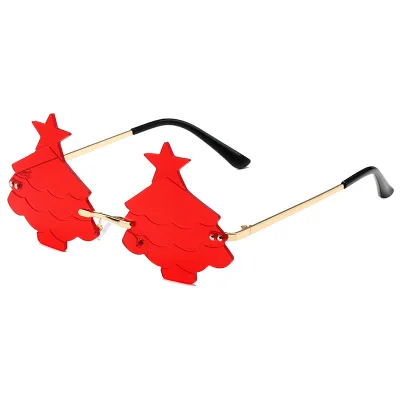


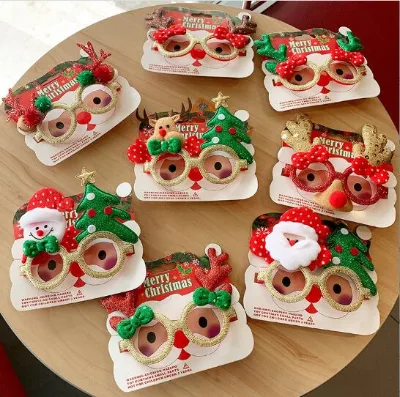
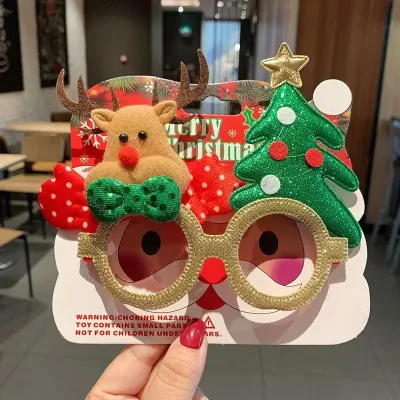
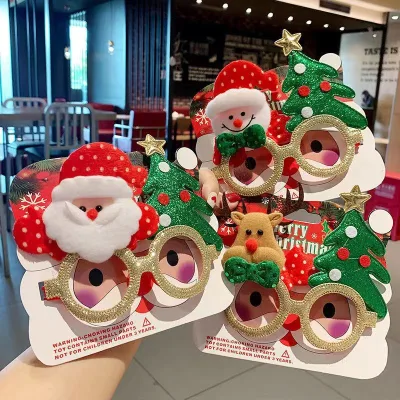
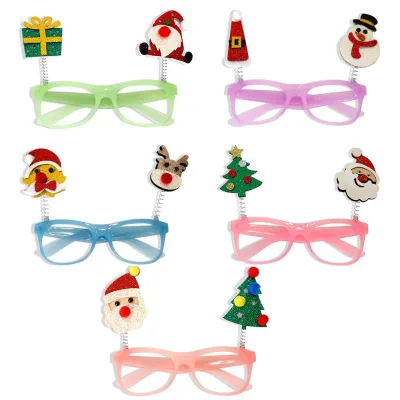


Promotional High Quality Fashionable Supplies Party Decorations Christmas Glasses
$2.91 - $2.93
MOQ: 350 Pieces


Hot Selling Funny Birthday New Year Party Flower Glasses Photo Decoration
$0.21 - $0.24
MOQ: 4200 Pieces
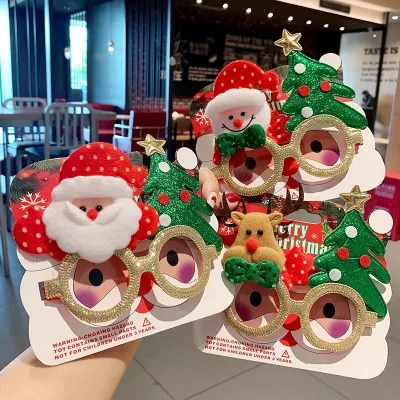


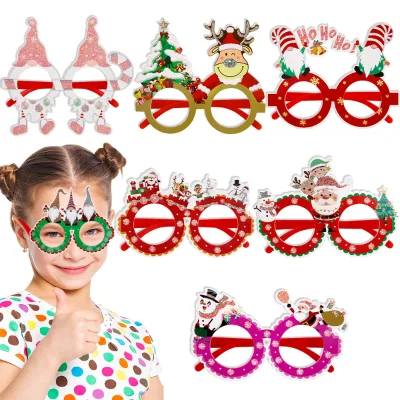

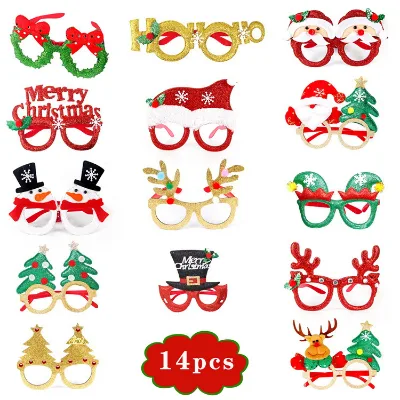


Comprehensive Sourcing Guide
Christmas Glasses Sourcing Guide
Buyers must first distinguish between festive eyewear and seasonal decorations, as the market presents distinct product categories under the same search term. The observed listings reveal a split between functional eyewear, such as PC frame sunglasses with UV400 lenses, and decorative items like Santa Claus-themed props intended for tree toppers or tabletop displays. Understanding this distinction is critical before initiating contact, as the technical requirements, safety standards, and packaging needs for optical products differ significantly from those for general holiday decor.
Procurement strategies should align with the specific application, whether for retail resale, corporate gifting, or event decoration. Functional sunglasses often require verification of optical attributes and frame durability, while decorative glasses focus on aesthetic customization and festive branding. Buyers should review the observed model numbers and material compositions to ensure the selected item matches the intended use case, avoiding the common pitfall of ordering lightweight plastic frames when heavy-duty decorative props are required for large-scale events.
Product Scope and Observed Listing Signals
The current market signals indicate a diverse range of options, with observed price points ranging from 0.1 to 5 USD and minimum order quantities varying widely from 10 to 4200 pieces. This variance suggests that suppliers cater to both small-batch custom orders and large-volume wholesale requirements. Buyers should carefully examine the specific model numbers, such as JMT-GJ-YY-1112 or JMT-002, to identify the exact product type, as these codes often correspond to distinct design features, material compositions, and packaging configurations that directly impact the final unit cost.
Material composition is a primary signal for product differentiation, with listings citing both PC frames and general plastic constructions. The presence of specific attributes like "Red" or multi-color options for frames indicates a strong focus on festive aesthetics, while the mention of "Unlined" and "Zipper" attributes in some contexts suggests a broader scope of holiday accessories that may be bundled with the primary eyewear product. Buyers must verify if the listed material refers to the frame, the lens, or the packaging to ensure the product meets the durability and safety expectations for the intended distribution channel.
Technical Specifications to Verify
Technical verification must begin with the optical properties of any sunglass variant, specifically confirming the UV400 protection level and lens color options. The observed data lists multiple lens color codes, but buyers should request physical samples to validate the actual tint density and clarity, as these attributes directly affect user comfort and safety. Additionally, the frame material, whether specified as PC or general plastic, requires inspection for flexibility and resistance to breakage, ensuring the product can withstand the rigors of shipping and retail handling without compromising the structural integrity of the glasses.
For decorative variants, the focus shifts to physical dimensions and weight specifications. The observed standard weight range of approximately 800g to 1200g for certain items suggests a substantial build, which may be relevant for hanging ornaments or heavy tabletop displays. Buyers should cross-reference the single package size and gross weight data to calculate accurate shipping costs and storage requirements. Verifying the exact model number against the physical sample is essential to confirm that the product matches the advertised specifications, particularly regarding the "Mini" or "Cute" design features that define the festive appeal.
Compliance and Safety Documentation
Safety compliance is paramount for eyewear intended for consumer use, requiring verification of certifications such as CE and UV400 testing results. While some listings mention these certifications, buyers must request valid test reports to confirm that the lenses provide the claimed ultraviolet protection and that the frames meet impact resistance standards. The absence of specific certification documentation in a listing should trigger a request for proof before placing an order, as optical products sold in many jurisdictions must adhere to strict safety regulations to prevent eye damage or injury.
For decorative items, safety documentation often focuses on material safety and fire resistance rather than optical performance. Buyers should inquire about the flammability ratings of the plastic frames and any coatings used for custom logos or painting. Although specific standards like EN166 are mentioned in background knowledge, the primary verification step is to ensure the supplier can provide evidence that the materials used are non-toxic and safe for general handling. This is particularly important for products intended for use around children or in environments where they might come into contact with food or open flames.
Cost Drivers and Commercial Terms
The commercial landscape for Christmas Glasses is heavily influenced by customization options and order volume, with observed MOQs ranging from 10 pieces to 4200 pieces. Customization services, including logo printing and painting, are available but often carry higher minimum order thresholds, such as the 1000-piece requirement noted for OEM/ODM services. Buyers must balance the desire for branded products with the cost implications of lower volume orders, as the unit price typically decreases significantly as the order quantity increases toward the higher end of the observed range.
Lead times and packaging requirements also play a critical role in the total cost of ownership. The observed delivery time of 5-7 days suggests a relatively quick turnaround for standard items, but customized orders may require extended production schedules. Packaging options, ranging from poly bags to cardboard boxes, add variable costs that must be factored into the final budget. Buyers should negotiate clear terms regarding who bears the cost of custom packaging and whether the supplier offers consolidated shipping to reduce logistics expenses, ensuring the final landed cost remains competitive.
Supplier Qualification and Quality Control
Supplier qualification should prioritize those who demonstrate a robust quality control process, such as the "100% QC" claim observed in several listings. Buyers must verify the specific inspection protocols used by the supplier, including how they handle defects in frame alignment, lens clarity, and logo application. A supplier with a proven track record of consistent quality will be better equipped to handle the high-volume demands of the holiday season, ensuring that the final shipment meets the expected standards without requiring costly returns or replacements.
The origin of the product, specifically Zhejiang, China, indicates a manufacturing hub with established supply chains for plastic and optical goods. Buyers should assess the supplier's capacity to scale production during peak seasons and their ability to maintain quality consistency across large batches. Requesting references or case studies from previous clients can provide insight into the supplier's reliability and responsiveness. Additionally, verifying the supplier's ability to handle custom orders with specific design requirements is essential for ensuring the final product aligns with the buyer's brand identity and festive theme.
Long-Term Procurement Checks
Establishing a long-term partnership requires regular audits of the supplier's production capabilities and quality consistency. Buyers should implement a schedule for periodic sample testing to ensure that the materials and workmanship remain consistent over time, especially as production volumes increase. This proactive approach helps identify potential issues early, such as changes in plastic quality or shifts in the customization process, allowing for timely corrective actions before they impact the final product delivery.
Market trends and consumer preferences for festive eyewear evolve rapidly, necessitating a flexible procurement strategy that can adapt to new designs and styles. Buyers should maintain open communication with suppliers to stay informed about emerging trends, such as new frame colors or innovative decorative features. By fostering a collaborative relationship, buyers can leverage the supplier's expertise to develop unique products that stand out in the competitive holiday market, ensuring a steady stream of high-quality, festive items that meet the changing demands of consumers year after year.
FAQs
What customization options are available for Christmas Glasses?
Customization is available for these festive eyewear items. Buyers can request custom logos through printing or painting services. The frames are made from plastic or PC materials, allowing for various color choices including red, blue, black, yellow, green, pink, and gray. This flexibility supports OEM and ODM branding needs for holiday promotions.
What is the minimum order quantity for these glasses?
The minimum order quantity is 10 pieces for standard stock items. For custom logo or OEM/ODM orders, the MOQ increases to 1000 pieces. This tiered structure allows small buyers to test the market with low-volume purchases while supporting larger brands with bulk customization requirements for their holiday campaigns.
What certifications do these sunglasses meet?
These sunglasses meet CE and UV400 standards for lens protection. They also pass drop ball tests to ensure durability. These certifications confirm that the eyewear provides adequate UV protection and meets basic safety requirements for consumer use, making them suitable for general holiday wear and promotional distribution.
How long does delivery take for these products?
The standard delivery time is 5 to 7 days. This quick turnaround supports urgent holiday season requirements. Buyers should note that lead times may vary slightly depending on the complexity of custom logo printing or painting requests. Planning ahead ensures timely arrival for Christmas events and winter holiday parties.
What packaging is used for these Christmas Glasses?
Products are packed in cardboard boxes or poly bags. Standard items often use cardboard boxes for protection, while bulk orders may utilize poly bags within cartons. This packaging ensures the plastic frames and PC lenses remain secure during transit. The packaging is designed to protect the festive eyewear until it reaches the end user.
Where are these Christmas Glasses manufactured?
These glasses are manufactured in Zhejiang, China. The production facility specializes in fashion sunglasses and festive accessories. Sourcing from this region offers access to established supply chains for plastic and PC materials. Buyers can leverage this location for cost-effective production of customized holiday eyewear with reliable quality control processes.