Source Watermelon Dog Chew Toy for Play, Training, and Teething
Compare 30 listings for the Watermelon Dog Chew Toy featuring rubber, plastic, and plush options with varying sizes and customization. Buyers can review MOQs, certifications like CE and RoHS, and packaging details to find suitable suppliers for pet needs.
Key considerations
Products List


Wholesale Pet Supply Plush Watermelon Dog Chew Toy with Squeaker for Fun
$0.50 - $0.66
MOQ: 500 Pieces

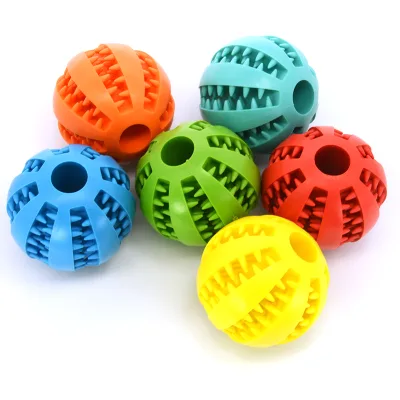


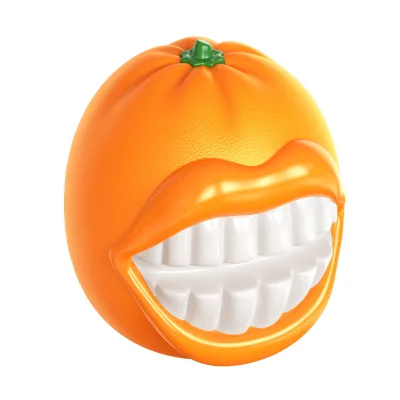


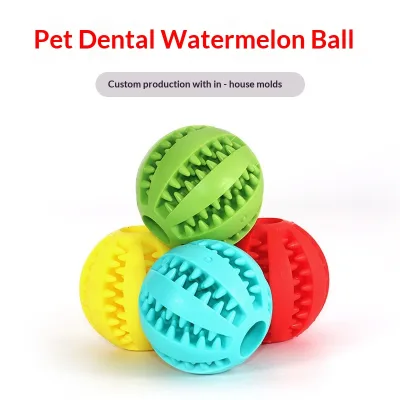


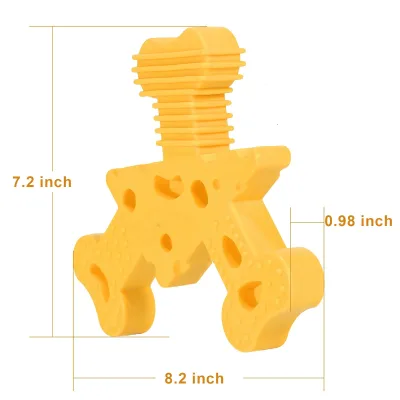


Pet Chew Toy, Soft Rubber Ball Dog Chew Toy for Small, Medium, and Large Dogs
$0.80 - $1.20
MOQ: 3000 Pieces

Comprehensive Sourcing Guide
Strategic Sourcing Guide for Watermelon Dog Chew Toys
Understanding Product Attributes and Material Composition
When sourcing a Watermelon Dog Chew Toy, the primary objective is to identify products that balance aesthetic appeal with functional durability. The market offers a diverse array of options, ranging from simple rubber molds to complex plush constructions. A critical observation in the current supply landscape is the variation in material composition. Buyers must distinguish between rubber-based options and those utilizing plush or stuffed materials, as these dictate the intended use case and safety profile.
Evidence from available product listings indicates that rubber is a primary material for certain models, such as those designated with model identifiers like CCG-PT23 and CCG-PT55. These items often feature specific dimensions, such as a standard size of 52cm or compact packaging dimensions of 5.6 * 5.6 * 14.7cm. The rubber material suggests a focus on durability and resistance to tearing, which is essential for aggressive chewers. In contrast, other product lines, such as those under the ZXY series (e.g., ZXY-0220, ZXY-0215), utilize plastic or plush and stuffed materials. These items, often categorized specifically as "Pet Toy," may prioritize softness and sensory engagement over heavy-duty chewing resistance.
The color palette is another defining attribute. Successful watermelon-themed toys typically utilize a combination of green, orange, and yellow to mimic the fruit's exterior and interior. This visual cue is not merely aesthetic; it serves as a marketing differentiator that appeals to pet owners seeking recognizable designs. However, the presence of these colors does not guarantee the same material properties across all listings. A buyer must verify that the green and orange hues are achieved through non-toxic dyes, particularly when the product is intended for oral contact with animals.
Furthermore, the customization landscape for these toys is bifurcated. Some suppliers offer "Customized" options with logo printing capabilities, while others provide "Non-Customized" items with "Without Logo Printing." This distinction is vital for brands looking to white-label products versus those seeking off-the-shelf inventory. The availability of customization extends to packaging, with options ranging from simple polybags to standard cartons or custom-sized boxes. Understanding these material and customization variables is the first step in narrowing down the supplier pool to those capable of meeting specific brand requirements.
Technical Specifications and Dimensional Standards
Technical specifications form the backbone of any procurement decision, ensuring that the physical product aligns with the intended distribution channel and consumer expectations. For watermelon dog chew toys, dimensions are not arbitrary; they correlate directly with the target dog size and the toy's functional purpose. The supplied data reveals a wide spectrum of standard sizes, ranging from compact units like 755cm to larger, more substantial items measuring 23155cm or even 52cm in length.
When evaluating technical specs, buyers should look for consistency between the product model and its stated standard. For instance, the ZXY-0222 model is associated with a standard size of 71420cm, while the ZXY-0229 is listed at 755cm. These variations suggest a tiered product line designed for different dog breeds or chewing behaviors. Smaller dimensions may be suitable for puppies or small breeds, whereas larger dimensions cater to medium to large dogs. The "Customized size" attribute found in models like YD-Q358 offers flexibility for buyers with unique requirements, allowing for tailored dimensions that fit specific niche markets.
Packaging specifications are equally critical for logistics and shelf presentation. The data indicates that packing methods vary significantly, from "Polybag" to "Carton Box" and "Standard" packaging. The choice of packaging impacts the unit's protection during transit and its presentation in retail environments. For example, the YD-L530 model utilizes a carton box, which may offer superior protection for heavier or more fragile items compared to a simple polybag. Additionally, the "Carton Size" being listed as "Customized" for certain plush items highlights the need for buyers to coordinate packaging dimensions with their freight forwarders to optimize container space and reduce shipping costs.
Transportation requirements also influence the selection of technical specifications. Models that support "Sea/Air/FedEx/UPS" transport indicate a readiness for global distribution. However, the physical robustness of the toy must withstand the rigors of these shipping methods. A toy that is too fragile may suffer damage during sea freight, while one that is too heavy may incur excessive air freight costs. Buyers must cross-reference the product's weight and dimensions with the supplier's stated transport capabilities to ensure a seamless supply chain.
Compliance, Certification, and Safety Verification
In the pet toy industry, compliance and certification are not optional; they are fundamental prerequisites for market entry and consumer trust. The safety of the animal is paramount, and regulatory bodies in various regions enforce strict standards regarding materials, chemical content, and manufacturing processes. The available product data highlights several key certifications that buyers should prioritize when vetting suppliers.
Certifications such as CE, RoHS, CCC, and ISO appear in the listings, serving as indicators of adherence to specific safety and quality standards. The CE mark suggests compliance with European health, safety, and environmental protection standards, which is crucial for selling in the EU market. RoHS (Restriction of Hazardous Substances) certification ensures that the product does not contain specific hazardous materials, a critical factor for toys that may be chewed or ingested. The presence of both CCC (China Compulsory Certification) and ISO certifications in certain listings indicates a high level of regulatory adherence, particularly for products manufactured in China.
However, the presence of a certification label on a product listing does not automatically guarantee that every unit in a batch is certified. Buyers must treat these attributes as observations of the supplier's capabilities rather than absolute guarantees for every item. It is essential to request valid, up-to-date certification documents directly from the supplier. These documents should be traceable to the specific production batch or model number. For instance, if a supplier claims RoHS compliance for a rubber watermelon toy, the buyer should verify that the testing was conducted on the specific rubber compound used, not just a generic sample.
Furthermore, the distinction between "Customized" and "Non-Customized" products can impact compliance. Customized items, especially those with logo printing or unique packaging, may require additional safety testing to ensure that the added materials (inks, adhesives, packaging) do not introduce new hazards. Buyers should ensure that the supplier has a robust quality control process that includes testing for these custom elements. The "Sample Time" of 5-7 days mentioned in the data suggests that suppliers are capable of producing samples for testing, which is a positive indicator for verifying compliance before committing to a large order.
Cost Drivers and Pricing Dynamics
Understanding the cost drivers for watermelon dog chew toys is essential for developing a competitive procurement strategy. The observed price range in the market spans from $0.01 to $8.10, a wide variance that reflects differences in material quality, production complexity, and order volume. Several factors contribute to this pricing spectrum, and buyers must analyze each to determine the true cost of ownership.
Material cost is a primary driver. Rubber-based toys, often associated with higher durability, may command a higher price point compared to plush or plastic alternatives. The complexity of the molding process for rubber items, which must accurately replicate the watermelon shape and texture, can also influence costs. Conversely, plush toys may have lower material costs but higher labor costs due to the assembly and stuffing processes. The "Customized" attribute often adds a premium, as it involves additional setup costs for molds, printing plates, and packaging design.
Order volume plays a significant role in pricing. The Minimum Order Quantity (MOQ) varies widely, ranging from 10 pieces to 3000 pieces. Suppliers typically offer tiered pricing structures where the unit cost decreases as the order volume increases. For example, an MOQ of 10 pieces might result in a higher per-unit cost compared to an order of 500 pieces per color. Buyers must balance the need for inventory with the cash flow implications of large MOQs. The "500PCS/Color" requirement for certain plush items suggests that color-specific customization can increase the effective MOQ, impacting the total investment required.
Logistics and trade terms also affect the final landed cost. The availability of trade terms such as FOB, DDP, CIF, and EXW allows buyers to choose the level of control and risk they are willing to assume. FOB (Free on Board) places the responsibility for freight and insurance on the buyer after the goods leave the port, while DDP (Delivered Duty Paid) includes all costs up to the buyer's doorstep. The choice of trade term can significantly alter the total cost, especially when considering fluctuating freight rates and customs duties. Additionally, the "Production Time" of 30-50 days for custom orders must be factored into the overall cost, as longer lead times may necessitate higher inventory holding costs or expedited shipping fees to meet demand.
Supplier Evaluation and Operational Capabilities
Selecting the right supplier requires a comprehensive evaluation of their operational capabilities, reliability, and alignment with the buyer's specific needs. The data provides several indicators of supplier performance, including location, production capacity, and flexibility. The origin of the products is predominantly China, with specific mentions of Ningbo as a production hub. This geographic concentration suggests a mature supply chain ecosystem with access to raw materials and specialized manufacturing expertise.
When evaluating suppliers, buyers should assess their customization capabilities. The "Accept" status for ODM (Original Design Manufacturing) and OEM (Original Equipment Manufacturing) indicates that suppliers are willing to collaborate on product development. This is particularly important for brands seeking unique watermelon designs or specific branding elements. The ability to offer "Customized" packaging and logo printing further demonstrates a supplier's flexibility. However, buyers must verify the supplier's capacity to handle these customizations without compromising quality or lead times.
Lead time consistency is another critical factor. The data mentions a "Sample Time" of 5-7 days and a "Production Time" of 30-50 days. These timelines should be treated as benchmarks rather than guarantees. Buyers should establish clear communication channels to monitor progress and ensure that the supplier can meet the agreed-upon deadlines. Delays in production can disrupt the supply chain, leading to stockouts and lost sales opportunities. Suppliers with a track record of meeting production timelines are preferable, especially for time-sensitive campaigns or seasonal launches.
Inventory management is also a key consideration. The "In Stock: Yes" attribute for certain models suggests that some suppliers maintain a ready inventory of standard items. This can be advantageous for buyers looking to place small, immediate orders without waiting for production. However, for custom orders, the reliance on production time means that inventory planning must be more rigorous. Buyers should work with suppliers to establish a forecast-based ordering system that aligns with production cycles and minimizes the risk of stockouts.
Quality Control and Long-Term Procurement Strategy
Ensuring consistent quality is the cornerstone of a successful procurement strategy for watermelon dog chew toys. Given the direct contact these products have with animals, quality control measures must be rigorous and comprehensive. Buyers should implement a multi-stage quality assurance process that includes pre-production sampling, in-process inspection, and final random inspection.
The "Sample Time" of 5-7 days provides an opportunity for buyers to evaluate the physical attributes of the product before mass production begins. During this phase, buyers should verify the material composition, color accuracy, and dimensional specifications against the agreed-upon standards. Any discrepancies identified at this stage can be corrected before the full production run, saving time and resources. For custom items, the sample should also be tested for durability and safety to ensure it meets the required performance standards.
In-process inspection is crucial for maintaining quality during production. Buyers should request regular updates from the supplier, including photos or videos of the production line. This transparency allows for early detection of potential issues, such as inconsistent coloring or defective molding. For rubber toys, checking for flash or uneven surfaces is essential, while for plush toys, inspecting the stitching and stuffing density is vital.
Long-term procurement considerations involve building a sustainable relationship with the supplier. This includes negotiating favorable terms for future orders, establishing a clear communication protocol, and setting expectations for continuous improvement. The "Trade Term" flexibility offered by suppliers, such as Fob/DDP/CIF/EXW, can be leveraged to optimize logistics and reduce costs over time. Additionally, buyers should consider the environmental impact of their procurement decisions, seeking suppliers who adhere to sustainable practices and use eco-friendly materials where possible.
By focusing on these strategic elements, buyers can navigate the complexities of the Watermelon Dog Chew Toy market with confidence. The combination of rigorous quality control, careful supplier evaluation, and a clear understanding of cost drivers will enable the development of a resilient and profitable supply chain.
FAQs
What materials are used for watermelon dog chew toys?
Watermelon dog chew toys are primarily made from rubber, plastic, or plush and stuffed materials. Rubber options like model CCG-PT23 offer durability for aggressive chewers, while plush items provide softness for sensory engagement. Buyers must verify material safety for oral contact.
Which certifications ensure safety for these pet toys?
Relevant certifications include CE, RoHS, CCC, and ISO, which indicate compliance with safety and environmental standards. CE marks suggest European compliance, while RoHS ensures no hazardous substances. Buyers should request valid documents for specific production batches to verify actual product safety.
How does customization affect the minimum order quantity?
Customization options like logo printing or packaging can increase the minimum order quantity requirements. Some suppliers require 500 pieces per color for customized plush items, while others accept orders as low as 10 pieces for non-customized stock. Buyers must confirm specific MOQs before placing orders.
What are the standard dimensions for these toys?
Dimensions vary significantly, ranging from compact sizes like 7*5*5cm to larger units measuring 23*15*5cm or 52cm in length. Specific models like ZXY-0222 have a standard size of 7*14*20cm. Buyers should select dimensions based on the target dog breed and intended chewing behavior.
Can suppliers provide samples before bulk production?
Yes, suppliers typically offer samples with a production time of 5 to 7 days. This allows buyers to verify quality, compliance, and customization details before committing to large orders. The sample time is a positive indicator for verifying product attributes prior to full-scale manufacturing.
Which trade terms are available for shipping these toys?
Available trade terms include FOB, DDP, CIF, and EXW, allowing buyers to choose their level of risk and cost control. FOB places freight responsibility on the buyer after the port, while DDP covers all costs up to the destination. Buyers must factor these terms into their total landed cost calculations.