Source Chrome Alloy Tire Valve Cap for Cars, Trucks, and Motorcycles
Compare 30 listings for Chrome Alloy Tire Valve Cap options from verified suppliers. Buyers can evaluate materials like brass and aluminum, colors, and packaging details to find suitable automotive spare parts for various vehicle types; compare the available evidence and request quotations based on your requirements.
Key considerations
Products List




Comprehensive Sourcing Guide
Chrome Alloy Tire Valve Cap Sourcing Guide
Buyers evaluating chrome alloy tire valve caps must first distinguish between the specific material compositions observed in current listings, as the term "chrome" often describes a plating finish rather than the base metal. The available data indicates a mix of brass, aluminum alloy, and ABS plastic substrates, all potentially finished with chrome plating or nickel plating to achieve the desired aesthetic. This distinction is critical because the base material dictates the corrosion resistance and structural integrity required for specific vehicle environments, particularly in regions with high road salt exposure or extreme temperature fluctuations.
Procurement decisions should also account for the diverse packaging and unit configurations found in the market, which range from bulk bags of 100 pieces to specialized snake leather bags for premium presentation. The observed selling units often require multiples of 100, yet some suppliers list minimum order quantities as low as a single piece, creating a significant variance in entry costs for small-scale buyers. Understanding these packaging norms is essential for accurate logistics planning, as the gross weight per batch and package dimensions directly influence shipping costs and storage requirements for the final destination.
Product Scope and Observed Listing Signals
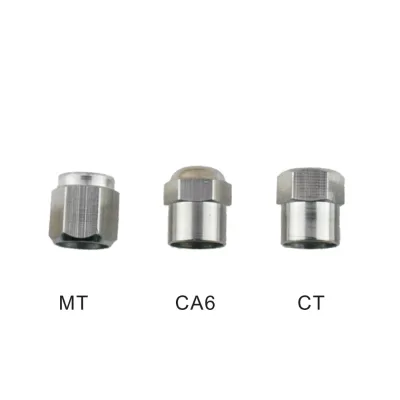
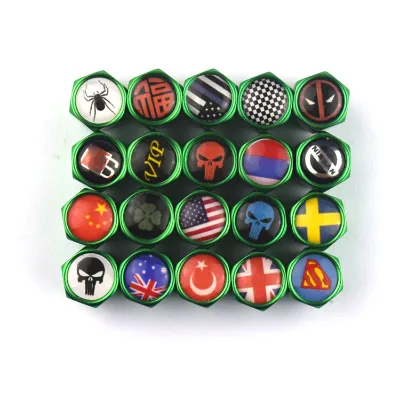
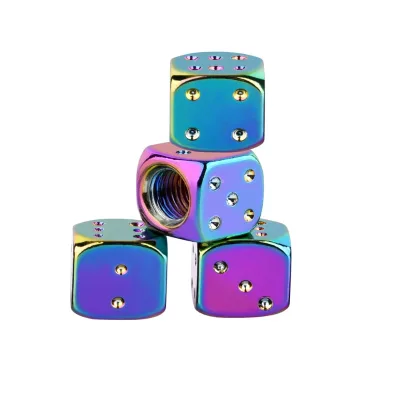
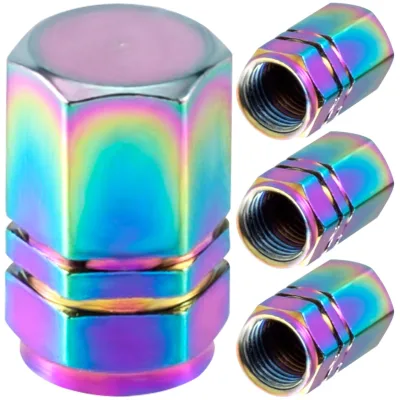
The product scope for chrome alloy tire valve caps encompasses a wide array of styles, including solid tire caps, rainbow color dice designs, and standard universal fitments for automotive parts. Listings frequently highlight customization availability, allowing buyers to select from multiple colors such as black, grey, green, and various shades of blue, alongside specific model numbers like MT, CA6, and CT. This variety suggests a mature supply chain capable of supporting both generic replacement needs and specialized retrofit or upgrade projects for vehicle owners seeking aesthetic enhancements.
Buyers must carefully verify the stated application details, as some products are explicitly labeled for solid tires while others are designed for standard pneumatic tires with universal OE compatibility. The observed product attributes indicate that these caps serve both functional purposes, such as protecting valve stems from dirt and moisture, and decorative roles, with some featuring intricate designs like dice patterns. It is vital to confirm that the specific model number and dimension specifications align with the vehicle's valve stem type to ensure a secure fit that prevents air leakage or cap loss during operation.
Technical Specifications to Verify
Technical verification begins with confirming the precise dimensional standards, as the observed data includes specific measurements like 12.10mm by 16.8mm and 12mm by 13mm, alongside internal dimensions adhering to the 8V1 US standard. Buyers should request detailed dimension sheets for each batch to ensure compatibility with their specific fleet or vehicle models, as even minor deviations in height or diameter can prevent proper installation or cause the cap to fall off during driving. The standard 9.5mm by 11mm specification also appears in the data, necessitating a clear mapping of product models to their corresponding physical requirements before placing an order.
Material composition and weight are equally critical technical parameters that influence the longevity and performance of the valve caps. While some listings specify brass with nickel plating or aluminum alloy, others indicate ABS plastic, and the weight per unit varies from 2.5 grams to 3.3 grams depending on the construction. Procurement teams must validate that the material density and plating thickness meet the durability expectations for the intended use case, ensuring that the caps can withstand vibration, temperature changes, and exposure to road chemicals without degrading or losing their chrome finish over time.
Compliance and Safety Documentation
Although the provided facts do not list specific third-party certifications, buyers should insist on documentation confirming that the materials used comply with relevant automotive safety standards for tire components. The presence of a "Standard" designation in the product attributes suggests adherence to industry norms, but explicit verification of compliance with regulations regarding heavy metals in plating and material safety is necessary to avoid liability issues. This is particularly important for commercial fleets operating in regions with strict environmental and safety regulations regarding vehicle parts and emissions.
Documentation should also include proof of origin and manufacturing consistency, as the observed place of origin is Zhejiang, China, a major hub for automotive accessories. Buyers need to ensure that the supplier can provide traceability for the raw materials, such as the brass or aluminum alloy, to guarantee that the components are free from defects that could compromise tire pressure integrity. Requesting a certificate of analysis or a quality assurance report for the specific batch being purchased helps mitigate risks associated with inconsistent manufacturing processes or substandard plating quality.
Cost Drivers and Commercial Terms
Cost drivers for chrome alloy tire valve caps are heavily influenced by the base material, the complexity of the plating process, and the chosen packaging method. Listings show a wide range of packaging options, from simple bulk packing to elaborate snake leather bags, which significantly impact the unit price and the overall cost of goods sold. Buyers must analyze whether the premium packaging is necessary for their specific market segment, as the functional value of the cap remains constant regardless of whether it is sold in a bulk bag or a decorative container.
Commercial terms regarding minimum order quantities and selling units present another layer of complexity, with observed MOQs ranging from a single piece to one million units. The data indicates that many suppliers require orders in multiples of 100, which can create inventory challenges for small buyers, while others offer flexible single-piece orders for sampling or low-volume needs. Negotiating favorable terms requires a clear understanding of the supplier's production capacity and the buyer's volume requirements to balance the cost per unit against the total investment needed to secure the desired quantity.
Supplier Qualification and Quality Control
Supplier qualification should focus on verifying the consistency of their production processes, particularly regarding the plating quality and the accuracy of the dimensional specifications. The observed variation in materials, from brass to aluminum to ABS, indicates that suppliers may offer different product lines, and buyers must ensure that the specific line they are purchasing from maintains strict quality control standards. Requesting samples for physical inspection is a prudent step to verify the finish quality, weight consistency, and fitment accuracy before committing to a larger order.
Quality control protocols must also address the packaging integrity, as the data shows diverse packing methods including bulk bags, sliding card packs, and case packs. Buyers should assess the supplier's ability to protect the chrome finish during transit, ensuring that the caps do not scratch or tarnish before reaching the end user. Establishing a clear quality agreement that defines acceptable defect rates and specifies the packaging requirements for each order type helps maintain product standards and reduces the risk of receiving damaged or substandard goods.
Long-Term Procurement Checks
Long-term procurement success depends on establishing a reliable supply chain that can consistently deliver products matching the initial sample specifications over time. Buyers should implement a periodic review process to verify that the supplier continues to use the agreed-upon materials, such as brass or aluminum alloy, and maintains the specified plating thickness and color consistency. This ongoing monitoring is essential to prevent drift in product quality that could occur due to changes in raw material sourcing or manufacturing processes.
Additionally, buyers must monitor the supplier's ability to adapt to changing market demands, such as new color trends or updated vehicle valve stem standards. The observed customization availability suggests that suppliers are capable of adapting, but long-term partners should demonstrate a proactive approach to innovation and quality improvement. Regular communication regarding production updates, potential supply chain disruptions, and new product developments ensures that the procurement strategy remains aligned with the evolving needs of the automotive aftermarket.
FAQs
What materials are used for chrome tire valve caps?
Chrome tire valve caps are commonly made from brass or aluminum alloy. Some products feature nickel plating for enhanced durability and shine. The material choice affects weight and corrosion resistance, with brass options weighing around 0.45 kg per batch and aluminum variants being lighter at approximately 2.5 grams per unit.
Which model numbers are available for these valve caps?
Available model numbers include MT, CA6, CT, AV03, BV02, and PV01. These models correspond to different specifications such as standard dimensions or unique designs like rainbow color dice. Buyers can select specific models based on their vehicle requirements or aesthetic preferences for automotive parts.
Can I customize the color of the valve caps?
Yes, customization is available for many colors including black, grey, green, dark blue, light blue, and red. Some listings offer multiple color choices to suit different vehicle styles. Buyers should verify specific color availability with the supplier as options may vary by model and batch.
How are the valve caps packaged for shipment?
Packaging options include bulk packing, sliding card packing, and bag packing. Common configurations are 100 pieces per bag or 4 pieces per bag. Some suppliers use snake leather bags for larger orders, ensuring the caps remain protected during transit while maintaining their chrome finish.
What is the minimum order quantity for these caps?
The minimum order quantity can range from 1 piece to 1,000,000 pieces depending on the supplier. Some vendors accept orders as low as one piece, while others require multiples of 100. Buyers should check specific supplier terms as MOQs vary significantly across different product listings and material types.
Where are these valve caps manufactured?
These valve caps are primarily manufactured in Zhejiang, China. The place of origin is consistently listed as China for most products. This location is a major hub for automotive parts production, offering a wide range of specifications and materials for international buyers seeking chrome alloy tire valve caps.
Are these valve caps suitable for universal fitment?
Yes, many valve caps are designed with universal fitment for standard tire valves. Specifications often indicate an inside dimension of 8V1, which is the US standard. This ensures compatibility with a wide range of vehicles without requiring specific modifications or adapters for installation.