Source Chrome Steel Eccentric Bearing for Elevators and Machinery
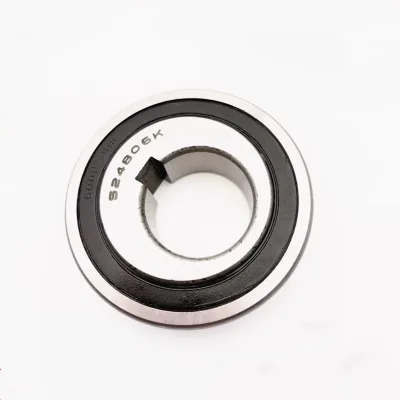
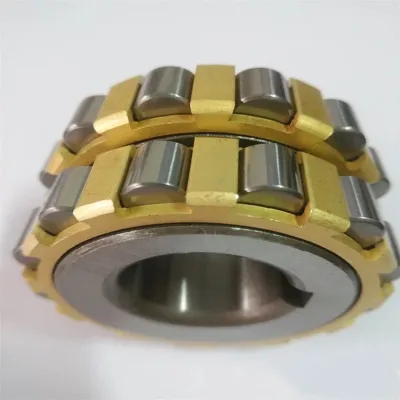
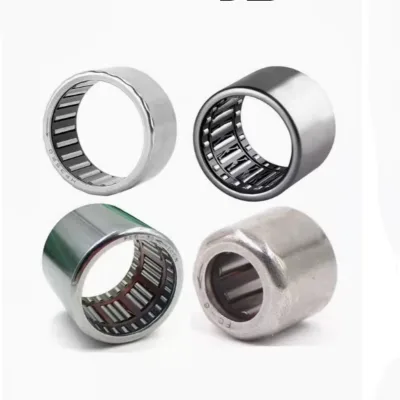
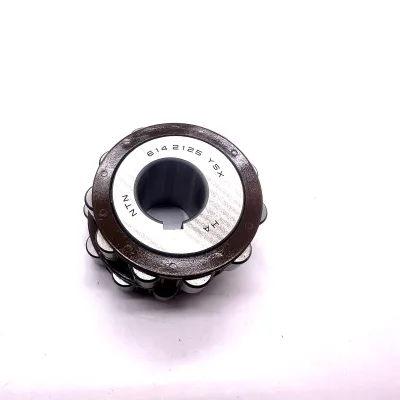
Find 30 Chrome Steel Eccentric Bearing options from China, Japan, and Sweden. Compare models like 22208CAK and 130752904, featuring Gcr15 material, ABEC-1 to P6 tolerances, and OEM support for elevators and potato machines; compare the available evidence and request quotations based on your requirements.
Updated
Key considerations
Products List







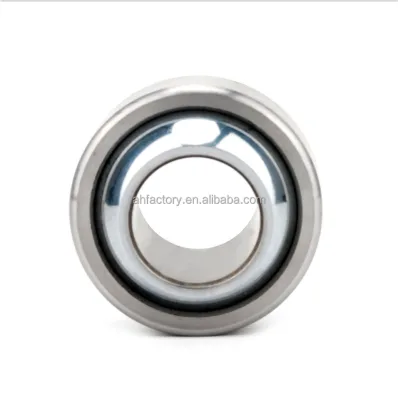

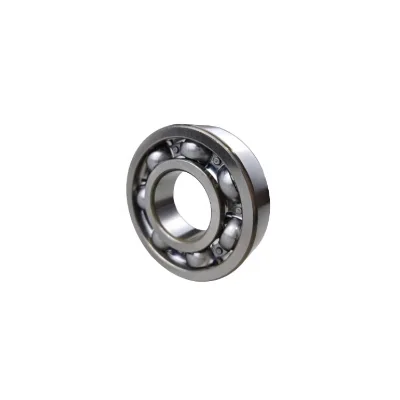
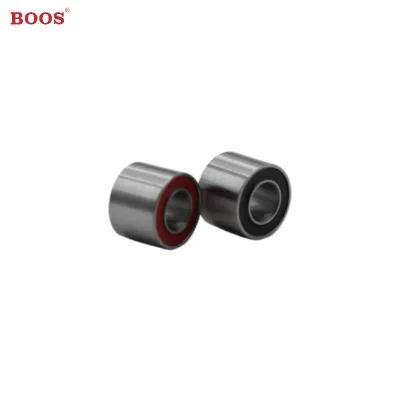
Comprehensive Sourcing Guide
Chrome Steel Eccentric Bearing Sourcing Guide
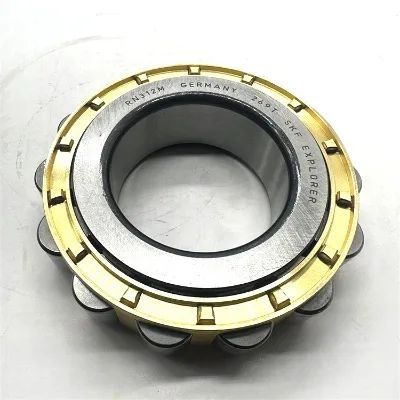
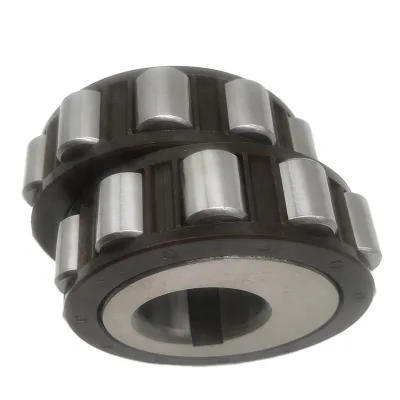
Procuring chrome steel eccentric bearings requires a disciplined approach to verifying material integrity and dimensional precision, as these components are critical for maintaining alignment in high-load machinery. Buyers must prioritize suppliers who explicitly confirm the use of Gcr15 bearing steel, a standard high-carbon chromium alloy known for its exceptional hardness and fatigue resistance. The observed market data indicates that reputable manufacturers typically achieve a hardness range of HRC62-65, ensuring the bearing can withstand significant axial loads without premature deformation. This material specification is non-negotiable for applications involving elevators, potato machines, or garlic processing equipment, where consistent performance under stress is vital.
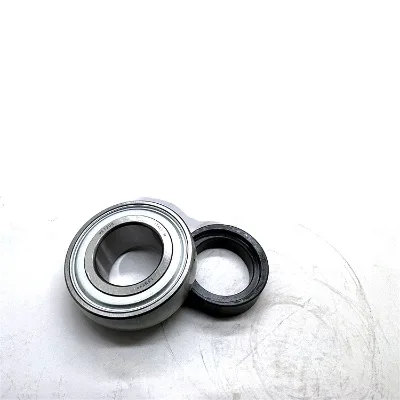
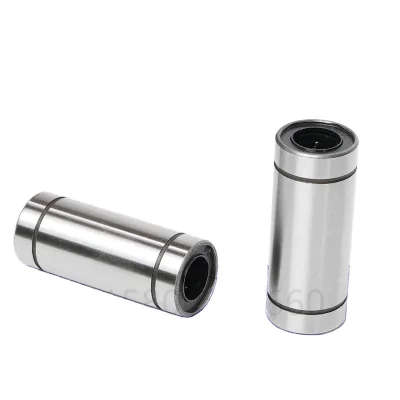
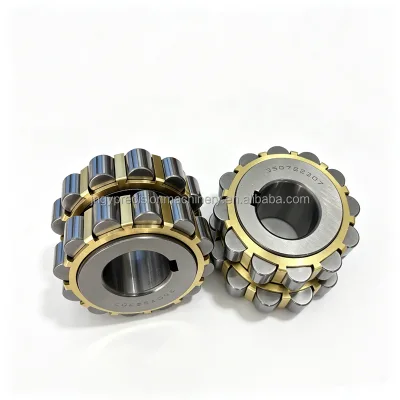
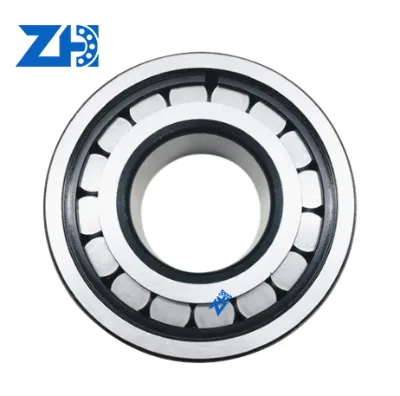
Beyond material composition, the structural design of the eccentric bearing must align with specific operational requirements, particularly regarding row configuration and load direction. The available product listings suggest a focus on single-row roller bearings with axial load capabilities, which differ significantly from standard radial ball bearings. Sourcing teams should verify whether the selected model supports non-aligning or spherical configurations, as this dictates the bearing's ability to accommodate shaft misalignment. Understanding these mechanical distinctions prevents costly installation errors and ensures that the chosen component integrates seamlessly with existing machinery frameworks, thereby minimizing downtime and maintenance frequency.
Product Scope and Observed Listing Signals
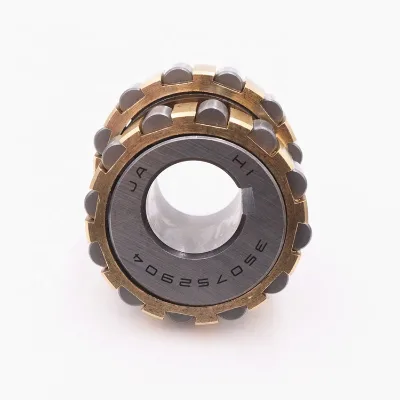
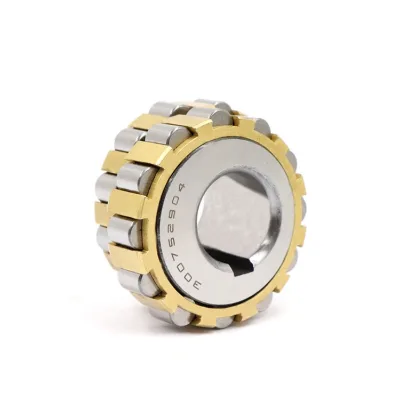
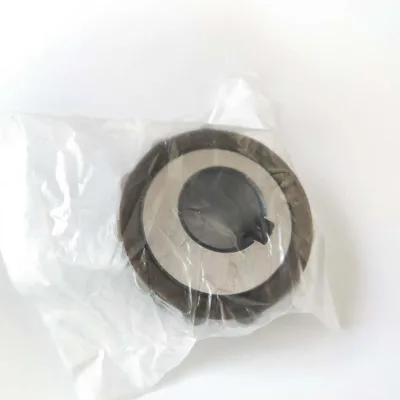
The current market landscape for chrome steel eccentric bearings reveals a diverse range of model numbers and packaging standards, reflecting varied supplier capabilities and target industries. Observed listings include specific model identifiers such as 22208CAK, 22215, and 22216, alongside other series like 130752904 and 350752904, indicating a broad inventory that caters to different bore sizes and outer dimensions. Buyers should note that outer dimensions often fall within the small to medium-sized range, specifically between 60-115mm, with some specific units measuring 53.5mm in outside diameter. This variability necessitates careful cross-referencing of technical drawings with supplier catalogs to ensure exact fitment for the intended application.
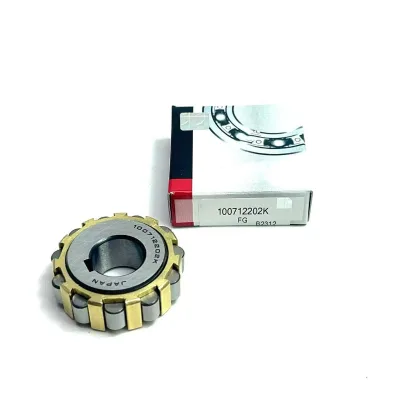
Packaging and origin details provide additional signals regarding supplier professionalism and logistical readiness. Products are frequently described as being packed in plastic bags, color boxes, cartons, and plywood pallets, or alternatively in single boxes with outer cartons, suggesting a tiered approach to protection based on order volume. The stated origins include China, Japan, and Sweden, with specific mentions of Shandong and Guangdong provinces in China, highlighting the geographic concentration of manufacturing hubs. These details help buyers assess the reliability of supply chains and anticipate potential shipping complexities, while also offering insights into the potential quality tiers associated with different manufacturing regions.
Technical Specifications to Verify
Dimensional accuracy and tolerance levels are paramount when sourcing eccentric bearings, as even minor deviations can lead to catastrophic machinery failure. Buyers must verify that the supplier adheres to recognized precision ratings, with observed data indicating compliance with ABEC-1, ABEC-2, P0, P6, and P5 standards. These ratings define the allowable deviation in bore diameter, outer diameter, and width, directly impacting the bearing's fit and rotational accuracy. It is essential to request detailed dimensional certificates for each batch, ensuring that the specified bore size, such as 22mm, and outside diameter, such as 53.5mm, fall strictly within the agreed-upon tolerance bands.
Lubrication and vibration characteristics further define the operational lifespan and noise profile of the eccentric bearing. Suppliers should confirm whether the bearings are pre-lubricated with oil or grease, or if they are supplied in an open configuration requiring field lubrication. Vibration grades, ranging from V1 to V4 or EMQ classifications, serve as critical indicators of manufacturing quality and surface finish integrity. High-precision applications demand lower vibration grades to ensure smooth operation and reduced wear on adjacent components. Verifying these specifications during the quotation phase prevents unexpected performance issues and ensures the bearing meets the specific acoustic and mechanical demands of the end-use environment.
Compliance and Safety Documentation
While specific certification statuses may vary, buyers should insist on documentation that verifies the supplier's adherence to international quality management systems. The presence of ISO 9001:2015 certification, as noted in background contexts, suggests a structured approach to quality control and continuous improvement, which is crucial for consistent bearing performance. Procurement teams should request valid certificates and ensure they are current, as this demonstrates the supplier's commitment to standardized manufacturing processes. Additionally, material test reports confirming the Gcr15 steel composition and hardness levels provide tangible evidence of product integrity, reducing the risk of receiving substandard materials.
Safety and environmental compliance are equally important, particularly for bearings used in food processing or public infrastructure applications. Buyers must verify that any lubricants or packaging materials used are compliant with relevant regional regulations, such as REACH in Europe or FDA guidelines for indirect food contact if applicable. Although the bearings themselves are industrial components, the overall supply chain must adhere to strict safety protocols to prevent contamination or regulatory violations. Requesting a declaration of conformity and ensuring that the supplier maintains a transparent audit trail helps mitigate legal and reputational risks associated with non-compliant products.
Cost Drivers and Commercial Terms
Pricing for chrome steel eccentric bearings is influenced by material costs, precision levels, and order volume, with observed ranges spanning from $0.01 to $100 per unit. Buyers should analyze these prices in the context of the specified tolerance and vibration grades, as higher precision commands a premium. Minimum order quantities (MOQs) typically range from 1 to 500 pieces, with some suppliers accepting small orders to facilitate testing or low-volume production runs. Understanding these commercial terms allows procurement teams to negotiate favorable pricing structures and align order sizes with inventory management strategies, avoiding excessive stockpiling or production delays.
Delivery times and payment terms are critical components of the commercial agreement, impacting cash flow and operational continuity. Standard lead times are often cited as 30 days, though some suppliers offer prompt delivery for stock items or smaller orders. Buyers should clarify whether these timelines include manufacturing, quality inspection, and shipping, and negotiate clear penalties for delays to protect against supply chain disruptions. Additionally, confirming the availability of OEM services and customization options can provide long-term value, allowing for tailored solutions that meet specific machinery requirements without compromising on cost or quality.
Supplier Qualification and Quality Control
Evaluating supplier qualifications requires a thorough assessment of their manufacturing capabilities, quality control processes, and after-sales support. Buyers should verify the supplier's experience in producing eccentric bearings and their ability to handle OEM and ODM requests, as indicated by the available service offerings. Requesting references from existing clients in similar industries, such as machinery repair, energy, or mining, can provide insights into the supplier's reliability and product performance under real-world conditions. A robust quality control system, including in-process inspections and final testing, is essential to ensure that every bearing meets the specified technical standards before shipment.
After-sales service and warranty policies are key indicators of a supplier's confidence in their products and their commitment to customer satisfaction. Buyers should inquire about the supplier's response time to technical inquiries, their ability to provide replacement parts, and their procedures for handling defective items. A supplier that offers continuous support and maintains a good reputation for service is more likely to resolve issues promptly, minimizing downtime for the buyer. Establishing a clear communication channel and defining expectations for support ensures a smooth partnership and fosters long-term trust between the buyer and the supplier.
Long-Term Procurement Checks
Establishing a long-term procurement strategy for chrome steel eccentric bearings involves regular performance monitoring and periodic supplier audits. Buyers should track key performance indicators such as defect rates, delivery punctuality, and responsiveness to technical issues to identify potential problems early. Conducting annual audits of the supplier's quality management system and manufacturing facilities ensures that they continue to meet the required standards and adapt to any changes in industry regulations or technology. This proactive approach helps maintain a high level of supply chain resilience and ensures that the bearings continue to perform reliably in critical applications.
Continuous improvement and innovation should be encouraged through regular feedback loops and collaborative discussions with the supplier. Buyers can share field data on bearing performance, wear patterns, and failure modes to help the supplier refine their manufacturing processes and product designs. Exploring opportunities for customization, such as specific lubrication types or seal configurations, can further enhance the bearing's suitability for unique applications. By fostering a collaborative relationship, buyers can secure a competitive advantage through access to superior products and services, ultimately driving efficiency and reliability in their own operations.
FAQs
What materials are used for these eccentric bearings?
These bearings are manufactured from high-quality bearing steel, specifically Gcr15, ensuring durability and resistance to wear. The components undergo heat treatment to achieve a hardness of HRC62-65. This material selection supports long life cycles and stable performance in demanding industrial applications like elevators and potato machines.
What are the available tolerance and precision ratings?
The products offer precision ratings including ABEC-1, ABEC-2, P0, P6, and P5. These standards ensure consistent dimensional accuracy for various mechanical assemblies. Buyers can select specific tolerance levels based on their equipment requirements, with options ranging from standard to higher precision classes for specialized industrial machinery.
Can I request custom packaging for bulk orders?
Yes, customization is available for packaging needs. Standard options include plastic bags, color boxes, cartons, and plywood pallets. Alternative packing methods like single boxes with outer cartons are also supported. This flexibility helps protect the bearings during transit and meets specific logistical or branding requirements for international shipments.
What is the typical delivery time for orders?
The standard delivery time is approximately 30 days after order confirmation. Suppliers emphasize prompt and quick processing to meet production schedules. This lead time applies to most standard models, though expedited options may be discussed directly with manufacturers. Buyers should plan inventory accordingly to align with these production cycles.
Which industries can these bearings be applied to?
These bearings are suitable for machinery repair shops, retail, energy, and mining sectors. Specific applications include elevators, potato machines, and garlic processing equipment. The robust design handles axial loads and supports high-speed operations, making them versatile for various mechanical systems requiring reliable rotational support and low noise performance.
What lubrication options are supported for these bearings?
The bearings support both oil and grease lubrication methods. This versatility allows users to choose the best maintenance strategy for their operating environment. Proper lubrication extends the service life and reduces friction. The open seal type design facilitates easy application of lubricants, ensuring smooth operation and reduced wear over time.