Source Cigarette Ashtray for Home Car Hotel Uses
Find 30 options for Cigarette Ashtray made from ceramic, glass, and wood. Buyers can compare sizes, shapes, and customization features from suppliers in China.
Key considerations
Products List

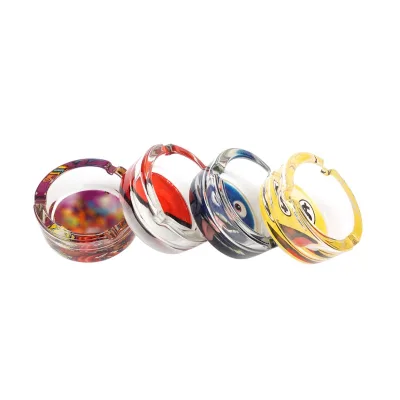
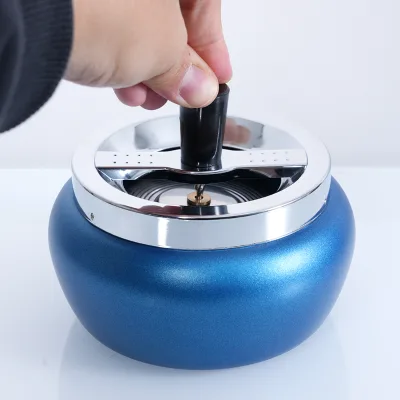
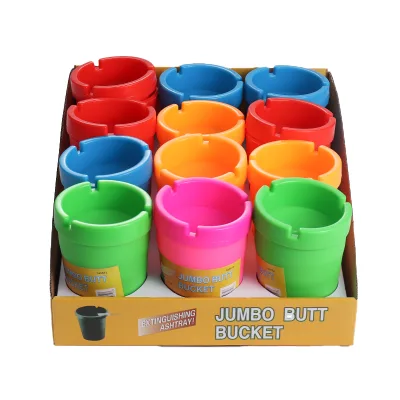

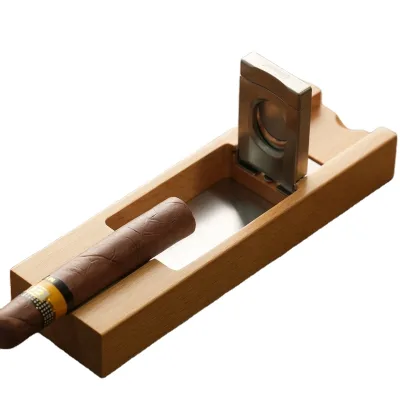
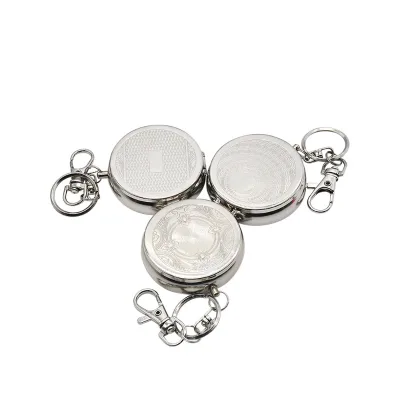
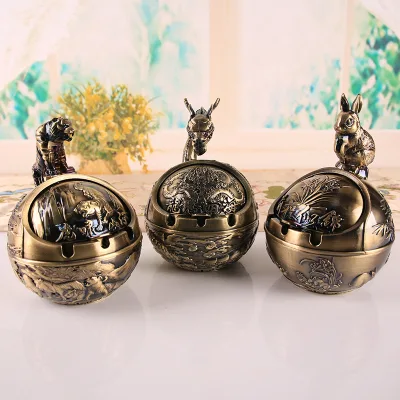


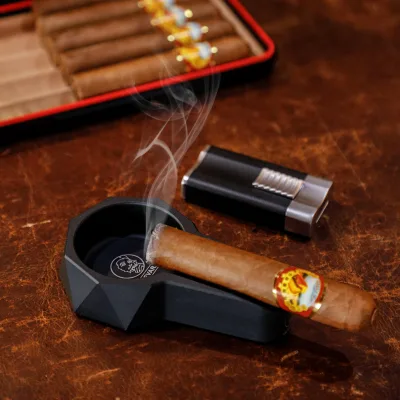
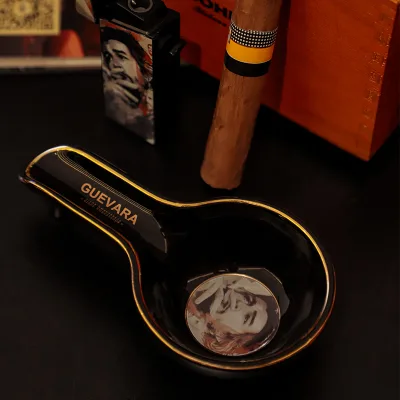
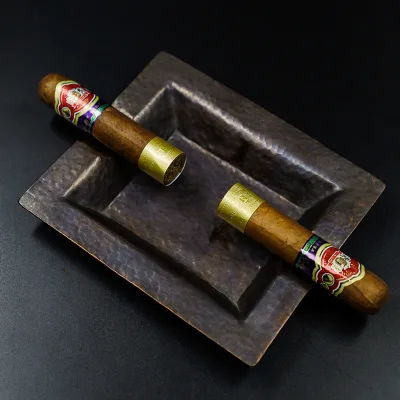
Top Quality Retro Outdoor Custom Pure Copper Cigar Ashtray New Arriavles
$25.53 - $45.96
MOQ: 10 Minimum


Comprehensive Sourcing Guide
Strategic Sourcing Guide for Cigarette Ashtrays
The global market for cigarette ashtrays presents a diverse landscape for B2B procurement, ranging from mass-produced ceramic units to specialized portable glass and wood-glass hybrids. For buyers initiating a sourcing strategy, the primary challenge lies in navigating a fragmented supply chain where product attributes vary significantly by material, origin, and intended application. This guide synthesizes observed market data to provide a structured approach for evaluating suppliers, verifying technical specifications, and ensuring procurement alignment with operational needs. The focus remains on evidence-based decision-making, utilizing observed product attributes to inform category knowledge without extrapolating unverified claims.
Material Composition and Technical Specifications
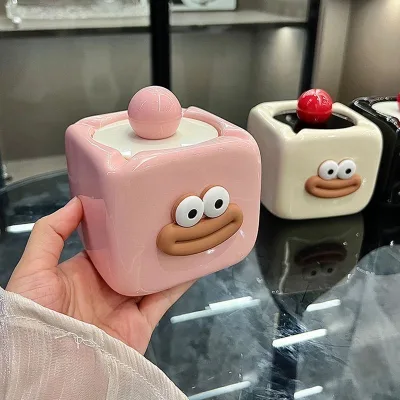
The foundational decision in sourcing ashtrays is the selection of material, which dictates durability, aesthetic appeal, and cost structure. Observed market data reveals three dominant material categories: ceramic porcelain, glass, and composite materials such as wood combined with glass. Ceramic products, often originating from Shandong, China, are characterized by a "Cute" design style and a "Square" or "Round" shape. These units typically feature a single gross weight of 2.000 kg for a package size of 10x9x10.5 cm, indicating a substantial, heavy-duty build suitable for stationary use in hotels or homes. The material is explicitly identified as "Ceramic Porcelain," offering a matte finishing process that enhances grip and visual texture.
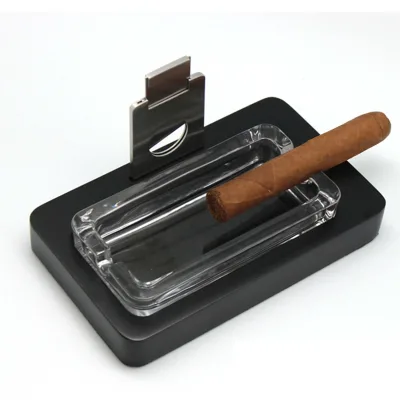
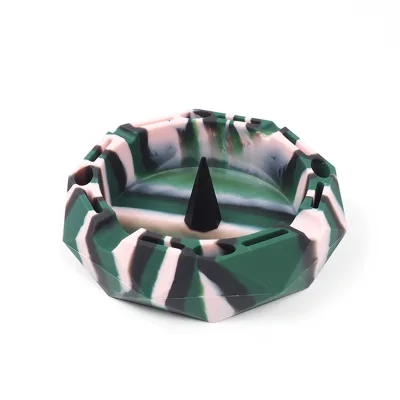
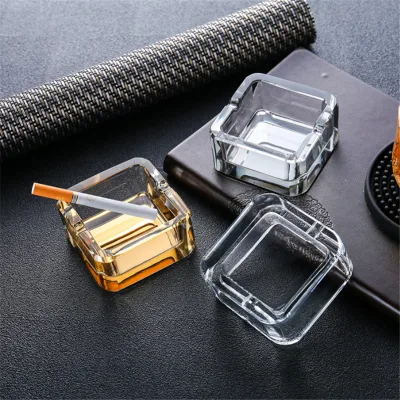
In contrast, the glass and composite segment offers a lighter, more portable alternative. Products in this category, often sourced from Guangdong, China, utilize "Wood+glass" or pure "Glass" materials. A specific observation notes a "Crystal glass ashtray" with a "rectangle" shape and a single gross weight of 1.5 kg, packaged in a paper box. Another variant combines wood and glass, featuring a "stainless steel cutter" as an accessory, which suggests a premium positioning for cigar enthusiasts. The weight variance between the ceramic (2.000 kg) and glass (1.5 kg) units highlights the density differences buyers must account for in logistics planning. Furthermore, the "Silicone ashtray" category, while listed with a specific product name, lacks detailed material composition in the provided data, requiring buyers to request specific chemical safety data sheets to verify heat resistance and toxicity levels.
Design Variations and Functional Applications
Design and application are inextricably linked in the ashtray market. The data indicates a clear segmentation between "Smokeless" types and those designed for "Smoke Cigarettes" or "Storing ash." The "Smokeless" attribute suggests a specific functional design, possibly involving containment mechanisms or odor control, though the exact mechanism is not detailed in the source facts. Buyers must verify if this term refers to a non-combustible design or a specific containment feature.
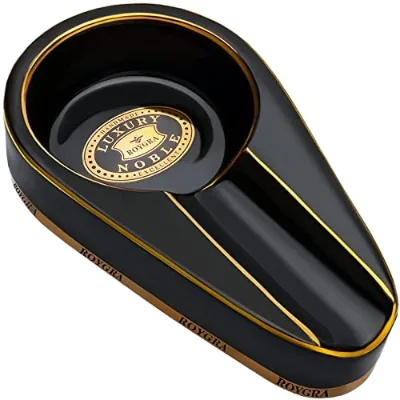
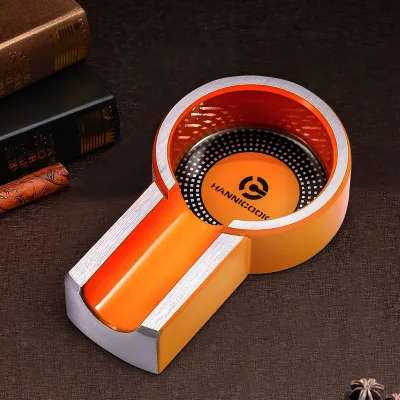
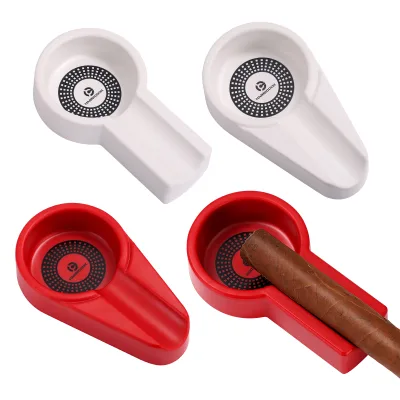
Applications are equally diverse, ranging from "Home, Car, Hotel" environments to "glass ashtray wholesale" scenarios. The "Portable cigar ashtray" is explicitly marketed for mobile use, with dimensions of 12x6.8x2.5 cm, making it suitable for personal carry. Conversely, the "Ceramic ashtray" with a single package size of 20x15x15 cm is better suited for fixed locations. The "Design" attribute frequently notes "Customized Designs," allowing buyers to tailor the product to specific branding needs. Color options observed include "White, Light Yellow, Black," with some models offering a "Classic" or "American style" aesthetic. The "Square" shape is prevalent in ceramic lines, while "Round" and "Rectangle" shapes dominate the glass and wood-glass segments. Understanding these geometric and stylistic distinctions is crucial for matching the product to the target demographic, whether it be a luxury hotel chain or a casual retail outlet.
Cost Drivers and Minimum Order Quantities
Pricing and order volume are critical factors in the procurement equation. The observed price range for these products spans from $0.02 to $45.96 USD, a wide spectrum that reflects the disparity between basic ceramic units and premium glass or wood-glass hybrids. The lower end of the range likely corresponds to mass-produced ceramic items with minimal finishing, while the upper end encompasses items with complex designs, accessories like stainless steel cutters, or custom branding.
Minimum Order Quantities (MOQ) also exhibit significant variation. The data shows an MOQ range from 1 to 50,000 units. Some suppliers offer an MOQ of 1, catering to small businesses or sample testing, while others require 100 units or 100 pieces as a baseline. A specific observation notes an MOQ of 100 Pcs for certain models, while others list an MOQ of 100 without specifying the unit type, requiring clarification. The "Selling Units" are typically listed as "Single item," but bulk packaging often involves "Carton" or "1pc/box" configurations. Buyers must calculate the total landed cost, including the unit price, packaging efficiency, and shipping volume, as the single gross weight varies from 0.500 kg to 2.000 kg per unit. This weight difference directly impacts freight costs, particularly for air freight, where volume and weight are key determinants.
Supplier Evaluation and Origin Verification
Geographic origin plays a pivotal role in supplier evaluation. The data identifies two primary manufacturing hubs: Shandong, China, and Guangdong, China. Shandong is associated with ceramic production, known for its traditional porcelain capabilities, while Guangdong is linked to glass and composite manufacturing, reflecting the region's strength in processed materials and export logistics. Buyers should verify the specific factory location to ensure alignment with their supply chain strategy. For instance, a supplier claiming to be from Shandong but offering glass products may be a trading company rather than a manufacturer, necessitating further due diligence.
Brand names observed include "HH," "Lonten," and "Dagon," indicating that multiple brands operate within this category. However, the presence of a brand name does not guarantee quality; it merely identifies the commercial entity. The "Customizable Logo" attribute suggests that many suppliers offer OEM services, allowing buyers to place their own branding on the product. When evaluating suppliers, buyers should request proof of the "Customized Designs" capability, such as design files or previous work samples, to ensure the supplier can meet specific aesthetic requirements. Additionally, the "Packing" methods, ranging from "Carton" to "Paper Box," should be assessed for their ability to protect the product during transit, especially given the fragility of glass and ceramic materials.
Quality Control and Compliance Considerations
Quality control in the ashtray sector focuses on material integrity, finishing, and safety. The "Matte" finishing process observed in ceramic products requires verification to ensure it is durable and does not chip easily. For glass products, the "Crystal" designation implies a specific clarity and refractive quality, but buyers must confirm the glass type (e.g., tempered, borosilicate) to ensure heat resistance and safety. The "Stainless steel cutter" accessory mentioned in one product line requires verification of the steel grade to prevent rust or corrosion over time.
Compliance checks are essential, particularly for products intended for "Home" or "Hotel" use. While specific certification standards are not listed in the provided data, buyers should verify that the materials used, especially in silicone or painted ceramic products, comply with relevant food-contact or safety regulations. The "Smokeless" attribute, if it implies a specific filtration or containment technology, should be backed by performance data or test results. Buyers should also ensure that the "Single gross weight" and "Single package size" data provided by the supplier match the actual product specifications to avoid discrepancies in shipping and inventory management.
Long-Term Procurement and Supply Chain Stability
Long-term procurement success depends on the stability of the supply chain and the flexibility of the supplier. The wide MOQ range suggests that suppliers are willing to accommodate both small and large orders, but buyers must confirm lead times and production capacity for larger volumes. The "Custom Size" attribute indicates that suppliers can adapt to specific requirements, but this flexibility may come with longer lead times or higher costs. Buyers should establish clear communication channels regarding design changes, packaging updates, and quality standards.
The "Application" diversity, from "Car" to "Hotel," implies that a single supplier may not be able to meet all needs. Buyers may need to diversify their supplier base to access different material types and design styles. For example, a buyer requiring both portable glass ashtrays for car use and heavy ceramic units for hotel lobbies might need to engage multiple suppliers. The "Design style" variations, such as "Cute" or "Classic," also suggest that buyers should maintain a consistent brand identity when selecting products. Finally, the "Selling Units" and "Packing" details should be standardized to simplify inventory management and reduce the risk of damage during transit. By carefully analyzing these factors, buyers can build a resilient supply chain that meets their specific operational and aesthetic requirements.
Comparative Analysis of Product Attributes
To facilitate decision-making, the following table summarizes the key attributes observed across the different product categories. This comparison highlights the distinct characteristics of ceramic, glass, and composite ashtrays, aiding buyers in selecting the most appropriate product for their specific needs.
| Attribute | Ceramic Porcelain | Wood + Glass | Crystal Glass | Silicone |
|---|---|---|---|---|
| Primary Origin | Shandong, China | Guangdong, China | Guangdong, China | Not Specified |
| Shape | Square, Round | Rectangle | Rectangle | Not Specified |
| Single Gross Weight | 2.000 kg | 1.5 kg | 1.5 kg | Not Specified |
| Design Style | Cute, Classic | American Style | Classic | Not Specified |
| Finish | Matte | Not Specified | Not Specified | Not Specified |
| Typical Application | Home, Hotel | Car, Home | Wholesale | Not Specified |
| Accessories | None | Stainless Steel Cutter | None | Not Specified |
| MOQ Range | 1 - 100 | 100 Pcs | 100 | Not Specified |
| Price Range | $0.02 - $45.96 | $0.02 - $45.96 | $0.02 - $45.96 | $0.02 - $45.96 |
This table underscores the importance of verifying specific attributes before placing an order. While the price range is broad across all categories, the weight, origin, and design differences are significant. Buyers should use this data as a baseline for negotiation and specification verification, ensuring that the final product aligns with their quality and operational standards.
FAQs
What materials are used for cigarette ashtrays?
Common materials include ceramic porcelain, glass, and wood combined with glass. Ceramic units often feature a matte finish and are sourced from Shandong, while glass and composite options originate from Guangdong. Buyers should verify the specific material composition to ensure durability and heat resistance for their intended application.
How much is the minimum order quantity for ashtrays?
Minimum order quantities vary significantly, ranging from 1 unit to 50,000 units depending on the supplier. Some vendors offer an MOQ of 1 for sample testing, while others require 100 pieces or more. Buyers must check specific product listings to confirm the exact MOQ before placing an order.
Can I customize the design and logo on ashtrays?
Yes, many suppliers offer customized designs and customizable logos for branding purposes. Products are available in various shapes like square, round, or rectangle, with colors including white, black, and light yellow. Buyers should request design files to ensure the supplier can meet specific aesthetic requirements.
Which locations manufacture ceramic and glass ashtrays?
Ceramic ashtrays are primarily manufactured in Shandong, China, known for porcelain capabilities. Glass and wood-glass hybrid units are typically sourced from Guangdong, China, which specializes in processed materials. Verifying the specific factory location helps align with supply chain strategies and logistics planning.
What is the price range for wholesale cigarette ashtrays?
The observed price range spans from 0.02 to 45.96 USD per unit. Lower prices often correspond to basic ceramic units, while higher prices reflect premium glass or wood-glass hybrids with accessories. Buyers should calculate total landed costs including packaging and shipping based on the single gross weight of the items.
How do I select ashtrays for hotel or car use?
Select based on the intended application and portability needs. Portable cigar ashtrays are suitable for cars with compact dimensions, while heavy ceramic units with a gross weight of 2.000 kg are better for stationary hotel use. Consider the shape and design style to match the environment's aesthetic.