Source Cigarette Making Tipping Drum for Filter Tips, Cigarette Machines, and Packaging
Find and compare 30 Cigarette Making Tipping Drum options for filter tip attachment, cigarette manufacturing, and packaging applications. Evaluate specifications like dimensional tolerance, material composition, and surface treatment to select the right component for your production line.
Key considerations
Products List


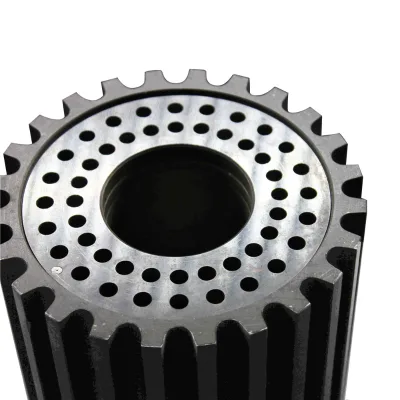
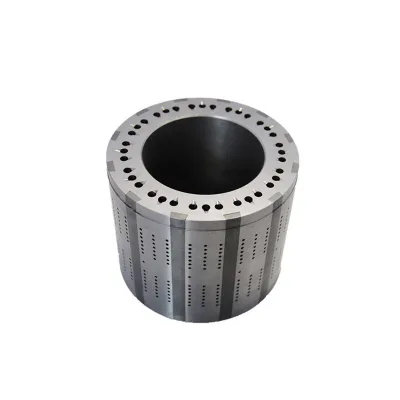
Durable Tipping Roller Drum Cigarette Making Machine Spare Parts OEM
$2550.00 - $2850.00
MOQ: 1 Pieces




Strong Gum Line Cigarette Smoking Tipping Paper with Filter Tips for Present
$0.08 - $0.50
MOQ: 1000 Pieces



Comprehensive Sourcing Guide
Cigarette Making Tipping Drum Sourcing Guide
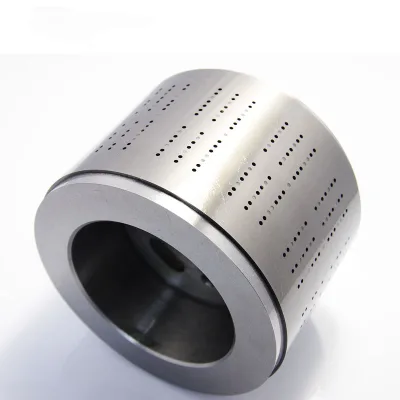
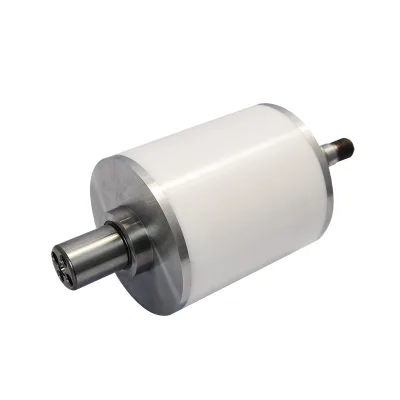
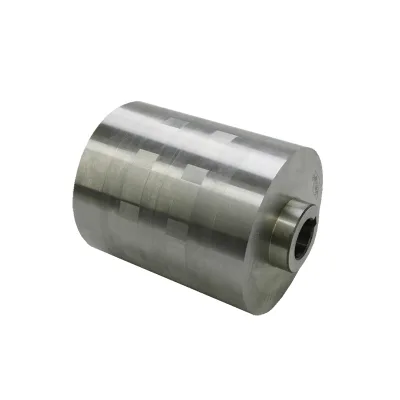
The Cigarette Making Tipping Drum serves as a critical component in the filtration assembly process, specifically designed to attach filter tips to cigarette rods with precision. These drums, often referred to as tipping rollers, are engineered to handle high-speed production lines where consistency is paramount. The observed market data indicates that these components are primarily utilized in machines configured for King Size, Super Slim, and Nano standard cigarette formats, ensuring compatibility across various production requirements. Buyers must recognize that the drum's function extends beyond simple rotation; it involves the precise application of adhesive and the secure attachment of filter paper, making the material integrity and surface treatment vital for operational continuity.
Procurement decisions for these drums require a clear understanding of the specific machine interface and the production volume they must support. The observed listings reveal a wide range of capabilities, with some units designed for semi-automatic operations while others support high-speed lines capable of processing between 2,000 and 6,500 cigarettes per minute. This variance necessitates a careful review of the driven type and mechanical specifications to ensure the component integrates seamlessly with existing equipment. Furthermore, the availability of customization options allows manufacturers to tailor the drum's dimensions and surface properties to match unique production line configurations, reducing the risk of mechanical failure or misalignment during high-speed operation.
Product Scope and Observed Listing Signals
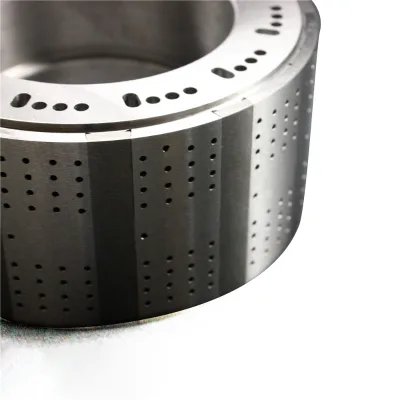
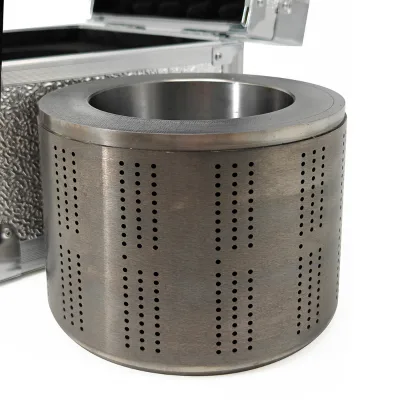
The product scope for cigarette making tipping drums encompasses a variety of configurations, ranging from basic receiving drums to specialized tipping rollers with advanced surface treatments. The observed market signals highlight a primary material composition of high-carbon alloy steel, which provides the necessary durability to withstand the mechanical stresses of continuous rotation. Surface treatments such as hard chrome plating and black coating are frequently observed, serving to reduce friction and prevent the buildup of adhesive residue, which can otherwise lead to production stoppages. These material and process choices are critical for maintaining the longevity of the component, as the drums are subjected to constant wear and tear in a demanding industrial environment.
Listing signals also indicate significant variability in packaging and shipping terms, reflecting the diverse logistical needs of global buyers. Products are commonly packed in cartons or wooden boxes, with some suppliers offering palletized shipping for bulk orders, while others provide single-item packaging for smaller procurement needs. The observed shipping terms, including EXW, FOB, CNF/CFR, and CIF, suggest that buyers must factor in complex logistics and potential customs duties when calculating the total cost of ownership. Additionally, the presence of specific dimensions, such as widths of 64mm and 70mm, and inner core sizes of 66mm, underscores the importance of verifying exact physical specifications before placing an order to ensure compatibility with the target machinery.
Technical Specifications to Verify
Dimensional tolerance is a primary technical specification that requires rigorous verification, as even minor deviations can impact the alignment and performance of the cigarette making machine. The observed data points to a tolerance of ±0.01mm, a standard that ensures the drum maintains precise contact with the filter paper and adhesive application systems. Buyers should request detailed measurement reports or third-party inspection certificates to confirm that the delivered units meet this strict tolerance, as this precision is essential for preventing filter misalignment and ensuring a consistent product finish. The width specifications, typically ranging from 64mm to 70mm, must also be cross-referenced with the machine's design requirements to avoid mechanical interference or inefficient operation.
Beyond physical dimensions, the material properties and coating characteristics are critical for the drum's functional performance and resistance to environmental factors. The core material is identified as high-carbon alloy steel, often treated with hard chrome plating or black coating to enhance durability and reduce wear. For applications involving filter paper, the drum's interaction with the paper's porosity and coating is equally important; observed listings mention porosity values between 400-500cu and breaking lengths of 4.5, which influence how the paper adheres to the drum surface. Buyers must verify that the coating material, whether PE or resin, is compatible with the specific adhesive and paper types used in their production line to prevent delamination or slippage during the tipping process.
Compliance and Safety Documentation
Compliance documentation for cigarette making tipping drums primarily focuses on material safety and environmental regulations, with RoHS certification being a frequently observed standard in the market. This certification ensures that the materials used in the drum, including the steel alloy and any surface coatings, do not contain restricted hazardous substances that could contaminate the tobacco product or pose risks to factory workers. While ISO 9001 and CE marks are sometimes referenced in broader industry contexts, buyers should prioritize the specific RoHS compliance status of the individual component to guarantee that the materials meet international safety standards for food and tobacco contact applications.
Safety documentation also extends to the operational characteristics of the drum, particularly regarding its mechanical design and potential for failure. The observed listings indicate that warranties are generally unavailable for these components, shifting the burden of quality assurance entirely to the supplier's manufacturing controls and the buyer's incoming inspection protocols. Buyers should request detailed material safety data sheets (MSDS) for any coatings or treatments applied to the drum to understand the chemical composition and any associated handling precautions. Additionally, verifying the automatic grade of the component, whether semi-automatic or fully automatic, is essential for ensuring that the drum's safety features align with the machine's operational safety systems and emergency stop protocols.
Cost Drivers and Commercial Terms
The cost of cigarette making tipping drums is driven by several key factors, including the complexity of the surface treatment, the precision of the dimensional tolerances, and the volume of the order. The observed price range spans from $0.08 to $38,000, reflecting the vast difference between individual replacement parts and large-scale industrial units or complete machine assemblies. Buyers must carefully analyze the unit price against the expected service life and production capacity, as a lower initial cost may result in higher long-term expenses due to frequent replacements or production downtime. The minimum order quantity (MOQ) varies significantly, ranging from 1 piece to 5,000 pieces, allowing flexibility for both small-scale testing and large-volume procurement strategies.
Commercial terms and shipping logistics play a significant role in the total cost of acquisition, with suppliers offering a range of Incoterms such as EXW, FOB, CNF/CFR, and CIF. These terms dictate the point at which responsibility and cost transfer from the seller to the buyer, influencing the overall budget and risk profile of the transaction. For instance, an EXW price may appear lower but requires the buyer to manage all transportation and insurance costs, whereas a CIF price includes delivery to the destination port but may carry a premium for the seller's logistics services. Buyers should also consider the single gross weight of the product, which is observed at 3.000 kg for individual items, as this impacts freight charges and storage requirements at the destination facility.
Supplier Qualification and Quality Control
Supplier qualification for cigarette making tipping drums should focus on the manufacturer's capacity to maintain consistent quality and meet the specific technical requirements of the buyer's production line. The observed data indicates a production capacity of up to 6,500 cigarettes per minute for the machines these drums serve, suggesting that suppliers must have robust manufacturing processes capable of high-volume output without compromising precision. Buyers should verify the supplier's ability to provide customization, including logo printing and specific dimensional adjustments, as this flexibility is often a key differentiator in the market. Additionally, the availability of a 2,000 to 6,500 Cigs/Min capacity in the supplier's portfolio is a strong indicator of their experience with high-speed industrial applications.
Quality control measures must be rigorous, given the critical role these drums play in the final product's integrity. Buyers should implement a multi-stage inspection process that includes verifying the dimensional tolerance of ±0.01mm, checking the surface treatment for uniformity, and testing the material hardness and coating adhesion. The observed feature of "Long Service Life" suggests that suppliers should be able to provide data or case studies demonstrating the durability of their components under real-world operating conditions. Furthermore, since the product origin is China, buyers should consider engaging third-party inspection agencies to conduct pre-shipment inspections, ensuring that the delivered drums meet the agreed-upon specifications and quality standards before they are integrated into the production line.
Long-Term Procurement Checks
Long-term procurement of cigarette making tipping drums requires a strategic approach to inventory management and supplier relationship development to ensure uninterrupted production. Given the observed capacity of 500 tons per month for related materials and the high-speed nature of the machinery, buyers should establish a buffer stock of critical components to mitigate the risk of supply chain disruptions. Regular audits of the supplier's production capacity and quality control processes are essential to maintain the high standards required for tobacco manufacturing, where even minor defects can lead to significant product rejection. Building a strong partnership with a reliable supplier can also facilitate better communication regarding technical updates and potential improvements in drum design or material composition.
Continuous monitoring of performance metrics is vital for optimizing the long-term value of the procurement investment. Buyers should track key performance indicators such as the drum's service life, frequency of maintenance, and any recurring issues related to surface wear or dimensional drift. The observed feature of "Moisture Proof, Anti-Curl, Waterproof" for related filter paper suggests that the drum's performance is closely linked to the quality of the materials it handles, necessitating a holistic approach to quality management. By maintaining detailed records of component performance and supplier interactions, buyers can make data-driven decisions regarding future procurement, ensuring that the selected tipping drums continue to meet the evolving demands of their production lines.
FAQs
What is the dimensional tolerance for Cigarette Making Tipping Drum parts?
The dimensional tolerance is ±0.01mm, ensuring high precision for cigarette filter tip attachment machines. This tight specification supports consistent performance in semi-automatic equipment. The parts are manufactured from high-carbon alloy steel with hard chrome plating for durability. Such precision is critical for maintaining the quality of King Size, Super Slim, and Nano standard filter tips during high-speed production.
Can I customize the logo on Cigarette Making Tipping Drum components?
Yes, customization of the logo is available for these components. Buyers can request specific branding to be applied to the parts. This service allows for unique identification within your manufacturing facility. The customization is supported by the available printing types and surface treatments. It is advisable to confirm the exact design requirements with the supplier before production begins to ensure accuracy.
What is the minimum order quantity for these tipping drums?
The minimum order quantity is 1 piece, allowing for flexible purchasing. This low MOQ supports testing and small-scale production needs. Buyers can order single items without committing to large volumes. The selling unit is listed as a single item, simplifying the procurement process. This flexibility is beneficial for evaluating product quality before placing larger bulk orders for your manufacturing line.
Which certifications do these cigarette making tipping drums hold?
These components hold RoHS certification, indicating compliance with environmental standards. This certification ensures the materials used are restricted from hazardous substances. It is a key factor for buyers in regulated markets. The product is manufactured in China and meets specific industrial requirements. Buyers should verify if additional certifications like CE are available for their specific regional compliance needs.
What is the production capacity for cigarette filter tip attachment machines?
The associated machinery has a capacity of 2000 to 6500 cigarettes per minute. This range supports various production speeds for different filter tip standards. The tipping drum is a critical component for achieving this throughput. It is designed for semi-automatic operation to enhance efficiency. Buyers should match the drum specifications to their desired production rate and filter type requirements.
How is the tipping drum packaged for shipping?
The tipping drum is packaged in cartons or wooden boxes for protection. Pallet packaging is also available for larger shipments. This ensures the parts arrive safely without damage. The single package size is approximately 10x10x10 cm with a gross weight of 3 kg. Buyers should specify their preferred packaging method to ensure secure transport and handling during logistics.