Source Cij Inkjet Printer Ribbon Cable for Food, Drug, Chemical
Find 30 verified suppliers for the Cij Inkjet Printer Ribbon Cable used in food, drug, and daily industrial applications. Compare models like V280PLUS and V98 with speeds up to 300m/Min and request quotes for automatic coding machines; compare the available evidence and request quotations based on your requirements.
Key considerations
Products List


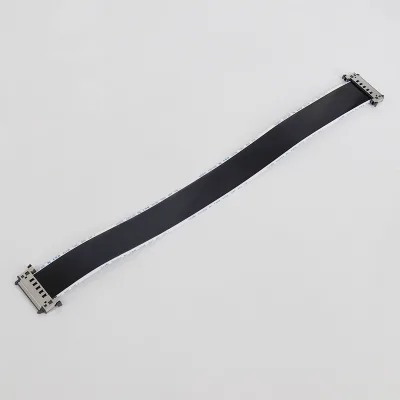


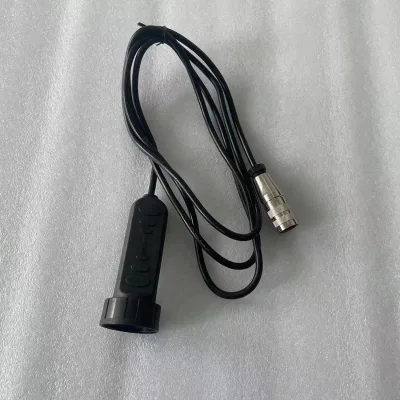


Vj1580 Small Character Continuous Inkjet Printer Cij for Cable Wire Printing
$6200.00 - $7500.00
MOQ: 1 Sets


3m Comnunicatton Cable RS232 80200258 for 1220 1520 1660 Cij Inkjet Printer
$256.00 - $284.00
MOQ: 1 Pieces
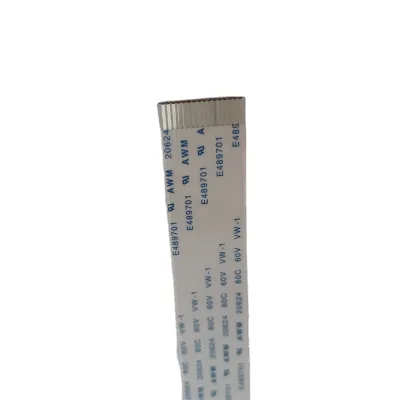
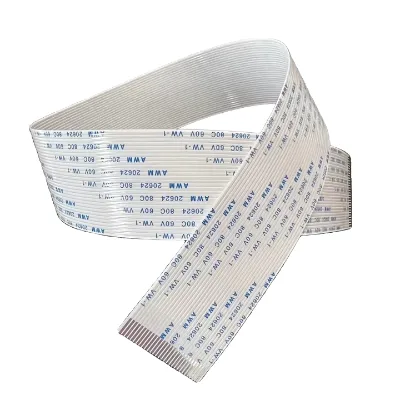
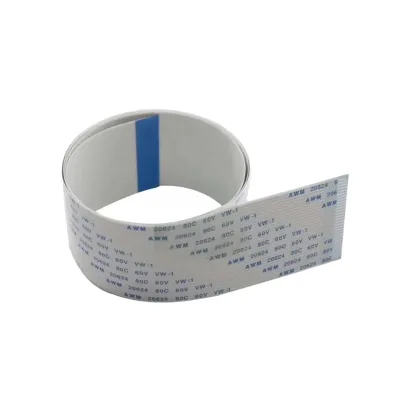
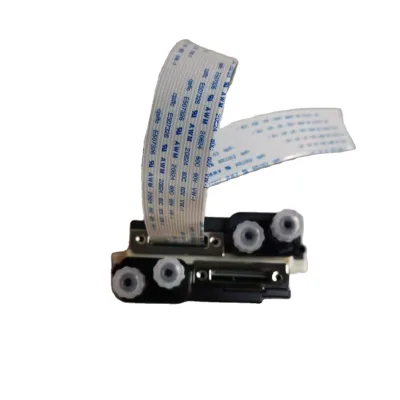
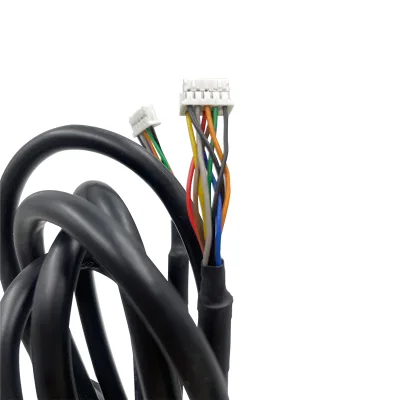
Electronic 3200 Date Wire Cable 9-core Wires Cables for Digital Inkjet Printer
$20.52 - $22.58
MOQ: 5 Minimum
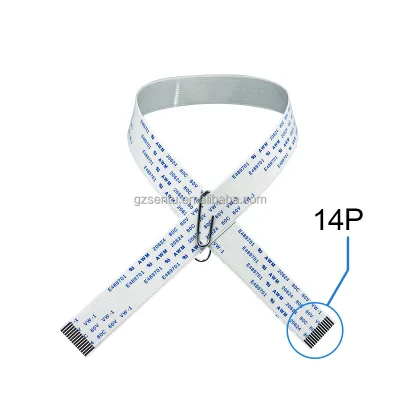
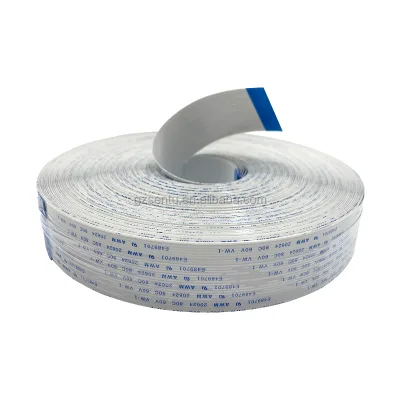
Comprehensive Sourcing Guide
Cij Inkjet Printer Ribbon Cable Sourcing Guide
Product Scope and Observed Listing Signals
The market for Continuous Inkjet (CIJ) printer components includes a diverse range of coding machines designed for high-speed production environments. Observed listings indicate that these systems are primarily classified as small character inkjet printers operating on a continuous jet principle. Buyers will typically encounter models such as the V280PLUS, V98, V680, and V380P, each tailored to specific throughput requirements. These machines are fully automatic and support various ink colors including black, blue, red, and yellow, ensuring versatility across different packaging materials and branding needs.
Listing signals reveal that these printers are customized available and designed for applications in the food, drug, daily industrial, and chemical product sectors. The observed printing speeds vary significantly, ranging from adjustable low speeds of 0.1 to 60 meters per minute up to high-speed operations reaching 300 meters per minute. This wide spectrum allows procurement teams to match equipment precisely to their line speed, whether for delicate pharmaceutical labeling or rapid beverage carton coding. The core keyword focus on ribbon cables suggests a need for maintenance parts that ensure stable electrical connectivity within these high-vibration industrial settings.
Technical Specifications to Verify
When sourcing replacement ribbon cables or evaluating the printer’s internal architecture, verifying the printing line configuration is essential. The observed data indicates that these machines support printing between one to five lines, with specific models like the V98 handling one to three lines. Buyers must ensure that the ribbon cable supports the required dot matrix resolution, with some units capable of a maximum 32x32 dot matrix for clear expiry dates, barcodes, and serial numbers. The cable must withstand the mechanical stress of continuous operation without signal degradation, which is critical for maintaining print quality at speeds up to 120 meters per minute.
Network functionality and control interface compatibility are also critical technical considerations. Some listings highlight optional network functions, implying that the ribbon cable may interface with digital control boards for remote monitoring or data integration. Buyers should verify the physical connector type and pinout configuration to ensure compatibility with the specific printer model, such as the V380P or V680. Additionally, the maintenance-friendly design noted in some specifications suggests that the ribbon cable should be easily accessible for replacement, minimizing downtime during routine servicing or unexpected failures in a continuous production workflow.
Compliance and Safety Documentation
Compliance documentation is a primary verification step for industrial coding equipment sourced from China. Observed listings frequently cite ISO9001 certification, indicating that the manufacturing processes adhere to international quality management standards. Buyers should request current certification documents to verify that the supplier maintains these standards, ensuring consistent quality in components like the ribbon cable. The presence of CE certification in some listings further suggests adherence to European health, safety, and environmental protection standards, which is crucial for exporters or buyers operating in regulated markets.
RoHS compliance is another critical safety and environmental standard to verify, particularly for electronic components. While some listings mention RoHS, buyers must confirm that the ribbon cable and associated electronic parts do not contain restricted hazardous substances. This verification is essential for meeting environmental regulations in various jurisdictions and ensuring workplace safety. Procurement teams should also check for any additional local certifications required by the destination country, as standards can vary significantly between regions, affecting the legality and safety of the imported equipment.
Cost Drivers and Commercial Terms
Several factors influence the cost structure of CIJ printer components and associated services. The observed price range is broad, spanning from $0.1 to $7500, reflecting the difference between small consumables like ink or cables and complete machine systems. For ribbon cables specifically, costs are driven by material quality, connector precision, and the complexity of the internal wiring harness. Buyers should expect variations in pricing based on the specific model compatibility and the volume of the order, as economies of scale often apply to industrial spare parts.
Minimum Order Quantities (MOQ) and lead times are key commercial terms to negotiate. The observed MOQ range is between 1 and 1000 units, offering flexibility for both single-unit replacements and bulk procurement. Lead times are typically reported as 5-7 working days, which is relatively fast for industrial components, but buyers should confirm this for custom or high-demand items. Packaging methods, such as wooden cases or cartons, also impact shipping costs and insurance premiums, so buyers should factor these logistical details into their total cost of ownership calculations when sourcing from Wuhan, China.
Supplier Qualification and Quality Control
Supplier qualification requires a thorough assessment of the manufacturer’s capabilities and quality control processes. Buyers should verify the supplier’s origin, with many listings indicating production in Wuhan, Hubei, China, a known hub for industrial machinery. It is advisable to request factory audits or third-party verification reports to ensure that the supplier has the infrastructure to produce high-quality ribbon cables and other electronic components. The mention of "new" condition and "customized" options suggests that suppliers may offer tailored solutions, which requires robust quality assurance protocols to prevent defects.
Quality control checks should include visual inspections of connectors and continuity tests for the ribbon cable. Buyers should establish clear acceptance criteria for resistance, insulation, and mechanical durability. Since the printers are used in demanding environments like food and chemical production, the components must be resistant to corrosion and wear. Establishing a direct communication channel with the supplier for technical support is also recommended, as this facilitates quicker resolution of any compatibility issues or installation questions that may arise during the procurement and integration process.
Long-Term Procurement Checks
Long-term procurement success depends on establishing reliable supply chains and monitoring component performance over time. Buyers should track the lifespan of ribbon cables and other internal components to predict maintenance cycles and budget for replacements. The observed warranty of one year for some machines provides a baseline for expected reliability, but buyers should clarify whether this warranty extends to consumable or semi-consumable parts like cables. Regular performance monitoring, including print quality checks and error rate tracking, can help identify early signs of component failure before they cause production downtime.
Building a relationship with the supplier for ongoing support and updates is crucial for long-term operations. Buyers should inquire about the availability of future upgrades or improved versions of the ribbon cable that might offer better durability or connectivity. Additionally, staying informed about changes in industry standards or regulations that affect CIJ printers can help buyers proactively adapt their procurement strategies. By maintaining detailed records of component usage and supplier performance, buyers can optimize their inventory levels and reduce the total cost of ownership for their coding and marking equipment.
FAQs
What is a Cij Inkjet Printer Ribbon Cable used for?
A ribbon cable in a continuous inkjet printer connects the print head, control board, and other internal modules, carrying signals that drive printing of expiry dates, barcodes, and serial numbers. A stable, well-insulated cable keeps signal transmission consistent during high-speed production, reducing misprints and downtime on food, drug, and daily industrial coding lines.
Can a Cij Inkjet Printer Ribbon Cable be customized for my printer model?
Yes, customization is available for compatible ribbon cables and printer components. Buyers typically provide the printer model, cable length, and connector type so suppliers can match the original design. Many listed models, such as V280PLUS, V98, V680, and V380P printers, use compatible designs that are maintenance friendly, making replacement or upgraded cables easier to specify.
Which printer models are compatible with replacement ribbon cables?
Compatibility depends on the printer series, and listed continuous inkjet models include V280PLUS, V98, V680, and V380P. Before ordering, confirm your model number, connector layout, and cable length against the original part. Compatible, maintenance-friendly designs are common in this category, so matching the exact model prevents fitment issues and signal faults during installation.
How do I choose a ribbon cable that supports high printing speeds?
Match the cable specification to your printer's speed range. Listed continuous inkjet printers run from 0.1 to 60 meters per minute on adjustable models up to 300 meters per minute on faster units, so internal cabling must handle that signal load. Ask for cables rated for your model's operating speed and confirm shielding quality to avoid signal degradation during long production runs.
What certifications should I check when sourcing printer components?
Look for ISO9001 certification as a baseline quality-management indicator, and CE or RoHS compliance where your market requires it. Listed coding equipment in this category references ISO9001, CE, and RoHS certifications. For ribbon cables specifically, request material declarations and confirm the outer jacket material, since PVC is a commonly listed jacket type for wiring components.
How is a ribbon cable shipped and packaged for export orders?
Packaging varies by supplier and order size. Listed coding equipment ships in cartons, with 1 set per carton on some models, and wooden cases available as an option or standard for larger units, with 0.21 CBM cited as a packing standard for one model. For small cable parts, carton box packaging with protective wrapping is typical; confirm the packing method before ordering.
Can I order ribbon cables with a low minimum order quantity?
Yes, minimum order quantities in this category range from as low as 1 unit to 1000 units depending on the supplier and item. Spare parts like ribbon cables usually carry lower MOQs than complete printers. State your required quantity upfront, since MOQ affects unit pricing, and ask whether trial orders are accepted before committing to bulk volumes.
How long does delivery take for printer parts and coding equipment?
Lead times vary by product and order complexity. A cited lead time for listed coding equipment is 5 to 7 working days, which typically applies to available standard items. Customized cables or complete printers may take longer, especially with wooden-case export packing. Confirm the lead time in writing, including production and transit time to your destination port.