Source AAMI Level 3 Surgical Gown for Medical Staff and Hospitals
Find and compare 30 AAMI Level 3 Surgical Gown options from Chinese manufacturers. These SMS and SMMS isolation gowns offer breathable protection for hospital operating rooms and clean workshops, with customizable sizes and logos available for bulk procurement.
Key considerations
Products List


Disposable Medical Isolation Gown Surgical Gown with AAMI Level 1 2 3 4
$0.09 - $1.69
MOQ: 10000 Pieces
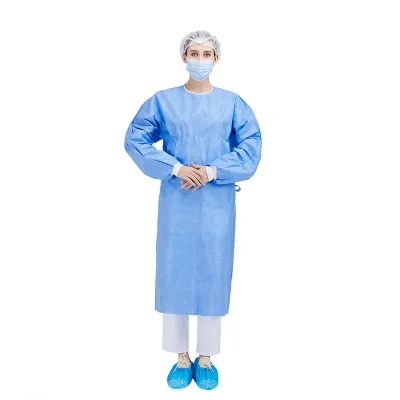
AAMI Gown Level 1-4 Non Woven Patient Gown Disposable Hospital Clothing Surgical Gown
$0.60 - $1.50
MOQ: 20000 pieces
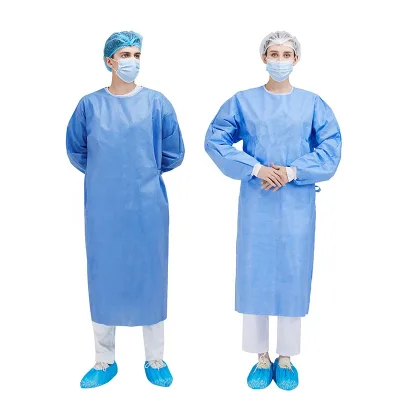

OEM Medical Surgical Gown Disposable AAMI Level 4 Sterile Surgical Gown
$0.13 - $0.15
MOQ: 50000 Pieces



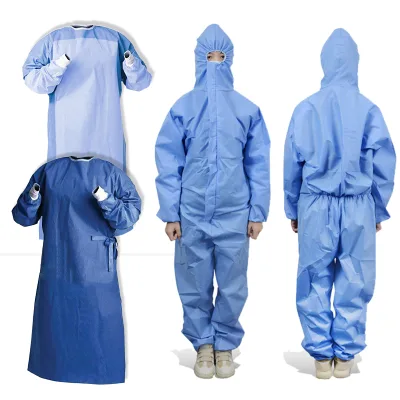


Surgery Gowns AAMI Level Hospital Uniforms Non Sterile Disposable Surgical Gown
$0.45 - $0.67
MOQ: 5000 Pieces

Medical Consumables Sterile SMMS Green Reinforced AAMI Level Surgical Gown
$0.45 - $0.67
MOQ: 5000 Pieces

Hot Sale AAMI Level 3 Sterile Medical Disposable Non-Sterile Surgical Gown
$0.45 - $0.67
MOQ: 5000 Pieces

Hospital Disposable Surgical Isolation Patient Gown Level 3""AAMI Level
$0.45 - $0.67
MOQ: 5000 Pieces

AAMI Level 2/3 Anti Static Protection Clothing Hospital Medical Isolation Gown
$0.45 - $0.67
MOQ: 5000 Pieces

Hospital Disposable Surgical Isolation Patient Gown Level 3""AAMI Level 3 Medical
$0.45 - $0.67
MOQ: 5000 Pieces
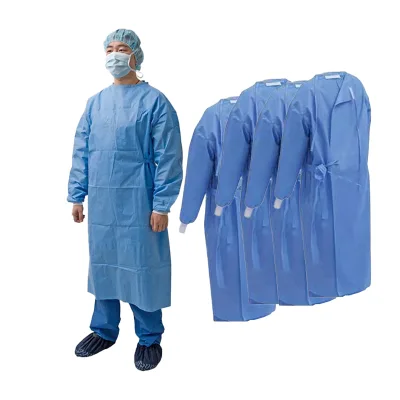
Comprehensive Sourcing Guide
AAMI Level 3 Surgical Gown Sourcing Guide
Procuring AAMI Level 3 surgical gowns requires a disciplined approach to balancing fluid resistance, breathability, and cost efficiency. These garments are designed for medical staff facing moderate fluid exposure risks, such as during procedures where splashing or spraying of bodily fluids is possible but not heavy saturation. Buyers must navigate a market where specifications vary significantly between suppliers, particularly regarding material composition, weight, and sterilization methods. The following guide outlines the critical verification steps, technical parameters, and commercial considerations necessary to secure a reliable supply chain for these protective body suits.
Product Scope and Observed Listing Signals
The observed market for AAMI Level 3 surgical gowns presents a wide variance in pricing and minimum order quantities, reflecting the diversity of manufacturing capabilities and material grades available. Listings indicate a price range from $0.09 to $1.69 per unit, with minimum order quantities (MOQs) spanning from as low as 1 piece to as high as 50,000 pieces. This disparity suggests that buyers can access both trial-sized orders for quality assessment and bulk industrial contracts, but they must carefully correlate price points with the specific GSM (grams per square meter) and material structure requested. High-volume buyers may negotiate better rates, but low MOQs often come with premium pricing due to setup costs and smaller production runs.
Product attributes observed in listings highlight key differentiators such as customization options, branding capabilities, and specific material constructions like SMS or SMMMS. Many suppliers offer customized logos and packaging, which is essential for hospitals and clinics seeking to maintain brand consistency or internal identification protocols. The gowns are typically described as breathable, economical, and professional, with available colors including light blue, dark blue, medical green, and white. Buyers should note that while "AAMI Level 3" is a common keyword, the actual performance depends on the underlying material weight, which ranges from 30gsm to 80gsm, with common recommendations around 45gsm to 55gsm for this level of protection.
Technical Specifications to Verify
Material composition is the primary determinant of a gown’s performance, with SMS (Spunbond-Meltblown-Spunbond) and SMMMS being the most frequently cited materials in the current market. Buyers must verify the exact layer structure and fiber density, as these factors directly influence fluid barrier integrity and breathability. The weight of the material, often specified in GSM, is a critical technical parameter; heavier gowns generally offer better durability and fluid resistance but may compromise wearer comfort. Suppliers list weights ranging from 30gsm to 80gsm, with specific recommendations for 45gsm, 48gsm, 50gsm, 52gsm, and 55gsm. Procurement teams should request physical samples to test the hand-feel and tensile strength, ensuring the material meets the specific operational demands of the intended use case.
Sizing and fit are equally critical for ensuring effective protection and wearer compliance. Available sizes typically range from S to XXXL, with some suppliers offering fully customized sizing options to accommodate diverse body types within medical staff. The physical dimensions of the gowns, including width and length, can vary significantly, with observed widths between 115cm and 125cm, and lengths ranging from 118cm to 196cm. Buyers must confirm whether the sizing follows standard international charts or regional variations, particularly when sourcing from manufacturers in China. Additionally, features such as long sleeves, knitting cuffs, and specific closure types (e.g., tie-back vs. zip) should be verified to ensure they align with the ergonomic needs of the operating room or clinical environment.
Compliance and Safety Documentation
Regulatory compliance is non-negotiable for medical protective equipment, and buyers must verify that the supplier holds valid quality certifications such as CE and ISO. These certifications indicate that the manufacturing facility adheres to recognized quality management systems and European health, safety, and environmental protection standards. However, certification alone does not guarantee that every batch meets the specific AAMI Level 3 performance criteria. Buyers should request copies of the most recent audit reports and ensure that the certifications are current and applicable to the specific product line being purchased. It is also important to confirm whether the supplier’s quality management system covers the entire production process, from raw material sourcing to final packaging and sterilization.
Sterilization status and disinfection methods are critical safety considerations that directly impact storage, handling, and clinical use. The market offers both sterile and non-sterile options, with some products explicitly stating they are non-sterile and have not undergone ethylene oxide sterilization. Buyers must clearly define their requirement for sterile versus non-sterile gowns, as this affects the supply chain logistics and clinical protocols. For non-sterile gowns, the disinfecting type may be listed as ultraviolet light or other methods, but the absence of sterilization means the gowns must be handled with care to maintain hygiene. Additionally, the shelf life of the product, typically around three years, should be confirmed to ensure that inventory management practices do not result in expired stock.
Cost Drivers and Commercial Terms
The cost of AAMI Level 3 surgical gowns is influenced by several factors, including material weight, packaging complexity, and customization requirements. Heavier GSM materials and multi-layer constructions like SMMMS generally command higher prices due to increased raw material costs and manufacturing complexity. Customization, such as adding specific logos or altering packaging dimensions, can also impact the unit price, especially for smaller order volumes. Buyers should analyze the total cost of ownership, which includes not only the unit price but also shipping costs, import duties, and potential costs associated with quality inspections or returns. Understanding these cost drivers allows for more accurate budgeting and negotiation strategies.
Packaging and logistics play a significant role in the commercial terms of the procurement process. Standard packaging often involves PP bags with specific carton dimensions, such as 35252cm per bag and 604242cm per carton, containing 40 pieces per bag. Buyers must verify the packaging integrity to prevent damage during transit and ensure that the packaging is suitable for storage in hospital environments. The single package size and gross weight, often around 0.500 kg, are important for calculating shipping volumes and costs. Additionally, buyers should clarify whether the supplier offers flexible payment terms, such as letters of credit or partial payments, to mitigate financial risk, especially for large orders.
Supplier Qualification and Quality Control
Supplier qualification begins with verifying the origin and manufacturing capabilities of the provider. Many suppliers are located in industrial hubs such as Yangzhou, Jiangsu, and Hubei, China, which are known for their textile and medical supply manufacturing. Buyers should assess the supplier’s production capacity, lead times, and ability to handle large orders, particularly given the observed MOQs that can reach 50,000 pieces. It is also important to evaluate the supplier’s responsiveness to customization requests and their ability to provide consistent quality across batches. Requesting references from other medical institutions or reviewing the supplier’s track record can provide additional confidence in their reliability.
Quality control measures should be established before placing large orders, including pre-production samples, in-process inspections, and final random inspections. Buyers should define clear acceptance criteria for defects, such as stitching errors, material flaws, or packaging issues, and ensure that the supplier has a robust process for identifying and rectifying these issues. The use of standardized testing methods to verify AAMI Level 3 performance, including fluid resistance and bacterial filtration efficiency, should be confirmed. Buyers may also consider hiring third-party inspection agencies to conduct independent quality checks, particularly for initial orders or when dealing with new suppliers.
Long-Term Procurement Checks
Long-term procurement success depends on establishing a continuous improvement loop with suppliers, focusing on quality consistency and supply chain resilience. Buyers should conduct regular performance reviews, tracking metrics such as defect rates, delivery times, and responsiveness to issues. This data-driven approach allows for objective evaluations of supplier performance and provides a basis for negotiations or supplier changes if necessary. Maintaining open communication channels and fostering a collaborative relationship can help address potential issues proactively, ensuring a stable supply of critical protective equipment.
Adaptability to regulatory changes and market trends is also essential for long-term procurement strategies. As standards and regulations evolve, buyers must stay informed about new requirements and ensure that their suppliers are compliant with the latest guidelines. This includes monitoring changes in certification requirements, material safety standards, and environmental regulations. By staying ahead of these changes, buyers can avoid disruptions in supply and ensure that their procurement practices remain aligned with best practices in the medical industry. Regularly updating procurement policies and supplier qualification criteria helps maintain a high standard of quality and safety in the long run.
FAQs
What certification does the AAMI Level 3 Surgical Gown hold?
The product holds CE and ISO quality certifications. It also complies with the EN14683 standard and the GB15979-2002 safety standard for medical protective equipment.
Which materials are used to make the AAMI Level 3 Surgical Gown?
The gowns are constructed from SMS or SMMS materials. These materials provide the necessary barrier protection while maintaining breathability for medical staff during procedures.
Can buyers request a customized logo on the AAMI Level 3 Surgical Gown?
Yes, customized logos are accepted for this product. Buyers can specify their branding requirements, and the manufacturer offers this customization service for bulk orders.
What is the minimum order quantity for the AAMI Level 3 Surgical Gown?
The minimum order quantity is 20,000 pieces. This MOQ applies to the standard production run for the surgical gowns sourced from the Yangzhou facility.
How long is the shelf life of the AAMI Level 3 Surgical Gown?
The product has a shelf life of three years. This duration ensures the protective integrity of the gown remains valid for storage and future medical use.
What sizes are available for the AAMI Level 3 Surgical Gown?
All sizes are available including M, L, XL, XXL, and M-3XL. Customized sizing options like S, M, L, XL, XXL, and XXXL can also be arranged for specific needs.
Where is the AAMI Level 3 Surgical Gown manufactured?
The product originates from Yangzhou, Jiangsu, China. Some listings also indicate production capabilities in Hubei, China, ensuring a reliable supply chain for medical equipment.