Source Far Infrared Electrode Pad for Therapy, Pain Relief, and Circulation
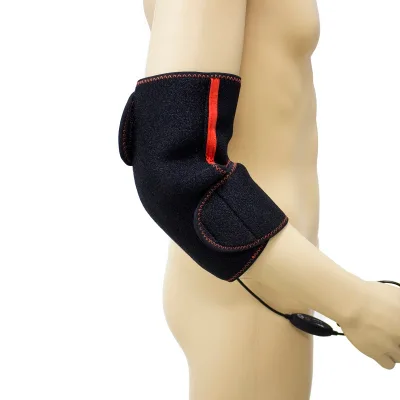
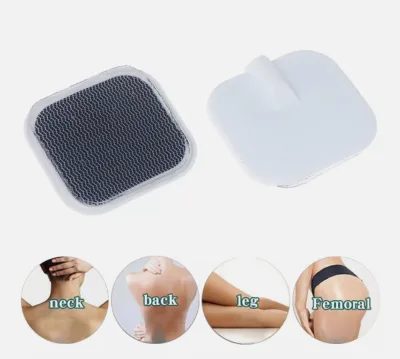
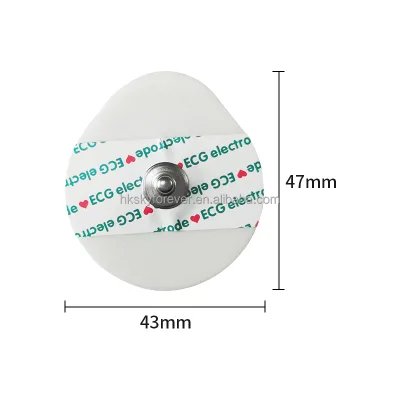
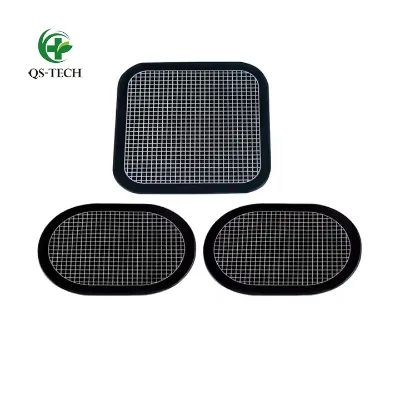
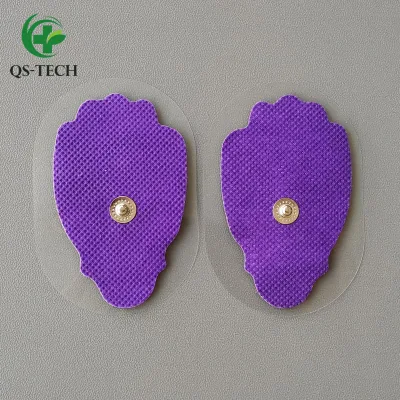
Find and compare 30 Far Infrared Electrode Pad options designed for rehabilitation therapy and muscle relaxation. These devices utilize carbon fiber or gel materials to promote blood circulation and provide electric heating or kneading functions for home, office, or salon use.
Key considerations
Products List


$0.10 - $0.90
MOQ: 1000 Pieces





Comprehensive Sourcing Guide
Far Infrared Electrode Pad Sourcing Guide
Sourcing far infrared electrode pads and related rehabilitation therapy supplies requires a nuanced understanding of the intersection between traditional electrotherapeutic principles and modern wearable technology. These devices are primarily designed to promote blood circulation, relieve muscle fatigue, and support tissue repair through controlled thermal and electrical stimulation. Buyers must distinguish between simple passive heating elements and active electrode systems that integrate far-infrared technology with rechargeable power sources. The market offers a variety of forms, from compact hand massagers to larger leg compression units, each serving specific clinical or wellness applications. Understanding the functional differences between these variants is critical for aligning procurement with end-user needs, whether for home care, professional salon use, or clinical rehabilitation settings.
The procurement landscape for these devices is characterized by a wide range of specifications, from basic neoprene heating pads to complex electric kneading massagers with multi-gear adjustments. Buyers often encounter products labeled under broad categories such as "hot and cold packs" or "electric kneading massagers," which may share similar core technologies but differ significantly in battery capacity, control methods, and material composition. It is essential to verify the specific power supply mode, whether rechargeable or plug-in, and the applicable body parts, such as palms, fingers, wrists, or full legs. This guide provides a structured approach to evaluating these products, ensuring that procurement decisions are based on verified technical data, compliance documentation, and reliable supplier qualifications rather than marketing claims alone.
Product Scope and Observed Listing Signals
The observed product range includes far infrared electric heating pads and electric kneading massagers designed for various body parts, including hands and legs. These devices typically utilize materials such as neoprene, carbon fiber, pet, and gel to ensure comfort and effective heat or massage transmission. The functional highlights often emphasize fatigue relief, blood circulation promotion, and muscle relaxation, with some units offering portable and compact designs suitable for home, office, car, or salon use. Buyers should note that while the core keyword focuses on electrode pads, the actual listings may encompass broader categories of therapeutic devices that integrate similar heating and stimulation technologies.
Listing signals indicate a diversity in product models, sizes, and customization options. For instance, some products are available in specific sizes like "M" or "Small Size," with colors ranging from standard black to customizable options. The presence of features such as LCD displays, button controls, and auto modes suggests a tiered product hierarchy based on user interface complexity. Additionally, the supply ability of up to 50,000 pieces per month and an MOQ of just 1 piece for some items indicates a flexible supply chain capable of accommodating both small-scale trials and large-volume orders. Buyers must carefully cross-reference these listing signals with their specific technical requirements to avoid mismatches in functionality or capacity.
Technical Specifications to Verify
When evaluating far infrared electrode pads and related devices, buyers must verify key technical specifications such as heating temperature ranges, battery capacity, and power supply modes. Observed data suggests heating temperatures between 38-42℃ for certain models, which is a critical parameter for ensuring safe and effective thermal therapy. Battery life and capacity are also vital, with some units offering over 3 hours of operation and a 3000mAh capacity, while others may have 2-3 hours of battery life with a 4000mAh capacity. These specifications directly impact the usability and convenience of the device, particularly for portable applications where access to power outlets is limited.
Control methods and massage modes further differentiate these products, with options ranging from simple button controls to multi-gear adjustable settings and auto modes. Buyers should also verify the applicable parts, such as palms, fingers, wrists, full hands, calves, thighs, feet, or full legs, to ensure the device matches the intended therapeutic area. The theory of operation, often cited as electrotherapeutics, should be supported by clear documentation on how the device delivers its effects. Additionally, the presence or absence of LCD displays and the type of packaging, such as color boxes or different bags, can influence the perceived value and ease of use for the end consumer.
Compliance and Safety Documentation
Compliance and safety are paramount when sourcing medical or therapeutic devices, and buyers must ensure that suppliers provide valid certification documentation. Observed listings indicate that some products hold CE, FDA, and ISO13485 certifications, which are critical for market access in various regions. These certifications attest to the device's adherence to specific safety, quality, and performance standards, reducing the risk of regulatory issues. Buyers should request copies of these certificates and verify their validity with the issuing bodies, as the presence of a certification mark on a product does not guarantee its authenticity or current status.
In addition to certifications, buyers should inquire about the product standards and testing procedures used by the supplier. While specific standards may vary, it is essential to confirm that the devices have undergone relevant safety tests, such as electrical safety, thermal stability, and material biocompatibility. The warranty period, often listed as 1 year for some items, provides an additional layer of protection for buyers, but it should be clearly defined in the contract. Understanding the supplier's approach to quality control and post-sales support is crucial for mitigating risks associated with product failures or customer complaints.
Cost Drivers and Commercial Terms
The cost of far infrared electrode pads and related devices is influenced by several factors, including material composition, battery capacity, and the complexity of the control system. Products with higher battery capacities, such as 4000mAh, or those with advanced features like multi-gear adjustments and auto modes, may command higher prices. The MOQ, which can range from 1 piece to 50,000 pieces, also plays a significant role in pricing, with larger orders typically benefiting from economies of scale. Buyers should negotiate based on their volume requirements and consider the total cost of ownership, including shipping, duties, and potential returns.
Commercial terms such as payment methods, delivery times, and packaging details should be clearly agreed upon before placing an order. The port of dispatch, often Shanghai for products originating from Sichuan, China, can impact shipping costs and lead times. Buyers should also consider the packaging details, such as 1pc/color box or bulk packaging, as these can affect storage and handling costs. Additionally, the availability of samples allows buyers to evaluate product quality before committing to large orders, which can help avoid costly mistakes and ensure that the selected products meet their specifications.
Supplier Qualification and Quality Control
Supplier qualification is a critical step in the sourcing process, and buyers should conduct thorough due diligence to assess the reliability and capability of potential suppliers. This includes verifying the supplier's business license, production capacity, and quality management systems. Suppliers with a supply ability of 50,000 pieces per month and a place of origin in Sichuan, China, may have established manufacturing processes, but buyers should still request evidence of their production capabilities and quality control measures. Engaging with suppliers who have a history of exporting to your target market can also provide insights into their compliance with international standards.
Quality control procedures should be clearly defined and agreed upon with the supplier, including inspection points, acceptance criteria, and remediation processes for non-conforming products. Buyers should consider implementing third-party inspections or audits to ensure that the products meet their specifications and quality standards. The warranty period and after-sales support services are also important indicators of a supplier's confidence in their products. By establishing a robust supplier qualification and quality control framework, buyers can minimize risks and ensure a steady supply of high-quality far infrared electrode pads and related devices.
Long-Term Procurement Checks
Long-term procurement success depends on continuous monitoring of supplier performance and market trends. Buyers should establish key performance indicators (KPIs) to track supplier reliability, product quality, and delivery times. Regular reviews of these metrics can help identify potential issues early and allow for proactive management of the supply chain. Additionally, staying informed about changes in regulatory requirements and technological advancements in the far infrared and electrotherapeutic device market is essential for maintaining a competitive edge.
Building a strong relationship with suppliers through open communication and collaborative problem-solving can lead to better pricing, improved product quality, and more flexible commercial terms. Buyers should also consider diversifying their supplier base to mitigate risks associated with single-source dependencies. By implementing a strategic approach to long-term procurement, buyers can ensure a stable and efficient supply of far infrared electrode pads and related rehabilitation therapy supplies, meeting the evolving needs of their customers and markets.
FAQs
What is the warranty period for the far infrared electric heating pad?
The product comes with a 1-year warranty. This coverage applies to the THERMOWRAP brand heating pad made of neoprene and carbon fiber, ensuring reliability for rehabilitation therapy supplies used in promoting blood circulation.
Can I order a single unit of the Far Infrared Electrode Pad?
Yes, the minimum order quantity is 1 piece. This allows buyers to request samples or test the rechargeable electric heating pad before committing to larger orders, with packaging details provided as one piece per color box.
Which certifications does the Far Infrared Electrode Pad hold?
The product holds CE, FDA, and ISO13485 certifications. These standards confirm the safety and quality of the electric kneading massager designed for hand and leg fatigue relief, ensuring compliance for medical and therapeutic applications.
How long does the battery last on the rechargeable heating pad?
The battery life exceeds 3 hours on a single charge. This capacity is supported by a 3000mAh battery, allowing for portable use in homes, offices, or cars without the need for constant power supply during operation.
What is the supply ability for the far infrared electric heating pad?
The supplier can provide 50,000 pieces per month. This high capacity ensures consistent availability for bulk orders of the F5 model heating pad, which is manufactured in Sichuan, China, and shipped from Shanghai.
Which parts of the body can the Far Infrared Electrode Pad treat?
The device is applicable for the palm, finger, wrist, full hand, calf, thigh, foot, and full leg. It functions as a hot and cold pack to promote blood circulation and provide muscle relaxation for various body parts.