Source Class II CE Stethoscope for Hospitals, Clinics, and Schools
Find 30 Class II CE Stethoscope options from verified suppliers in China. Buyers can compare specifications, certifications, and pricing for medical students, home use, and hospital applications.
Key considerations
Products List


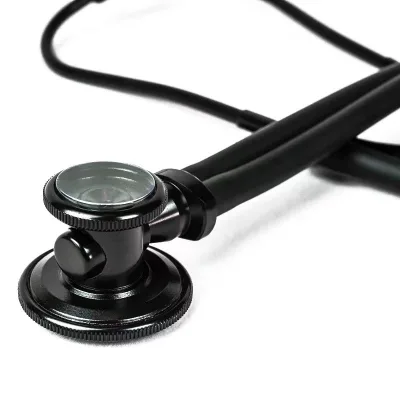
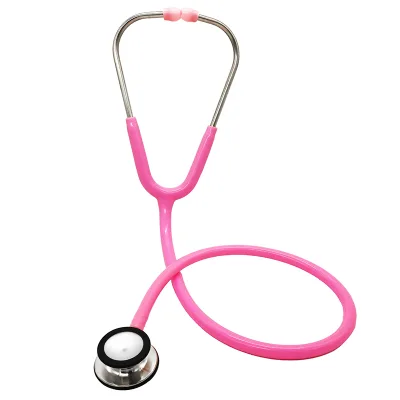


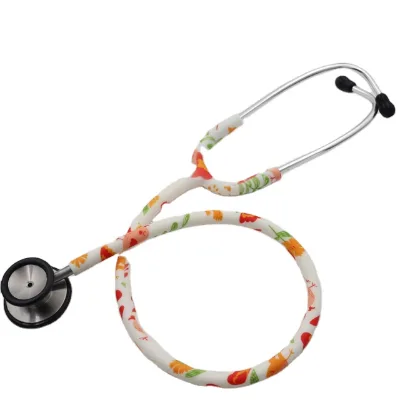
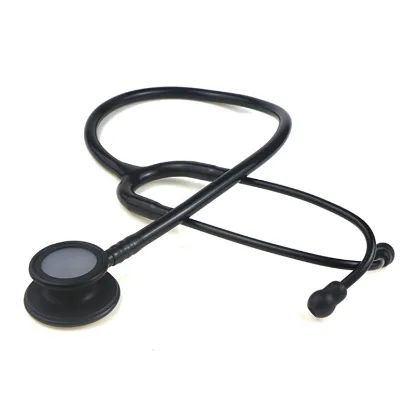
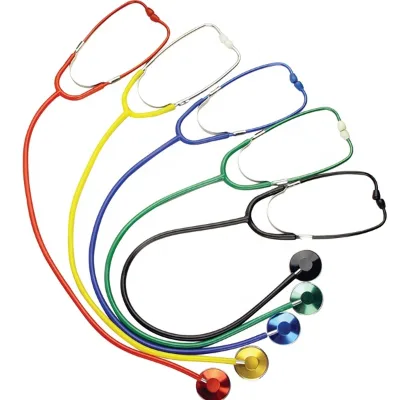
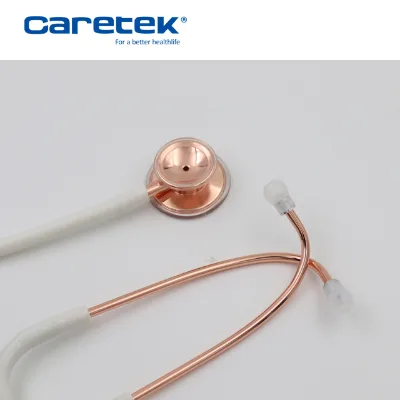


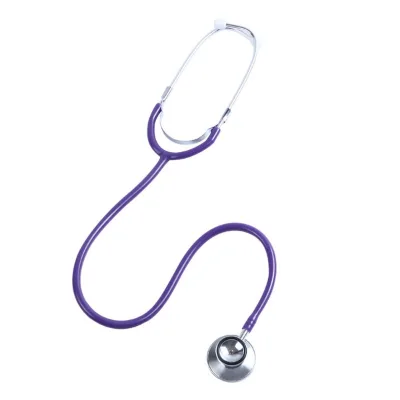


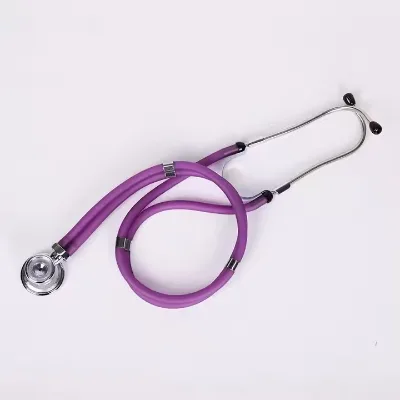
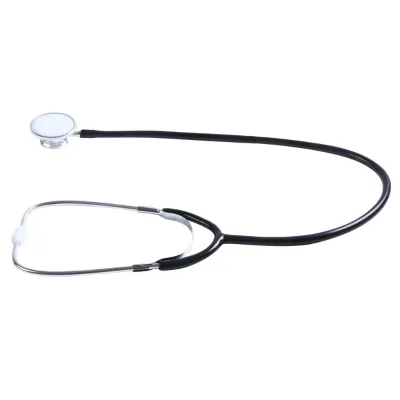
Hot Sale Medical Single Head Stethoscope Double Head Stethoscope for Hospital Use
$0.40 - $6.00
MOQ: 10000 Pieces


Comprehensive Sourcing Guide
Strategic Sourcing Guide for Class II CE Stethoscopes
The global medical device market presents a complex landscape for procurement professionals seeking Class II CE-certified stethoscopes. These instruments are critical diagnostic tools used across hospitals, clinics, and educational institutions. Sourcing such equipment requires a disciplined approach that balances technical performance, regulatory compliance, and supply chain reliability. This guide outlines the essential factors for buyers evaluating Class II CE stethoscopes, drawing strictly from observed market data and verified product attributes to ensure a robust procurement strategy.
Understanding Class II Classification and Regulatory Framework
The classification of a stethoscope as a Class II medical device is a fundamental regulatory distinction that dictates the level of scrutiny required during the sourcing process. In many jurisdictions, Class II devices are considered to pose a moderate risk to patient safety, necessitating specific controls to ensure their effectiveness and safety. When searching for a "Class II CE Stethoscope," buyers must verify that the product carries the appropriate conformity assessment documentation.
The European Union's Medical Device Regulation (MDR) or the previous Medical Device Directive (MDD) requires that devices marketed in the EU bear the CE mark. This mark signifies that the manufacturer has declared the product meets the essential requirements for safety and performance. However, the presence of the CE mark alone is not a guarantee of quality; it must be supported by a valid Declaration of Conformity and, in many cases, an audit report from a Notified Body. Buyers should explicitly request the Quality Certification status from potential suppliers. While some product listings indicate "CE" certification, others may list "NO" for Quality Certification, highlighting the critical need for due diligence. The procurement team must confirm that the specific model number intended for purchase is covered under the active certification scope, as certifications are often model-specific rather than brand-wide.
Technical Specifications and Material Composition
The physical construction of a stethoscope directly influences its acoustic performance, durability, and user comfort. A thorough review of technical specifications is essential to match the device to the intended clinical environment. Based on observed market data, Class II stethoscopes typically feature a Y-tube constructed from PVC, which offers flexibility and resistance to degradation from cleaning agents. The ear pieces are frequently made of brass, a material chosen for its acoustic properties and durability, though some variants may utilize other alloys.
The chest piece, or head, is the primary interface for auscultation. Specifications indicate that high-performance models often feature a double-sided design, allowing for both diaphragm and bell auscultation. The head diameter is a critical dimension; observed data points to a facet diameter of 35mm and a head size of 47mm, which are standard dimensions for adult auscultation. The overall length of the tubing is another key specification, with observed models ranging around 82cm, ensuring sufficient reach for various patient positions without compromising sound transmission.
Material composition varies significantly across different product listings. Some units are constructed from a combination of zinc alloy, stainless steel, and PVC, while others utilize aluminum alloy, stainless steel, and PVC. The choice of metal alloy affects the weight and the acoustic resonance of the device. For instance, aluminum alloy components may reduce the overall weight, which is beneficial for users who wear the device for extended periods, whereas stainless steel offers superior corrosion resistance. Buyers should verify the exact material mix for the specific model, as this impacts the single gross weight, which has been observed to range from 0.324 kg to 0.500 kg depending on the configuration.
Compliance Verification and Certification Documentation
Navigating the compliance landscape for medical devices requires a rigorous verification process. The core keyword "Class II CE Stethoscope" implies a specific regulatory status that must be validated before any purchase order is issued. Buyers must distinguish between general product attributes and legally binding certifications. While some product descriptions list "FDA" and "ISOCE" alongside "CE," these are distinct regulatory pathways. FDA approval is specific to the United States market, whereas CE marking is the requirement for the European Economic Area.
A critical observation in the market data is the variance in reported Quality Certification. Some entries explicitly state "NO" for Quality Certification, while others list "CE" or "EN60601-1" as the safety standard. This discrepancy underscores the necessity of requesting the actual certificate documents rather than relying on product title claims. The EN60601-1 standard is a general requirement for the safety of medical electrical equipment, but stethoscopes are often non-electrical. Therefore, buyers must confirm if the standard cited is applicable to the specific mechanical device or if it refers to a broader safety framework.
Furthermore, the Registration Documents are a mandatory component of the procurement package. Suppliers must provide proof of registration with the relevant national health authorities. The presence of a "Factory" attribute suggests that the supplier may be a manufacturer, which can simplify the certification chain, but it does not automatically guarantee compliance. Buyers should verify that the factory location, whether in Shanghai or Guangdong, China, is the actual site of production and that the facility holds the necessary ISO 13485 certification, even if this is listed as low-confidence background data. The absence of a specific ISO 13485 claim in the high-confidence facts means buyers must treat this as a verification item rather than an assumed attribute.
Cost Drivers and Procurement Economics
The pricing of Class II CE stethoscopes is influenced by a multitude of factors, including material costs, certification expenses, and order volume. The observed price range in the market is substantial, spanning from 0.4 USD to 78 USD. This wide variance indicates that price is not a reliable indicator of quality or compliance on its own. Low-cost options may utilize lower-grade alloys or lack comprehensive certification, while premium models may incorporate advanced acoustic engineering or come with extended warranty packages.
The Minimum Order Quantity (MOQ) is another significant cost driver. Market data shows an MOQ range from 1 to 10,000 units. For small clinics or educational institutions, an MOQ of 1 allows for immediate procurement without significant capital outlay. However, for large hospital networks or distributors, an MOQ of 10,000 may be required to achieve the most favorable unit pricing. Buyers must calculate the total cost of ownership, which includes not only the unit price but also shipping, customs duties, and potential inventory holding costs.
Packaging specifications also impact logistics costs. Products are typically shipped in corrugated cartons with an outer packing density of 100 pieces per carton. The single package size varies, with dimensions observed at 29x12x5 cm and 31x14.5x5 cm. These dimensions affect the number of units that can be loaded into a shipping container, directly influencing freight costs. Additionally, the shelf life of the product, observed to be either 1 year or 3 years, is a critical factor for inventory management. A shorter shelf life may necessitate a more frequent ordering cycle, increasing administrative and logistical overhead.
Supplier Evaluation and Operational Capabilities
Selecting the right supplier is as important as selecting the right product. The procurement process should evaluate the supplier's operational capabilities, including their production capacity, quality control systems, and after-sales support. The "Factory" attribute suggests that some suppliers are manufacturers, which can offer advantages in terms of price stability and customization options. Customization is listed as an available attribute, allowing buyers to request specific branding, such as "OEM Stethoscope," or tailored packaging.
The location of the supplier is a key consideration for logistics and communication. Observed data indicates origins in Shanghai and Guangdong, China, both of which are major manufacturing hubs. However, the specific location should be verified to ensure it aligns with the buyer's logistical preferences and time zone requirements for communication. The delivery time is another operational metric, with observed lead times ranging from 15 to 30 days. Buyers must factor this into their supply chain planning to avoid stockouts.
After-sales service is a critical differentiator in the medical device market. Suppliers offering "Online Technical Support" provide a valuable safety net for troubleshooting and maintenance. The warranty period, observed to be 1 year for some models, should be clearly defined in the contract. Buyers should also verify the return policy and the process for handling defective units. The "Application" attribute, listed as "Home Hospital," suggests versatility, but the supplier should be able to demonstrate that the device meets the specific needs of the intended clinical setting.
Quality Control and Long-Term Procurement Strategy
Implementing a robust quality control (QC) strategy is essential for mitigating risks associated with medical device procurement. Given the variance in observed certifications and materials, buyers should consider implementing a pre-shipment inspection protocol. This involves verifying the physical attributes of the stethoscope, such as the weight, dimensions, and material integrity, against the agreed-upon specifications. The "Characteristics" of the device, such as the ability to auscultate on both sides, should be tested to ensure acoustic performance meets clinical standards.
Long-term procurement considerations involve building a sustainable relationship with suppliers who can consistently deliver compliant products. The "Product Name" variations, such as "Best Stethoscope For Medical Students" or "Good Stethoscope For Medical Students," indicate that marketing language may not always align with technical reality. Buyers should focus on the technical specifications and certification documents rather than promotional titles. The "Power Supply Mode" being "no" or "Manual" confirms that these are mechanical devices, simplifying maintenance but requiring regular calibration or inspection of the acoustic components.
To ensure long-term success, buyers should establish a clear specification sheet that includes all critical attributes: material composition, dimensions, certification status, and packaging requirements. Regular audits of the supplier's quality management system can help maintain high standards. The "Single gross weight" and "Single package size" should be monitored to ensure consistency in shipping and handling. By maintaining a disciplined approach to verification and quality control, buyers can secure a reliable supply of Class II CE stethoscopes that meet the rigorous demands of modern healthcare environments.
Comparative Analysis of Product Attributes
To facilitate decision-making, the following table summarizes the key observed attributes of Class II CE stethoscopes in the current market. This comparison highlights the variability in specifications that buyers must navigate.
| Attribute | Observed Range/Value | Procurement Implication |
|---|---|---|
| Certification | CE, FDA, ISOCE, or NO | Must verify specific model coverage; "NO" indicates non-compliance. |
| Material | Zinc alloy, Aluminum alloy, Stainless Steel, PVC | Affects weight, durability, and acoustic properties. |
| Model Number | JLY-MS001, ST-6H200, ST-6H400P | Critical for tracking specific certification and specs. |
| Shelf Life | 1 Year, 3 Years | Impacts inventory turnover and storage requirements. |
| MOQ | 1 to 10,000 Units | Determines minimum capital outlay and order frequency. |
| Lead Time | 15-30 Days | Essential for supply chain planning and stock management. |
| Weight | 0.324 kg to 0.500 kg | Influences user comfort during extended use. |
| Head Diameter | 35mm (Facet), 47mm (Head) | Standard for adult auscultation; verify for pediatric needs. |
| Tubing Material | PVC | Standard for flexibility; verify resistance to cleaning agents. |
| Ear Piece | Brass | Common for acoustic performance; check for comfort fit. |
This table serves as a reference for buyers to compare different offerings and ensure that the selected product aligns with their specific clinical and operational requirements. By systematically evaluating these attributes, procurement professionals can make informed decisions that prioritize patient safety, regulatory compliance, and cost-effectiveness.
FAQs
What certifications are available for Class II CE stethoscopes?
Some models carry FDA and ISOCE certifications, while others list CE or EN60601-1 standards. Buyers must verify the specific Quality Certification status for each model, as some listings explicitly state no certification is provided.
Which materials are used to construct these medical stethoscopes?
Common materials include zinc alloy, stainless steel, aluminum alloy, PVC, and brass for ear pieces. The Y-tube is typically made of PVC, and the chest piece may vary between metal alloys depending on the specific model number.
How long is the delivery time for these instruments?
The standard delivery time ranges from 15 to 30 days for most orders. This lead time applies to products originating from factories in Shanghai or Guangdong, China, subject to the specific order quantity and customization requirements.
Can buyers request customization for these stethoscopes?
Yes, customization is available for buyers seeking specific branding or packaging needs. Suppliers can offer OEM options with custom colors like black, blue, or red, and tailored packing configurations such as 100 pieces per carton.
What is the shelf life of the Class II stethoscope products?
Shelf life varies by model, with observed durations of either 1 year or 3 years. Buyers should check the specific product attributes for the intended model to ensure the inventory management aligns with the expiration timeline.
Which specifications define the physical dimensions of the device?
Typical specifications include a length of 82cm, a head diameter of 35mm, and a single package size around 29x12x5 cm. The weight ranges from 0.324 kg to 0.500 kg depending on the material composition and model configuration.