Source Dental Composite for Fillings, Whitening, and Bonding
Explore 30 verified Dental Composite options including flowable and universal types for restorative fillings, teeth whitening, and bonding applications. Buyers can compare specifications like shade ranges, weights, and certifications from global suppliers.
Key considerations
Products List


Dental Resin Material Original Gc Light Cure Composite for Teeth Filling
$10.00 - $12.00
MOQ: 20 Pieces


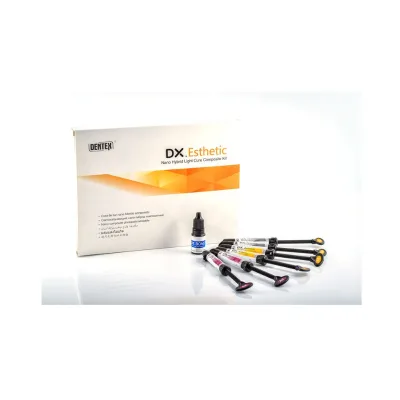


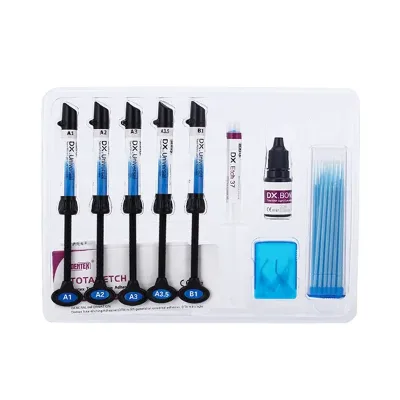


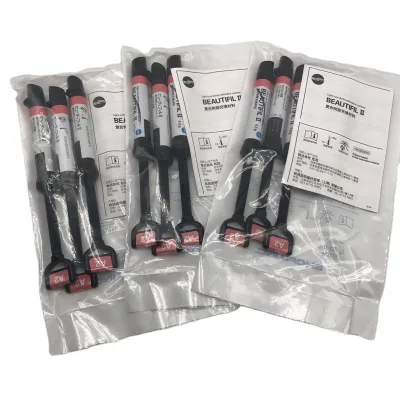
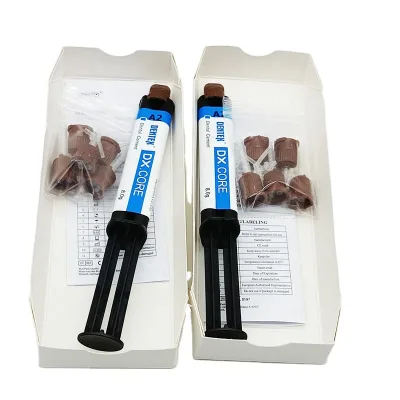
DX.CORE Dual Cure Core Build-up Composite A2 Dental Composite Materials
$20.94 - $22.06
MOQ: 10 pieces
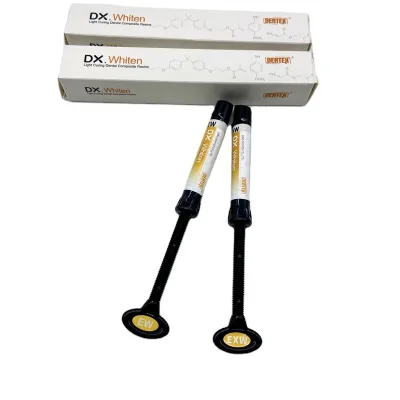
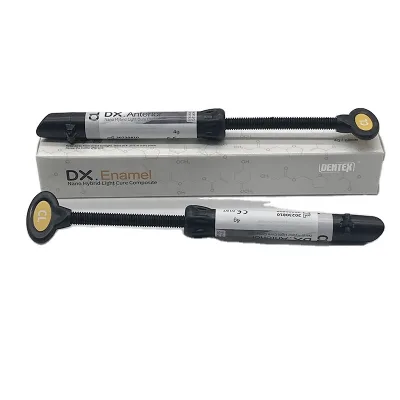


Comprehensive Sourcing Guide
Strategic Sourcing Guide for Dental Composite Materials
The global procurement landscape for Dental Composite materials requires a rigorous approach that balances clinical efficacy with supply chain reliability. Dental composites, defined as specialized resin-based restorative materials, serve as the cornerstone of modern restorative dentistry. These materials are engineered to mimic the natural appearance of teeth while providing the structural integrity necessary for functional restoration. For procurement professionals, understanding the specific attributes of these products is essential to ensure that the acquired inventory meets the stringent demands of dental departments and orthodontic departments. The market offers a diverse array of options, ranging from universal composites designed for general filling applications to flowable variants that offer enhanced adaptability for specific cavity preparations.
Technical Specifications and Material Composition
The technical performance of dental composites is primarily dictated by their material composition, filler size, and physical properties. The core material for these products is resin, specifically formulated to ensure optimal bonding and durability. A critical specification to evaluate is the filler size, which directly influences the polishability and wear resistance of the final restoration. In the current market, filler sizes are observed in ranges such as 0.02-1um, a specification that allows for a balance between strength and aesthetic finish. Buyers must verify the weight and volume of the product per unit, as these vary significantly between product lines. For instance, universal composites are often packaged in 4g syringes, while flowable composites may come in 2g units. The standard packaging for these materials typically includes a 3.8g or 4g per piece configuration, ensuring that the dosage aligns with clinical requirements.
Furthermore, the shade range is a vital technical parameter that affects the aesthetic outcome of dental procedures. High-quality dental composites are available in a comprehensive spectrum of shades to match natural dentition. Commonly observed shade options include A1, A2, A3, A3.5, A4, B1, B2, C2, D2, and White. The availability of these specific shades, such as A1 through A3.5 in universal models or the expanded range in flowable variants, ensures that clinicians can achieve precise color matching. The physical form of the material, whether it is a standard composite or a flowable type, determines its application method. While some products are designed for direct placement in syringes, others may require specific handling techniques. The classification of these instruments as Class I equipment further underscores their role in standard dental procedures, requiring strict adherence to manufacturing standards.
Compliance, Certification, and Regulatory Standards
Navigating the regulatory landscape is a fundamental aspect of sourcing dental composites. The market is characterized by products that must adhere to international standards to ensure safety and efficacy. Key certifications observed in the sector include CE and ISO marks, which indicate compliance with European and international quality management systems. These certifications are not merely administrative hurdles but are critical indicators of a product's adherence to rigorous testing protocols. Buyers should verify that the products they source carry valid certification status, as this is often a prerequisite for distribution in global trade markets. The standard designation for these materials often aligns with specific regulatory frameworks, ensuring that the product meets the necessary safety thresholds for use in dental departments.
In addition to certifications, the origin of the product plays a significant role in compliance verification. While some high-end materials may originate from regions known for advanced manufacturing, such as Japan, a significant portion of the global supply chain is rooted in China. The distinction in origin can influence the perceived quality and the specific regulatory pathways required for importation. Regardless of the origin, the product standard must be clearly defined, with specifications such as 4g, 2.7 ml/pc, or 5ml volumes serving as benchmarks for quality control. The "standard" designation in product documentation often refers to the adherence to established industry norms for filler content and resin matrix properties. Procurement teams must ensure that the supplier can provide documentation proving that the product meets these standards, particularly when importing into regions with strict medical device regulations.
Cost Drivers and Pricing Dynamics
The pricing of Dental Composite materials is influenced by a complex interplay of factors, including material composition, certification status, and packaging requirements. The observed price range in the current market spans from 3 to 60 USD, reflecting the diversity of product tiers available. Lower-priced items may correspond to basic universal composites or smaller volume units, while higher-priced items often represent specialized formulations, such as flowable composites with advanced shade ranges or products with extended validity periods. The cost is also driven by the MOQ (Minimum Order Quantity), which typically ranges from 1 to 50 units, with a common benchmark of 10 or 20 pieces. Buyers must consider that while a lower MOQ offers flexibility, it may result in a higher unit cost. Conversely, larger orders can leverage economies of scale but require careful inventory management.
Another significant cost driver is the packaging and logistics. Products are typically shipped in standard exported cartons, which are designed to protect the integrity of the resin-based materials during transit. The weight of the product, whether 2g or 4g per syringe, impacts shipping costs, particularly for international orders. Additionally, the validity date of the product, often cited as 3 years, affects the financial risk associated with inventory holding. Products with longer shelf lives offer better value for buyers who anticipate steady demand, whereas shorter validity periods may necessitate more frequent reordering. The trade market for these materials is global, meaning that currency fluctuations and international shipping rates can also influence the final landed cost. Buyers should analyze the total cost of ownership, including potential lead times and storage requirements, rather than focusing solely on the unit price.
Typical Applications and Departmental Suitability
Dental composites are versatile materials designed for a wide range of applications within the dental ecosystem. The primary use case is as a filling material, where the composite is used to restore teeth damaged by decay or trauma. Universal composites, such as the Yp Universal Composite, are specifically engineered for general restorative procedures, offering a balance of strength and aesthetics. Flowable composites, on the other hand, are ideal for applications requiring high adaptability, such as sealing pits and fissures or lining cavities before the placement of a bulk-fill composite. The specific application dictates the choice of product, with some materials being designated for the Dental Department and others for the Orthodontic Department.
The versatility of these materials extends to their usage frequency. While many composites are designed for single-use or disposable applications to maintain sterility, some specialized instruments and bonding materials are classified as non-disposable. This distinction is crucial for procurement planning, as it affects the frequency of replacement and the associated costs. The bonding material, often used in conjunction with composites, serves as the adhesive layer that ensures the composite adheres securely to the tooth structure. The delivery system for these materials, typically a syringe, facilitates precise application by the clinician. Whether used for direct filling or as a bonding agent, the material must meet the specific needs of the procedure, ensuring a durable and aesthetically pleasing result.
Supplier Evaluation and Quality Control
Selecting the right supplier is a critical step in the procurement process. Buyers should prioritize suppliers who demonstrate a commitment to quality control and transparency. The availability of customization options is a key indicator of a supplier's flexibility and ability to meet specific client needs. Suppliers that offer customization in packaging, labeling, or even product formulation can provide a competitive advantage in the market. Additionally, the availability of after-sale services, such as online technical support, is essential for resolving any issues that may arise during the use of the materials. This support ensures that dental professionals can maximize the utility of the products and address any clinical challenges promptly.
Quality control measures should be a central part of the supplier evaluation process. Buyers must verify that the supplier adheres to strict manufacturing standards and can provide evidence of consistent product quality. The classification of the instrument as Class I suggests that the product is subject to specific regulatory controls, and the supplier must demonstrate compliance with these regulations. The standard export packaging is another indicator of quality, as it ensures that the materials remain stable and uncontaminated during shipping. Buyers should also assess the supplier's track record in the global trade market, looking for evidence of successful transactions and positive feedback from other clients. The ability to meet the required MOQ and provide reliable lead times is also a critical factor in supplier selection.
Long-Term Procurement Considerations
Sourcing dental composites is not merely a transactional activity but a strategic decision that impacts long-term operational efficiency. Buyers must consider the validity date of the products, which is typically 3 years, when planning their inventory levels. A product with a long shelf life allows for bulk purchasing and reduces the risk of expiration, but it also requires adequate storage space. Conversely, products with shorter validity periods may necessitate a just-in-time procurement strategy to minimize waste. The global nature of the trade market means that buyers must be prepared for potential disruptions in the supply chain, such as changes in shipping routes or regulatory requirements.
Another long-term consideration is the evolution of technology and standards in the dental industry. As new materials and techniques emerge, the demand for specific types of composites may shift. Buyers should stay informed about these trends and maintain relationships with suppliers who are capable of adapting to new requirements. The availability of different models, such as SD-CM01, SD-M26A, and YP U, suggests that the market is dynamic and offers a variety of options. By maintaining a flexible procurement strategy, buyers can ensure that they have access to the latest and most effective Dental Composite materials. Ultimately, the goal is to build a sustainable supply chain that supports the clinical needs of dental professionals while maintaining cost-effectiveness and quality.
FAQs
What certifications do dental composites typically hold?
Products typically hold CE and ISO certifications. These marks indicate compliance with European and international quality management systems, ensuring safety and efficacy for use in dental and orthodontic departments globally.
Which shade options are available for dental composites?
Common shade options include A1, A2, A3, A3.5, A4, B1, B2, C2, D2, and White. Universal models often feature A1 through A3.5, while flowable variants offer an expanded spectrum for precise color matching.
How is the weight of Dental Composite materials specified?
Materials are specified by weight per unit, such as 4g per syringe for universal composites or 2g per syringe for flowable types. Standard packaging configurations ensure the dosage aligns with specific clinical requirements.
Can dental composites be customized for specific needs?
Yes, customization is available for these products. Suppliers often offer flexibility in packaging, labeling, or formulation to meet specific client needs and ensure the inventory meets the demands of dental departments.
What is the validity period for Dental Composite materials?
The validity date is typically 3 years. This shelf life affects inventory planning, allowing for bulk purchasing while minimizing the risk of expiration if storage conditions are maintained properly.
Which materials are used in Dental Composite formulations?
The core material is resin, often with filler sizes ranging from 0.02 to 1um. This composition ensures optimal bonding, durability, and a balance between strength and aesthetic finish for restorative procedures.
What is the minimum order quantity for dental composites?
The MOQ typically ranges from 1 to 50 pieces, with common benchmarks of 10 or 20 pieces. Lower MOQs offer flexibility but may result in higher unit costs compared to larger orders.
Where are Dental Composite materials primarily manufactured?
Products originate from locations such as China and Japan. The origin influences regulatory pathways and perceived quality, with both regions supplying materials that meet international standards for global trade markets.