Source Class II Fetal Monitor for Hospitals, Clinics, and Home Care
Explore 30 verified options for a Class II Fetal Monitor suitable for hospitals, clinics, and home care settings. Buyers can compare specifications like display types, measurement ranges, and certifications to find the right equipment for monitoring fetal heart rates and uterine contractions.
Key considerations
Products List


Emergency Medical 10"LED Backlight Touch Screen Maternal Fetal Monitor
$225.00 - $575.00
MOQ: 1 Pieces


High Quality 12.1 Inch Fetal Monitor Central Fetal Monitoring System for Clinic
$345.00 - $880.00
MOQ: 1 Pieces
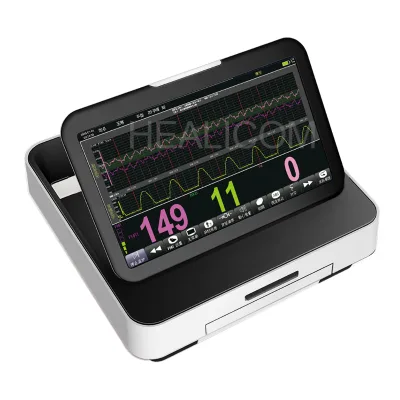
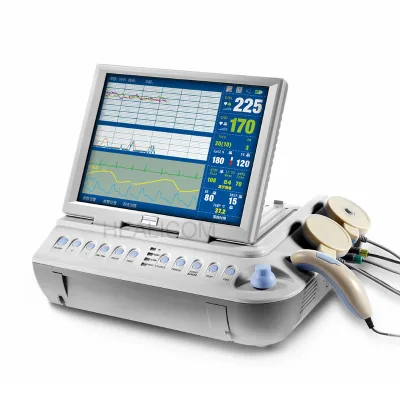
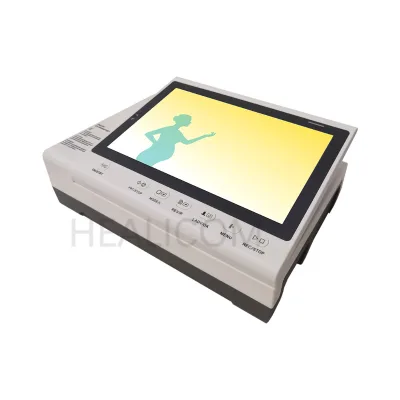
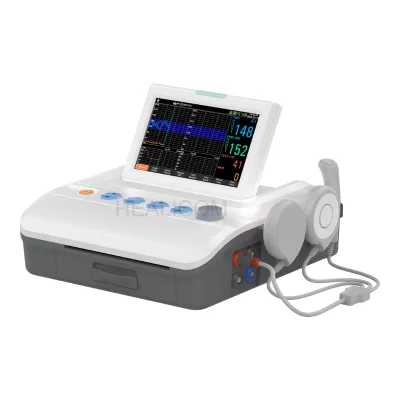


Precision Fetal Monitor Operate a Gradient Fetal Monitor Fetal Monitor for Home
$299.00 - $498.00
MOQ: 1 Pieces

12.1 Inch Fetal Monitor Central Fetal System for Clinic and Hospital Use
$345.00 - $888.00
MOQ: 1 Pieces


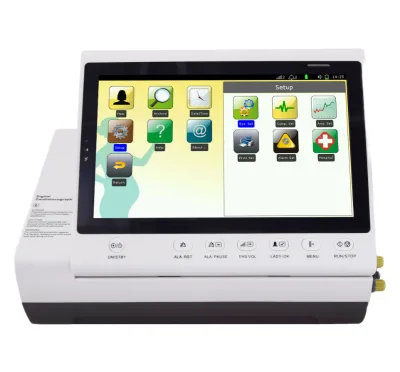


Medical Equipment Fetal Monitor; Fetal Maternal Monitor Heart Rate Test
$500.00 - $518.00
MOQ: 1 Pieces


Comprehensive Sourcing Guide
Class II Fetal Monitor Sourcing Guide
Procuring a Class II Fetal Monitor requires a disciplined approach to verifying technical accuracy and regulatory compliance, as these devices directly impact maternal and fetal health outcomes. Buyers must prioritize equipment that demonstrates high-sensitivity signal processing and reliable Doppler technology to ensure consistent heart rate detection. The observed market includes models like the FM-10C and FM-10E, which feature distinct display technologies ranging from folding-up color touch screens to standard LCD interfaces. Understanding these hardware variations is essential for matching device capabilities to specific clinical workflows and user interface preferences.
Beyond hardware, the procurement strategy must account for the specific classification of the instrument as a physiological function diagnosis and monitoring equipment. This classification dictates the rigorous quality control standards and post-market surveillance requirements that suppliers must adhere to. Buyers should evaluate the supplier’s ability to provide comprehensive after-sales support, including online technical assistance, which is critical for maintaining device performance over its operational lifespan. The presence of certifications such as FDA and ISO/CE serves as a baseline indicator of manufacturing quality, but deeper verification of the production process is necessary.
Product Scope and Observed Listing Signals
The current market landscape for Class II fetal monitors reveals a diverse range of product configurations tailored to different clinical environments. Listings indicate models such as the Um-Mt-5115c and UMFMR002, which vary in their transducer specifications and display sizes. For instance, some units utilize a nine-crystal pulsed Doppler transducer with a working frequency of 1.0 MHz, while others may feature different ultrasound frequencies like 1 MHz. These technical distinctions directly influence the clarity of the fetal heart rate signal and the overall user experience, making it imperative for buyers to scrutinize the specific model numbers and their associated technical attributes before placing orders.
Commercial signals also highlight significant variations in packaging and origin, which affect logistics and total cost of ownership. Products are typically packed in cartons, with some listings specifying one piece per carton, and originate from regions such as Guangdong and Jiangsu in China. The observed price range spans from $10 to $10,000, reflecting the disparity between basic handheld dopplers and more complex multi-parameter monitors. Buyers must navigate this wide spectrum by correlating price points with the included features, such as alarm ranges, paper size for printouts, and the inclusion of accessories like pressure transducers for toco measurement.
Technical Specifications to Verify
When evaluating technical specifications, the fetal heart rate measurement range is a critical parameter that must align with clinical standards. Observed models specify ranges such as 50-210 bpm or 30-240 bpm, with some devices offering a broader span of 30-250 bpm. Buyers should verify that the selected monitor can accurately detect and display heart rates across this entire spectrum without signal dropout. Additionally, the alarm settings, which often include high thresholds of 160-190 bpm and low thresholds of 90-110 bpm, must be customizable to suit individual patient needs and institutional protocols, ensuring timely alerts for potential complications.
Ultrasound output intensity and transducer sensitivity are equally vital for ensuring patient safety and image quality. Specifications indicate that ultrasound output intensity should remain below 20 MW/cm², with some advanced models maintaining levels under 5 MW/cm² to minimize thermal exposure. The transducer type, often described as a high-sensitivity pulsed Doppler, plays a crucial role in achieving an excellent signal-to-noise ratio. Buyers must confirm that the device employs modern signal processing techniques, such as special DSP systems, to enhance the clarity of the fetal heart sound and ensure reliable monitoring during extended procedures.
Compliance and Safety Documentation
Regulatory compliance is non-negotiable for Class II medical devices, and buyers must verify that suppliers hold valid certifications such as CE and ISO standards. The presence of FDA clearance for certain models indicates a higher level of scrutiny regarding safety and efficacy, which is particularly important for markets with stringent regulatory frameworks. Buyers should request copies of these certificates and cross-reference them with official regulatory databases to ensure they are current and applicable to the specific model being purchased. This due diligence helps mitigate the risk of procuring non-compliant equipment that could lead to legal liabilities or clinical issues.
In addition to certifications, the instrument classification as Class II implies specific risk management requirements that must be documented by the manufacturer. Buyers should inquire about the device’s material composition, such as metal components, and ensure that all materials meet biocompatibility standards. The warranty period, often listed as two years, provides a baseline for manufacturer support, but buyers should also verify the scope of this warranty, including coverage for parts and labor. Understanding the full extent of the warranty and the associated after-sale service terms is essential for planning long-term maintenance and operational continuity.
Cost Drivers and Commercial Terms
The cost of a Class II Fetal Monitor is influenced by several factors, including the complexity of the display system, the quality of the transducer, and the level of customization available. Models with large, folding-up color touch screens and user-friendly interfaces typically command higher prices due to the advanced engineering involved. Buyers should assess whether these premium features are necessary for their specific use case or if a standard LCD display suffices. Customization options, such as specific alarm thresholds or branding, may also incur additional costs, so it is important to clarify these requirements early in the procurement process to avoid unexpected expenses.
Commercial terms, including minimum order quantities (MOQ) and lead times, significantly impact the total cost of acquisition. Observed listings often show an MOQ of one piece, which offers flexibility for small clinics or trial purchases but may result in higher per-unit costs compared to bulk orders. Buyers should negotiate volume discounts if they anticipate future purchases and clarify the lead time for production and shipping. Additionally, the packaging details, such as the carton specifications, should be reviewed to ensure they meet the logistical requirements of the destination, minimizing the risk of damage during transit and reducing potential replacement costs.
Supplier Qualification and Quality Control
Supplier qualification is a critical step in ensuring the reliability and safety of Class II fetal monitors. Buyers should verify the supplier’s manufacturing capabilities, including their adherence to ISO standards and their experience in producing medical devices. The place of origin, such as Guangdong or Jiangsu, can provide insights into the supplier’s industrial ecosystem and supply chain robustness. It is advisable to request detailed information about the supplier’s quality management system, including their procedures for incoming material inspection, in-process quality control, and final product testing. This transparency helps build confidence in the supplier’s ability to consistently produce high-quality devices.
Quality control extends beyond the manufacturing phase to include post-production support and service infrastructure. Buyers should evaluate the supplier’s after-sale service capabilities, such as online technical support, to ensure that any issues can be resolved promptly. The availability of spare parts and the ease of obtaining technical assistance are key indicators of a supplier’s commitment to long-term customer satisfaction. Additionally, buyers should consider the supplier’s reputation in the market and their track record of delivering compliant and reliable medical equipment. Establishing a strong relationship with a qualified supplier can facilitate smoother procurement processes and better support throughout the device’s lifecycle.
Long-Term Procurement Checks
Long-term procurement success depends on establishing a robust framework for ongoing supplier performance evaluation and device maintenance. Buyers should implement regular audits of the supplier’s quality control processes and compliance status to ensure continued adherence to regulatory standards. This includes verifying that any updates to certifications or standards are promptly communicated and implemented. By maintaining a proactive approach to supplier management, buyers can mitigate risks associated with supply chain disruptions or changes in regulatory requirements, ensuring a stable and reliable source of Class II fetal monitors.
Furthermore, buyers should develop a comprehensive maintenance and calibration plan for the acquired devices to ensure their continued accuracy and safety. This includes scheduling regular checks of the ultrasound output intensity, transducer sensitivity, and alarm functionality. Training clinical staff on proper device operation and troubleshooting is also essential to maximize the lifespan of the equipment and minimize downtime. By investing in these long-term procurement checks, buyers can optimize the total cost of ownership and ensure that their fetal monitoring services remain effective and compliant with evolving clinical standards.
FAQs
What certifications do class II fetal monitors have?
These devices typically hold FDA and ISOCE certifications to ensure safety and compliance. The listed models specifically display FDA and ISOCE marks, confirming they meet international regulatory standards for medical equipment used in monitoring fetal heart rates and uterine contractions.
Which display types are available for these monitors?
Available screens include 12.1-inch folding color touch displays or 5.7-inch LCD panels depending on the specific model. Users can choose between larger interactive interfaces or compact screens based on their clinical space requirements and portability needs for patient monitoring.
Can these monitors be customized for specific needs?
Yes, customization is available for many Class II Fetal Monitor models to suit different clinical environments. Buyers can request specific configurations while ensuring the device maintains its high-sensitive problem accuracy and excellent signal-to-noise rate for reliable fetal heart rate detection.
What is the warranty period for these devices?
The standard warranty period provided for these monitors is two years from the date of purchase. This coverage ensures that buyers receive support for potential defects, complementing the online technical assistance offered by manufacturers for ongoing operational reliability.
How is the ultrasound output intensity regulated?
The ultrasound output intensity is strictly regulated to remain below 20 MW/cm2 or 5 MW/cm2 depending on the specific unit. This safety limit ensures the device operates within safe parameters while utilizing pulsed Doppler techniques for accurate fetal heart rate measurement.
Where are these monitors manufactured?
These devices are manufactured in China, with specific production locations including Guangdong and Jiangsu provinces. Buyers sourcing these items will find that the origin is consistently documented as China, ensuring traceability for the class II fetal monitoring equipment.