Source Multifunctional Electric Dental Chair for Clinics, Hospitals, and Practices
Explore 30 listings of Multifunctional Electric Dental Chair options tailored for adult and child applications. Buyers can compare models like HDC-S9 and HV-920, noting variations in power sources, certifications, and packing types to find the right equipment for oral surgery or general dentistry.
Key considerations
Products List


Highest Cost-Effective Treatment Comprehensive Dental Treatment Machine
$780.00 - $830.00
MOQ: 1 Pieces


High Grade Comfortable Dental Chair for Dentist Use Dental Unit Electric Dental Chair
$1000.00 - $3000.00
MOQ: 1 Pieces


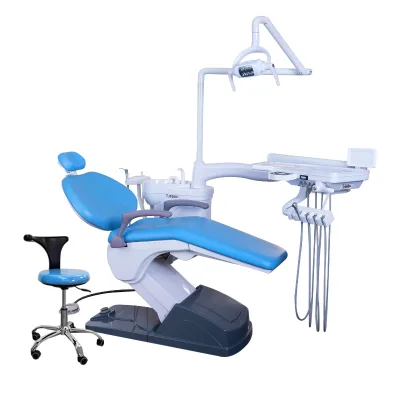


High Quality Dental Chair Dental Operator Chair Full Set Electric Dental Chair
$1980.00 - $4500.00
MOQ: 1 Pieces


Comprehensive Sourcing Guide
Multifunctional Electric Dental Chair Sourcing Guide
Procuring a Multifunctional Electric Dental Chair requires a strategic approach that balances clinical functionality with operational efficiency. Buyers must first define the specific clinical needs, such as whether the unit will serve oral surgery, general dentistry, or pediatric care. The observed market signals indicate a wide range of styles, from luxury designs to simple, functional models, each catering to different practice aesthetics and patient comfort expectations. Understanding these distinctions is crucial for selecting a chair that aligns with the practice’s brand identity and workflow requirements.
The sourcing landscape for these units is diverse, with manufacturers primarily located in key industrial hubs like Jiangsu, Foshan, and Hebei in China. These regions offer a concentration of suppliers capable of producing high-volume, standardized equipment. Buyers should leverage this geographic concentration to compare multiple quotes and assess the reliability of potential partners. It is essential to verify that the supplier’s production capabilities match the required customization levels, as many listings indicate that customization is available for specific clinical or aesthetic preferences.
Product Scope and Observed Listing Signals
The current market offers a variety of dental chairs, including specific models like the HDC-S9, HV-920, and HD-2688A, which cater to different price points and feature sets. Listings frequently highlight attributes such as electric power sources, new condition status, and multifunctional capabilities. These signals suggest that modern units are designed to integrate seamlessly with other dental equipment, offering features like adjustable positioning, integrated lighting, and tool delivery systems. Buyers should carefully review these product signals to ensure the selected model meets the technical demands of their daily operations.
Observed specifications often include dimensions around 130100120cm and weights near 230kg, indicating robust construction suitable for heavy clinical use. Packaging methods vary, with wooden cases, crates, and boxes being common to protect the equipment during transit. The presence of certifications like CE and ISO in listings is a strong indicator of compliance with international safety and quality standards. However, buyers must verify that these certifications are current and applicable to the specific model being purchased, as certification status can vary between different product lines from the same manufacturer.
Technical Specifications to Verify
When evaluating technical specifications, buyers should prioritize the power source and control mechanisms. Most observed units are electric, ensuring smooth and precise adjustments for patient positioning. It is critical to verify the motor quality and the responsiveness of the control panel, as these components directly impact clinical efficiency and patient comfort. Additionally, the chair’s load capacity and stability should be confirmed, especially if the practice anticipates treating patients of varying sizes or using heavy auxiliary equipment.
Dimensions and weight are also key technical factors that influence installation and clinic layout. Standard sizes like 130100120cm provide a baseline, but buyers should confirm if the unit fits within their treatment room constraints. The inclusion of multifunctional features, such as integrated suction or air-water syringe systems, should be detailed in the technical datasheet. Buyers must ensure that these features are compatible with their existing plumbing and electrical infrastructure to avoid costly modifications during installation.
Compliance and Safety Documentation
Compliance with international standards is non-negotiable for dental equipment. Buyers must request valid CE and ISO certificates, specifically ISO 13485 for quality management systems in medical devices. These documents prove that the manufacturer adheres to rigorous production and quality control processes. It is important to verify that the certificates cover the specific model being purchased, as certifications are often model-specific and may not apply to all products from a single supplier.
Safety documentation should also include detailed user manuals, maintenance guides, and warranty terms. These documents provide essential information for safe operation and long-term upkeep. Buyers should ensure that the supplier provides clear instructions for emergency procedures and routine maintenance tasks. Additionally, verifying the origin of the product, such as Jiangsu or Hebei in China, can help in assessing the regulatory environment and the manufacturer’s track record with international compliance requirements.
Cost Drivers and Commercial Terms
Cost drivers for multifunctional electric dental chairs include the complexity of features, material quality, and customization options. Luxury styles and multifunctional units typically command higher prices due to advanced engineering and premium materials. Buyers should request detailed breakdowns of costs to understand what is included, such as installation services, training, and after-sales support. This transparency helps in comparing quotes accurately and avoiding hidden fees that can inflate the total cost of ownership.
Commercial terms, including MOQ and lead times, vary among suppliers. While some listings indicate an MOQ of one set, others may have different requirements. Buyers should negotiate favorable payment terms and delivery schedules to align with their clinic’s opening or renovation timeline. Understanding the packaging method, such as wooden cases or crates, is also important for calculating shipping costs and ensuring safe delivery. Clear communication on these terms prevents misunderstandings and ensures a smooth procurement process.
Supplier Qualification and Quality Control
Supplier qualification involves assessing the manufacturer’s reputation, production capacity, and quality control processes. Buyers should request references from other international clients and verify the supplier’s track record in delivering compliant products. Visiting the factory or conducting virtual audits can provide insights into the manufacturing environment and quality assurance practices. This due diligence helps in identifying reliable partners who can consistently deliver high-quality dental chairs.
Quality control measures should include pre-shipment inspections and testing protocols. Buyers should inquire about the specific tests conducted on each unit, such as electrical safety tests and mechanical durability checks. Requesting a certificate of conformity for each batch ensures that the products meet the agreed-upon specifications. Establishing a clear communication channel with the supplier for addressing any quality issues post-delivery is also crucial for maintaining long-term operational reliability.
Long-Term Procurement Checks
Long-term procurement success depends on establishing a robust after-sales support system. Buyers should verify the availability of spare parts and the responsiveness of the supplier’s technical support team. Access to genuine parts ensures that the dental chair remains operational with minimal downtime. Additionally, understanding the warranty coverage and the process for claiming repairs or replacements is essential for managing long-term maintenance costs and ensuring patient care continuity.
Regular performance reviews and feedback loops with the supplier can help in identifying areas for improvement. Buyers should monitor the chair’s performance over time and report any issues promptly to the supplier. Building a collaborative relationship with the manufacturer can lead to better service, potential upgrades, and favorable terms for future purchases. Continuous engagement ensures that the procurement strategy remains aligned with the practice’s evolving clinical needs and technological advancements.
FAQs
What certifications do these multifunctional electric dental chairs have?
These chairs typically hold CE and ISO certifications to ensure safety and compliance. Some models also feature FDA approval for broader market access. Buyers should verify specific certification documents for each unit before purchase to confirm regulatory standing.
Can I customize the Multifunctional Electric Dental Chair for my clinic?
Yes, customization is available for these multifunctional electric dental chairs to meet specific clinic needs. Buyers can request adjustments to style or features while maintaining core functionality. Contact suppliers directly to discuss available customization options and associated lead times.
Which power source drives the Multifunctional Electric Dental Chair operation?
The primary power source for these chairs is electricity, ensuring smooth and reliable operation during procedures. Some listings mention machinery as a power source, but electricity remains the standard for modern units. Always confirm power requirements with the specific manufacturer before installation.
What is the typical packaging method for shipping these dental chairs?
Products are commonly packed in wooden cases, wooden crates, or sturdy cartons to prevent damage during transit. Specific packaging types vary by model, with some units shipped in wooden boxes. Buyers should request detailed packing lists to ensure safe delivery to their facility.
How much does a Multifunctional Electric Dental Chair cost per unit?
The observed price range for these chairs spans from 1 to 8000 USD depending on the model and features. Prices vary significantly based on specifications like size, certification, and customization options. Buyers should request a formal quote to determine the exact cost for their specific requirements.
What is the minimum order quantity for purchasing these dental chairs?
The minimum order quantity ranges from 1 to 10 units, allowing flexibility for small clinics or large procurement projects. Some suppliers list a minimum of one set, while others may require higher volumes. Check individual supplier terms to confirm the specific MOQ applicable to your order.
Where are these multifunctional electric dental chairs manufactured?
Manufacturing locations include Jiangsu, Foshan, and Hebei in China, indicating a concentration of production in these regions. The origin is consistently listed as China for most models. Buyers should verify the specific factory location to assess logistics and shipping times for their destination.