Source Duplex Printing Ultrasound Printer for Hospitals Clinics Labs
Compare 30 Duplex Printing Ultrasound Printer models from global suppliers. Buyers can evaluate specifications like resolution, print speed, and certifications to find suitable devices for hospitals, clinics, and diagnostic labs; compare the available evidence and request quotations based on your requirements.
Key considerations
Products List


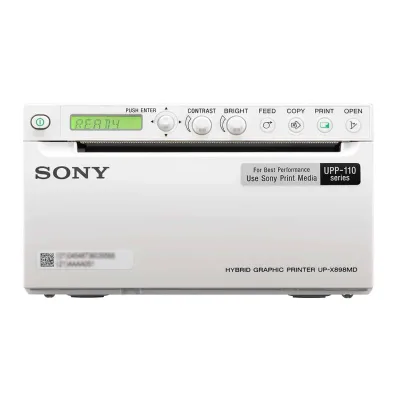

Great Hybrid Graphic Ultrasound Scan Machine Thermal Printer up-X898MD Medical Ultrasound Printer
$599.00 - $699.00
MOQ: 1 Pieces

Best Ultrasonic Digital Video Printer up-X898MD Ultrasound Printer Medical Equipment
$599.00 - $699.00
MOQ: 1 Pieces


up-X899MD Ultrasound Image Digital Black and White Hybrid Thermal Graphic Printer
$500.00 - $800.00
MOQ: 1 Pieces


up-D898MD Digital Black and White Printer for Ultrasound Printer Metal Material
$500.00 - $800.00
MOQ: 1 Pieces


Comprehensive Sourcing Guide
Duplex Printing Ultrasound Printer Sourcing Guide
Procuring duplex-capable ultrasound printers requires a strategic focus on thermal imaging technology and specific medical-grade components. These devices are essential for diagnostic facilities that need to produce high-quality, double-sided images for patient records and clinical review. Buyers must distinguish between standard single-sided units and those explicitly engineered for duplex functionality, as the mechanical complexity increases significantly with the ability to handle both sides of the thermal paper. This guide outlines the critical technical, compliance, and commercial factors that influence the total cost of ownership and operational reliability in hospital and clinic environments.
The primary challenge in sourcing these specialized printers lies in verifying the actual duplex mechanism rather than relying on generic marketing terms. Many listings may describe standard thermal printers that are not inherently duplex, leading to procurement errors if not carefully vetted. Buyers should prioritize suppliers who provide detailed technical datasheets confirming the print head configuration and paper path design. Understanding the specific model variations, such as those with distinct resolutions or paper sizes, is crucial for ensuring compatibility with existing ultrasound scanner systems and maintaining consistent image quality across different diagnostic procedures.
Product Scope and Observed Listing Signals
The market for ultrasound printers includes a diverse range of models, from compact units for small clinics to larger systems for high-volume hospitals. Observed listings indicate a wide spectrum of product scales, including small, medium, and large formats, which directly impacts the physical footprint and throughput capacity of the device. Buyers should note that specific models like the UP-X898MD and MS-C2100 represent different tiers of performance and feature sets. The presence of both customized and non-customized options suggests that suppliers can tailor hardware configurations to specific workflow requirements, allowing for adjustments in paper handling or connectivity interfaces to match existing medical imaging infrastructure.
Listing signals also reveal variations in origin and branding, with products sourced from both Japan and China. This geographic diversity offers buyers opportunities to balance cost against perceived reliability and after-sales support networks. For instance, Japanese-origin units often carry a reputation for precision engineering, while Chinese-manufactured models may offer more competitive pricing for bulk procurement. It is essential to examine the specific attributes listed for each model, such as the "Strong Packing" or "Carton with Belt" descriptions, which indicate the robustness of the shipping preparation. These details help buyers assess the risk of transit damage, a critical consideration for high-value medical equipment that must arrive in perfect working condition.
Technical Specifications to Verify
When evaluating technical specifications, the print resolution is a paramount factor, with high-resolution options typically offering 325 DPI to ensure diagnostic clarity. Buyers must verify that the printer supports the specific paper types required by their facility, such as UPP-110s/5, UPP-110HD, or UPP-110HG, to avoid compatibility issues. The print technology is predominantly thermal, either dye sublimation or direct thermal, each with distinct advantages regarding image longevity and cost per print. Dye sublimation often provides superior color fidelity and durability, which is critical for long-term archival of medical records, while direct thermal may offer faster print times, approximately 1.9 seconds in some models, enhancing workflow efficiency in busy clinics.
Beyond resolution and paper compatibility, the physical dimensions and weight of the printer must align with the available space in the diagnostic room. Specifications indicate picture areas up to 320 x 100mm and weights around 5kg, which are manageable for most clinical settings but require careful planning for installation. The power source is typically electric, but buyers should confirm voltage requirements to ensure compatibility with local power grids. Additionally, the gradation level, often 8 bits or 256 levels, affects the smoothness of grayscale images, which is vital for interpreting subtle tissue contrasts in ultrasound scans. Verifying these technical details prevents post-purchase adjustments that could disrupt clinical operations.
Compliance and Safety Documentation
Compliance with international safety and quality standards is non-negotiable for medical devices used in diagnostic settings. Buyers must request documentation proving that the printer meets relevant certifications, such as CE, ISO, and FDA approvals, depending on the target market. The observed certifications include ISO, CE, and FDA, which indicate adherence to strict manufacturing and safety protocols. However, it is crucial to verify that these certifications are current and specific to the exact model being procured, as generic certificates may not cover all variants. This documentation serves as a legal safeguard, ensuring that the device meets the regulatory requirements for medical equipment in hospitals and clinics.
In addition to general safety certifications, buyers should look for specific medical device standards, such as ISO 13485, which governs the quality management systems for medical devices. The presence of standards like TUV and ISO9001 further reinforces the supplier's commitment to quality and consistency. These certifications are not merely formalities; they reflect the rigor of the manufacturing process and the reliability of the product. Buyers should also inquire about the after-sale service, such as online technical support, which is often linked to the compliance framework. Ensuring that the supplier can provide comprehensive compliance documentation helps mitigate regulatory risks and ensures smooth integration into the facility's quality assurance processes.
Cost Drivers and Commercial Terms
The cost of duplex ultrasound printers is influenced by several factors, including the print technology, resolution, and brand reputation. Observed price ranges in the market span from $0.1 to $2500, reflecting the wide variety of models and configurations available. Buyers should be cautious of extremely low prices, which may indicate lower-quality components or limited warranty coverage. The minimum order quantity (MOQ) also varies, with ranges from 1 to 5000 units, allowing for flexibility in procurement strategies. For facilities requiring bulk purchases, negotiating favorable terms based on volume can significantly reduce the per-unit cost, while smaller clinics may benefit from lower MOQs that align with their immediate needs.
Commercial terms also include lead times and warranty periods, which impact the total cost of ownership. Observed lead times can be as short as 7 days, which is advantageous for urgent procurement needs, but buyers should confirm this with the supplier to avoid delays. Warranty periods typically range from 12 to 18 months, providing a safety net for potential defects or malfunctions. Buyers should carefully review the warranty terms to understand what is covered, including parts and labor, and whether extended warranty options are available. Additionally, the packing method, such as "Carton" or "50X30X50 Cm," affects shipping costs and insurance requirements, which should be factored into the overall budget.
Supplier Qualification and Quality Control
Qualifying a supplier for duplex ultrasound printers involves assessing their manufacturing capabilities, quality control processes, and after-sales support infrastructure. Buyers should request evidence of the supplier's factory status, as indicated by the "Factory: Yes" attribute, which suggests direct manufacturing rather than reselling. This direct relationship can lead to better pricing and more reliable supply chains. Additionally, the supplier's ability to provide customized solutions, as seen in the "Customized" and "Customization: Available" attributes, indicates flexibility in meeting specific technical requirements. This capability is particularly valuable for facilities with unique workflow needs or non-standard equipment configurations.
Quality control is another critical aspect of supplier qualification, with standards like ABS plate, steel metal, and metal, plastic, resin indicating the materials used in the printer's construction. These materials affect the durability and longevity of the device, which is essential for high-usage environments. Buyers should inquire about the supplier's quality control procedures, including inspection protocols and testing methods, to ensure that each unit meets the specified standards. Furthermore, the supplier's after-sale service, such as online technical support, should be evaluated for responsiveness and effectiveness. A reliable supplier will provide comprehensive support, minimizing downtime and ensuring continuous operation of the diagnostic equipment.
Long-Term Procurement Checks
Long-term procurement of duplex ultrasound printers requires a strategic approach to ensure sustained value and reliability. Buyers should establish a framework for ongoing performance monitoring, tracking metrics such as print quality, uptime, and maintenance costs. This data can inform future procurement decisions and help identify potential issues before they become critical. Additionally, buyers should consider the lifecycle of the printer, including the availability of spare parts and consumables, such as thermal paper. Ensuring a steady supply of compatible paper, like UPP-110s/5, is crucial for uninterrupted operations, and buyers should negotiate long-term supply agreements to secure consistent pricing and availability.
Relationship management with the supplier is also vital for long-term success. Regular communication and feedback loops can help address any emerging issues and improve the overall procurement experience. Buyers should also stay informed about technological advancements in ultrasound printing, as new models may offer improved features or efficiencies. By maintaining a proactive approach to procurement, buyers can ensure that their diagnostic facilities remain equipped with the latest technology, supporting high-quality patient care and operational efficiency. This strategic focus on long-term value and supplier relationships helps mitigate risks and maximizes the return on investment in medical imaging equipment.
FAQs
What certifications do duplex printing ultrasound printers have?
These printers typically hold ISO, FDA, and CE certifications to ensure safety and compliance. Some models also meet ISO9001, 13485, and TUV standards. Buyers should verify specific certification documents for each unit to confirm regulatory approval for medical use in their region.
How long is the lead time for these printers?
The standard lead time for delivery is approximately seven days from order confirmation. This duration applies to most stock items available for immediate shipment. Buyers requiring expedited processing should confirm specific availability with the supplier before finalizing the purchase agreement.
Which printing technology is used in these devices?
These devices utilize Dye Sublimation Thermal Printing or Direct Thermal Printing technologies. The process ensures high-quality output with resolutions up to 325 DPI. This method allows for fast printing speeds of approximately 1.9 seconds per image, suitable for clinical environments.
Can I find customized duplex printing ultrasound printers?
Yes, customized options are available for specific buyer requirements. While some models are non-customized, others offer customization services to meet unique operational needs. Buyers should specify their customization requests clearly to ensure the manufacturer can accommodate the requested modifications effectively.
What warranty periods are offered for these printers?
Warranty periods typically range from twelve to eighteen months depending on the specific model. This coverage ensures protection against manufacturing defects and operational failures. Buyers should review the warranty terms provided by the manufacturer to understand the exact duration and scope of support included.
Where are these printers manufactured?
Manufacturing origins include Japan and China, offering diverse production capabilities. Products from Japan often feature high precision, while Chinese models provide cost-effective solutions. Buyers should check the product origin label to determine the specific manufacturing location for each unit they intend to purchase.
What is the minimum order quantity for these printers?
Minimum order quantities vary significantly, ranging from one unit up to five thousand units. This flexibility allows buyers to purchase single units for testing or large batches for hospital-wide deployment. The specific MOQ depends on the supplier and the customization level required for the order.