Source Class II Multiparameter Patient Monitor for ICU, ER, and Clinic
Source a Class II Multiparameter Patient Monitor from 30 verified listings. Compare features like 12-inch TFT displays, ECG and SpO2 monitoring, and CE/ISO certifications to find the right device for your medical facility needs.
Key considerations
Products List




Comprehensive Sourcing Guide
Class II Multiparameter Patient Monitor Sourcing Guide
Procuring a Class II Multiparameter Patient Monitor requires a disciplined approach that balances clinical utility with rigorous supply chain verification. These devices are critical for continuous physiological monitoring in hospital wards, intensive care units, and emergency settings, providing real-time data on vital signs such as heart rate, blood pressure, oxygen saturation, and respiratory rate. Buyers must navigate a market where specifications vary significantly between models, ranging from basic six-parameter units to advanced systems with optional modules for invasive blood pressure, end-tidal CO2, and cardiac output. The core challenge lies in ensuring that the selected monitor meets the specific clinical workflow requirements while adhering to strict regulatory and quality standards mandated by the target market.
This guide provides a structured framework for evaluating potential suppliers and products based on observed market signals and trusted industry knowledge. It focuses on the technical, compliance, and commercial aspects of sourcing these medical devices, emphasizing the need for thorough due diligence. By understanding the nuances of product classifications, display technologies, and certification requirements, procurement teams can mitigate risks associated with non-compliant equipment or unreliable supply chains. The following sections detail the essential verification steps and decision criteria necessary for successful procurement.
Product Scope and Observed Listing Signals
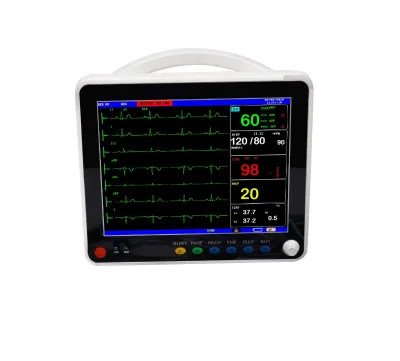
The current market for Class II multiparameter patient monitors exhibits a wide range of configurations, primarily driven by the number of parameters monitored and the quality of the user interface. Observed listings indicate that standard configurations typically include SpO2, pulse rate, non-invasive blood pressure (NIBP), ECG, respiration, and temperature. However, advanced models often offer optional configurations such as end-tidal CO2 (Etco2), invasive blood pressure (IBP) channels, and specialized SpO2 sensors like Nellcor or Masimo. Buyers should carefully distinguish between standard and optional features, as these additions significantly impact both the unit’s price and its suitability for specific clinical environments, such as operating rooms or step-down units.
Display technology is another critical differentiator, with screen sizes ranging from 8.4 inches to 15.1 inches, and resolutions varying from 800x600 dpi to high-resolution color TFT LCDs. The choice of display affects not only the clarity of waveform analysis but also the overall footprint of the device on the patient bedside. Some models feature touch-screen inputs for enhanced usability, while others rely on traditional button interfaces. Additionally, packaging standards vary, with options including standard export packages, cartons, and specific dimensions that influence logistics and storage. Procurement teams must align these physical and functional attributes with their facility’s infrastructure and clinical needs to avoid mismatches in deployment.
Technical Specifications to Verify
When evaluating technical specifications, the first priority is to verify the monitor’s classification and regulatory type, which often dictates its intended use and safety requirements. Many listed models are classified as Class II medical devices, indicating a moderate to high risk profile that necessitates special controls to ensure safety and effectiveness. Buyers should confirm the exact model numbers, such as ZG MEQUIP-HD-ZD120D, PDJ-800, or the NL series, as these identifiers often correlate with specific hardware capabilities and software versions. It is essential to request detailed datasheets that outline the precise parameters supported, including the number of ECG leads, the type of SpO2 sensor compatibility, and the accuracy of NIBP measurements.
Another key area for verification is the device’s connectivity and data management capabilities. Modern patient monitors often support integration with hospital information systems (HIS) or electronic health records (EHR), requiring specific communication protocols and interfaces. Buyers should inquire about the availability of digital outputs, USB ports, or network connectivity options that facilitate seamless data transfer. Furthermore, the language support built into the device’s operating system is a practical consideration for international deployments, with some models offering multi-language interfaces to accommodate diverse clinical staff. Ensuring that the technical specifications align with the facility’s IT infrastructure and clinical protocols is crucial for operational efficiency.
Compliance and Safety Documentation
Regulatory compliance is non-negotiable in the procurement of medical devices, and buyers must verify that all listed certifications are valid and applicable to their target market. Common certifications observed in the market include CE marking and ISO 13485 for quality management systems, which indicate adherence to European health, safety, and environmental protection standards. Some suppliers may also list FDA clearance, which is essential for accessing the United States market. Buyers should request copies of these certificates and verify their authenticity through official regulatory databases to ensure that the supplier has maintained compliance throughout the production process.
In addition to product-level certifications, buyers must assess the device’s safety features and environmental resilience. Specifications such as IPX1 level waterproof cabinets indicate a basic level of protection against water ingress, which is important for cleaning and disinfection protocols in clinical settings. The device’s electromagnetic compatibility (EMC) compliance is also critical, as patient monitors operate in environments with various electronic equipment that can cause interference. Buyers should request EMC test reports and ensure that the device meets the relevant IEC standards for medical electrical equipment. This due diligence helps prevent potential safety hazards and ensures that the monitor performs reliably in complex hospital environments.
Cost Drivers and Commercial Terms
The cost of a Class II Multiparameter Patient Monitor is influenced by several factors, including the number of parameters monitored, the quality of the display, and the inclusion of optional modules. Prices in the observed market range from approximately $50 to $10,000, reflecting the diversity of configurations available. Buyers should be aware that lower-priced models may lack advanced features or high-resolution displays, which could impact clinical usability. It is important to request detailed quotations that break down the costs of the base unit, optional accessories, and any software licenses or integration fees, to avoid hidden costs during the procurement process.
Commercial terms such as minimum order quantity (MOQ), lead times, and warranty provisions are also significant considerations. Observed MOQs typically range from 1 to 5 units, offering flexibility for small-scale purchases or pilot deployments. Lead times are often dependent on order quantity, with common delivery windows of around 30 days, but buyers should confirm these timelines with the supplier to ensure they align with their procurement schedule. Warranty periods, often set at one year, should be clearly defined, including the scope of coverage and the process for claiming repairs or replacements. Understanding these commercial terms helps buyers plan their budgets and manage inventory effectively.
Supplier Qualification and Quality Control
Supplier qualification is a critical step in ensuring the reliability and quality of the procured patient monitors. Buyers should conduct thorough due diligence on potential suppliers, verifying their business licenses, manufacturing capabilities, and quality management systems. ISO 13485 certification is a strong indicator of a supplier’s commitment to quality, but buyers should also assess their track record in the medical device industry, including their experience with export markets and their ability to provide after-sales support. Requesting references from other healthcare facilities that have purchased from the supplier can provide valuable insights into their service quality and product reliability.
Quality control measures implemented by the supplier are equally important. Buyers should inquire about the supplier’s testing procedures, including factory acceptance tests (FAT) and pre-shipment inspections, to ensure that each unit meets the specified performance standards. It is advisable to request sample units for evaluation before placing large orders, allowing the procurement team to assess the device’s build quality, user interface, and clinical performance firsthand. Additionally, buyers should establish clear communication channels with the supplier to address any technical issues or concerns that may arise during the procurement process, fostering a collaborative relationship that supports long-term success.
Long-Term Procurement Checks
Long-term procurement success depends on establishing robust mechanisms for ongoing supplier performance monitoring and product lifecycle management. Buyers should implement regular audits or reviews of the supplier’s quality control processes and delivery performance to ensure continued compliance with agreed-upon standards. This includes tracking metrics such as on-time delivery rates, defect rates, and response times to service requests. By maintaining a proactive approach to supplier management, buyers can identify and address potential issues before they impact clinical operations or patient safety.
Furthermore, buyers must plan for the long-term support and maintenance of the patient monitors, including the availability of spare parts, software updates, and technical training. It is essential to negotiate service level agreements (SLAs) with the supplier that define the terms of support, including response times for critical issues and the provision of replacement units if necessary. Buyers should also stay informed about regulatory changes and technological advancements in the patient monitoring field, ensuring that their procurement strategies remain aligned with evolving clinical needs and industry best practices. This forward-looking approach helps maximize the value of the investment and ensures the continued safety and efficacy of the medical devices in use.
FAQs
What certifications do these monitors hold?
These monitors hold CE and ISO 13485 certifications. Some models also feature FDA and ISOCE approvals. This ensures compliance with international medical device standards for safety and quality assurance in various markets.
Which display sizes are available for these units?
Available display sizes include 8.4-inch, 12-inch, 12.1-inch, and 15.1-inch screens. Most units utilize high-resolution TFT LCD technology. The specific size depends on the model configuration and intended clinical application requirements.
Can I customize the parameter configuration?
Yes, customization is available for these patient monitors. Standard configurations typically include SpO2, ECG, and NIBP, while optional parameters like Etco2 or IBP can be added. This flexibility allows adaptation to specific hospital needs.
What is the typical delivery lead time?
The delivery lead time is commonly within 30 days. This duration is based on the specific order quantity placed by the buyer. Expedited options may vary depending on current production schedules and stock availability.
How many parameters can these monitors measure?
These monitors can measure up to six parameters in standard configurations. Options often include SpO2, heart rate, NIBP, ECG, respiration, and temperature. Additional parameters like Etco2 or invasive blood pressure are available as optional upgrades.
What is the minimum order quantity required?
The minimum order quantity is one unit for most models. Sample orders are also accepted to verify product quality before bulk purchasing. This low MOQ facilitates easier entry for new buyers testing the equipment.
Where are these monitors manufactured?
These monitors are manufactured in China. The origin is explicitly stated for all listed models. Buyers should verify specific factory locations if local sourcing regulations or logistics preferences require detailed origin information.