Source Disposable Dental Diamond Bur for Polishing, Cutting, and Shaping
Find and compare 23 listings for Disposable Dental Diamond Bur options tailored for dental departments. Evaluate specifications such as grits ranging from super coarse to extra fine, working life, and compatibility with high-speed handpieces to select the right instrument for your clinical needs.
Key considerations
Products List




Comprehensive Sourcing Guide
Disposable Dental Diamond Bur Sourcing Guide
Procuring dental diamond burs requires a careful distinction between marketing terminology and actual product lifecycle characteristics. While the core keyword suggests a disposable nature, the observed product data indicates a complex landscape where "non-disposable" attributes and specific working life metrics are prevalent. Buyers must navigate this ambiguity by focusing on verified material properties, instrument classification, and intended usage cycles rather than relying solely on product titles. This guide provides a structured approach to evaluating suppliers, verifying technical specifications, and ensuring compliance with safety standards for dental diamond burs.
The following sections outline the critical steps for sourcing these instruments effectively. By adhering to the evidence-based observations provided, procurement teams can mitigate risks associated with mismatched product expectations, ensure regulatory compliance, and establish reliable supply chains for dental departments. The focus remains on actionable verification steps and commercial due diligence, enabling buyers to make informed decisions that align with their clinical and operational requirements.
Product Scope and Observed Listing Signals
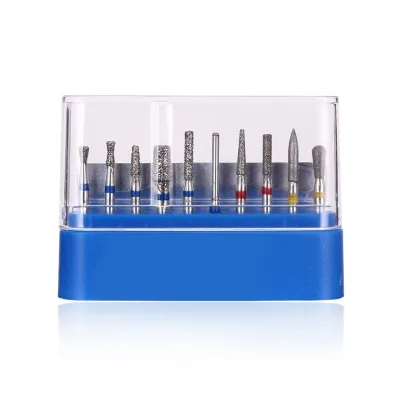
The product scope for dental diamond burs encompasses a wide range of specialized instrument equipment designed for various dental applications. Observed listings indicate that these tools are primarily used for denture processing, dental preventive health care materials, orthodontic material, embedded material, and polishing material. The versatility of these burs is further highlighted by their availability in various shapes and grits ranging from super coarse to extra fine, allowing for precise customization to meet specific clinical needs. This diversity in application and form factor necessitates a thorough understanding of the intended use case before initiating procurement.
A critical observation in the current market is the discrepancy between the term "disposable" and the actual product attributes listed. Several high-confidence facts describe the products as "Non-Disposable" with a defined working life, such as 5-7 teeth or 3-5 teeth for silver-coated variants. This suggests that while the burs are single-use in a clinical sense to maintain sterility and performance, they are engineered for durability within that single procedure rather than being immediately discarded after minimal use. Buyers must clarify whether the requirement is for true single-use disposability or for high-performance burs with a limited operational lifespan per patient.
Technical Specifications to Verify
Verifying the technical specifications of dental diamond burs is essential to ensure compatibility with existing dental equipment and clinical workflows. Key attributes to confirm include the model number, which varies significantly across suppliers (e.g., TF-20C, FG-102, BR-40F), and the shank length, which is typically standardized at 19mm, 21mm, or 25mm. Additionally, the instrument classification, often listed as Class I, should be verified to ensure it meets the regulatory requirements for the intended dental area. The material composition, primarily diamond and metal, must also be confirmed to assess durability and cutting efficiency.
The style and power source of the handpiece compatibility are crucial technical considerations. Most observed listings specify "High Speed" style burs designed for use with pneumatic high-speed handpieces, which is the standard in modern dental practices. Buyers should also verify the working life claims, such as the ability to process 5-7 teeth, to ensure the product meets the expected throughput for their practice. Furthermore, the packaging details, including neutral packing or OEM options, and the quantity per box (e.g., 5 or 10 pieces), should be aligned with inventory management and sterilization protocols.
Compliance and Safety Documentation
Compliance with international standards is a non-negotiable aspect of sourcing dental instruments. The observed product data highlights certifications such as CE, ISO, and TUV, which are critical for ensuring that the burs meet safety and quality requirements in various markets. Buyers must request and verify these certification documents to confirm that the supplier adheres to recognized quality management systems, such as ISO 13485, which is specifically tailored for medical device manufacturers. This verification process helps mitigate risks associated with non-compliant products and ensures that the instruments are safe for clinical use.
In addition to certifications, buyers should inquire about the shelf life and condition of the products. The observed data indicates a shelf life of 1 year and a condition of "New," which are standard expectations for sterile medical instruments. However, it is essential to confirm that the packaging maintains sterility until the point of use and that the products are stored and transported under appropriate conditions. Documentation regarding the origin of the products, primarily from China (Mainland), should also be reviewed to ensure transparency and traceability in the supply chain.
Cost Drivers and Commercial Terms
Understanding the cost drivers for dental diamond burs involves analyzing factors such as material quality, grit size, and customization options. The observed price range of $0.07 to $5 USD reflects the variability in product specifications and supplier pricing strategies. Buyers should consider the trade-off between cost and performance, particularly when selecting burs with specific grits or shapes for specialized applications. The availability of customization, including OEM packaging and specific model numbers, may also impact the final cost, as these services often involve additional setup fees or minimum order quantities.
Commercial terms, including the minimum order quantity (MOQ) and payment terms, are critical for effective procurement planning. The observed MOQ range of 1 to 1001 units offers flexibility for both small clinics and large distributors, but buyers should negotiate terms that align with their inventory capacity and cash flow requirements. Additionally, the after-sale service options, such as onsite installation, and warranty periods, typically 1 year, should be evaluated to ensure that the supplier provides adequate support in case of product defects or performance issues. Clear communication regarding these terms can prevent unexpected costs and ensure a smooth procurement process.
Supplier Qualification and Quality Control
Supplier qualification is a vital step in ensuring the reliability and consistency of dental diamond bur supplies. Buyers should assess the supplier's production capabilities, quality control processes, and track record in the dental industry. The observed data indicates that suppliers offer various shapes and grits, which suggests a diverse product portfolio, but buyers must verify that the supplier has robust quality assurance measures in place to maintain consistency across batches. This includes checking for adherence to standard dimensions, such as 19-25mm for certain models, and ensuring that the diamond coating is evenly distributed and durable.
Quality control should also extend to the packaging and labeling of the products. The observed options for neutral packing or OEM packaging require buyers to ensure that the labeling accurately reflects the product specifications, including model numbers, material composition, and expiration dates. Buyers should request samples for initial testing to verify the cutting efficiency, working life, and compatibility with their handpieces. Establishing a clear feedback loop with the supplier for any quality issues can help maintain high standards and improve the overall procurement experience.
Long-Term Procurement Checks
Long-term procurement success depends on regular performance reviews and continuous improvement of the supplier relationship. Buyers should monitor key performance indicators such as delivery times, product quality, and responsiveness to issues. The observed data indicates a variety of models and specifications, which may require periodic re-evaluation to ensure that the products remain aligned with clinical needs and technological advancements. Regular audits of the supplier's quality management systems and compliance documentation can help identify potential risks and ensure ongoing adherence to regulatory standards.
Additionally, buyers should stay informed about market trends and technological developments in dental instruments. The availability of customization and OEM services suggests that suppliers are responsive to specific client needs, but buyers should proactively communicate their evolving requirements to maintain a competitive edge. Building a strong partnership with the supplier, based on mutual trust and clear communication, can lead to better pricing, priority service, and access to new products. By implementing these long-term checks, buyers can ensure a stable and efficient supply chain for their dental diamond burs.
FAQs
What is the working life of these dental diamond burs?
The working life is typically 5 to 7 teeth for standard models. Some silver variants offer a shorter lifespan of 3 to 5 teeth depending on the specific grit and usage conditions.
Which certifications do these dental instruments hold?
These instruments hold CE certification and some models also carry ISO and TUV certifications. These standards ensure the products meet specific safety and quality requirements for dental applications.
Can I request customization for these dental burs?
Yes, customization is available and requires approval from the supplier. Buyers can specify details such as shape, packaging, or model numbers to meet specific clinical or operational needs.
What is the minimum order quantity for these products?
The minimum order quantity ranges from 1 to 1001 units depending on the specific supplier and product configuration. Buyers should verify the exact MOQ for their selected model before placing an order.
How are these dental diamond burs packaged for shipment?
Products are typically packed in neutral packing or OEM boxes containing 5 to 10 pieces per box. This packaging ensures safe transport while allowing for branding customization if requested by the buyer.
What is the shelf life of these dental diamond burs?
The shelf life is one year from the date of manufacture. Buyers should check the production date on the packaging to ensure the instruments remain within their valid usage period.
Which departments can use these specialized dental instruments?
These instruments are designed for use in the Dental Department. They support various applications including denture processing, orthodontic materials, and dental preventive health care materials.