Source Digital Colposcope for Hospital, Clinic, and Beauty Agency
Find and compare 30 Gynecology Examination Digital Colposcope models from verified Chinese manufacturers. Evaluate key specifications such as CCD resolution, lens zoom, and warranty terms to select the right imaging diagnostic equipment for your facility.
Key considerations
Products List

Medical Hospital Colposcope Digital Electronic Gynecological Colposcope
$800.00 - $1605.00
MOQ: 1 Pieces


Sy-F005 Handheld Digital Electronic Digital Colposcope for Colposcopy Gynecology
$340.00 - $429.00
MOQ: 1 Pieces

High Quality Medical Device Gynaecology Colposcope Price Electronic Colposcope
$800.00 - $1590.00
MOQ: 1 Pieces


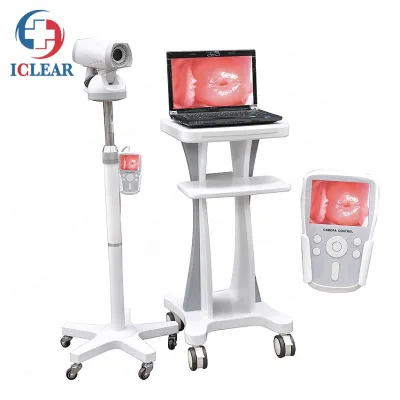


Electronic Colposcope Women Gynecological Examination Medical Colposcope for Gynecology
$2365.00 - $4560.00
MOQ: 1 Pieces


Medical Digital Colposcope Gynecological Colposcope with Stand Colposcopy
$1500.00 - $3000.00
MOQ: 1 Pieces


Digital Colposcope Imaging System Vagina Examination Colposcope for Gynecology
$500.00 - $2300.00
MOQ: 1 Pieces


Durable Medical Colposcope for Gynecological Examination and Diagnosis
$500.00 - $2300.00
MOQ: 1 Pieces


Reliable Medical Colposcope for Professional Gynecology Exam Diagnosis
$500.00 - $2300.00
MOQ: 1 Pieces
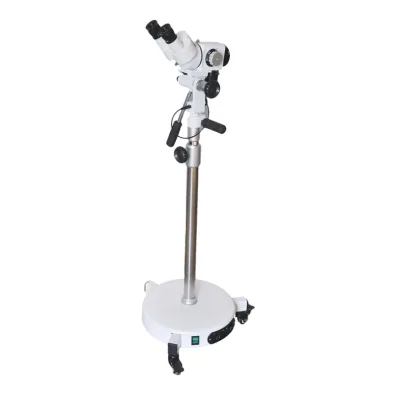

Cost-Effective Medical Digital Video Colposcope Gynecology Colposcope
$200.00 - $1000.00
MOQ: 1 Pieces
Comprehensive Sourcing Guide
Gynecology Examination Digital Colposcope Sourcing Guide
The procurement of a Gynecology Examination Digital Colposcope requires a strategic approach that balances clinical precision with operational reliability. These devices, classified as imaging diagnostic equipment or biological diagnostics, serve as critical tools for visualizing the cervix and vaginal walls to detect abnormalities. Buyers must recognize that while the core function remains consistent, the specific configuration—ranging from standard digital imaging systems to advanced video colposcopes—dictates the suitability for different clinical environments, such as hospitals, clinics, or beauty agencies.
Sourcing decisions should be grounded in the specific technical attributes observed in the market, such as the presence of Sony Color Digital CCD sensors with varying pixel counts or specific lens zoom capabilities. The availability of customization options allows facilities to tailor the instrument to their workflow, yet this flexibility necessitates rigorous verification of the final product's output quality. Procurement teams must ensure that the selected unit aligns with the intended application, whether it involves high-resolution imaging for detailed diagnostics or robust video capabilities for telemedicine and training purposes.
Product Scope and Observed Listing Signals
The current market for gynecology examination digital colposcopes presents a diverse range of models, with observed listing prices spanning from 200 to 5999 USD and minimum order quantities typically ranging between 1 and 10 units. This variance in pricing and volume suggests a spectrum of product tiers, from entry-level single-item units to more complex systems potentially bundled with accessories. Buyers should note that product names vary, including designations like "Digital Video Colposcope" or "Electronic Colposcope," which may indicate differences in internal architecture or intended use cases.
When evaluating product listings, it is essential to distinguish between general classifications and specific model identifiers, such as SY-F004, SY-F005A, or HKN-2100. These model numbers often correlate with distinct feature sets, such as the inclusion of a 1/4" Super Had Color CCD or specific resolution standards like 800,000 pixels. The observed data indicates that some units are categorized under "Female" groups while others are marked "All," suggesting that while the primary application is gynecological, the hardware may be adaptable for broader diagnostic needs depending on the lens and sensor configuration.
Technical Specifications to Verify
Technical due diligence must focus on the imaging core, specifically the sensor resolution and lens mechanics, as these directly impact diagnostic accuracy. Buyers should verify the pixel count of the CCD sensor, noting that observed specifications range from 80,000 to 2 million pixels, with some models explicitly citing Sony 1/4" Super Had CCD technology. The lens axial resolution, observed at 470 lines in certain listings, and the zoom range, which can extend from 1 to 128 times, are critical parameters that determine the clarity of the magnified image and the ability to focus on minute tissue details.
Power consumption and lighting systems are equally vital for operational efficiency and patient comfort. Specifications indicate a rated power of 500W for some units, while others utilize LED lighting types which offer longevity and reduced heat generation. The lens focus distance is another key variable, with standard ranges of 100~400mm and support for extended distances up to 1000mm. Procurement teams must confirm that the selected model's focus range and power source compatibility match the physical constraints of the examination room and the specific procedural requirements of the medical staff.
Compliance and Safety Documentation
Regulatory compliance is a non-negotiable aspect of sourcing medical imaging equipment, with observed certifications including CE, ISO, and MSDS. The presence of these marks indicates that the manufacturer has met specific safety and quality benchmarks, though buyers must verify the exact scope of these certifications for the specific model being purchased. Some listings reference Quality Certifications like CE alongside safety standards such as GB15979-2002, which is particularly relevant for products originating from China. It is imperative to ensure that the documentation provided matches the regulatory requirements of the destination market.
Instrument classification and material safety also play a significant role in the compliance landscape. Products are often classified as Class I instruments, which generally implies a lower risk profile but still requires adherence to strict manufacturing standards. The material composition, noted as plastic in some instances, must be evaluated for durability and chemical resistance. Buyers should request proof of the safety standard compliance and ensure that the product's shelf life, observed as 1 year in some cases, aligns with the facility's inventory management and usage frequency.
Cost Drivers and Commercial Terms
The total cost of ownership for a digital colposcope is influenced by a combination of the base unit price, customization fees, and the scope of after-sales support. While the observed price range is broad, the inclusion of features like high-resolution CCD sensors, extended warranty periods of more than 5 years, or specific lens configurations can significantly drive up the cost. Buyers should analyze whether the higher price point correlates with tangible benefits, such as a longer lifetime of 100,000 hours for the light source or advanced video capabilities that justify the investment.
Commercial terms regarding packaging and shipping also impact the final procurement cost. Products are typically packed in cartons or carton boxes, and the origin location, whether Jiangsu or Guangdong in China, can affect logistics expenses and lead times. The selling units are often listed as single items, but the minimum order quantity flexibility allows for smaller initial purchases. Procurement teams must negotiate clear terms regarding the warranty duration, which varies from 1 year to over 5 years, and the availability of online technical support to mitigate long-term operational risks.
Supplier Qualification and Quality Control
Supplier qualification should extend beyond the basic listing information to include a thorough review of the manufacturer's quality assurance processes. The presence of certifications like ISO and CE suggests a baseline of quality control, but buyers must verify the consistency of these standards across different production batches. The origin of the product, specifically from regions like Jiangsu or Guangdong, indicates established manufacturing hubs, yet the specific factory's track record and adherence to standards like ISO13485 should be confirmed through direct inquiry or third-party audits.
Quality control measures must also encompass the physical attributes of the device, such as the weight standard of 3 KG and the robustness of the plastic materials used. Buyers should assess the supplier's ability to handle customization requests, as the availability of customization is a key differentiator in this market. The provision of after-sale services, including online technical support, is a critical indicator of supplier reliability. Ensuring that the supplier can provide consistent support and spare parts is essential for maintaining the operational continuity of the gynecology examination equipment.
Long-Term Procurement Checks
Sustaining the value of a digital colposcope investment requires a proactive approach to long-term maintenance and performance monitoring. Buyers should establish a schedule for regular calibration and inspection, particularly focusing on the lens focus distance and the integrity of the CCD sensor over time. The observed lifetime of 100,000 hours for the lighting system provides a benchmark for replacement planning, but actual usage patterns may necessitate earlier intervention. Regular checks ensure that the resolution and zoom capabilities remain within the specified parameters for accurate diagnosis.
Future-proofing the procurement strategy involves monitoring the evolution of technology and regulatory standards in the gynecology sector. As imaging standards evolve, the current resolution of 800,000 to 2 million pixels may become the baseline rather than the premium feature. Buyers should maintain a relationship with the supplier to stay informed about upgrades or new models that offer enhanced capabilities. Additionally, verifying the continued validity of certifications and the availability of software updates for the digital imaging system will ensure the equipment remains compliant and effective throughout its operational lifespan.
FAQs
What certifications do the digital colposcopes have?
The products hold ISOCE, MSDS, and CE certifications. Some models also meet the GB15979-2002 safety standard. These documents verify compliance with international quality and safety requirements for medical imaging equipment.
Which lens specifications are available for these systems?
Available lenses include Sony Color Digital CCD with 800,000 pixels or 1/4 Super Had CCD with 80,000 pixels. The lens zoom ranges from 1 to 128 times, and axial resolution reaches up to 470 lines for detailed imaging.
Can buyers request customization for these colposcopes?
Yes, customization is available and accepted for these digital imaging systems. Buyers can request specific modifications to meet their clinical or operational needs while maintaining the core functionality of the video colposcope.
What is the warranty period for the equipment?
Warranty periods vary by model, with options ranging from 1 year to more than 5 years. Buyers should verify the specific warranty terms associated with the selected model number and supplier before finalizing the purchase.
Where are these digital colposcopes manufactured?
These products originate from China, specifically from regions like Jiangsu and Guangdong. The manufacturing locations ensure access to established supply chains for medical diagnostic equipment and digital imaging components.
What is the typical packaging for these instruments?
The standard packaging consists of cartons or carton boxes designed for safe transport. This packaging protects the electronic colposcope and its components during shipping to hospitals, clinics, or beauty agencies worldwide.