Source Clean Smartnet Juniper Networks Router for Enterprise, Border, and Line-Rate
Find 30 Clean Smartnet Juniper Networks Router options for enterprise, border, and line-rate applications. Buyers can compare specifications like throughput, ports, and encryption types to select the right device for their network infrastructure needs; compare the available evidence and request quotations based on your requirements.
Key considerations
Products List


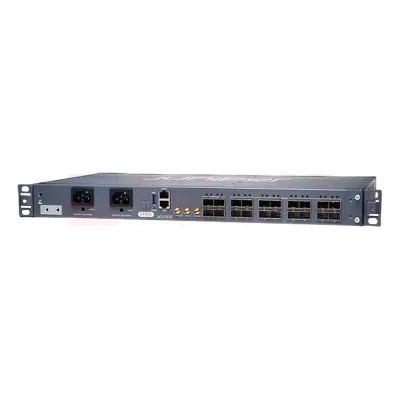


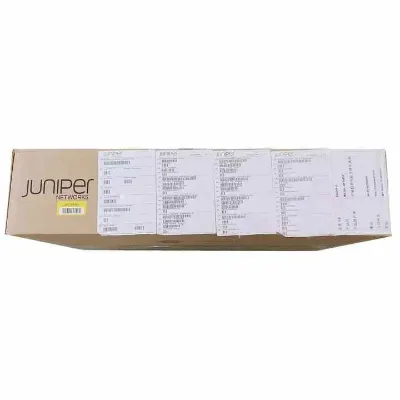
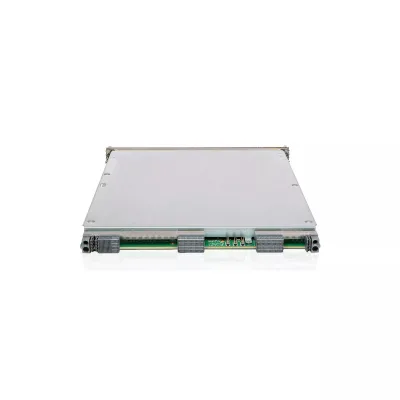
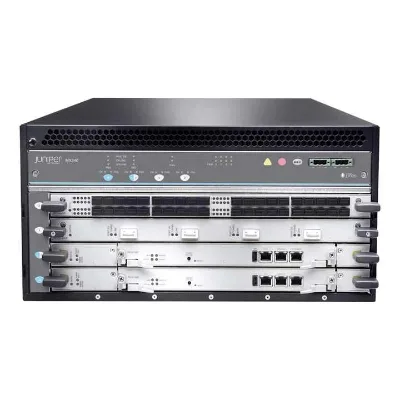
Juniper Ptx10003 Packet Transport Router Juniper Router Ptx10003 Cloud Router
$8000.00 - $9000.00
MOQ: 1 Sets

New Original Juniper Universal Routing Platform Mx204 Router Network Router
$11000.00 - $12000.00
MOQ: 1 Sets


New Original Juniper Universal Routing Platform Router Network Router Mx204
$12000.00 - $14000.00
MOQ: 1 Sets

Juniper Mx104-AC Juniper Network Router Mx104 with 4 Mic Slots New Original
$800.00 - $1400.00
MOQ: 1 Sets




Comprehensive Sourcing Guide
Clean Smartnet Juniper Networks Router Sourcing Guide
Procuring enterprise-grade networking hardware requires a disciplined approach to verifying technical alignment and supply chain integrity. Buyers must distinguish between generic router listings and specific Juniper Networks models, particularly when targeting clean, unused inventory for critical infrastructure deployments. The market contains a mix of new sealed units and refurbished equipment, necessitating rigorous due diligence to ensure operational reliability. This guide outlines the essential verification steps for sourcing high-performance routers that meet strict enterprise security and throughput requirements.
Understanding the distinction between fixed chassis and modular systems is vital for accurate specification matching. While some listings may reference broad categories like "network routers," specific model numbers such as the MX204 or SRX3K-16GE-TX indicate distinct hardware architectures with varying port densities and processing capabilities. Buyers should prioritize listings that explicitly state the model number and condition, avoiding vague descriptions that could lead to receiving incompatible or outdated hardware. Clear identification prevents costly integration errors during network expansion or replacement projects.
Product Scope and Observed Listing Signals
The current market landscape for enterprise routers shows a wide variance in listed prices, ranging from approximately one to over seventy thousand US dollars, reflecting differences in performance tiers and condition. Minimum order quantities typically span from single units to batches of one thousand, allowing flexibility for both small office deployments and large-scale enterprise rollouts. High-confidence data indicates that many available units are wireless-capable with 2.4G Wi-Fi transmission rates up to 300 Mbps, supporting standards like 802.11b, g, and n. These specifications suggest suitability for environments requiring integrated wireless access points alongside wired routing functions.
Observations reveal that many listings describe devices as "New Sealed" or "Nib Original," indicating pristine condition, while others may be refurbished. Key attributes often include support for WPS, enterprise-grade encryption like WPA-Enterprise, and functions such as firewall, QoS, and VPN. Some units feature two LAN ports and one WAN port with wired transfer rates of 10/100 Mbps, while others boast higher throughput capabilities up to 1 Gbps. Buyers must carefully cross-reference these observed attributes with their specific network architecture needs, as not all listed products satisfy every potential requirement.
Technical Specifications to Verify
Verifying the exact model number is the first critical step in ensuring hardware compatibility. Listings may reference models like the MX204, SRX3K-16GE-TX, or ACX7020, each with distinct chassis types and port configurations. Buyers should confirm whether the device is a fixed chassis or modular, and verify the presence of specific ports such as 10/100/1000 Mbps Ethernet interfaces. Additionally, checking the supported Wi-Fi standards, such as 802.11n, and transmission rates ensures the device meets the bandwidth demands of the intended application, whether for border routing or enterprise LAN expansion.
Power requirements and physical dimensions are equally important for installation planning. Some routers operate on AC 100-240V, while others may require DC power ranging from -24 VDC to -60 VDC, impacting data center rack compatibility. Dimensions, such as 17.36 x 1.72 x 9.25 inches, must be checked against available rack space. Furthermore, verifying the CPU type, memory specifications like 16GB DDR4 RAM, and simultaneous session handling capabilities ensures the router can sustain line-rate performance under heavy load, preventing bottlenecks in high-traffic enterprise environments.
Compliance and Safety Documentation
Ensuring that networking equipment meets international safety and quality standards is essential for risk mitigation. Buyers should request documentation confirming certifications such as ISO9001, which indicates adherence to quality management systems during manufacturing. While specific regulatory marks like CE or FCC are not explicitly detailed in all listings, verifying compliance with local electrical safety codes is crucial, especially for devices operating on varying voltage inputs from 110 VAC to 240 VAC. Proper certification ensures the hardware can be legally deployed and insured within the target market.
Warranty terms and return policies provide a safety net for procurement investments. Most listings indicate a one-year warranty period, which should be clearly defined in the purchase agreement. Buyers must clarify whether the warranty covers parts, labor, or both, and understand the process for claiming replacements for defective units. Additionally, confirming the condition of the product, whether new sealed or nib original, helps in assessing the remaining lifespan and reliability of the hardware, ensuring that the investment aligns with long-term operational expectations.
Cost Drivers and Commercial Terms
Pricing for enterprise routers is influenced by several factors, including model specificity, condition, and included accessories. New sealed units typically command higher prices compared to refurbished or nib original items, reflecting the assurance of unused components and full manufacturer warranty coverage. Buyers should evaluate the total cost of ownership, considering potential expenses for additional licenses, configuration services, or replacement parts. Understanding the MOQ requirements helps in negotiating better unit prices for bulk purchases, optimizing budget allocation for large-scale network deployments.
Payment terms and shipping logistics also impact the overall commercial agreement. Buyers should clarify whether prices include shipping, insurance, and customs duties, particularly for international orders originating from regions like China or the United States. Lead times can vary significantly based on stock availability and shipping method, so establishing clear delivery expectations is crucial for project planning. Additionally, verifying the seller's reputation and transaction history can help mitigate risks associated with delayed shipments or non-conforming goods, ensuring a smooth procurement process.
Supplier Qualification and Quality Control
Selecting a reliable supplier is paramount to securing genuine Juniper Networks hardware. Buyers should prioritize suppliers who provide detailed product descriptions, including exact model numbers, serial numbers, and condition reports. Verification of the supplier's business credentials and history of successful transactions can provide confidence in their ability to deliver authentic products. It is advisable to request photos of the actual items, including packaging and labels, to confirm they match the listed specifications and are in the claimed condition.
Quality control measures should be implemented before finalizing the purchase. Buyers may consider using third-party inspection services to verify the physical condition and functionality of the equipment, especially for high-value transactions. Establishing clear communication channels with the supplier for pre-shipment confirmation can help resolve any discrepancies early. Additionally, reviewing the supplier's return and dispute resolution policies ensures that there is a clear path for recourse if the delivered goods do not meet the agreed-upon standards, protecting the buyer's investment.
Long-Term Procurement Checks
Establishing a long-term relationship with trusted suppliers can streamline future procurement efforts and ensure consistent supply of critical networking hardware. Buyers should maintain detailed records of past purchases, including model numbers, supplier performance, and any issues encountered. This historical data can inform future sourcing decisions, helping to identify reliable partners and avoid problematic vendors. Regularly reviewing market trends and new product releases can also help buyers stay informed about technological advancements and potential upgrades for their network infrastructure.
Continuous monitoring of supplier performance and product quality is essential for maintaining operational reliability. Buyers should periodically reassess their supplier base to ensure they continue to meet quality and service expectations. Engaging in feedback loops with suppliers can foster improvement and strengthen partnerships. Additionally, staying updated on industry standards and best practices for network security and performance can help buyers make informed decisions about future hardware acquisitions, ensuring their network remains robust, secure, and efficient over time.
FAQs
What is the maximum LAN data rate for the MX204 router?
The MX204 router supports a maximum LAN data rate of 300 Mbps. This device operates on the 2.4G Wi-Fi frequency and adheres to 802.11b, 802.11g, and 802.11n standards. It features two LAN ports and one WAN port, making it suitable for enterprise environments requiring stable wireless connectivity and firewall functions.
Can the SRX3K-16GE-TX router handle high-throughput enterprise traffic?
Yes, the SRX3K-16GE-TX router is designed for high-throughput enterprise applications. It offers a throughput capacity of 1 Gbps and includes 16GB of DDR4 RAM. The device supports simultaneous sessions and features a fixed chassis type, ensuring reliable performance for complex network routing tasks in demanding business environments.
Which encryption types are supported by the listed network routers?
The listed network routers support WPA-Enterprise encryption to secure wireless connections. This standard ensures robust data protection for enterprise users. The devices also include firewall, QoS, and VPN functions to enhance network security. These features help protect sensitive information while maintaining efficient data transmission across the network infrastructure.
What power options are available for the ACX7020 router?
The ACX7020 router supports multiple power options including AC 100-240V and DC -24 VDC through -60 VDC. It has a minimum receivable power of 220 W. This flexibility allows installation in various data center or office environments, ensuring continuous operation regardless of the available power source configuration in the facility.
Are customization options available for the Daytai brand network routers?
Yes, customization is available for the Daytai brand network routers. Buyers can request specific modifications to meet unique enterprise requirements. The products are sold as single items in carton box packaging and come with a one-year warranty. This service allows organizations to tailor hardware solutions for their specific network architecture needs.
What is the warranty period for the new sealed network routers?
The new sealed network routers come with a one-year warranty period. This coverage applies to products in new sealed or nib original condition. The warranty ensures that buyers receive reliable support for hardware defects or performance issues during the first year of operation, providing peace of mind for enterprise procurement decisions.