Source Clean Room Garment Antistatic Cloth for Hospital, Industry, Garment
Find 30 verified options for Clean Room Garment Antistatic Cloth designed for hospital, industry, and garment applications. Compare specifications including material, shielding effectiveness, and customization features from multiple suppliers.
Key considerations
Products List






Comprehensive Sourcing Guide
Strategic Sourcing Guide for Clean Room Garment Antistatic Cloth
Understanding the Technical Landscape of Antistatic Materials
When sourcing materials for clean room environments, the primary objective is to mitigate electrostatic discharge (ESD) that can damage sensitive electronic components or compromise sterile conditions. The market offers a diverse range of antistatic agents and fabrics, each defined by specific material compositions and functional attributes. Buyers must distinguish between general antistatic treatments and specialized conductive fabrics designed for high-performance shielding.
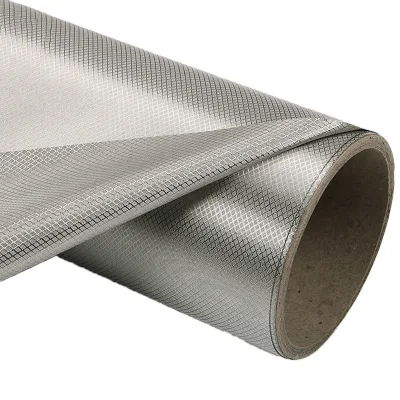
The technical foundation of these materials often relies on the base fabric composition. Common substrates include polyester and plastic-based fibers, which are frequently treated or woven with conductive elements to achieve the desired electrical properties. For instance, specific product lines utilize a blend of polyester and metallic components, such as copper or nickel, to create a conductive mesh within the fabric structure. This metallic integration is critical for applications requiring Faraday cage properties or high-level electromagnetic interference (EMI) shielding.
A key technical parameter to evaluate is the surface resistance. In the context of ESD-safe materials, the target range typically falls between 10^6 and 10^9 Ohms. This specific resistance window ensures that static charges are dissipated safely without creating a short circuit path. Materials that fall outside this range may either retain too much charge (insulators) or conduct too freely (conductors), both of which pose risks in a controlled environment. Furthermore, the physical structure of the fabric, such as microfiber or woven patterns, influences the durability of the antistatic properties. Some fabrics are engineered with a diamond shape pattern or plain weave, which can affect breathability and mechanical strength.
The functional requirements extend beyond simple static dissipation. In clean room settings, garments must also be breathable, washable, and resistant to high temperatures to withstand rigorous sterilization processes. Attributes such as "Machine Washable" and "Wash and Wear" are essential for maintaining the longevity of the garments. Additionally, features like being windproof, ripstop, and mothproof may be relevant depending on the specific industrial application, such as outdoor clean room setups or specialized protective gear. The ability to customize the fabric, including the option for "Make-to-Order" production, allows procurement teams to tailor the material to exact operational needs.
Compliance Verification and Certification Standards
Navigating the regulatory landscape is a critical step in sourcing clean room garments. While specific certification claims must be verified against current supplier documentation, buyers should look for established international standards that validate the safety and quality of the materials. The presence of certifications such as RoHS (Restriction of Hazardous Substances) and ISO (International Organization for Standardization) marks is a strong indicator of a supplier's commitment to environmental and quality compliance.
In the realm of antistatic textiles, specific standards govern the performance and testing methodologies. Buyers should verify if the supplier adheres to standards like EN 1149, which covers the electrostatic properties of clothing, or IEC 61340, which addresses the protection of electronic devices from electrostatic phenomena. Although specific test results for these standards should not be assumed without direct evidence, the availability of a supplier who claims compliance with these frameworks is a significant positive signal.
The certification process often involves rigorous testing of the fabric's shielding effectiveness. For high-performance applications, such as those involving sensitive electronics or secure data environments, the shielding effectiveness is a measurable metric. Some advanced fabrics claim a shielding effectiveness of ≥60dB within a frequency range of 10MHz to 3GHz. This level of performance is crucial for applications requiring Faraday fabric properties, where the material must block external electromagnetic fields.
It is important to note that certification status is not static. A supplier may hold certifications like ISO 9001 for quality management or ISO 13485 for medical devices, but these must be current and applicable to the specific product line. Buyers should request valid certificates and cross-reference them with the product specifications provided. The origin of the product, often listed as China (with specific provinces like Jiangsu, Guangdong, or Suzhou), can also influence the regulatory landscape, as different regions may have varying levels of regulatory oversight and export compliance requirements.
Cost Drivers and Pricing Dynamics
The cost of antistatic clean room garments is influenced by a complex interplay of material composition, production complexity, and order volume. The base material cost is a primary driver, with fabrics containing metallic elements like copper or nickel generally commanding a higher price than standard polyester blends. The inclusion of these conductive fibers increases the raw material cost and often requires more sophisticated weaving techniques, such as the "Woven" process noted in certain product specifications.
Order volume plays a pivotal role in determining the final unit price. The market observes a wide range of Minimum Order Quantities (MOQ), spanning from as low as 1 square meter to as high as 3000 units. This variability allows buyers to tailor their procurement strategy based on their immediate needs and budget constraints. For small-scale prototyping or pilot runs, suppliers offering low MOQs are essential, while large-scale production runs can leverage economies of scale to reduce per-unit costs.
The customization level is another significant cost factor. Products labeled as "Customized" or "According to customers' request" often involve additional engineering and setup costs. The ability to specify dimensions, such as a width of 1090mm (43/44 inches), or custom lengths, adds value but also increases the price. Similarly, the choice of packaging, whether it be standard boxes or specialized OPP bags, can impact the overall cost structure.
Lead times also indirectly affect cost. A delivery window of 15-25 days is typical for many suppliers, but expedited shipping or rush orders may incur premium charges. The "Make-to-Order" supply type indicates that production is triggered by the purchase order, which can lead to longer lead times compared to off-the-shelf inventory. Buyers must balance the urgency of their project against the cost implications of expedited production.
Typical Applications and Usage Scenarios
Antistatic clean room garments are deployed across a wide spectrum of industries, each with unique requirements for material performance. The primary application is in the electronics manufacturing sector, where static discharge can destroy sensitive microchips and circuit boards. In these environments, garments made from metallic fabrics or treated polyester are essential to maintain a static-free zone.
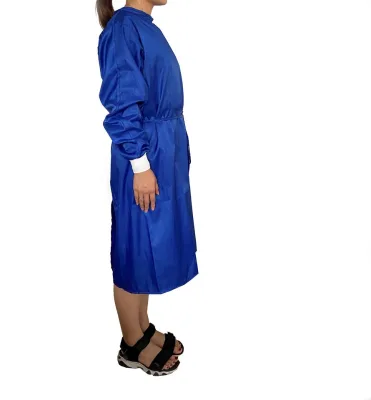
The medical and healthcare sectors also rely heavily on these materials. Garments used in hospitals must be not only antistatic but also breathable, washable, and capable of withstanding high-temperature sterilization. The "Hospital" usage tag indicates that these materials are suitable for environments where hygiene and sterility are paramount. Additionally, the "Anti-Bacterial" feature is a valuable attribute for medical applications, reducing the risk of contamination.
Beyond electronics and healthcare, these materials find use in the automotive, fashion, and general industrial sectors. In the automotive industry, antistatic fabrics are used in the manufacturing of sensitive electronic components within vehicles. In the fashion sector, the demand for "Fashion Accessories" such as bags, purses, and gloves often requires materials that are both stylish and functional, offering properties like "Windproof" and "Ripstop."
The versatility of these materials is further highlighted by their use in "Sportswear" and "Apparel" such as coats, jackets, and vests. The ability to customize the design, including features like zippers, buttons, and collars, allows manufacturers to create garments that meet specific aesthetic and functional requirements. The "Faraday Fabric" property is particularly relevant for applications involving security and data protection, where shielding from external electromagnetic signals is critical.
Supplier Evaluation and Selection Criteria
Selecting the right supplier is a critical decision that impacts the quality, reliability, and cost-effectiveness of the procurement. Buyers should evaluate suppliers based on their technical capabilities, production capacity, and commitment to quality. The "Supply Type" being "Make-to-Order" suggests that the supplier is capable of handling custom requests, which is a positive indicator for specialized projects.
The geographical location of the supplier, often listed as China with specific origins in Jiangsu, Guangdong, or Suzhou, can provide insights into the local manufacturing ecosystem. These regions are known for their robust textile industries and advanced manufacturing capabilities. However, buyers should also consider the logistical implications of sourcing from these locations, including shipping times and potential import duties.
The supplier's ability to provide certifications is a key evaluation criterion. A supplier that can demonstrate compliance with RoHS, ISO, and other relevant standards is more likely to deliver high-quality products. The presence of "ODM/OEM" acceptance indicates that the supplier is flexible and willing to work with buyers to develop custom solutions. This flexibility is crucial for companies with unique requirements that cannot be met by off-the-shelf products.
Quality control is another vital aspect of supplier evaluation. Buyers should inquire about the supplier's internal quality assurance processes, including testing protocols for surface resistance, shielding effectiveness, and durability. The ability to provide test results and performance data is a strong indicator of a supplier's transparency and confidence in their products.
Quality Control and Long-Term Procurement Considerations
Ensuring the long-term quality of antistatic clean room garments requires a proactive approach to quality control. Buyers should establish clear specifications for surface resistance, shielding effectiveness, and material durability before placing orders. Regular testing and inspection of incoming materials can help identify any deviations from the required standards.
The durability of the antistatic properties is a critical long-term consideration. Fabrics that are "Machine Washable" and "Wash and Wear" are designed to maintain their performance over multiple cleaning cycles. However, buyers should verify the specific wash cycles and conditions recommended by the supplier to ensure the longevity of the antistatic treatment.
Packaging and storage also play a role in maintaining product quality. The use of appropriate packaging, such as boxes or OPP bags, helps protect the garments from environmental factors that could degrade the antistatic properties. Buyers should ensure that the packaging is robust enough to prevent damage during transit and storage.
Finally, building a long-term relationship with a reliable supplier is essential for consistent procurement. A supplier that offers "Customized" solutions and accepts "ODM/OEM" requests can grow with the buyer's needs, providing a steady supply of high-quality materials. By focusing on technical specifications, compliance, and quality control, buyers can secure a reliable supply chain for their clean room garment requirements.
Comparison of Key Product Attributes
| Attribute | Standard Polyester | Metallic/Polyester Blend | Specialized Antistatic Agent |
|---|---|---|---|
| Material Composition | Polyester | Polyester / Metallic | Plastic / Treated Fiber |
| Surface Resistance | Variable (Insulator) | 10^6 ~ 10^9 Ohms | Variable (Depends on Treatment) |
| Shielding Effectiveness | Low | ≥60dB (10MHz~3GHz) | Low to Moderate |
| Primary Application | General Apparel | Electronics, Security | Industrial, Medical |
| Washability | High | High (Machine Washable) | Variable |
| Customization | Limited | High (OEM/ODM) | High |
| Cost Driver | Low | High (Metal Content) | Moderate |
This table highlights the distinct differences between various types of antistatic materials, aiding buyers in making informed decisions based on their specific application needs. The metallic blend offers superior shielding and conductivity, making it ideal for high-risk environments, while standard polyester remains a cost-effective option for general use. Understanding these distinctions is crucial for optimizing procurement strategies in the clean room sector.
FAQs
What certifications do Clean Room Garment Antistatic Cloth suppliers offer?
Suppliers offer RoHS and ISO certifications for these materials. These standards ensure environmental compliance and quality management systems are in place for the production of antistatic fabrics used in clean room environments.
How is the surface resistance of the antistatic fabric defined?
The surface resistance is typically defined within the range of 10e6 to 10e9 Ohms. This specific window ensures safe dissipation of static charges without creating short circuit paths in sensitive electronic environments.
Which material compositions are available for conductive fabrics?
Available compositions include polyester blended with metallic elements like copper and nickel. These blends create conductive meshes essential for achieving Faraday cage properties and high-level electromagnetic interference shielding.
Can buyers customize the dimensions and packaging of the cloth?
Yes, buyers can customize dimensions such as width and request specific packaging types. Suppliers accept make-to-order requests allowing for tailored specifications including custom lengths and various packing formats like boxes or OPP bags.
What is the typical lead time for delivery of these garments?
The typical delivery time ranges from 15 to 25 days. This window applies to make-to-order production cycles where materials are manufactured specifically after the purchase order is received by the supplier.
Which industries commonly use these antistatic garment materials?
These materials are commonly used in hospitals, electronics manufacturing, and fashion accessories. They are also suitable for sportswear, automotive sectors, and general industrial applications requiring static control and breathability.
What is the minimum order quantity for purchasing this fabric?
Minimum order quantities can range from 1 square meter up to 3000 units. This variability allows buyers to choose between small-scale prototyping runs or large-scale production orders based on their specific budget and needs.