Source Cleanroom Fireproof Sandwich Panels for Labs, Hospitals, and Food Plants
Compare 30 Cleanroom Fireproof Sandwich Panels from verified Chinese manufacturers. Buyers can evaluate fire ratings, core materials like rock wool, thickness options, and customization features for industrial and medical applications.
Key considerations
Products List


Grade a Fireproof Silicate Core Color Steel Cleanroom Sandwich Panel
$8.00 - $15.00
MOQ: 50 Square Meters

Class a Fireproof Silicate Core Color Steel Cleanroom Sandwich Panel
$8.00 - $15.00
MOQ: 50 Square Meters


Rockwool Core Fireproof Cleanroom Sandwich Panel for Hospital Wall
$8.80 - $32.20
MOQ: 100 Square Meters


Premium Cleanroom Sandwich Wall Panels with Anti-Fungal Protection
$14.00 - $17.00
MOQ: 100 Square Meters


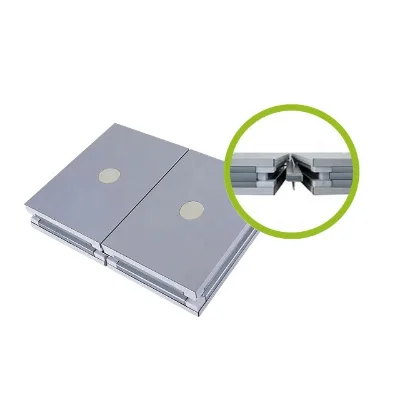


Modular Cleanroom of Sandwich Panel Customization and Design Clean Room Engineering
$10000.00 - $100000.00
MOQ: 1 Pieces


Comprehensive Sourcing Guide
Cleanroom Fireproof Sandwich Panels Sourcing Guide
Sourcing Cleanroom Fireproof Sandwich Panels requires a disciplined approach that balances strict hygiene standards with rigorous fire safety compliance. These specialized construction components serve as the primary barrier in controlled environments, such as pharmaceutical manufacturing, semiconductor fabrication, and medical facilities, where air purity and structural integrity are non-negotiable. Buyers must recognize that the term "fireproof" in this context refers to high fire resistance ratings and non-combustible core materials, rather than absolute immunity to heat. The procurement strategy must therefore focus on verifying the specific fire rating, core density, and surface coating durability to ensure the panels meet both regulatory codes and operational longevity requirements.
The market for these panels is characterized by a wide variance in specifications, ranging from basic industrial insulation to high-performance cleanroom-grade systems. Observed listing signals indicate a broad price range and flexible minimum order quantities, suggesting a competitive landscape with numerous suppliers offering customized solutions. However, this diversity also introduces complexity in quality assurance. Procurement teams must navigate through varying product models, thickness options, and surface treatments to identify suppliers who consistently deliver on the dual promises of cleanroom compatibility and fire safety. Understanding the underlying material science and manufacturing processes is essential to avoid selecting panels that may degrade under strict cleaning protocols or fail during fire safety inspections.
Product Scope and Observed Listing Signals
The product scope for Cleanroom Fireproof Sandwich Panels encompasses a variety of configurations designed to meet specific architectural and environmental needs. Typical listings reveal a range of core materials, including rock wool and silicon rock variants, which are selected for their inherent fire-resistant properties and thermal insulation capabilities. Surface materials often include PE polyester, PVDF, or anti-static coatings, chosen for their smoothness, chemical resistance, and ability to prevent particle accumulation. These attributes are critical for maintaining the sterile environment required in cleanrooms, as rough or porous surfaces can harbor contaminants and compromise air filtration systems. Buyers should expect options for customized lengths and thicknesses, typically ranging from 50mm to 100mm, to accommodate different structural and insulation requirements.
Observed listing signals highlight significant variability in technical specifications and certifications across different suppliers. Some products are marketed with high fire ratings, such as Class 1 or Class 4, while others emphasize features like corrosion resistance, lightweight construction, and ease of installation. The presence of certifications like ISOCCC, ISOROHS, and CCC indicates a baseline level of quality management and environmental compliance, but these do not automatically guarantee cleanroom suitability. Additionally, standard modulus dimensions like 980mm, 1180mm, and 1200mm are commonly cited, reflecting industry-standard panel widths. However, buyers must verify that these standard dimensions align with their specific cleanroom grid layouts and that the panel thicknesses meet the required load-bearing and insulation standards for their particular facility design.
Technical Specifications to Verify
Verifying technical specifications is the most critical step in ensuring that the selected panels will perform adequately in a cleanroom environment. The core material density is a primary indicator of structural integrity and fire resistance; typical ranges observed include 60-120kg/m³, with higher densities generally offering better fire performance and sound insulation. Buyers must confirm the exact density and composition of the core, as variations can significantly impact the panel's thermal conductivity and mechanical strength. Furthermore, the thickness of the facing plates, often ranging from 0.35mm to 0.8mm, must be sufficient to prevent denting and maintain surface smoothness during rigorous cleaning cycles. Thinner plates may be more cost-effective but can compromise the panel's durability and long-term aesthetic appeal in high-traffic areas.
The connection method and edge detailing are equally important for maintaining the airtight and dust-tight seal required in cleanrooms. Specifications such as enterprise mouth splicing or tongue-and-groove joints must be evaluated for their ability to prevent air leakage and particle infiltration. Buyers should also verify the maximum length capabilities, which can extend up to 12,500mm, to minimize the number of joints in large facilities. Additionally, the tolerance for alignment errors, often specified as ≤3mm, is crucial for ensuring a seamless installation that does not create crevices for contaminant buildup. The color steel plate thickness and surface treatment, such as PVDF or anti-static coatings, must be confirmed to ensure resistance to chemical cleaners and static discharge, which can attract dust and compromise cleanroom classification levels.
Compliance and Safety Documentation
Compliance with fire safety regulations is paramount when sourcing panels for cleanrooms, as these facilities often house sensitive equipment and hazardous materials. Buyers must request and verify fire rating certificates, which typically classify panels based on their ability to resist fire spread and maintain structural integrity under heat exposure. Ratings such as Class 1, 3, or 4 indicate varying levels of fire resistance, and the required rating will depend on local building codes and the specific risk profile of the facility. It is essential to ensure that the fire rating is not just a marketing claim but is backed by independent test results from accredited laboratories. These documents should detail the panel's behavior in standard fire tests, including flame spread, smoke development, and heat release rates.
In addition to fire safety, environmental and health certifications are increasingly important for cleanroom applications. Certifications like ISOROHS and CCC indicate compliance with restrictions on hazardous substances and general product safety standards. Buyers should also verify if the panels meet specific cleanroom standards, such as those related to particle emission and surface cleanliness. Documentation should include material safety data sheets (MSDS) for all components, ensuring that no volatile organic compounds (VOCs) are released that could contaminate the cleanroom atmosphere. Furthermore, certifications related to thermal insulation and energy efficiency may be relevant for facilities aiming to reduce operational costs while maintaining strict environmental controls.
Cost Drivers and Commercial Terms
The cost of Cleanroom Fireproof Sandwich Panels is influenced by several key factors, including core material density, surface coating type, and panel thickness. Higher density cores and premium surface coatings like PVDF or anti-static finishes typically command higher prices due to their enhanced performance and durability. Buyers should also consider the impact of customization on cost; while standard sizes may offer economies of scale, custom lengths and thicknesses can increase production time and material waste. The minimum order quantity (MOQ) is another significant commercial term, with ranges typically spanning from 1 to 1000 units. Larger orders may benefit from volume discounts, but buyers must balance this with storage capacity and project timeline constraints to avoid excess inventory or delays.
Payment terms and shipping logistics also play a crucial role in the total cost of ownership. Standard seaworthy packing is commonly used to protect panels during transit, but buyers should verify that the packaging is sufficient to prevent damage, especially for panels with delicate surface coatings. Lead times can vary based on order size and customization requirements, so it is important to establish clear delivery schedules in the contract. Buyers should also consider the origin of the products, with many suppliers located in regions like Shandong and Jiangsu in China, which are known for their manufacturing capabilities. Understanding the supply chain dynamics and potential logistical challenges can help buyers negotiate better terms and mitigate risks associated with delays or damage during shipping.
Supplier Qualification and Quality Control
Supplier qualification is a critical step in ensuring the reliability and consistency of Cleanroom Fireproof Sandwich Panels. Buyers should conduct thorough due diligence on potential suppliers, verifying their manufacturing capabilities, quality management systems, and past performance in similar projects. Certifications such as ISO standards indicate a commitment to quality control, but buyers should also request evidence of specific cleanroom project experience. Site visits or third-party audits can provide valuable insights into the supplier's production processes, raw material sourcing, and final inspection procedures. This due diligence helps to identify suppliers who are capable of maintaining the high standards required for cleanroom applications.
Quality control measures should be clearly defined in the procurement contract, including specifications for incoming material inspections, in-process checks, and final product testing. Buyers should require detailed quality reports for each batch of panels, including test results for fire resistance, density, and surface integrity. Random sampling and independent testing may also be necessary to verify compliance with agreed-upon specifications. Additionally, buyers should establish clear protocols for handling defects or non-conforming products, including return policies and replacement procedures. Effective quality control not only ensures that the panels meet technical requirements but also helps to build a long-term partnership with reliable suppliers who can consistently deliver high-quality products.
Long-Term Procurement Checks
Long-term procurement success depends on establishing robust mechanisms for ongoing supplier performance evaluation and product quality monitoring. Buyers should implement regular review cycles to assess supplier adherence to quality standards, delivery timelines, and customer service responsiveness. Feedback from installation teams and facility managers can provide valuable insights into the real-world performance of the panels, including issues related to durability, ease of maintenance, and compatibility with cleanroom cleaning protocols. This continuous feedback loop allows buyers to identify potential problems early and work with suppliers to implement corrective actions.
Furthermore, buyers should stay informed about evolving industry standards and regulatory requirements that may impact the use of Cleanroom Fireproof Sandwich Panels. Changes in fire safety codes, environmental regulations, or cleanroom classification standards may necessitate updates to procurement specifications or supplier qualifications. Maintaining open communication with suppliers and industry experts can help buyers anticipate these changes and adapt their procurement strategies accordingly. By prioritizing long-term relationships and continuous improvement, buyers can ensure that their cleanroom facilities remain safe, compliant, and efficient over the lifespan of the project.
FAQs
What are the standard thickness options for these panels?
Standard thickness options include 50mm, 75mm, and 100mm for wall applications. These dimensions support various insulation and structural requirements. The facing plate thickness ranges from 0.426mm to 0.8mm, allowing for customization based on specific load-bearing needs and environmental conditions in cleanroom environments.
Can these panels be customized to specific lengths?
Yes, customization is available for panel lengths to meet project requirements. Maximum lengths can reach up to 12500mm, ensuring minimal joint lines for cleanroom integrity. Standard widths are typically 950mm or 1150mm, while core materials like rock wool can be selected to match density specifications between 60-120kg/M3.
What certifications are typically associated with these products?
Common certifications include ISOCCC, ISOROHS, and CCC, ensuring compliance with international standards. These certifications verify the material's safety and performance characteristics. Products may also feature customized certification options depending on the manufacturer's capabilities and the specific regulatory requirements of the target market.
How is fire resistance rated for these sandwich panels?
Fire ratings vary, with options including ratings of 1, 3, and 4, and a fire resistance limit of 1.0h. These ratings indicate the panel's ability to withstand fire exposure. The core material, often rock wool, contributes to these fire-proof properties, making them suitable for strict cleanroom safety protocols.
What is the typical packaging method for shipping?
Products are typically packed in standard seaworthy packing to ensure safe transit. This method protects the panels from moisture and physical damage during long-distance shipping. The packaging is designed to accommodate the specific dimensions and weight of the panels, facilitating efficient handling and storage upon arrival at the destination.
Which core materials are used in these panels?
Core materials include rock wool and silicon rock, providing high strength and thermal insulation. Rock wool density typically ranges from 100-120kg/M3 or 60-100kg/M3. These materials offer excellent fireproof and environmental properties, making them ideal for cleanroom applications requiring strict hygiene and temperature control standards.