Find Clear 2oz Shot Glasses for Bars, Restaurants, and Home Use
Explore 30 Clear 2oz Shot Glasses to compare specifications, materials, and packaging options. This selection supports buyers sourcing durable glassware for commercial hospitality and personal use. You can evaluate different styles, capacities, and customization features to ensure the best match for your specific needs and budget requirements.
Key considerations
Products List


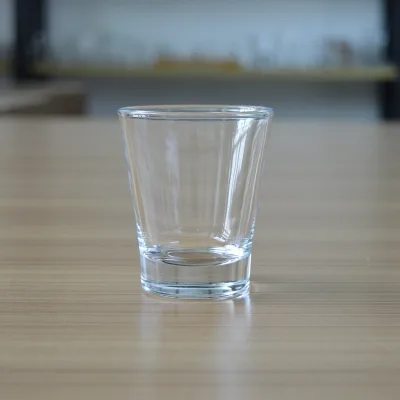
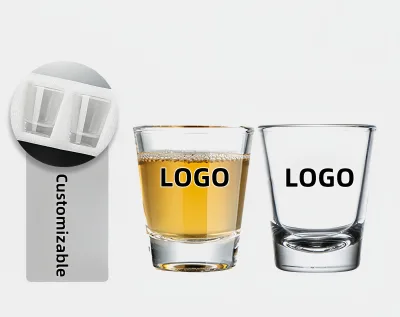


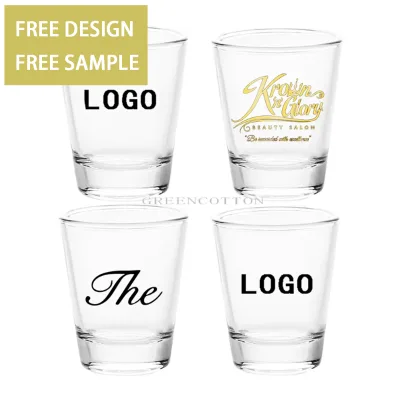


High Quality Crystal Clear Shot Glasses with Custom Glasses for Liquor Whisky
$0.30 - $0.40
MOQ: 6000 Pieces
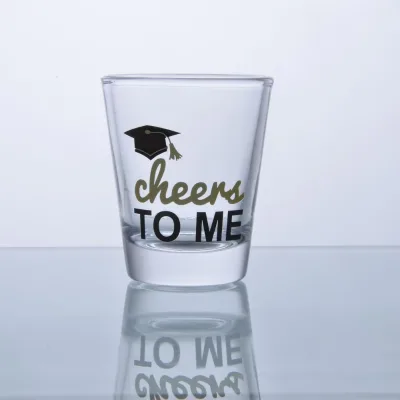

Promotional Gifts Wholesale Cheap Bulk Order Customized Logo Clear Transparent Shot Glasses
$0.10 - $0.13
MOQ: 3000 Pieces


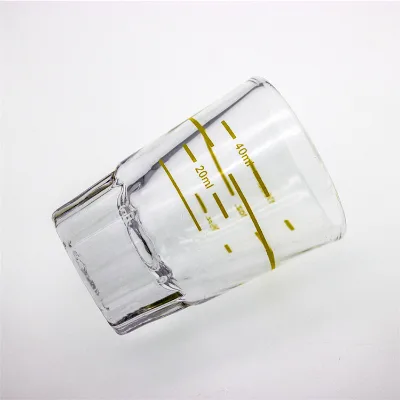


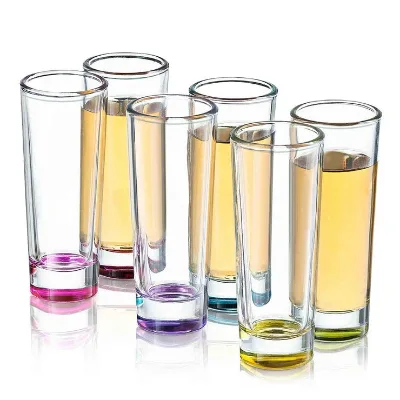


Comprehensive Sourcing Guide
Clear 2oz Shot Glasses Sourcing Guide
Procurement teams evaluating Clear 2oz Shot Glasses must first distinguish between general glassware and specialized drinking vessels designed for specific liquid volumes. The observed market data indicates a distinct product category where capacity is a primary differentiator, with listings explicitly referencing 4oz and 2oz volumes alongside generic shot glass descriptions. Buyers should verify that the physical dimensions and internal capacity of the vessel align precisely with their operational needs, as the distinction between a standard shot glass and a larger serving vessel can impact inventory planning and customer experience.
The sourcing landscape for these items reveals a mix of customization options and standardized production models. While some listings highlight custom color and logo printing capabilities, others present fixed designs with specific packing configurations like 50 pieces per shrink pack. This variation requires buyers to clearly define whether they need a generic commodity item or a branded solution, as the production process for custom logos often involves different lead times and minimum order quantities compared to standard stock items.
Product Scope and Observed Listing Signals
The product scope for Clear 2oz Shot Glasses encompasses a range of applications from home use to commercial hospitality settings. Observed listings frequently cite usage in restaurants, bars, and daily household contexts, suggesting these vessels are versatile enough for both high-volume service and personal consumption. The material composition is predominantly glass, with specific references to clear finishes and ergonomic designs that prioritize safety by eliminating sharp edges. This broad applicability means buyers must assess the specific durability requirements of their intended environment before selecting a supplier.
Listing signals indicate a significant variance in packaging and unit weight, which directly influences logistics planning. Some suppliers offer compact packaging such as 6 pieces per box with 12 boxes per master carton, while others utilize larger shrink packs or bulk cartons. The observed item weights range from lightweight 4.8g units to heavier 357.20g items, suggesting that the "2oz" designation may refer to liquid capacity rather than the physical weight of the glass itself. Buyers must scrutinize these details to ensure the selected product matches their shipping constraints and handling capabilities.
Technical Specifications to Verify
Technical verification begins with confirming the exact capacity and dimensional stability of the glassware. While the core keyword specifies a 2oz volume, observed data includes listings for 4oz capacities and varying standard sizes like 1.96"W x 2.36"H. It is critical to request physical samples or detailed engineering drawings to ensure the internal volume matches the stated 2oz requirement, as discrepancies can lead to over-pouring or under-serving in a commercial setting. The material specification of glass must be cross-referenced with the intended use, particularly regarding thermal resistance if the glasses are expected to handle hot liquids.
Design and functional attributes such as anti-scald properties and leakproof features are essential for user safety and satisfaction. Although some listings mention anti-scald and antifreeze functions, these claims require validation against the specific glass thickness and manufacturing process. Buyers should also verify the presence of safe handles and the absence of sharp edges, which are critical for preventing injuries during high-speed service. The production technology, often described as machine-made, should be confirmed to ensure consistency in wall thickness and rim finish across the entire order batch.
Compliance and Safety Documentation
Safety compliance for glassware intended for food and beverage contact requires rigorous documentation regarding material safety and chemical stability. Buyers must request evidence that the glass is BPA-free and meets relevant food-grade standards, as these certifications are non-negotiable for products entering the hospitality or retail sectors. The observed listings mention BPA-free status, but this attribute must be backed by third-party test reports or supplier declarations of conformity to ensure the material does not leach harmful substances into the consumed liquids.
Regulatory adherence extends to the manufacturing origin and the specific standards applied during production. Products originating from regions like Anhui or Shandong, China, must comply with both local export regulations and the import safety standards of the destination country. Buyers should verify that the supplier maintains a documented quality management system that covers the entire production lifecycle, from raw material sourcing to final packaging. This documentation ensures that the glassware meets international safety benchmarks and protects the buyer from liability issues related to product failure or contamination.
Cost Drivers and Commercial Terms
Cost structures for Clear 2oz Shot Glasses are heavily influenced by customization levels and order volume. The observed MOQ range spans from 50 pieces to 50,000 units, creating a wide spectrum of pricing tiers. Customization features such as logo printing and specific color requests typically incur additional setup costs and higher per-unit prices compared to standard clear designs. Buyers must balance the desire for branding against the budget constraints, understanding that lower MOQs often result in a higher unit cost due to the inefficiencies of smaller production runs.
Commercial terms regarding packaging and shipping logistics play a significant role in the total landed cost. Variations in packing, such as 6 pieces per box versus bulk shrink packs, affect the number of master cartons required and the subsequent freight charges. The observed supply ability of 500,000 pieces per month suggests that large orders can be fulfilled efficiently, but buyers must confirm lead times and port of dispatch details like Nanjing or Shanghai to accurately calculate delivery schedules. Understanding these variables allows procurement teams to negotiate better terms and avoid unexpected expenses during the final stages of the transaction.
Supplier Qualification and Quality Control
Supplier qualification for glassware manufacturers requires a thorough assessment of their production capabilities and quality control protocols. Buyers should verify the supplier's experience with machine-made glass processes and their ability to maintain consistent product standards across large batches. The presence of specific product models and detailed packing instructions indicates a level of operational maturity, but direct engagement with the supplier is necessary to confirm their capacity to meet specific design and volume requirements without compromising quality.
Quality control measures must be established to ensure that every unit meets the specified weight, dimensions, and safety criteria. Given the observed variance in item weights and sizes, a robust inspection plan is essential to filter out defective units before shipment. Buyers should request a pre-shipment inspection report that includes random sampling for capacity verification, edge smoothness checks, and visual inspection for defects. Establishing clear acceptance criteria and communication channels with the supplier ensures that any deviations from the agreed specifications are identified and resolved promptly.
Long-Term Procurement Checks
Long-term procurement success depends on maintaining consistent quality and supply reliability over time. Buyers should implement periodic audits of the supplier's production lines to ensure that the manufacturing process has not drifted from the initial approved samples. Regular re-verification of material safety and compliance documentation is necessary to adapt to any changes in international regulations or industry standards. This proactive approach helps mitigate the risk of supply chain disruptions and ensures that the product remains safe and compliant for end-users.
Building a sustainable relationship with the supplier involves continuous performance monitoring and feedback loops. Buyers should track key performance indicators such as on-time delivery rates, defect rates, and responsiveness to quality issues. Establishing a clear communication protocol for handling disputes or returns ensures that any problems are resolved efficiently without damaging the business relationship. By focusing on long-term partnership rather than one-off transactions, buyers can secure better pricing, priority production slots, and a more reliable supply of Clear 2oz Shot Glasses for their operations.
FAQs
What is the standard capacity for these clear shot glasses?
The standard capacity for these clear shot glasses is 2 ounces, which is a common size for serving spirits like whisky or wine. This volume is suitable for single servings in bars, restaurants, or home settings. Buyers should verify the exact capacity if they require a different size for their specific packaging or service needs.
Can buyers request custom logo printing on the shot glasses?
Yes, custom logo printing is available for these clear shot glasses. Suppliers can apply your brand logo to the glass surface to enhance product identity. This customization option is ideal for businesses looking to create branded merchandise or promotional items. Ensure you provide high-resolution logo files to the supplier for accurate printing results.
What is the typical packaging configuration for these shot glasses?
The typical packaging configuration involves 6 pieces per box, with 12 boxes packed into one master carton. This arrangement protects the fragile glass items during transit and facilitates easy storage and distribution. Buyers should confirm the exact packaging details with the supplier to ensure it meets their logistics and retail display requirements.
Where are these Clear 2oz Shot Glasses manufactured?
These Clear 2oz Shot Glasses are manufactured in Shandong, China. This location is known for its glass production capabilities and competitive pricing. Buyers should consider shipping times and logistics from this origin when planning their inventory. Verifying the supplier's specific factory location can help in assessing quality control and communication efficiency.
What is the minimum order quantity for these shot glasses?
The minimum order quantity for these Clear 2oz Shot Glasses is 50 pieces. This low MOQ allows small businesses or startups to test the product in their market without committing to large inventory. Buyers can negotiate higher quantities for better pricing or customized packaging options. Always confirm the current MOQ with the supplier before placing an order.
What material are these clear shot glasses made of?
These clear shot glasses are made of glass, which provides a durable and transparent appearance suitable for serving beverages. The material is chosen for its clarity and ability to showcase the color of the liquid inside. Glass is a standard choice for shot glasses due to its non-reactive properties and ease of cleaning for repeated use.
What is the single package size for these shot glasses?
The single package size for these Clear 2oz Shot Glasses is 20x20x20 cm. This dimension helps buyers calculate shipping costs and warehouse space requirements accurately. It is important to verify these dimensions with the supplier to ensure they fit within your existing logistics infrastructure and packaging constraints for efficient distribution.