Source Clinical Urodynamic Analyzer for Lab, Hospital, and Clinic
Explore 30 listings for the Clinical Urodynamic Analyzer to compare specifications like measuring ranges and display types. Buyers can evaluate models such as CHL-970A and MSLUD02 from verified Chinese manufacturers offering customization and warranty options.
Key considerations
Products List


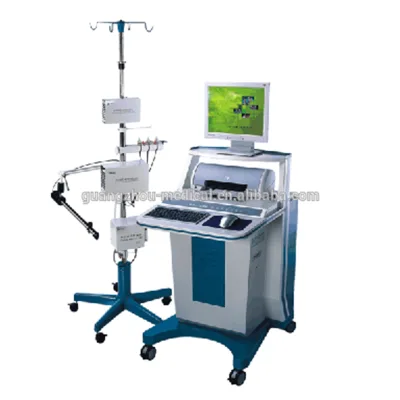

Hospital Urology Instrument Urodynamic Analyzer for Urinary Incontinence Detection
$7500.00 - $15000.00
MOQ: 1 Pieces


Clinical Urine Analyzer Veterinary Portable Urine Analyzer Urinalysis Machine
$109.00 - $469.00
MOQ: 1 Pieces


Urine Analysis Instrument System Urine Chemistry Test Analyzer Urine Analyzer
$99.00 - $230.00
MOQ: 1 Pieces

Urine Analyzer Fully Automatic Urine Analyzer Machine for Clinical Analysis
$320.00 - $420.00
MOQ: 1 Pieces


Chinese Manufacturers Clinical Diagnostic Equipment Medical Urine Analyzer
$78.50 - $92.80
MOQ: 5 Pieces


Comprehensive Sourcing Guide
Strategic Sourcing Guide for Clinical Urodynamic Analyzers
Understanding the Technical Landscape of Urodynamic Systems
The procurement of clinical urodynamic analyzers requires a precise understanding of the device's functional architecture and its specific measurement capabilities. These systems are designed to evaluate the lower urinary tract's function, providing critical data on bladder storage and voiding phases. When evaluating potential units, buyers must distinguish between standalone urine analysis systems and comprehensive urodynamics study systems. The latter typically integrates multiple sensors to monitor pressure, flow, and electromyography (EMG) simultaneously.
A primary technical differentiator is the range of parameters the device can measure. High-performance units in the current market offer specific measuring ranges that are essential for accurate diagnosis. For instance, a robust system should be capable of measuring voiding time within a range of 0 to 240 seconds, with an error margin of less than 5%. Similarly, the pressure measurement capability is critical; buyers should verify that the instrument covers a range from -4.9 kPa to +19.6 kPa (equivalent to -50 cmH2O to 200 cmH2O). This wide dynamic range ensures the device can handle both low-pressure storage phases and high-pressure voiding events without saturation.
Flow rate measurement is another cornerstone of urodynamic analysis. The device must accurately capture the total urine flow volume, typically spanning from 0 to 1000 ml with an error tolerance of less than 2%. The instantaneous flow rate should be measurable up to 50 ml/s. Furthermore, the traction mechanism, often used in cystometry or specific urodynamic tests, requires a minimum drawing length of 280 mm. The speed of this traction is also a key specification, with systems offering variable speeds such as 0.5 mm/s, 1.0 mm/s, 2.0 mm/s, and 4.0 mm/s to accommodate different patient needs and test protocols.
The display interface is equally important for clinical usability. Modern analyzers often feature a 2.4-inch TFT display, which provides clear visualization of real-time pressure and flow curves. This visual feedback allows clinicians to make immediate adjustments during the procedure. Additionally, the EMG test range, typically spanning from 20 microvolts to 1 millivolt, is necessary for assessing pelvic floor muscle activity. Buyers should ensure that the specific model they are considering, such as those designated with model numbers like CHL-BC401 or MSLUD02, explicitly lists these capabilities in their technical datasheets.
Compliance, Certification, and Regulatory Standards
Navigating the regulatory landscape is a non-negotiable aspect of sourcing medical devices. In the context of clinical urodynamic analyzers, compliance ensures that the device meets safety and performance standards required for medical use. The most frequently observed certification in the current supply chain is the CE mark, indicating conformity with health, safety, and environmental protection standards for products sold within the European Economic Area. Buyers must verify that the specific unit they intend to purchase carries this certification, as it is a prerequisite for market entry in many regions.
Beyond the CE mark, the classification of the device is a critical compliance factor. Urodynamic systems are generally categorized as Class II medical devices, which implies a moderate to high risk and necessitates specific regulatory controls. This classification dictates the level of scrutiny required during the approval process and influences the documentation needed for importation. Buyers should confirm that the supplier provides clear evidence of the device's classification, such as "Instrument classification: Class II," to ensure alignment with local regulatory bodies.
Quality management systems also play a pivotal role in compliance. While specific certification documents may vary by supplier, the presence of ISO standards is a strong indicator of a manufacturer's commitment to quality. The ISO13485 standard is widely recognized for medical device quality management systems. Although specific certification status should be verified on a case-by-case basis, the expectation of ISO13485 compliance should be a baseline requirement for any serious supplier. Additionally, some products may carry other certifications like ISOCE, which buyers should cross-reference against their local regulatory requirements.
When evaluating compliance, buyers must also look for evidence of adherence to specific product standards. These standards often define the physical dimensions and weight of the equipment, which can impact installation and logistics. For example, a standard specification might define a unit size of 8379190 cm with a weight of 90 kg, or a more compact unit at 126mm(L)*73.5mm(W)*30mm(H). These physical standards are not merely descriptive; they are often tied to safety and operational requirements. Ensuring that the device meets these dimensional and weight standards is essential for planning the clinical space and ensuring the device is transportable and installable in the intended facility.
Cost Drivers and Pricing Dynamics in the Market
The pricing of clinical urodynamic analyzers is influenced by a complex array of factors, ranging from technical specifications to supply chain logistics. The observed market price range for these devices is substantial, spanning from approximately 70 USD to 20,000 USD. This wide disparity reflects the difference between basic urine analysis components and fully integrated urodynamics study systems with advanced features. Buyers must align their budget with the specific clinical needs of their facility to avoid over-investing in unnecessary features or under-investing in critical capabilities.
Several key drivers contribute to the final cost of the equipment. First, the complexity of the measurement system is a primary factor. Devices that offer a broader range of measurements, such as the ability to measure EMG signals, multiple pressure ranges, and precise flow rates, command a higher price point. The inclusion of advanced display technologies, such as a 2.4-inch TFT screen, also adds to the cost. Second, the warranty period is a significant cost driver. Units offering extended warranties, such as 3 years, are typically priced higher than those with standard 1-year or 12-month coverage. This extended coverage often includes more comprehensive after-sales support and technical guidance.
The origin of the product also influences pricing. Most of the available urodynamic analyzers in the current market originate from China, with specific manufacturing hubs in regions like Guangdong. The location of production can affect shipping costs, import duties, and the overall landed cost of the equipment. Additionally, the customization options available can alter the price. While many suppliers offer standard configurations, the ability to customize the device for specific clinical workflows or to include proprietary software features can increase the unit price.
Minimum Order Quantity (MOQ) requirements also play a role in the effective cost per unit. The observed MOQ range for these devices is between 1 and 10 units. For smaller clinics or research facilities, the ability to purchase a single unit is crucial. However, larger institutions may benefit from bulk purchasing, which can sometimes lead to negotiated pricing, although the market data suggests that many suppliers maintain a competitive price structure even for single-item purchases. Buyers should also consider the "Selling Units" configuration; most suppliers offer the device as a single item, but some may bundle accessories or consumables, which can affect the total cost of ownership.
Typical Clinical Applications and Operational Requirements
Clinical urodynamic analyzers serve a vital role in the diagnosis and management of lower urinary tract disorders. The primary application of these devices is in urology departments, where they are used to assess bladder function in patients suffering from conditions such as urinary incontinence, neurogenic bladder, and bladder outlet obstruction. The ability to measure voiding time, pressure, and flow rate allows clinicians to differentiate between various pathologies and tailor treatment plans accordingly.
In addition to urology, these systems are frequently utilized in gynecology and urogynecology departments. The measurement of pelvic floor muscle activity via EMG testing is particularly relevant for patients with pelvic floor dysfunction. The device's ability to measure traction speed and length is essential for procedures that involve assessing the strength and coordination of the pelvic floor muscles. Furthermore, the system's application extends to laboratory settings where research into urinary function is conducted. The precision of the measurements, with error margins as low as 2% for total volume and 5% for flow rate, ensures that the data generated is reliable for scientific analysis.
Operational requirements for these devices include specific power and environmental conditions. Most urodynamic analyzers operate on a standard power source of 100-240V AC, making them compatible with a wide range of electrical infrastructures. However, the physical footprint of the device must be considered during facility planning. Larger systems, such as those with dimensions of 8379190 cm and a weight of 90 kg, require dedicated space and potentially reinforced flooring. In contrast, more compact units, such as those measuring 126mm(L)*73.5mm(W)*30mm(H), can be integrated into smaller examination rooms.
The integration of the urodynamic system with other laboratory equipment is another operational consideration. Some systems are designed to work in conjunction with specific test strips, such as Urs-10t or Urs-11, for urine analysis. The light wavelength specifications of the device, including 420nm, 525nm, 560nm, 610nm, 660nm, and 950nm, indicate its capability to perform spectrophotometric analysis. This integration allows for a comprehensive assessment of urinary health, combining functional data with chemical analysis. Buyers should ensure that the selected system is compatible with their existing laboratory workflows and that the necessary consumables are readily available.
Supplier Evaluation and Quality Assurance Protocols
Selecting a reliable supplier is paramount to ensuring the long-term success of the procurement. When evaluating potential vendors, buyers should prioritize those who provide transparent information about their product attributes and service capabilities. Key indicators of a reputable supplier include the availability of detailed technical specifications, clear warranty terms, and accessible after-sales support. For instance, suppliers offering "Online Technical Support" and "24 Hours Online Service" demonstrate a commitment to maintaining the operational continuity of the device.
Quality assurance is another critical factor in supplier evaluation. Buyers should verify that the supplier adheres to strict quality control measures. The assertion of "100% Guaranteed" quality is a common claim, but it must be backed by tangible evidence, such as certification documents and quality management system audits. The presence of a "3 Years" warranty, as opposed to the standard "1 Year" or "12 Months," often indicates a higher level of confidence in the product's durability and performance. Additionally, the availability of "Product Service" options, such as technical guides and training, is essential for ensuring that clinical staff can operate the device effectively.
The packaging and shipping standards of the supplier also reflect their attention to detail. Most suppliers utilize "Carton Package" or "Export Carton Package" to protect the equipment during transit. The single package size and gross weight, such as 21X16.5X7 Cm and 0.540 Kg for certain components, provide insight into the logistics requirements. Buyers should ensure that the packaging is robust enough to prevent damage during shipping, especially for delicate electronic components and sensors.
Furthermore, the customization capabilities of the supplier can be a deciding factor. The availability of "Customization" options allows buyers to tailor the device to their specific clinical needs. This could include modifications to the software interface, the addition of specific sensors, or the integration of proprietary data management systems. Buyers should engage in detailed discussions with potential suppliers to understand the extent of these customization options and the associated lead times.
Long-Term Procurement and Lifecycle Management
The procurement of clinical urodynamic analyzers is not a one-time transaction but the beginning of a long-term relationship with the supplier. Long-term considerations include maintenance, upgrades, and the availability of spare parts. A robust after-sales service program is essential for minimizing downtime and ensuring the device remains operational. Buyers should inquire about the supplier's policy on maintenance contracts, the availability of replacement parts, and the response time for technical support.
The lifecycle of the device is also influenced by the technological advancements in the field. As medical technology evolves, older models may become obsolete or incompatible with new diagnostic protocols. Buyers should assess the upgrade path for the selected model. For example, a system with a 2.4-inch TFT display may need to be upgraded to a larger or higher-resolution screen to accommodate new software features. The supplier's ability to provide firmware updates or hardware upgrades is a critical factor in the long-term value of the investment.
Training and education are also key components of long-term procurement. The complexity of urodynamic testing requires skilled personnel to operate the equipment and interpret the results. Buyers should ensure that the supplier offers comprehensive training programs, including on-site training and online resources. The availability of "Technical Guide" services and "Online Technical Support" can significantly reduce the learning curve for new staff and ensure consistent use of the device.
Finally, the total cost of ownership (TCO) should be considered beyond the initial purchase price. This includes the cost of consumables, such as test strips and sensors, as well as the cost of maintenance and repairs. Buyers should analyze the compatibility of the device with standard consumables to avoid being locked into a single supplier for ongoing costs. By carefully evaluating these long-term factors, buyers can ensure that their investment in clinical urodynamic analyzers provides sustained value and supports the clinical needs of their facility for years to come.
Comparative Analysis of Key Specifications
To facilitate informed decision-making, the following table summarizes the key specifications observed across different models in the market. This comparison highlights the variations in dimensions, weight, and functional ranges that buyers should consider.
| Feature | Model A (e.g., CHL-970A/Plus) | Model B (e.g., MSLUD02) | Model C (e.g., ROC12-9) |
|---|---|---|---|
| Classification | Biochemical Apparatus | Urodynamics Study System | Urine Analysis System |
| Dimensions | 907880 CM | 8379190 CM | 126mm(L)*73.5mm(W)*30mm(H) |
| Weight | 78 KG | 90 KG | 0.540 Kg (Single Gross) |
| Display | 2.4" TFT | Not Specified | Not Specified |
| Warranty | Not Specified | 3 Years | 12 Months |
| Pressure Range | Not Specified | -4.9kpa~+19.6kpa | Not Specified |
| Flow Volume | Not Specified | 0ml ~ 1000ml | 0-1000ml |
| Origin | China | Guangdong China | China |
| Certification | ISOCE, CE | Not Specified | CE |
This table illustrates the diversity in the market, with some models focusing on compact, portable designs while others offer larger, more comprehensive systems. Buyers should use this comparison as a starting point for deeper technical due diligence, ensuring that the selected model aligns with their specific clinical requirements and facility constraints.
FAQs
What certifications do clinical urodynamic analyzers typically have?
These devices typically carry CE certification and may include ISOCE marks. Buyers should verify the specific model, such as CHL-970A, to confirm compliance with regional safety standards before procurement.
How long is the warranty period for these systems?
Warranty periods vary by model, with options ranging from 1 year to 3 years. Some units like the MSLUD02 offer extended coverage, ensuring long-term support for clinical operations.
Which measuring ranges are essential for accurate diagnosis?
Essential ranges include voiding time from 0 to 240 seconds and pressure from -4.9 to 19.6 kPa. The system must also measure flow rates up to 50 ml/s with low error margins.
Can I customize the device for specific clinical workflows?
Yes, customization is available for many clinical urodynamic analyzers. Buyers can request specific configurations to align the instrument with their facility's unique diagnostic protocols and operational needs.
What is the minimum order quantity for these units?
The minimum order quantity ranges from 1 to 10 pieces depending on the supplier. Single-item purchasing is often available, making it accessible for smaller clinics or research facilities.
Where are these clinical analyzers typically manufactured?
Most units originate from China, with specific manufacturing hubs in Guangdong. Buyers should account for shipping logistics and import requirements when sourcing from these specific production locations.
How does the display interface support clinical usability?
Modern systems feature a 2.4-inch TFT display for clear real-time visualization. This interface allows clinicians to monitor pressure and flow curves instantly during patient examinations and adjustments.