Source Adjustable Under Bed Patient Restraint for hospitals, rehab, and home care
Explore 30 listings for the Adjustable Under Bed Patient Restraint designed for psychiatric patients, drug rehabilitation centers, and general hospital use. Buyers can compare features like breathability, customization options, and delivery times from verified Chinese manufacturers.
Key considerations
Products List
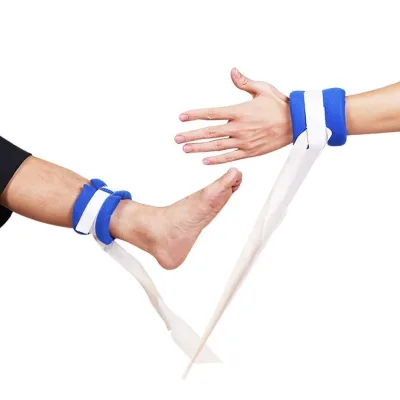
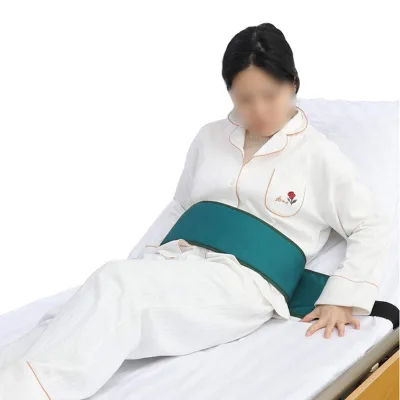
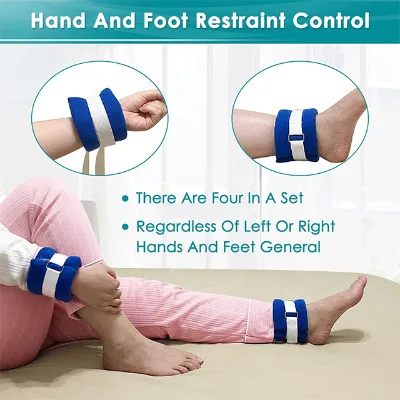
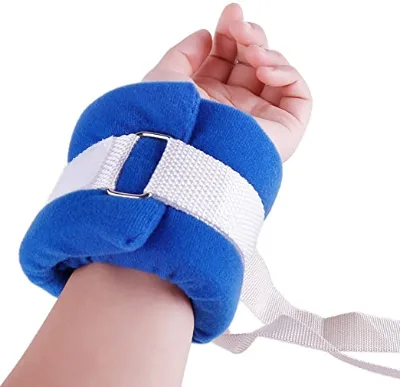


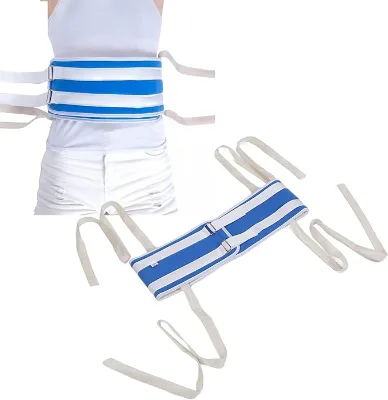
High Quality Medical Waist Restraint Belt Fixed on Bed Magnetic Patient Restraints
$100.00 - $200.00
MOQ: 10 Pieces

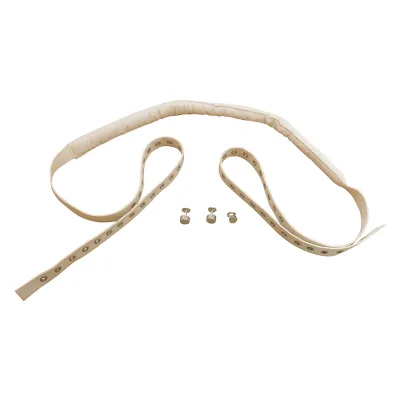
The Aged or Hospital Patients Using on The Bed Limb Buckle Restraint Straps
$0.59 - $1.09
MOQ: 500 Pieces

New Safe and Convenient Wrist Ankle Restraint Adjustable Soft Handcuffs
$13.00 - $23.50
MOQ: 100 Pieces



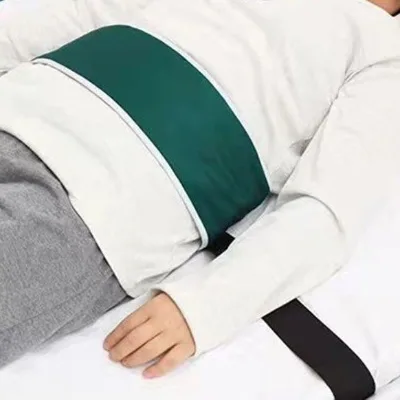
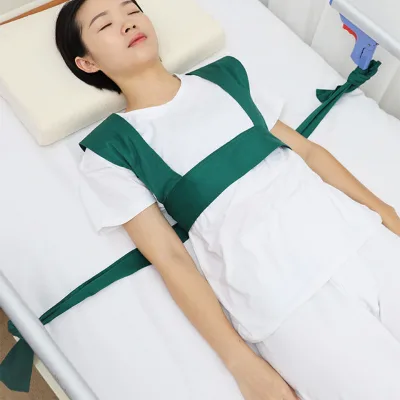
Hospital Bed Use Patient Shoulder Restraint Strap Medical Restraint Belt
$70.00 - $108.00
MOQ: 50 Minimum
Comprehensive Sourcing Guide
Strategic Sourcing Guide for Adjustable Under Bed Patient Restraints
The procurement of medical restraint systems, specifically adjustable under bed patient restraints, requires a disciplined approach that balances patient safety, clinical efficacy, and supply chain reliability. These devices are critical components in psychiatric care, drug rehabilitation centers, and general hospital settings where patient mobility must be managed to prevent self-harm or injury to others. The market presents a diverse array of options, ranging from simple strap configurations to complex belt systems designed for standing and lying positions. Buyers must navigate a landscape where product attributes vary significantly, from material composition to sterilization status, ensuring that the selected equipment meets rigorous operational and safety standards without compromising patient comfort.
Technical Specifications and Material Composition
When evaluating adjustable under bed patient restraints, the primary focus must be on the physical specifications that dictate functionality and durability. The product landscape includes items described as "Medical Restraints" and "Bed Restraint Straps," with specific models like the "TPS RS01" indicating the existence of standardized product lines. A critical observation in the current market is the variation in material composition. Some units are constructed from a blend of cotton, sponge, and flannelette, offering a soft, breathable, and comfortable interface for the patient. This is particularly important for long-term use where skin integrity is a concern. In contrast, other listings identify the material simply as "Medical Restraints" or "Medical Hand Restraint," suggesting a broader category that may include synthetic blends or different textile treatments.
Size and fit are equally paramount. The market offers "One Size Fit All" options, which simplifies inventory management but requires verification of the actual dimensions. Specific listings provide precise measurements, such as a size of "30*7, 180cm," indicating a strap length suitable for various patient body types. The single package dimensions also vary, with observed ranges including "20X10X10 cm" and "20X20X7 cm," which directly impacts shipping costs and storage logistics. The weight of individual units is generally low, ranging from 0.100 kg to 0.150 kg per single gross weight, facilitating easy handling by medical staff. Furthermore, the feature set often includes "Adjustable" mechanisms, allowing caregivers to customize the tension and fit, and "Breathable" properties to prevent heat buildup. Color options are typically limited to standard medical hues like Blue, Green, and White, with some units specified as "Blue 1pc" or "Green," which may aid in color-coding for different wards or patient groups.
Compliance, Certification, and Safety Standards
Navigating the regulatory landscape for medical restraints is complex and requires careful verification of compliance claims. While the supplied data mentions "Advanced Protection" and "Comprehensive Protection" as product attributes, these are descriptive terms rather than verified certifications. Buyers must not assume that a product labeled with these terms has undergone specific third-party testing unless explicitly documented. The context notes the absence of Ethylene Oxide Sterilization for certain items, stating "Without Ethylene Oxide Sterilization." This is a critical distinction for procurement, as it implies the product is likely intended for single-use or requires alternative sterilization methods by the facility. Conversely, other products may be marketed as surgical supplies materials, necessitating a different compliance pathway.
Regarding international standards, background information references IEC 80601-2-52 and IEC 80601-2-89. However, these should be treated as potential benchmarks rather than confirmed attributes of every listed product. Buyers must explicitly verify if a specific supplier's product conforms to these standards or any local regulatory equivalents. The product type is listed variously as "Surgical Supplies Materials" and "Medical Wristbands/Bracelets," which suggests a need to clarify the exact classification of the restraint system to ensure it aligns with hospital procurement policies. The "Protection class" is listed as either "Advanced" or "Comprehensive," but without specific test data, these remain observations. Procurement teams should request detailed compliance dossiers that confirm the product's adherence to relevant safety standards for medical devices, particularly regarding mechanical strength and release mechanisms.
Cost Drivers and Pricing Dynamics
The pricing for adjustable under bed patient restraints exhibits a wide range, observed between 0.5 and 230 USD. This significant variance is driven by several factors, including material quality, customization options, and order volume. Lower-priced items often correspond to basic configurations with standard colors and minimal packaging, such as "Opp Bag" or simple "Carton" packing. Higher price points may reflect advanced features, specialized materials like flannelette blends, or the inclusion of custom branding. The "Selling Units" are typically listed as "Single item," but the economic reality of B2B procurement relies heavily on the Minimum Order Quantity (MOQ).
The MOQ range spans from 1 to 1000 units, with specific listings showing an MOQ of 100 Pcs. This flexibility allows buyers to test the market with small orders or commit to larger volumes for cost efficiency. The price per unit is likely to decrease as the order quantity increases, a standard dynamic in medical supply procurement. Additionally, the "Service" attribute includes "ODM OEM Service," indicating that suppliers are willing to customize the product, which can introduce variable costs depending on the complexity of the customization, such as logo printing or specific color requirements. Buyers should analyze the total cost of ownership, factoring in shipping costs derived from package dimensions and weight, as well as any potential tariffs or duties associated with importing from China, where the majority of these products originate.
Typical Applications and Clinical Use Cases
The intended use of these restraints is clearly defined in the product attributes, targeting specific patient populations and care environments. The primary applications include "Psychiatric Patients" and "Drug Rehabilitation Centers," where the risk of self-harm or aggression is a documented concern. The "Applicable" section notes that certain models are designed for "Standing and Lying Positions Can Be Used," suggesting versatility in patient positioning and mobility management. The "Group" is specified as "Adult," indicating that pediatric-specific designs are not the focus of these general listings.
The functionality extends beyond simple restraint; the "Advantage" is listed as "Easy to Operate," which is crucial for medical staff who must apply and release these devices quickly and safely in emergency situations. The "Season" attribute is "All Seasons," implying that the materials are suitable for year-round use without degradation in varying climates. The "Usage" is explicitly linked to clinical settings, reinforcing the need for products that are durable and reliable. Some products are described as "Personal Roll Belt patient bed Restraint Straps," highlighting a specific design approach that may offer better comfort or security compared to flat straps. Understanding these application nuances helps buyers select the right product for their specific facility needs, ensuring that the equipment matches the clinical protocols of their department.
Supplier Evaluation and Operational Capabilities
Selecting a reliable supplier is as important as the product specifications themselves. The "Place of Origin" is consistently listed as "China," with specific mentions of "Hebei, China," providing a geographical context for the supply chain. Buyers should evaluate suppliers based on their ability to meet delivery timelines, which range from "15-30 Days" to "30~35days." These lead times are critical for inventory planning and must be factored into procurement schedules. Payment terms are typically structured as "T/T" (Telegraphic Transfer) or "T/A" (Trust Account), which are standard in international trade but require careful financial management.
The "Service" capabilities include "ODM OEM Service" and "Customization: Available," allowing buyers to tailor products to their brand or specific clinical requirements. The "Logo" attribute confirms that "Customized Logo Accept" and "With Logo Printing" are available, while some listings specify "Without Logo Printing," offering flexibility for generic or branded orders. The "Stock" status is noted as "Yes" for some items, which can expedite delivery for urgent needs. However, buyers must verify the actual availability and the supplier's capacity to scale production if demand increases. The "Single gross weight" and "Single package size" data provided are essential for logistics planning, ensuring that the supplier can deliver the goods efficiently without unexpected shipping surcharges.
Quality Control and Long-Term Procurement Considerations
Ensuring consistent quality in medical restraint procurement requires a robust quality control (QC) strategy. Given the variation in materials and the critical nature of the application, buyers should implement a rigorous inspection process upon receipt of goods. This includes verifying the "Feature" set, such as "Soft, Breathable" and "Adjustable," to ensure they match the product description. The "Package" type, whether "Opp Bag" or "Carton," should be inspected for damage that could compromise the sterility or integrity of the product.
Long-term procurement considerations involve building a sustainable relationship with suppliers who can maintain consistent quality over time. The "Delivery time" variability suggests that buyers should maintain a buffer in their inventory to mitigate potential delays. The "MOQ" flexibility allows for a phased approach to purchasing, reducing the risk of overstocking. Additionally, the "Ethylene Oxide Sterilization" status must be clearly communicated and managed, as facilities may need to perform their own sterilization if the product is not pre-sterilized. Buyers should also consider the "Product Name" variations, such as "Magnetic Restraint Belt" versus "Medical Restraint Strap," to ensure they are purchasing the correct technology for their specific clinical needs. By focusing on these operational details, procurement teams can secure a reliable supply of high-quality adjustable under bed patient restraints that meet the demanding requirements of modern healthcare environments.
Comparative Analysis of Product Attributes
To facilitate decision-making, the following table summarizes key observed attributes across the product range, highlighting the variations buyers must navigate.
| Attribute Category | Observed Variations | Procurement Implication |
|---|---|---|
| Material | Cotton, Sponge, Flannelette vs. Generic "Medical Restraints" | Verify comfort and skin safety; request material safety data sheets. |
| Size/Dimensions | One Size Fit All, 30*7, 180cm, 20X10X10 cm | Confirm fit for target patient demographic; check storage space needs. |
| Color | Blue, Green, White | Consider color-coding for ward management or patient identification. |
| Sterilization | Without Ethylene Oxide Sterilization | Plan for in-house sterilization or confirm single-use protocols. |
| Customization | Logo Printing (With/Without), ODM/OEM Available | Factor in lead time and cost for branding or specific design changes. |
| MOQ | 1 to 1000 Pcs (e.g., 100 Pcs specific) | Align order volume with budget and storage capacity; negotiate pricing tiers. |
| Lead Time | 15-30 Days, 30-35 Days | Adjust inventory planning to account for shipping and production delays. |
| Protection Class | Advanced, Comprehensive | Request specific test data to validate these claims against safety standards. |
This comparative view underscores the necessity of detailed specification checks before finalizing any purchase order. The diversity in attributes means that a "one-size-fits-all" procurement strategy is ineffective; instead, a tailored approach that aligns product specifications with clinical requirements and logistical capabilities is essential for success.
FAQs
What materials are used for adjustable under bed patient restraints?
Some units are constructed from a blend of cotton, sponge, and flannelette to ensure comfort. Other listings identify the material simply as medical restraints or hand restraints, suggesting broader categories that may include synthetic blends or different textile treatments.
Can these restraints be customized with a logo?
Yes, customized logo acceptance is available for many products in this category. Some listings specify with logo printing options while others offer without logo printing, providing flexibility for generic or branded orders depending on the supplier.
What is the typical delivery time for these medical devices?
Delivery times typically range from 15 to 30 days for standard orders. Some specific listings indicate a longer lead time of 30 to 35 days, which buyers must factor into their inventory planning and procurement schedules.
Are these restraints suitable for standing and lying positions?
Yes, certain models are designed to be applicable for both standing and lying positions. This versatility allows for effective mobility management in various patient care scenarios, including psychiatric and rehabilitation settings.
What is the minimum order quantity for these products?
The minimum order quantity ranges from 1 to 1000 units depending on the supplier. Specific listings show an MOQ of 100 pieces, allowing buyers to test the market with small orders or commit to larger volumes for cost efficiency.
Do these products come with Ethylene Oxide sterilization?
Some items are explicitly listed as without Ethylene Oxide sterilization. This implies the product is likely intended for single-use or requires alternative sterilization methods by the facility before clinical application.
Where are these adjustable restraints manufactured?
The place of origin is consistently listed as China, with specific mentions of Hebei. Buyers should evaluate suppliers based on their ability to meet delivery timelines and shipping logistics from this geographical context.