Source Closet Hanging Rod for cabinets, wardrobes, and bedrooms
Compare 30 Closet Hanging Rod options from verified Chinese manufacturers. Buyers can evaluate materials like stainless steel and aluminum, sizes, and customization features for cabinet and bedroom furniture applications.
Key considerations
Products List
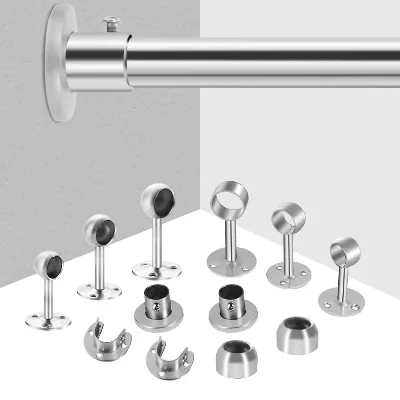
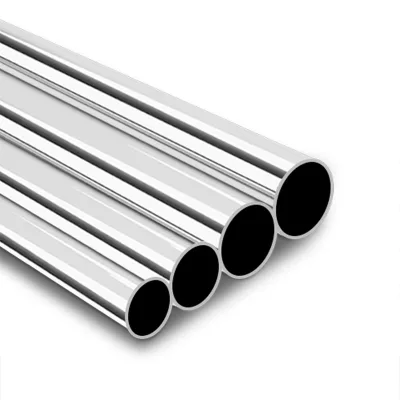
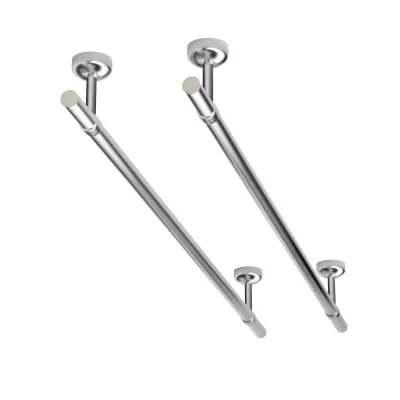
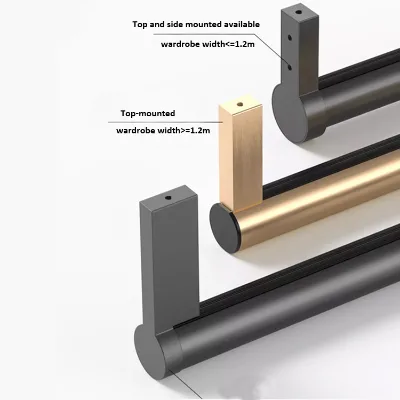

Wardrobe Accessories Leather Clothes Hanging Bar Space Saving Oval Closet Rod
$6.66 - $7.00
MOQ: 100 Pieces


Aluminium Alloy Wardrobe Accessories Heavy Duty Clothes Hanging Oval Closet Rod
$6.66 - $7.00
MOQ: 100 Pieces
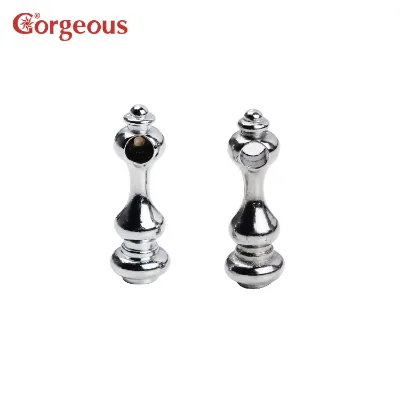


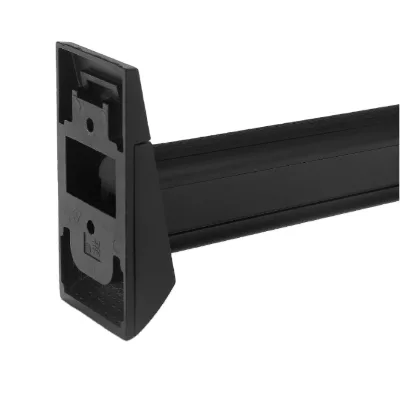
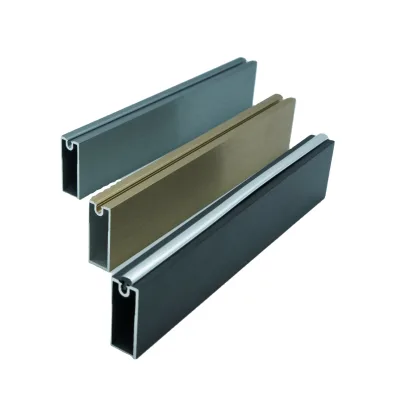
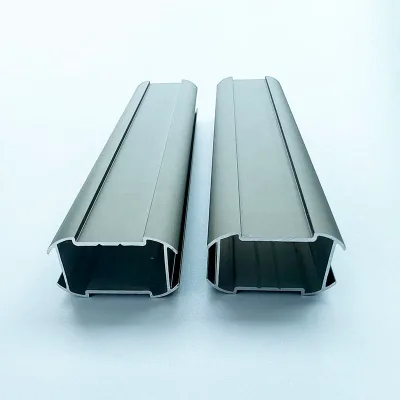

Modern Style Closet Rods Wardrobe Hanging Rods Hanging Clothes Tube Closet Rod
$1.50 - $2.00
MOQ: 1000 Sets


Clothes Hanging Rod Wardrobe Closet Rod Wardrobe Hanging Rod Aluminum Rail
$1.50 - $2.00
MOQ: 1000 Sets


Furniture Accessories Wardrobe Fittings Aluminum Pipe Tube Hanging Rod Closet Rod
$0.55 - $1.20
MOQ: 1000 Pieces


Adjustable Closet Hanging Pole Wardrobe Pipe Heavy Duty Tube Metal Closet Rod
$1.70 - $2.70
MOQ: 3000 Pieces
Comprehensive Sourcing Guide
Strategic Sourcing Guide for Closet Hanging Rods
The global market for closet hanging rods has evolved from a simple hardware component into a critical element of modern storage systems, influencing both the functionality and aesthetic appeal of residential and commercial spaces. For procurement professionals, navigating this category requires a disciplined approach that balances technical specifications with supply chain reliability. The core keyword "Closet Hanging Rod" encompasses a diverse range of products, from basic stainless steel tubes to complex aluminum alloy systems with soft-close mechanisms. This guide synthesizes available product data and industry best practices to provide a structured framework for sourcing these essential hardware components.
Technical Specifications and Material Selection
The foundation of a successful procurement strategy lies in a precise understanding of technical specifications. The supplied product data indicates a clear divergence in material composition, which directly impacts durability, cost, and application suitability. Buyers must distinguish between stainless steel and aluminum alloy options, as each offers distinct performance characteristics.
Products identified in the market data utilize SS201 and SS304 stainless steel, alongside aluminum and aluminum alloy constructions. The choice between SS201 and SS304 is not merely cosmetic; SS304 offers superior corrosion resistance, making it the preferred choice for humid environments such as bathrooms or coastal regions, whereas SS201 is often selected for cost-sensitive applications in dry environments. The surface treatment data highlights "Anodize" as a specific process, primarily associated with aluminum products. This treatment enhances surface hardness and provides a durable finish that resists scratching and fading.
Size customization is a dominant feature in this category. The data explicitly lists "Customized Size" and specific lengths such as "3M," alongside standard package dimensions like 13x10x5 cm and 110x13x8 cm. This variability suggests that many suppliers operate on a made-to-order basis. Procurement teams must verify the exact load-bearing capacity relative to the rod's diameter and material thickness, as these metrics are rarely standardized across different suppliers. Furthermore, the "Single gross weight" varies significantly, ranging from 0.4 kg to 5.0 kg per unit, indicating a wide spectrum of product densities and wall thicknesses. Buyers should request detailed engineering drawings to confirm that the selected weight and dimensions align with the intended cabinet or wardrobe structure.
Compliance, Certification, and Safety Standards
While the provided product facts do not list specific certification numbers or third-party test results, the procurement of closet hardware requires rigorous verification of compliance. In the absence of explicit certification data in the source material, buyers must actively request documentation to ensure the product meets international safety and environmental standards.
For stainless steel products, verification of the material grade is paramount. Buyers should demand mill test certificates (MTC) that confirm the chemical composition of the steel, ensuring it matches the claimed SS201 or SS304 specifications. This prevents the substitution of lower-grade materials that may fail under load or corrode prematurely. For aluminum products, the anodization process must be verified to ensure it meets thickness requirements for durability.
The "Standard" field in the data mentions "1M/Customized Size" and "3M/Customized," which refers to length standards rather than safety certifications. However, in the broader context of furniture hardware, compliance with standards such as ANSI/BHMA (American National Standards Institute/Builders Hardware Manufacturers Association) or EN (European Norms) for load testing is often expected. Buyers should inquire whether the supplier's products have undergone tensile strength testing or fatigue testing to ensure they can support the weight of heavy winter coats or multiple garments without sagging. Additionally, if the products are destined for markets with strict environmental regulations, verification of RoHS (Restriction of Hazardous Substances) compliance regarding the surface treatments and coatings is essential.
Cost Drivers and Pricing Dynamics
Understanding the cost structure of closet hanging rods is vital for budgeting and negotiation. The observed price range in the market data spans from $0.04 to $7.00 USD, a variance that reflects differences in material quality, manufacturing complexity, and order volume.
The primary cost driver is the raw material. Stainless steel, particularly SS304, is generally more expensive than aluminum alloy or SS201. The surface treatment also adds cost; anodizing aluminum requires additional processing steps compared to standard polishing or plating. The "Customized" nature of the product is another significant factor. While customization allows for perfect fitment, it often disrupts mass production efficiencies, potentially increasing the unit cost.
Minimum Order Quantity (MOQ) is a critical variable in the total cost of ownership. The data shows an MOQ range from 1 to 10,000 pieces, with specific instances of 500 pcs and 1000 pcs. Buyers with lower volume requirements may face higher per-unit costs or be forced to accept higher MOQs to achieve competitive pricing. The "Selling Units" being listed as "Single item" suggests that some suppliers may offer sample orders, but the bulk pricing structure likely shifts dramatically at the 1000-piece threshold. Payment terms, such as T/T, Western Union, and PayPal, also influence cash flow and risk, with T/T being the standard for B2B transactions.
Typical Applications and Functional Requirements
The versatility of closet hanging rods is evident in the diverse applications listed in the product data. The "Usage" field identifies "Cabinet" and "Bedroom Furniture," while the "Application" specifies "Bedroom wardrobe." This indicates that the primary market is residential storage, but the robust nature of stainless steel options suggests suitability for commercial settings like hotels or retail stockrooms.
Functional requirements vary by application. The data highlights a "Soft Close" function for specific models, a feature that adds value by preventing slamming and reducing noise, which is highly desirable in bedroom environments. The "Style" is described as "Simple Modern" and "Modern," aligning with contemporary interior design trends. The "Color" options, including "SS," "black/gold/grey," and "Customized Color," allow for aesthetic integration with various furniture finishes.
The "Folded" attribute is listed as "Unfolded," which may refer to the delivery state or a specific telescopic design. Buyers must clarify whether the rod is a fixed-length tube or an adjustable system, as this affects installation complexity. For "Cabinet" usage, the rod must be compatible with the internal dimensions of the unit, whereas "Bedroom wardrobe" applications may require longer spans or higher load capacities.
Supplier Evaluation and Capability Assessment
Evaluating suppliers requires a focus on their operational capabilities and track record. The data indicates a concentration of manufacturing in "Guangdong, China," a major hub for hardware production. This region offers access to a robust supply chain but requires careful vetting to ensure quality consistency.
Key evaluation criteria include the supplier's "Service" capabilities, specifically "OEM and ODM" availability. This indicates the supplier can customize products for branding or specific design requirements. The "Advantages" section mentions "10 Years Experience," which serves as a proxy for stability and accumulated technical knowledge, though buyers should verify this claim through references or site audits.
The "Sample" availability is noted as "Free," which is a positive indicator of supplier confidence and a low-risk way for buyers to assess product quality before committing to a large order. However, the "mail packing" attribute, listed as "Yes" or "Y," requires clarification. Buyers should confirm if this refers to standard mailing packaging or specialized protective packaging suitable for international shipping, as the "Single package size" varies significantly, impacting logistics costs.
Quality Control and Inspection Protocols
Implementing a robust quality control (QC) protocol is essential to mitigate the risks associated with hardware procurement. Given the wide range of observed specifications, a one-size-fits-all inspection plan is insufficient.
Inspection should begin with a pre-production sample approval process. Buyers must verify that the sample matches the agreed-upon material grade, dimensions, and surface finish. For stainless steel rods, magnetic testing can help distinguish between 304 and 201 grades, although chemical analysis is more definitive. For aluminum rods, the thickness of the anodized layer should be measured to ensure it meets durability standards.
During production, random sampling is recommended to check for consistency in welding quality (if applicable), surface defects, and dimensional accuracy. The "Single gross weight" of 0.4 kg to 5.0 kg should be verified to ensure the material density is consistent with the specifications. Additionally, functional testing, such as load-bearing tests and soft-close mechanism checks, should be conducted on a statistical sample basis. The "Condition" is listed as "New," but buyers must ensure that the packaging prevents damage during transit, especially for the larger units with a package size of 110x13x8 cm.
Long-Term Procurement Considerations
Sourcing closet hanging rods is not a one-time transaction but a strategic partnership that impacts long-term operational efficiency. The "Customization" availability suggests that suppliers can adapt to changing design trends, which is crucial for maintaining product relevance over time.
Buyers should consider the scalability of the supply chain. With an MOQ range up to 10,000 pieces, suppliers must demonstrate the capacity to ramp up production during peak seasons without compromising quality. The "Lead time" is not explicitly stated in the data, but buyers must negotiate clear delivery schedules to avoid production delays.
Furthermore, the "Payment" terms, including T/T and Western Union, should be structured to protect the buyer's interests. Escrow services or letters of credit may be necessary for large orders. The "Model number" variations, such as JNT-P112, RF-1201, and BS-FA-A273 series, indicate a complex product portfolio. Buyers should establish a clear cataloging system to manage these SKUs effectively and ensure that replacement parts or future orders can be sourced consistently.
In conclusion, sourcing closet hanging rods requires a meticulous approach that balances technical precision with supply chain intelligence. By focusing on material verification, compliance checks, and supplier capability, buyers can secure high-quality hardware that meets the demands of modern storage solutions. The diversity in the market, from basic stainless steel tubes to advanced aluminum systems with soft-close features, offers ample opportunity for strategic procurement, provided that the buyer remains vigilant in their evaluation and quality control processes.
FAQs
What materials are used for closet hanging rods?
Closet hanging rods are constructed from SS201, SS304 stainless steel, or aluminum alloy. SS304 offers superior corrosion resistance for humid environments, while aluminum often features an anodized surface treatment for durability and scratch resistance.
Can I order customized sizes for these rods?
Yes, customized sizes are available for most Closet Hanging Rod models. Suppliers offer standard lengths like 3M alongside fully customized dimensions to fit specific cabinet or wardrobe internal structures precisely.
What is the minimum order quantity for these products?
The minimum order quantity typically ranges from 500 to 1000 pieces depending on the supplier and specific model. Some vendors may accept lower quantities for samples, but bulk orders usually require meeting the 1000-piece threshold.
Which features are available for modern wardrobe rods?
Modern wardrobe rods feature soft-close mechanisms, stable construction, and simple modern styles. Options include various colors like black, gold, and grey, with some models offering free samples for quality verification before bulk purchase.
How are these rods packaged for shipping?
Products are shipped in single packages with varying dimensions such as 13x10x5 cm or 110x13x8 cm. Suppliers confirm mail packing availability, and detailed packing specifications should be consulted to ensure safe transit for international orders.