Source Clothes Cleaning Lint Roller for Clothes Furniture Carpet
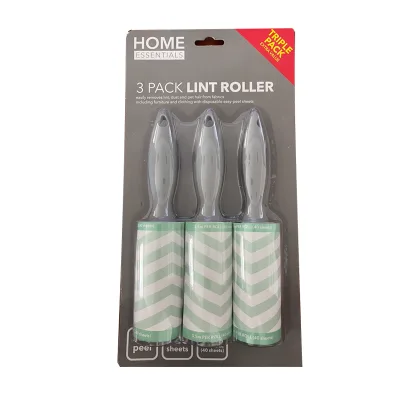
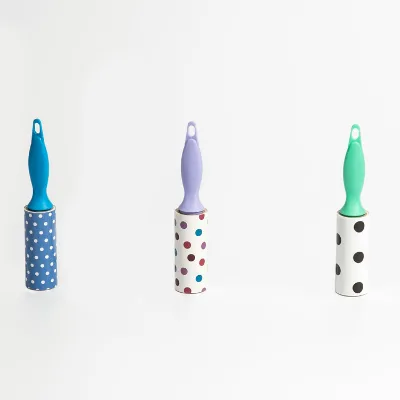
Find 30 verified options for Clothes Cleaning Lint Roller with manual operation and PP materials. Compare specifications including glue type, sheet layers, and dimensions from suppliers in China to select the right remover for clothes, furniture, and carpet.
Key considerations
Products List


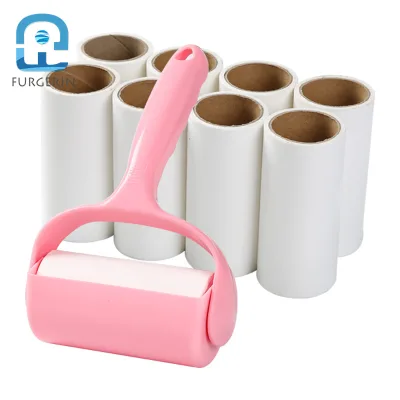
Reusable Lint Roller Washable Lint Remover for Clothes Pet Hair Sticky Home Cleaning
$0.60 - $0.80
MOQ: 10000 Pieces
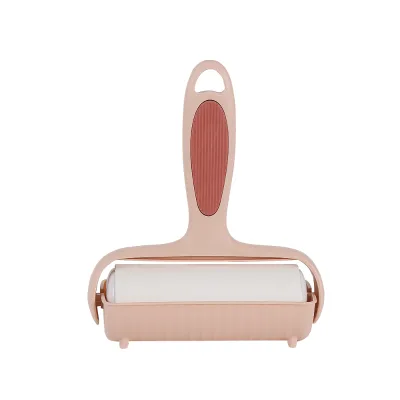


$0.30 - $1.00
MOQ: 6000 Pieces


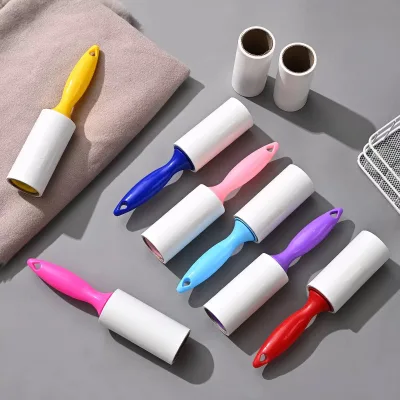
Adhesive Sticky Tape Cleaner Lint Roller for Clothing Clothes Pet Hair Remover
$0.25 - $0.30
MOQ: 2000 pieces


Custom Manual Adhesive Paper Sticky Cleaner Hair Dust Lint Roller for Clothes
$0.25 - $0.30
MOQ: 2000 pieces

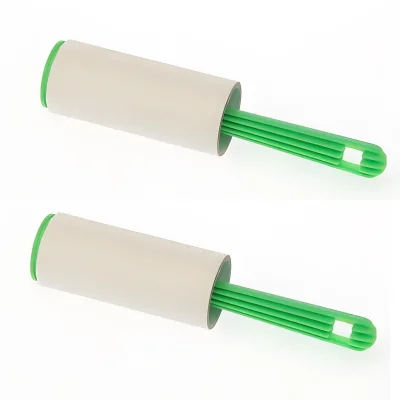
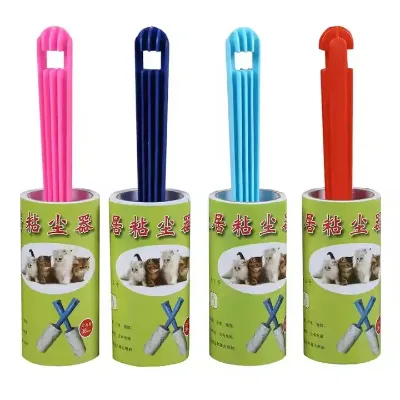

Promotional High Satisfaction Factory Reusable Household Cleaning Clothes Remover Lint Roller
$0.40 - $0.65
MOQ: 1500 Pieces
Comprehensive Sourcing Guide
Strategic Sourcing Guide for Clothes Cleaning Lint Rollers
Understanding Product Variants and Core Specifications
The global market for clothes cleaning lint rollers is characterized by a diverse range of configurations designed to address specific cleaning needs across various textiles and surfaces. When sourcing these items, buyers must first distinguish between the primary mechanical designs observed in current supply chains. The data indicates a clear bifurcation between manual adhesive rollers and brush-based cleaning systems. Manual variants typically utilize a handle constructed from Polypropylene (PP) or Acrylonitrile Butadiene Styrene (ABS), providing the necessary rigidity for repetitive use. These units are often categorized under the "Style: Manual" attribute, emphasizing a traditional rolling mechanism where the user manually advances the adhesive sheet.
In contrast, brush-based alternatives utilize Nylon bristles, offering a non-adhesive method for removing lint, dust, and pet hair. These units are frequently described with attributes such as "Type: Cleaning Brush" or "Production: Lint Sticking Roller," though the latter terminology can sometimes indicate a hybrid or specific adhesive application method. The physical dimensions of these products vary significantly depending on the intended application. Standard adhesive rollers often feature a width of 10cm, with inner core sizes measuring approximately 12cm. However, larger commercial units or those designed for furniture and carpets may have different specifications, with some cartons containing products where the single package size is recorded as 18.5 x 12 x 4.5 cm, while others are packed in larger cartons measuring 66 x 36 x 53.5 cm.
The adhesive composition is another critical technical differentiator. The majority of adhesive rollers rely on Hotmelt glue technology, which is applied to a release paper backing. The number of sheets per roller can range from 10 to 120 sheets, a variable that directly impacts the product's lifespan and perceived value. The material composition of the roller itself is predominantly Polypropylene (PP), often combined with release paper and glue in a composite structure. Buyers should note that while some listings specify a single material like "Plastic," the functional core is almost always a composite of PP, release paper, and adhesive. Understanding these material and dimensional specifications is the first step in aligning product selection with the specific cleaning requirements of the target market, whether for personal household use or industrial textile maintenance.
Compliance, Certification, and Environmental Standards
When evaluating suppliers for lint rollers, compliance and certification status are paramount, particularly given the increasing demand for eco-friendly products in the B2B sector. The supply data explicitly highlights an "Eco-Friendly" feature for certain product lines, suggesting that manufacturers are increasingly focusing on sustainable materials and processes. However, buyers must exercise caution and verify these claims against actual documentation rather than relying solely on marketing labels. While background knowledge often associates cleaning products with standards such as ISO9001 for quality management or BSCI for social compliance, these specific certifications are not confirmed in the provided product facts. Therefore, procurement teams must treat such certifications as potential requirements to be verified during the supplier audit phase rather than assumed attributes.
The absence of explicit certification data in the product listings necessitates a rigorous verification process. Buyers should request valid certificates from suppliers to confirm adherence to international standards. For instance, if a supplier claims ISO9001 compliance, the buyer must verify the certificate's validity and scope. Similarly, claims regarding FSC (Forest Stewardship Council) certification, which would apply to the paper components of the roller, require independent verification. The product origin is listed as China, specifically from regions like Guangdong and Zhejiang, which are major manufacturing hubs. While these regions have a high concentration of manufacturers, the geographic origin alone does not guarantee compliance with specific environmental or safety standards.
Furthermore, the "OEM" (Original Equipment Manufacturer) brand name attribute indicates that many suppliers offer private labeling services. This is a significant factor for buyers looking to build their own brand. However, OEM capabilities must be paired with strict quality control to ensure that the private label products meet the same compliance standards as the supplier's standard offerings. Buyers should explicitly include requirements for material safety data sheets (MSDS) and environmental compliance reports in their Request for Quotation (RFQ) processes. The "Eco-Friendly" attribute observed in the data suggests a market trend, but without specific certification numbers or third-party audit reports, this remains an observation rather than a guaranteed fact. Procurement strategies should therefore prioritize suppliers who can provide transparent, verifiable documentation regarding their environmental claims and manufacturing standards.
Cost Drivers and Pricing Dynamics
The pricing structure for clothes cleaning lint rollers is influenced by a complex interplay of material costs, production complexity, and order volume. The observed price range in the market spans from $0.22 to $5.00 USD, a wide variance that reflects differences in product quality, sheet count, and packaging. The lower end of this spectrum likely corresponds to basic models with fewer adhesive sheets, simpler packaging, or lower-grade materials. Conversely, the higher price points are associated with premium configurations, such as those with 120 sheets, specialized handles, or eco-friendly certifications.
Order volume is a primary driver of cost efficiency. The Minimum Order Quantity (MOQ) range observed spans from 1 unit to 100,000 units. This flexibility allows buyers to scale their procurement based on their specific needs, from small trial orders to large-scale distribution contracts. Suppliers often offer tiered pricing structures where the unit cost decreases significantly as the order volume increases. For instance, an order of 1,000 units may carry a different price point than an order of 10,000 units. Buyers must carefully calculate the total landed cost, which includes not only the unit price but also shipping, duties, and packaging expenses.
Packaging also plays a significant role in cost determination. The data indicates various packing methods, including "OPP+Carton+Pallet" and "OPP+Carton." The choice of packaging affects both the unit cost and the logistics efficiency. Palletized shipping is essential for large orders to optimize container utilization and reduce handling costs, but it adds to the initial expense. Additionally, the "Qty/Carton" metric, which varies (e.g., 100 PCS per carton), influences the number of cartons required and the overall shipping volume. Buyers should negotiate packaging specifications that balance product protection with cost efficiency. For example, optimizing the carton size to maximize the number of units per pallet can yield substantial savings in freight costs.
Typical Applications and Market Segmentation
The versatility of clothes cleaning lint rollers is evident in their diverse application scenarios. The product attributes list a wide array of usage cases, including Clothes, Furniture, Carpet, Bedding, Blanket, Curtain, Car Seat, and Pet hair removal. This broad applicability suggests that the product serves multiple market segments, from household consumers to professional cleaning services and automotive detailing businesses. The "Type: Remover The Dust or Hair From The Clothes, Bed etc" description reinforces the product's primary function as a multi-surface cleaning tool.
For the household market, the focus is often on convenience and ease of use. Products designed for this segment typically feature compact sizes, such as the 10cm width observed in the data, and are marketed for quick touch-ups on clothing and bedding. The "Style: Modern simplicity" and "Color: Pink" attributes indicate that aesthetic appeal is a factor for consumer-facing products. In contrast, the professional and commercial sectors may prioritize durability and high sheet counts. For example, a 120-sheet roller would be more suitable for a hotel housekeeping team or a car detailing service that requires a tool capable of handling large volumes of lint and debris without frequent replacement.
The "Usage times: 60 Tear" attribute provides insight into the expected lifespan of the product, which is a critical factor for commercial buyers calculating replacement cycles. Products with higher sheet counts and robust adhesive quality will reduce the frequency of replacement, thereby lowering the total cost of ownership for businesses. Additionally, the "Net Weight" and "Gross Weight" specifications (e.g., 160g net, 18kg gross for a carton) help buyers estimate the logistical impact of the product. Understanding these application-specific requirements allows buyers to tailor their procurement strategy to the needs of their specific customer base, ensuring that the selected products align with the intended use cases.
Supplier Evaluation and Quality Control Protocols
Selecting the right supplier requires a comprehensive evaluation of their capabilities, quality control systems, and production capacity. The data indicates that suppliers are located in China, with specific mentions of Guangdong and Zhejiang provinces. These regions are known for their manufacturing expertise, but buyers must conduct due diligence to ensure that the supplier meets their specific quality standards. Key evaluation criteria should include the supplier's ability to provide samples, their production lead times, and their capacity to handle custom orders.
The "Sample: Provided" attribute is a positive indicator, suggesting that suppliers are willing to share product samples for evaluation. Buyers should utilize this opportunity to physically inspect the product for quality, adhesive strength, and overall construction. Quality control protocols should be established early in the procurement process. This includes defining clear acceptance criteria for material composition, adhesive performance, and packaging integrity. Buyers should also verify the supplier's production capacity to ensure they can meet demand during peak seasons.
Customization is another critical factor, as the data confirms that "Customization: Available." This allows buyers to tailor the product to their brand requirements, including custom branding, packaging, and potentially even product dimensions. However, customization introduces additional complexity to the quality control process. Buyers must ensure that the supplier has the necessary equipment and expertise to execute custom orders without compromising product quality. Establishing a robust communication channel with the supplier is essential for managing these customizations and ensuring that the final product meets expectations.
Long-Term Procurement and Supply Chain Resilience
Building a sustainable and resilient supply chain for clothes cleaning lint rollers requires a long-term perspective that goes beyond immediate cost savings. Buyers should consider factors such as supplier reliability, scalability, and the potential for product innovation. The "Production: Lint Sticking Roller" and "Brand name: Furgerin" or "OEM" attributes indicate that the market supports both established brands and private label opportunities. For buyers looking to build a long-term brand, establishing a strategic partnership with a reliable supplier is crucial.
Scalability is another key consideration. As the market demand for lint rollers grows, buyers must ensure that their suppliers can scale production to meet increasing order volumes. The observed MOQ range of 1 to 100,000 units suggests that suppliers are capable of handling a wide range of order sizes, but buyers should verify the supplier's ability to ramp up production quickly in response to market fluctuations. Additionally, buyers should consider the environmental impact of their procurement decisions. The "Eco-Friendly" attribute suggests a growing trend towards sustainable products, and buyers who prioritize sustainability may gain a competitive advantage in the market.
Finally, risk management is essential for long-term procurement success. Buyers should diversify their supplier base to mitigate the risk of supply chain disruptions. This may involve working with multiple suppliers in different regions or developing contingency plans for potential supply chain bottlenecks. By focusing on long-term relationships, quality assurance, and strategic planning, buyers can ensure a stable and efficient supply of clothes cleaning lint rollers that meets the evolving needs of their customers.
Comparative Analysis of Product Specifications
To facilitate informed decision-making, the following table summarizes the key specifications observed in the product data, highlighting the variations in models, materials, and dimensions.
| Product Model | Material Composition | Handle Material | Sheet Count | Width/Size | Net Weight | Packaging | Origin |
|---|---|---|---|---|---|---|---|
| A0092 | PP + Release Paper + Glue | PP or ABS | 10-120 sheets | 10cm | 160g | OPP + Carton + Pallet | China |
| I0079 | PP + Release Paper + Glue | PP or ABS | 10-120 sheets | 10cm | 160g | OPP + Carton | China |
| A0009 | PP + Release Paper + Glue | PP or ABS | 10-120 sheets | 10cm | 160g | OPP + Carton | China |
| L0045 | Plastic | PP or ABS | 10-120 sheets | 10cm | 138g | OPP + Carton | Zhejiang, China |
| L0047 | Plastic | PP or ABS | 10-120 sheets | 10cm | 138g | OPP + Carton | Zhejiang, China |
| FGR-HP067-VW | Plastic | PP or ABS | 10-120 sheets | 10cm | 200g | Single Item | Guangdong, China |
This comparison underscores the importance of selecting the right model based on specific requirements. For instance, the FGR-HP067-VW model is listed as a "Single item" with a specific weight, suggesting it may be a retail-ready unit, while the A0092 model is packaged for bulk distribution with pallets. Buyers should use this data to align their procurement strategy with their target market's needs, ensuring that the selected products offer the optimal balance of quality, cost, and functionality.
FAQs
What materials are used for the handle and roller core?
The handle is constructed from PP or ABS plastic, while the roller core combines PP, release paper, and hotmelt glue. This composite structure ensures durability and effective adhesion for removing lint and hair from various surfaces.
How many adhesive sheets are included per roller unit?
Each lint roller typically contains between 10 to 120 sheets of adhesive material. The exact count depends on the specific model, with higher sheet counts offering longer usage times for heavy-duty cleaning applications.
Can buyers request custom branding and packaging options?
Yes, customization is available for both product branding and packaging configurations. Buyers can specify OEM requirements, including custom labels and packing methods like OPP bags with cartons or palletized shipping for bulk orders.
What is the typical minimum order quantity for these rollers?
The minimum order quantity ranges from 1 unit to 100,000 units depending on the supplier and product configuration. This flexibility allows buyers to start with small trial orders or scale up to large industrial quantities.
Which surfaces are suitable for cleaning with this product?
These rollers are designed for use on clothes, furniture, carpets, bedding, blankets, curtains, car seats, and pet hair. The versatile application makes them suitable for both household maintenance and professional cleaning services.
What are the standard dimensions for the single package?
Single package sizes vary by model, with common dimensions including 18.5 by 12 by 4.5 cm or 19.5 by 18.5 by 5.5 cm. Some larger cartons measure 66 by 36 by 53.5 cm and contain 100 pieces per carton.