Source CNC Machined Liquid Cooling Block for Machinery, Auto, and Lasers
Compare 30 verified listings for CNC Machined Liquid Cooling Block solutions tailored for machinery, automotive, and laser applications. Buyers can evaluate specifications like material, surface treatment, and thermal performance to find the right supplier for their needs; compare the available evidence and request quotations based on your requirements.
Key considerations
Products List


Hot Sale CPU Water Block CPU Block Water Cooling Liquid Cooling Plate
$50.00 - $100.00
MOQ: 100 Pieces


Thermal Electric Water Block Aluminum Cold Plate Cooler Liquid Cooling Blocks
$10.00 - $99.00
MOQ: 10 Pieces

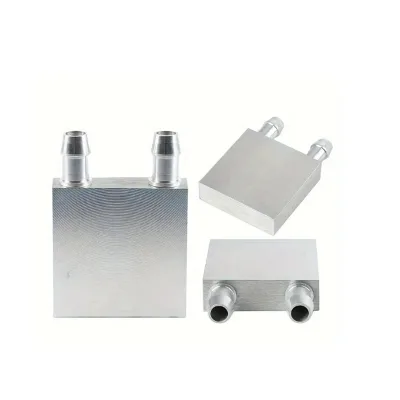


CNC Precision Machined Block Machine Water Block TM Heat Dissipation Block
$1.00 - $1.05
MOQ: 10 Pieces


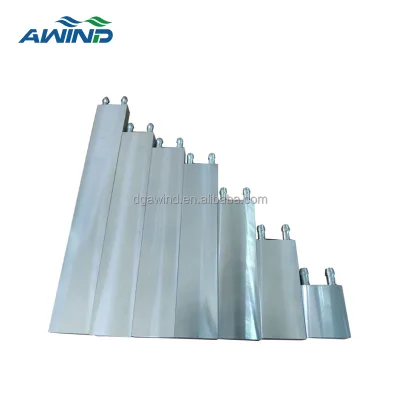


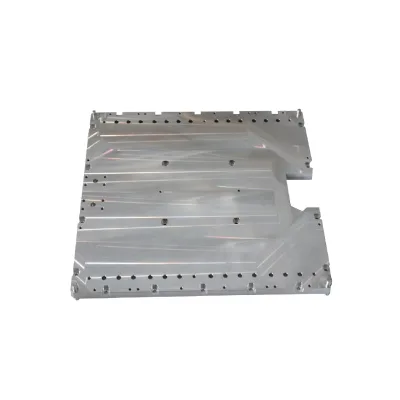


Comprehensive Sourcing Guide
CNC Machined Liquid Cooling Block Sourcing Guide
Selecting the right liquid cooling block requires balancing thermal performance with mechanical precision. Buyers must evaluate whether the component serves as a standalone heat sink or integrates into a larger combined system. The observed market includes options ranging from ultra-thin notebook heat sinks to robust water-cooled blocks for high-power electronics. Understanding the specific application field, such as machinery accessories or automotive components, is the first step in narrowing down viable suppliers.
Procurement teams should also consider the manufacturing technique, which heavily influences final quality. CNC machining offers high precision, while vacuum brazing can enhance structural integrity for complex geometries. Observations indicate that materials like aluminum and copper alloys are common, each offering distinct thermal conductivity benefits. Buyers need to verify if the supplier provides customization services, as off-the-shelf solutions may not meet unique dimensional or thermal requirements for specialized industrial equipment.
Product Scope and Observed Listing Signals
The current market landscape for CNC machined liquid cooling blocks reveals a diverse range of product types and structural designs. Listings frequently highlight finned-type structures designed for high thermal conductivity, catering to applications where space is limited but heat dissipation is critical. Some products are marketed as ultra-thin solutions, ideal for compact electronics, while others are built as heavy-duty water-cooled blocks for lasers or IGBT modules. This variety suggests that buyers must clearly define their thermal load and spatial constraints before engaging with suppliers.
Observed listing signals also point to significant variability in surface treatments and finishing options. Common processes include powder coating, anodization, polishing, and zinc plating, which serve both aesthetic and protective functions. The presence of custom packaging options, such as wooden cases or specialized cartons, indicates that suppliers are prepared to handle delicate precision components. Buyers should pay close attention to these finishing details, as they directly impact the longevity of the cooling block in harsh industrial environments or corrosive settings.
Technical Specifications to Verify
Dimensional accuracy and surface finish are paramount when sourcing CNC machined components. Buyers must verify that the supplier can achieve tight tolerances, such as surface flatness below 0.005 cm or specific roughness values around 1.2 micrometers. These specifications ensure optimal contact with the heat source, minimizing thermal resistance. It is also crucial to confirm the maximum dimensions available, as some suppliers offer blocks up to 1.2 meters in length, which may be necessary for large-scale industrial machinery or extensive heat exchange arrays.
Material selection and bonding techniques further define the performance envelope of the cooling block. Aluminum and copper alloys are frequently cited, with vacuum brazing often employed to join fins to the base for enhanced durability. Buyers should inquire about the working pressure limits, which may range from 1.2 to 5 bars, to ensure the block can withstand the system’s hydraulic conditions. Additionally, confirming the fluid compatibility, whether water or a suitable coolant, is essential to prevent internal corrosion and maintain long-term thermal efficiency.
Compliance and Safety Documentation
Regulatory compliance is a non-negotiable aspect of industrial procurement, particularly for components used in global supply chains. Buyers should request documentation confirming adherence to recognized standards such as ASME, TEMA, JIS, EN, and GB codes. These standards ensure that the manufacturing processes and final product quality meet international safety and performance benchmarks. Verifying these certifications helps mitigate legal risks and ensures that the cooling blocks can be legally installed and operated in various jurisdictions without compliance hurdles.
Environmental and safety certifications also play a critical role in supplier evaluation. Documents such as RoHS and CE certification indicate that the materials and manufacturing processes comply with strict environmental regulations. These certifications are particularly important for electronics and automotive applications where hazardous substances are heavily regulated. Buyers must ensure that the supplier provides valid, up-to-date certificates for each batch or product line, as these documents are often required for customs clearance and internal quality audits.
Cost Drivers and Commercial Terms
Pricing for CNC machined liquid cooling blocks varies widely based on customization levels and production volume. The observed market shows a broad price range, reflecting the difference between standard off-the-shelf items and highly specialized, custom-engineered solutions. Buyers should anticipate higher costs for complex geometries, tight tolerances, and specialized surface treatments. Understanding the cost structure helps in budgeting and negotiating with suppliers, ensuring that the final price aligns with the expected performance and durability of the component.
Minimum Order Quantities (MOQ) and lead times are significant commercial factors that impact supply chain planning. MOQs can range from single units for prototyping to millions for mass production, depending on the supplier’s capabilities. Buyers must clarify these terms early to avoid unexpected inventory costs or production delays. Additionally, confirming the production type, whether mass production or custom batch, helps in setting realistic expectations for delivery schedules and ensures that the supplier can meet the required volume without compromising quality.
Supplier Qualification and Quality Control
Evaluating a supplier’s manufacturing capabilities is essential for ensuring consistent product quality. Buyers should verify that the supplier utilizes advanced CNC machining and vacuum brazing techniques, which are critical for producing high-precision cooling blocks. Inquiring about the supplier’s experience in specific application fields, such as machinery or automotive accessories, can provide insight into their technical expertise. A supplier with a proven track record in similar industries is more likely to deliver products that meet stringent performance requirements.
Quality control processes must be transparent and rigorous. Buyers should ask for details on inspection protocols, including surface finish checks, dimensional verification, and pressure testing. Suppliers that offer custom packaging and adhere to strict quality standards demonstrate a commitment to protecting their products during transit. Establishing clear quality expectations and requiring pre-shipment inspections can help prevent defects and ensure that the received cooling blocks perform as expected in the final assembly.
Long-Term Procurement Checks
Building a sustainable supply chain requires ongoing monitoring of supplier performance and product reliability. Buyers should establish key performance indicators (KPIs) related to defect rates, delivery times, and customer support responsiveness. Regular audits of the supplier’s quality management systems can help identify potential issues before they impact production. Maintaining open communication with the supplier allows for continuous improvement and ensures that any changes in manufacturing processes are communicated and approved in advance.
Future-proofing the procurement strategy involves staying informed about technological advancements in liquid cooling solutions. As thermal management requirements evolve, suppliers may introduce new materials or manufacturing techniques that offer improved performance. Buyers should regularly review their technical specifications and engage with suppliers to explore innovative solutions. This proactive approach ensures that the procurement strategy remains aligned with industry trends and supports the long-term success of the end product.
FAQs
What materials are used for CNC machined liquid cooling blocks?
These blocks are primarily manufactured using aluminum or aluminum alloy materials. Some designs also incorporate copper as a raw material to enhance thermal performance. The choice depends on specific application requirements and thermal conductivity needs.
Which surface treatments are available for these cooling blocks?
Available surface treatments include powder coating, anodization, painting, polishing, and zinc plating. The specific finish depends on the manufacturing process selected, such as vacuum brazing or CNC machining, ensuring durability and corrosion resistance for industrial use.
Can these blocks be customized for specific machinery applications?
Yes, customization is available for various machinery applications including hardware tools and auto accessories. Buyers can request custom dimensions, shapes, and packaging methods to fit unique system requirements while maintaining high precision and thermal efficiency standards.
What certifications do these liquid cooling blocks typically hold?
Common certifications include RoHS, ISO, and CE compliance. These standards ensure the products meet international safety and environmental regulations. Buyers should verify specific certification documents with suppliers to confirm compliance for their target markets.
How is the working pressure managed in water cooling systems?
The working pressure typically ranges from 1.2 to 5 bars for these systems. They are designed to handle water or suitable coolants safely. This pressure range ensures efficient heat dissipation while maintaining structural integrity under operational conditions.
What is the production type for these CNC machined blocks?
The production type is mass production, allowing for large-scale manufacturing capabilities. This approach supports high-volume orders while maintaining consistent quality and precision. Buyers can expect efficient lead times for standard and customized production runs.
Where are these cooling blocks typically manufactured?
Manufacturing locations include Dongguan and Jiangsu in China. These regions host specialized factories equipped for CNC machining and vacuum brazing processes. Buyers can source directly from these established industrial hubs for reliable supply chain management.