Source CNC Milled Coating Metering Rod for Paper, Metal, and Coating
Compare 30 verified listings for CNC Milled Coating Metering Rod designed for paper, metal casting, and coating machinery. Buyers can evaluate specifications like diameter, coating thickness, and surface treatment to find the right component for their industrial needs.
Key considerations
Products List


Grooved Smooth Metering Threaded Rods for Paper Mill Coating Machine
$3500.00 - $45000.00
MOQ: 1 Pieces

Paper Industry Stainless Steel Smooth Metering Rod for Coating Machines
$3500.00 - $45000.00
MOQ: 1 Pieces


Applicator Rods Hard Chrome Plating Paper Coating Ceramic Coating Metering Rods
$500.00 - $1000.00
MOQ: 1 Pieces

Coating Blade Paper Film Coating Ceramic Chrome Coating Metering Rods
$500.00 - $1000.00
MOQ: 1 Pieces
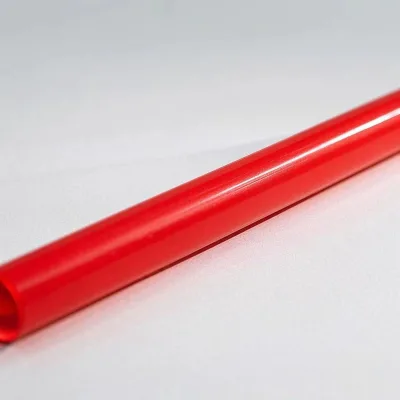


High Quality Professional Custom Connecting Rod CNC Machining Services
$100.00 - $200.00
MOQ: 1 Pieces


4340 4140 Stay Rod Thread Rod for Pump Gas & Oilfiled CNC Machining Parts
$0.05 - $500.00
MOQ: 10 Pieces



Comprehensive Sourcing Guide
Strategic Sourcing Guide for CNC Milled Coating Metering Rods
Technical Specifications and Material Selection
When sourcing a CNC Milled Coating Metering Rod, the primary focus must be on the precise dimensional tolerances and material integrity required for consistent coating application. The core functionality of these rods relies on the uniformity of the wire diameter and the precision of the surface finish. Based on available industry data, the diameter for such components typically ranges from 6.35mm to 38.00mm. This range accommodates various coating thickness requirements, where the rod diameter directly influences the wet film thickness applied to the substrate.
Material selection is a critical differentiator in performance. The supply chain frequently offers rods constructed from Stainless Steel or Alloy Steel. Stainless Steel provides superior corrosion resistance, which is essential when handling water-based coatings or aggressive chemicals. Conversely, Alloy Steel may be selected for applications requiring higher tensile strength or specific hardness characteristics. The manufacturing process for these rods often involves CNC machining, including milling and turning, to achieve the exact geometric profiles required. The surface treatment is equally vital; common finishes include polishing, anodizing, and various coating processes such as Chrome or Ceramic.
The thickness of these coatings is a specific technical parameter that buyers must verify. For hard chrome plating, the thickness typically falls between 0.008mm and 0.075mm. In cases where ceramic coatings are applied, the thickness is observed to be around 0.250mm. These specific numerical ranges are not universal guarantees for every product but represent observed specifications in the current market. Buyers should confirm that the supplier can maintain these tolerances through their CNC milling and subsequent plating processes. The length of the rod is often customized to fit specific machinery frames, allowing for flexibility in integration with existing production lines.
Compliance, Certification, and Regulatory Standards
Navigating the compliance landscape is essential for international procurement, particularly when sourcing from global markets. The supply chain for CNC milled components often includes various certifications that validate the manufacturer's quality management systems and product safety. High-confidence observations indicate that products may carry CE certification, which is a mandatory conformity mark for products sold within the European Economic Area. Additionally, some suppliers provide products certified under ISORoHS and CE standards, ensuring compliance with environmental and safety directives regarding hazardous substances.
Quality management system certifications are also prevalent. The presence of ISO 9001 certification is a standard indicator of a manufacturer's commitment to consistent quality control. Specific references to ISO 9001:2000 or ISO 9001:2008 may appear in historical data, but buyers should verify the current version of the certification held by the supplier, as standards evolve. Furthermore, material certifications and SGS inspection reports are frequently cited as part of the documentation provided with the shipment. These documents serve as proof that the raw materials used, whether stainless steel or alloy steel, meet the specified chemical and mechanical properties.
Buyers must also consider the export standards and origin of the goods. Products are often manufactured in regions such as China, with specific origins noted in provinces like Shenzhen, Jiangsu, and Shandong. The place of origin can influence logistics costs and lead times. When evaluating compliance, it is crucial to request the actual certification documents rather than relying on general claims. The supplier should be able to demonstrate that their manufacturing process, including CNC milling and surface treatment, adheres to the relevant international standards required by the buyer's local regulations.
Cost Drivers and Pricing Variables
The pricing structure for CNC milled coating metering rods is influenced by a complex interplay of material costs, processing complexity, and order volume. The observed price range in the market is extensive, spanning from $0.01 to $45,000. This vast disparity is not indicative of a single product type but reflects the difference between individual components, custom-engineered assemblies, and complete machinery units. For a standard CNC milled rod, the cost is primarily driven by the material grade (Stainless Steel vs. Alloy Steel) and the complexity of the surface treatment.
The application of specialized coatings, such as Chrome or Ceramic, adds significant value and cost to the final product. The thickness of these coatings, ranging from 0.008mm to 0.250mm, requires precise control during the manufacturing process, which increases labor and equipment time. Additionally, the customization factor plays a major role. Products labeled as "Customized" or "Make to Order" often carry a premium due to the unique tooling and programming required for CNC machining. The minimum order quantity (MOQ) also impacts the unit price, with observed ranges from 1 to 1000 units. Smaller orders typically incur higher per-unit costs due to setup fees and lower economies of scale.
Other cost drivers include the packaging requirements and shipping terms. Options range from simple PE bags and cartons to robust wooden boxes or standard seaworthy packages designed for export. The delivery terms, such as EXW, FOB, CFR, or CIF, determine who bears the cost of freight and insurance, directly affecting the landed cost for the buyer. Buyers should request detailed quotes that break down material, processing, and logistics costs to understand the true value proposition. It is also important to note that payment terms like T/T, L/C, D/P, and CAD can influence the financial risk and cash flow implications of the transaction.
Typical Applications and Industry Integration
CNC milled coating metering rods are integral components in a wide array of industrial machinery, serving as the primary mechanism for controlling coating thickness. The most common application is in the paper and cardboard industry, where these rods ensure uniform coating on paper substrates. The suitability of these rods for high-speed operations is a key performance metric, with some specifications indicating compatibility with paper machine speeds ranging from 80 to 1500 meters per minute. This high-speed capability is essential for maintaining productivity in modern manufacturing environments.
Beyond the paper industry, these components are widely utilized in metal processing sectors. Applications include metal casting machinery, metal coating machinery, metal drawing machinery, and metal engraving machinery. The versatility of the CNC milled design allows for adaptation to metal forging, metal spinning, metal straightening, and metal cutting machines. The specific model numbers, such as HT-1, HT-3, HT-9, and HT-10, often correspond to specific machine configurations or coating requirements. Additionally, the term "CNC Machining" appears as a model designation, suggesting that the rod itself may be a custom-machined part rather than a standard off-the-shelf item.
The automation level of the machinery using these rods is another critical factor. Most modern applications require automatic systems to ensure consistency and reduce human error. The condition of the rods is typically listed as "New," indicating that they are manufactured for immediate integration into new or refurbished production lines. The ability to customize the rod's length and diameter allows manufacturers to tailor the solution to specific machine geometries. Whether used in normal specification paper applications or specialized metal processing, the precision of the metering rod directly impacts the quality of the final product.
Supplier Evaluation and Manufacturing Capabilities
Evaluating a supplier for CNC milled coating metering rods requires a deep dive into their manufacturing capabilities and operational history. Buyers should prioritize suppliers who explicitly state their ability to perform CNC milling, turning, and other precision machining processes. The presence of OEM and ODM capabilities is a strong indicator of a supplier's flexibility to meet unique design requirements. Suppliers should be able to demonstrate a track record of producing components that meet specific industry standards, such as those for the paper and cardboard or metal processing sectors.
The inspection process is a critical component of supplier evaluation. High-quality suppliers often implement rigorous quality control measures, such as 100% QC steps inspection before shipment. This ensures that every rod meets the specified dimensional and surface finish requirements. Buyers should inquire about the specific inspection protocols used, including the tools and methods employed to verify diameter, length, and coating thickness. The availability of material certifications and SGS reports further validates the supplier's commitment to quality.
Geographic location and export experience are also important factors. Suppliers located in industrial hubs like Shenzhen, Jiangsu, and Shandong in China often have established supply chains and logistics networks. The ability to export globally suggests that the supplier is familiar with international shipping regulations and packaging standards. When evaluating a supplier, buyers should verify their production capacity to handle the desired order volume, considering the observed MOQ ranges. A supplier that can accommodate both small prototype orders and large-scale production runs offers greater flexibility for the buyer's procurement strategy.
Quality Control and Long-Term Procurement Considerations
Ensuring the long-term reliability of CNC milled coating metering rods requires a robust quality control strategy and a focus on sustainable procurement practices. The inspection process should not be limited to the final product but should extend to the raw materials and intermediate manufacturing stages. Buyers should verify that the supplier conducts 100% QC inspections, covering critical parameters such as diameter consistency (6.35mm - 38.00mm), coating thickness (0.008mm - 0.075mm for chrome, 0.250mm for ceramic), and surface finish quality.
Packaging plays a vital role in maintaining product quality during transit. Options such as wooden boxes, standard seaworthy packages, or PE bags with cartons are common. The choice of packaging should be based on the fragility of the component and the shipping distance. For international shipments, export-standard packaging is essential to prevent damage and ensure the rod arrives in perfect condition. The supplier should also provide clear documentation regarding the product standard, which may be customized or based on specific industry norms.
Long-term procurement considerations include the availability of spare parts and the potential for future customization. Suppliers offering "make to order" services and customizable lengths provide a strategic advantage for buyers with evolving production needs. The payment terms, such as T/T, L/C, D/P, and CAD, should be negotiated to balance risk and cash flow. Additionally, the lead time and delivery terms (EXW, FOB, CFR, CIF) must be clearly defined to ensure timely delivery and minimize production downtime. By focusing on these quality and logistical factors, buyers can establish a reliable supply chain for high-performance CNC milled coating metering rods.
Comparative Analysis of Product Attributes
To facilitate informed decision-making, the following table summarizes key product attributes observed in the market for CNC milled coating metering rods. This comparison highlights the variability in specifications and helps buyers identify the features most relevant to their specific application needs.
| Attribute Category | Observed Specification / Option | Relevance to Procurement |
|---|---|---|
| Material | Stainless Steel, Alloy Steel | Determines corrosion resistance and mechanical strength. |
| Diameter Range | 6.35mm - 38.00mm | Defines the coating thickness capability and machine fit. |
| Coating Type | Chrome, Ceramic, Hard Chrome | Affects durability, chemical resistance, and surface friction. |
| Coating Thickness | 0.008mm - 0.075mm (Chrome), 0.250mm (Ceramic) | Critical for precise film thickness control. |
| Surface Treatment | Polishing, Anodizing, Powder Coating | Influences surface finish and aesthetic properties. |
| Customization | Available (Length, Model, Standard) | Essential for fitting specific machinery dimensions. |
| Certification | CE, ISO 9001, ISORoHS, SGS | Validates quality management and regulatory compliance. |
| Industry Application | Paper, Cardboard, Metal Processing | Aligns product selection with end-use requirements. |
| Speed Compatibility | 80-1500m/Min | Ensures the rod can handle high-speed production lines. |
| Packaging | Wooden Box, Seaworthy Package, PE Bag | Protects the product during international shipping. |
This comparative view underscores the importance of matching specific technical requirements with supplier capabilities. Buyers should use this framework to request detailed quotes and verify that the supplier can meet the precise demands of their production environment. By systematically evaluating these attributes, procurement teams can mitigate risks and ensure the acquisition of high-quality, reliable coating metering rods.
FAQs
What materials are used for CNC milled coating metering rods?
These rods are typically constructed from Stainless Steel or Alloy Steel. Stainless Steel offers superior corrosion resistance for water-based coatings, while Alloy Steel provides higher tensile strength for demanding applications.
How thick are the chrome and ceramic coatings on these rods?
Hard chrome plating thickness ranges from 0.008mm to 0.075mm. Ceramic coatings are observed to have a specific thickness of 0.250mm, ensuring precise film control during the coating process.
Which certifications do these products typically carry?
Products often carry CE certification and may include ISORoHS compliance. Some manufacturers also provide ISO 9001 certification and SGS material certifications to validate quality management and raw material integrity.
Can the length and diameter of the rods be customized?
Yes, customization is available for both length and diameter specifications. The diameter typically ranges from 6.35mm to 38.00mm, while lengths are made to order to fit specific machinery frames.
What is the suitable paper machine speed for these rods?
These rods are suitable for paper machine speeds ranging from 80 to 1500 meters per minute. This high-speed capability ensures consistent coating application in modern, automated production lines.
How are these rods packaged for international shipping?
Packaging options include wooden boxes, standard seaworthy packages, or PE bags with cartons. The specific packaging is selected to ensure the product remains protected during global transit.