Source CNC Milled Smart Speaker Cover for Audio Protection, Decorative Mesh, and Car Audio
Find 30 options for CNC Milled Smart Speaker Cover featuring stainless steel and ABS materials. Buyers can compare laser cutting, etching, and CNC processes with customizable hole shapes and dimensions for audio protection and decorative applications.
Key considerations
Products List


$0.23 - $1.00
MOQ: 500 Pieces
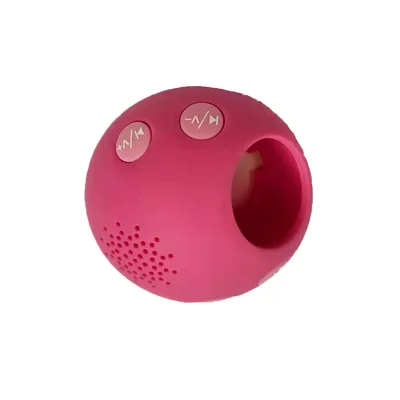


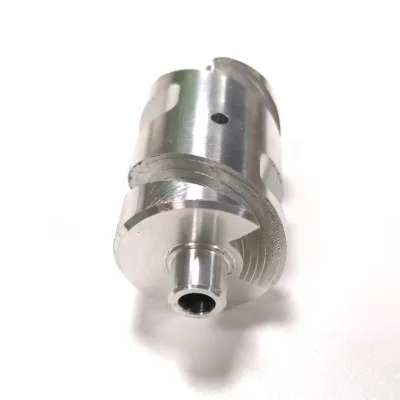

Factory Wholesale OEM ODM Service Audio Speaker Frame, Cover, Speaker Net Cover
$1.00 - $3.00
MOQ: 500 Pieces


Comprehensive Sourcing Guide
Strategic Sourcing Guide for CNC Milled Smart Speaker Covers
The procurement of CNC milled smart speaker covers represents a specialized intersection of precision manufacturing, acoustic engineering, and aesthetic design. Unlike standard stamped or laser-cut components, CNC milling offers superior structural integrity and complex geometric capabilities essential for high-fidelity audio enclosures. Buyers entering this market must navigate a landscape defined by diverse material options, stringent dimensional tolerances, and specific acoustic requirements. This guide synthesizes available industry data to provide a disciplined framework for sourcing, evaluating, and managing the procurement of these critical audio components.
Technical Specifications and Material Selection
The foundation of a successful sourcing strategy lies in a rigorous understanding of technical specifications. The material composition of a smart speaker cover dictates not only its mechanical durability but also its acoustic transparency and thermal properties. Based on current market offerings, the primary material candidates include Stainless Steel, Copper, Brass, Nickel, and Aluminum. Stainless Steel is frequently cited for its corrosion resistance and premium finish, while Aluminum offers a favorable strength-to-weight ratio. The selection process must also account for the specific manufacturing method; while CNC milling is the core keyword, the supply chain often integrates complementary processes such as Laser Cutting, Chemical Etching, and standard Etching techniques to achieve complex patterns.
Dimensional precision is paramount in speaker cover applications. The tolerance levels required for these components often hover around +/-0.005mm for machining operations, ensuring a perfect fit within the speaker chassis. Thickness specifications typically range from 0.02mm to 0.30mm, with common industry standards falling at 0.05mm, 0.08mm, and 0.10mm. It is critical to verify that the chosen thickness aligns with the aperture requirements; in some configurations, the sheet thickness is constrained to be less than or equal to the hole diameter to maintain acoustic performance. Furthermore, the hole pitch, or center-to-center distance, generally varies between 0.12mm and 1.00mm, depending heavily on the chosen pattern and material thickness. Buyers should explicitly confirm that the supplier can accommodate custom hole shapes, including round, square, diamond, or bespoke designs, as standard patterns may not meet unique acoustic tuning needs.
Manufacturing Processes and Surface Treatments
The manufacturing process selected directly influences the final product's cost, lead time, and aesthetic quality. CNC milling is the primary method for creating the structural frame and precise cutouts, offering high flexibility for custom models. However, the supply chain often utilizes a hybrid approach. For instance, chemical etching and laser cutting are frequently employed for creating intricate mesh patterns or micro-holes that might be difficult to achieve with standard milling alone. The observed data indicates that production types are predominantly OEM Custom Manufacturing, meaning the buyer's design specifications drive the entire workflow.
Surface treatment is another critical variable. While the base material provides the structural backbone, the surface finish determines the visual appeal and environmental resistance. Galvanized treatments are observed in the market, providing a layer of protection against oxidation. For smart speakers, where the cover is often visible, the finish must be consistent and free of defects. The production origin plays a significant role in the manufacturing ecosystem; major hubs include Shenzhen, China, known for advanced electronics manufacturing, and Anping County in Hebei Province, a traditional center for metal mesh production. Buyers must evaluate whether the supplier's location aligns with their logistical needs, as origins can impact shipping costs and communication efficiency.
Cost Drivers and Pricing Dynamics
Understanding the cost structure of CNC milled speaker covers is essential for budgeting and negotiation. The price range in the current market is broad, observed between $0.20 and $50.00 per unit. This variance is driven by several factors, including material type, complexity of the design, and order volume. Stainless steel and copper generally command higher material costs compared to aluminum or brass. Additionally, the tolerance requirements significantly impact pricing; achieving tolerances tighter than the standard +/-0.005mm often incurs a premium.
The Minimum Order Quantity (MOQ) is another pivotal cost driver. The market observes an MOQ range from 1 unit to 2,000 units. For prototyping or low-volume custom projects, suppliers may accept orders as low as a single unit, though the unit cost will be higher. Conversely, bulk orders benefit from economies of scale, potentially lowering the per-unit price. Lead times also correlate with volume; sample lead times are typically 3-7 days, while mass production can range from 14 to 20 days, depending on the quantity and complexity. Buyers should factor in these timelines when planning product launches to avoid supply chain bottlenecks.
Compliance, Certification, and Quality Assurance
While specific certification statuses for every product cannot be universally asserted, buyers must conduct rigorous due diligence regarding compliance. The market often references standards such as CE, though this should be verified on a per-supplier basis rather than assumed. Quality control protocols are vital, particularly for components that must maintain dimensional stability under thermal stress. The flatness of the finished product is a key quality metric, with typical specifications requiring flatness of less than 0.05mm, though this can vary based on the size and thickness of the sheet.
Dimensional tolerance verification is a continuous process. The standard tolerance for the overall product is often cited as +0.01mm, with tighter tolerances possible through specific design adjustments. Hole tolerance, which affects acoustic performance, typically ranges from +0.01mm to +0.03mm depending on the process and thickness. Buyers should request third-party inspection reports or internal quality control data to validate these claims. Additionally, the packaging method is a crucial aspect of quality assurance during transit. Products are commonly shipped in anti-static bags with foam protection and export cartons, or in wooden cases and pallets for larger shipments, ensuring that the delicate mesh structures remain undamaged.
Supplier Evaluation and Sourcing Strategy
Evaluating potential suppliers requires a multi-faceted approach that goes beyond price comparisons. Buyers should assess the supplier's capability to handle custom manufacturing, as the industry standard is highly flexible regarding customization. The ability to produce custom hole shapes and sheet sizes (such as 1x1 or 2x2 meters) is a strong indicator of a capable partner. Suppliers located in specialized industrial clusters, such as Shenzhen or Anping County, often possess deeper expertise in specific sub-sectors of metal processing.
When evaluating a supplier, buyers should request samples to verify the "Light-weight" characteristic and the "Silvery" or other specified color finishes. The connection mode and voltage compatibility, particularly for integrated smart speaker components, must be verified if the cover includes electrical contacts. For example, some designs feature double wire connections or specific contact points. The supplier's response time and communication clarity are also critical, especially when dealing with complex custom specifications. A reliable supplier will provide clear documentation on their production capabilities, including their specific machining methods and surface treatment processes.
Typical Applications and Long-Term Procurement Considerations
The applications for CNC milled smart speaker covers extend beyond simple protection. They serve as decorative mesh elements that enhance the aesthetic appeal of consumer electronics while protecting internal components. The specific design often targets high-pitch sound frequencies, making them suitable for tweeter designs in high-fidelity audio systems. The "Speaker Design" attribute often includes specific configurations like tweeter integration, requiring precise alignment with the driver unit.
Long-term procurement considerations involve the scalability of the supply chain. As product demand grows, the supplier must be able to scale from sample runs to mass production without compromising quality. The transition from a sample lead time of 3-7 days to a mass production lead time of 14-20 days must be managed smoothly. Buyers should also consider the lifecycle of the product; materials like Stainless Steel and Aluminum offer longevity, but the surface treatment must remain consistent over time to prevent degradation. Furthermore, the energy-exchanging mechanism, if applicable, must be reliable, with current ratings such as 2.8A and voltage requirements like 12V being strictly adhered to in the design phase.
Summary of Key Procurement Parameters
To facilitate quick decision-making, the following table summarizes the critical parameters buyers should verify during the sourcing process. This comparison highlights the range of options available and the specific attributes that require confirmation.
| Parameter | Typical Range / Options | Verification Requirement |
|---|---|---|
| Material | Stainless Steel, Copper, Brass, Nickel, Aluminum | Confirm material grade and purity |
| Thickness | 0.02-0.30 mm (Common: 0.05/0.08/0.10 mm) | Verify thickness tolerance vs. hole diameter |
| Hole Diameter | 0.08-0.50 mm (Micro-holes possible) | Confirm etching capability for micro-holes |
| Tolerance | +/-0.005mm (Machining), +0.01mm (Dimensional) | Request inspection reports for tight tolerances |
| Flatness | <0.05 mm Typical | Check flatness for large sheet sizes |
| Lead Time | 3-7 Days (Sample), 14-20 Days (Mass) | Align with product launch schedule |
| MOQ | 1 - 2000 Units | Negotiate based on volume tiers |
| Origin | Shenzhen, China; Anping County, China | Assess logistics and communication time zones |
| Surface Treatment | Galvanized, Custom | Verify finish consistency and durability |
In conclusion, sourcing CNC milled smart speaker covers requires a balance of technical precision and strategic supplier management. By focusing on verified material properties, strict adherence to dimensional tolerances, and a clear understanding of the manufacturing processes involved, buyers can secure high-quality components that meet the demanding standards of the modern audio industry. The flexibility of the market allows for extensive customization, but this requires a disciplined approach to specification and quality control to ensure the final product performs reliably in its intended application.
FAQs
What materials are available for CNC milled smart speaker covers?
Stainless Steel is the primary material, with options including Copper, Brass, Nickel, and Aluminum. Buyers can select from these materials based on corrosion resistance or weight requirements while ensuring compatibility with acoustic performance needs.
How precise are the dimensional tolerances for these covers?
The machining tolerance is typically +/-0.005mm, with dimensional tolerance around +0.01mm. Tighter tolerances are possible by design, ensuring a perfect fit within the speaker chassis for high-fidelity audio applications.
Can suppliers customize hole shapes and patterns for the covers?
Yes, customization is available for hole shapes including Round, Square, Diamond, or bespoke designs. The hole pitch ranges from 0.12mm to 1.00mm depending on the pattern and thickness selected by the buyer.
What is the typical lead time for sample production?
Sample lead time is typically 3-7 days for most orders. Mass production takes 14-20 days depending on the quantity, allowing buyers to plan their product launch schedules accordingly.
Which surface treatments are applied to the metal covers?
Galvanized treatment is observed in the market to provide protection against oxidation. Surface finishes are selected to ensure visual appeal and environmental resistance for visible speaker components.
What is the price range for ordering these components?
The observed price range is between 0.20 and 50.00 USD per unit. Costs vary based on material type, design complexity, and order volume, with lower prices possible for bulk purchases.
How are the finished covers packaged for shipping?
Products are packed in Anti-Static Bags with Foam Protection and Export Cartons. Larger shipments may use Wooden Cases or Pallets to ensure delicate mesh structures remain undamaged during transit.