Source CNC Milling Alloy Cementing Tools for Steel, Aluminum, Steel
Find 30 verified listings for CNC Milling Alloy Cementing Tools suitable for steel, cast iron, and stainless steel machining. Buyers can compare specifications like coating types, precision levels, and customization options to select the right cutting inserts for their industrial needs.
Key considerations
Products List


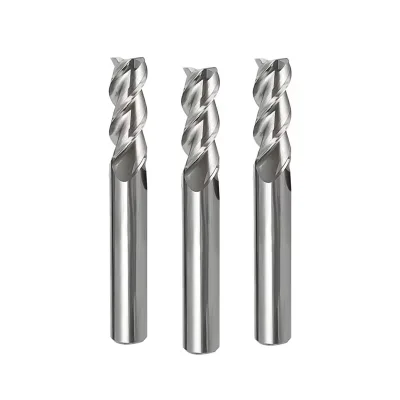


Metal-Forming CNC Machine Tools-Milling Alternative for Surface Grinding
$73333.00 - $75000.00
MOQ: 1 set


Comprehensive Sourcing Guide
Strategic Sourcing Guide for CNC Milling Alloy Cementing Tools
Understanding the Technical Landscape of Cemented Carbide Tools
The procurement of CNC Milling Alloy Cementing Tools requires a precise understanding of the materials and geometries that define high-performance cutting instruments. In the current market, these tools are predominantly manufactured using cemented carbide, a composite material known for its exceptional hardness and wear resistance. The core material composition often includes specific grades designed to handle a wide spectrum of workpiece materials, ranging from ferrous and non-ferrous alloys to titanium, aluminum, copper, magnesium, and even carbon fiber composites. Buyers must recognize that the "alloy cementing" terminology refers to the sintering process that binds tungsten carbide grains with a metallic binder, typically cobalt, to create a tool capable of withstanding the extreme temperatures and mechanical stresses of CNC machining.
The structural integrity of these tools is often defined by their specific configuration. For vertical milling applications, the industry standard frequently points to indexable type structures. This design allows for the replacement of individual cutting inserts rather than the entire tool body, significantly reducing downtime and material waste. The controlling mode for these tools is almost exclusively CNC, ensuring that the cutting parameters are maintained with high precision. When evaluating the physical attributes of the product, buyers should look for specific standard dimensions. Common specifications observed in the market include standardized diameters such as 10.0 mm and 12.0 mm, alongside larger sizes that accommodate heavy-duty industrial operations. The precision of these tools is generally categorized as high precision, which is critical for maintaining tight tolerances in finished parts.
Decoding Specifications and Geometric Parameters
When sourcing these tools, the technical specifications provided by suppliers must be scrutinized against the intended machining application. The geometry of the cutting insert is perhaps the most critical factor in determining tool life and surface finish. A key parameter to verify is the corner radius, which typically ranges from 0.2 mm to 3.2 mm depending on the specific insert type. For operations requiring fine finishing, a smaller radius is preferred, whereas roughing operations may utilize a larger radius to increase tool strength. The types of inserts available often follow standard industry designations such as Cnmg, Dnmg, Tnmg, Wnmg, and Ccgt. Each of these codes represents a specific shape, clearance angle, and tolerance class, allowing buyers to select the exact geometry required for their specific workpiece material.
The physical dimensions of the inserts are equally important. Standard specifications often cite a diameter of the inscribed circle at 12.7 mm, with a cutting edge length of approximately 5.26 mm and an insert thickness of 4.86 mm. These measurements are not arbitrary; they dictate the compatibility of the insert with the tool holder and the machine spindle. Furthermore, the number of cutting edges is a vital efficiency metric. High-performance inserts may feature up to 16 cutting edges, maximizing the utilization of the insert before it must be replaced. The clearance angles are also varied, with options including A, B, C, D, E, F, G, N, P, and O, each designed to optimize chip flow and reduce friction for different material groups. Buyers should verify that the specified tolerance class, often denoted as 'H', aligns with the precision requirements of their production line.
Compliance, Certification, and Quality Assurance
In the B2B procurement of industrial tools, compliance with international standards is a non-negotiable aspect of supplier evaluation. The supply chain for cemented carbide tools is heavily regulated to ensure safety and environmental responsibility. Buyers should expect to see certifications such as ISO, RoHS, and CE, which indicate adherence to global safety and environmental standards. Additionally, specific quality management certifications like ISO 9001 are frequently cited, though the exact version or scope should be verified directly with the supplier. The presence of GS certification further validates the product's safety compliance, particularly for markets in Europe.
The manufacturing process itself often involves advanced coating technologies to enhance tool performance. The application of PVD (Physical Vapor Deposition) or CVD (Chemical Vapor Deposition) coatings is standard practice to increase surface hardness and thermal stability. These coatings can be applied to uncoated carbide substrates to create a composite tool capable of machining hardened metals. When reviewing supplier documentation, buyers must confirm that the coating process is explicitly mentioned and that the specific grade of the carbide, such as K01-K30, M10-M40, or P05-P40, matches the material being machined. The origin of the product is another critical compliance factor; many high-volume suppliers are based in manufacturing hubs like Zhuzhou City, China, where the infrastructure for carbide production is well-established.
Cost Drivers and Pricing Dynamics
The pricing structure for CNC Milling Alloy Cementing Tools is influenced by a complex interplay of material costs, manufacturing complexity, and order volume. The observed price range in the market is exceptionally wide, spanning from $0.10 to over $198,000. This vast disparity is not indicative of quality variance alone but reflects the difference between individual cutting inserts and complete, high-end CNC tooling systems or large-scale industrial orders. For the average buyer purchasing standard indexable inserts, the cost is driven primarily by the grade of the carbide, the complexity of the coating, and the precision of the grinding.
Order Volume (MOQ) is another significant cost driver. The minimum order quantity can range from a single unit to 1,000 units, depending on the supplier's production model. Suppliers offering customized, non-standard models may have higher MOQs compared to those stocking standard catalog items. The supply ability of a manufacturer, often cited as 50,000 pieces per month, indicates their capacity to handle large orders without compromising lead times. Buyers should also consider the packaging costs, as the industry standard often involves plastic interior boxes with standard export exterior cartons, or K/D (knock-down) cartons for efficient shipping. Customization options, such as logo printing or specific standard modifications, can also impact the final unit price, as these require additional setup and quality control steps.
Typical Applications and Material Compatibility
The versatility of cemented carbide tools makes them suitable for a broad array of industrial applications. The primary application is the cutting of hard metals, including steel, cast iron, stainless steel, and aluminum. The specific grade of the carbide must be matched to the workpiece material to ensure optimal performance. For instance, grades in the K-series are typically used for cast iron and non-ferrous metals, while P-series grades are better suited for steel. The ability to machine carbon fiber and various alloys further expands the utility of these tools in aerospace and automotive sectors.
The machining process itself can be categorized into roughing, semi-finish, and finish operations. The choice of tool geometry, such as the corner radius and the number of cutting edges, determines which phase of the process the tool is best suited for. For example, a tool with a high number of cutting edges and a specific corner radius might be ideal for finish operations requiring a smooth surface, while a robust, single-edge tool might be preferred for heavy roughing. The "Hole" attribute, indicating whether the tool is designed with or without a hole for coolant flow, is another critical application factor. Coolant delivery through the tool can significantly extend tool life and improve chip evacuation, particularly in deep-hole drilling or high-speed milling operations.
Supplier Evaluation and Long-Term Procurement Strategy
Selecting the right supplier involves more than just comparing prices; it requires a holistic evaluation of their technical capabilities, after-sales support, and logistical reliability. Buyers should prioritize suppliers who offer OEM and ODM services, as this indicates a willingness to customize products to meet specific production needs. The availability of after-sales service, such as 24-hour support, is a strong indicator of a supplier's commitment to customer satisfaction and operational continuity. Additionally, the customization of the product, including the ability to produce non-standard models and customized standards, is a valuable asset for buyers with unique machining requirements.
Logistics and packaging are also critical components of the procurement strategy. The standard packaging, which includes plastic boxes and export-grade cartons, ensures that the tools arrive in pristine condition. However, buyers should verify the specific packing details, as some suppliers may offer variations like K/D cartons or inner plastic boxes with outer cartons. The origin of the product, often listed as China or specific cities like Zhuzhou, should be considered in the context of lead times and shipping costs. Finally, the condition of the product, which is typically "New," must be confirmed to ensure that no refurbished or used items are inadvertently purchased. By focusing on these comprehensive factors, buyers can build a resilient supply chain that supports their long-term manufacturing goals.
Summary of Key Procurement Considerations
To summarize the essential factors for sourcing CNC Milling Alloy Cementing Tools, buyers must balance technical specifications with commercial realities. The following table outlines the critical attributes that should be verified during the supplier selection process:
| Attribute Category | Key Verification Points |
|---|---|
| Material & Grade | Cemented Carbide, K01-K30/M10-M40/P05-P40, C1-C8 |
| Geometry | Corner Radius (0.2~3.2 mm), Insert Types (Cnmg, Dnmg, etc.) |
| Coating | PVD/CVD, Uncoated options |
| Certifications | ISO, RoHS, CE, GS, ISO 9001 |
| Packaging | Plastic Box, Carton, K/D with Carton |
| Customization | Non-standard models, Logo Printing (Without/With) |
| Origin | China, Zhuzhou City |
| Supply Capacity | 50,000 Pieces/Per Month |
By adhering to these guidelines and maintaining a rigorous approach to verification, buyers can secure high-quality CNC milling tools that enhance productivity and reduce operational costs. The focus should remain on the specific attributes provided by the supplier, ensuring that every claim is backed by tangible evidence before finalizing any procurement agreement.
FAQs
What certifications do these tools have?
These tools carry ISO, RoHS, CE, and GS certifications. Some listings also mention ISO 9001 and customized certification options depending on the specific supplier and product configuration.
Which materials can these tools machine?
They are designed to cut steel, cast iron, stainless steel, and aluminum. The cutting materials also include ferrous and nonferrous alloys, titanium, copper, magnesium, and carbon fiber composites.
Can I get custom non-standard models?
Yes, customization is available for non-standard models and specific standard modifications. OEM and ODM services are acceptable, allowing buyers to request tailored dimensions and specifications.
What is the typical supply capacity?
The supply ability is up to 50,000 pieces per month. This capacity supports large orders while maintaining the ability to handle customized requests without significant delays.
How are the tools packaged for shipping?
Packaging typically includes plastic interior boxes with standard export exterior cartons. Some options feature K/D with carton or inner plastic boxes with outer cartons for secure transport.
What is the origin of these products?
The products originate from China, specifically Zhuzhou City. This location is a known hub for cemented carbide production and manufacturing infrastructure.