Source CNC Robot Teach Pendant for Metal Cutting, Forming, and Machining
Source 30 CNC Robot Teach Pendant units from verified suppliers offering FANUC, YASKAWA, and other brands. Compare specifications including precision, control methods, and customization options for metal-cutting, metal-forming, and non-conventional applications; compare the available evidence and request quotations based on your requirements.
Key considerations
Products List

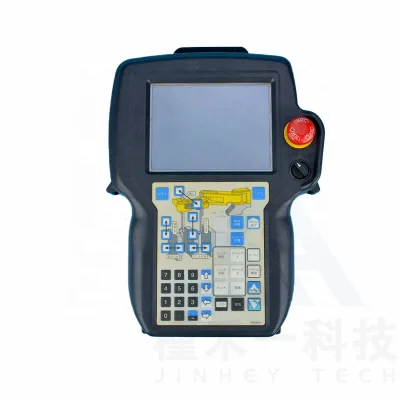
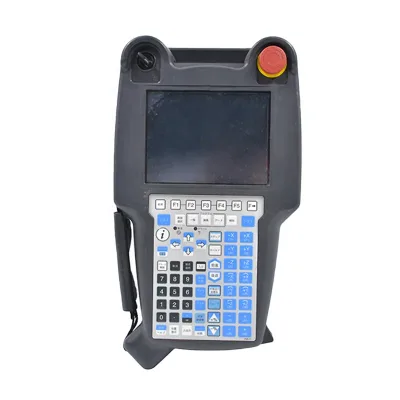
Genuine Robot Teach Box Teach Pendant for CNC Machine Tool Handheld Programmer
$100.00 - $400.00
MOQ: 1 Pieces


Fanuc Genuine Robotics Teach Pendant Robot Teach Box Ipendant Brand New
$100.00 - $400.00
MOQ: 1 Pieces
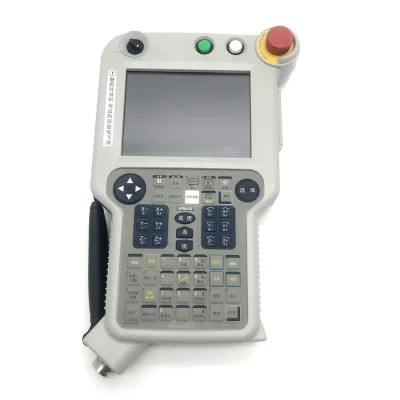
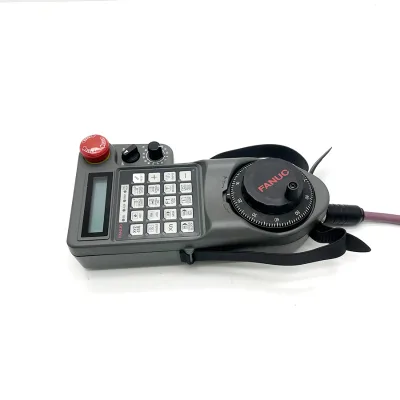
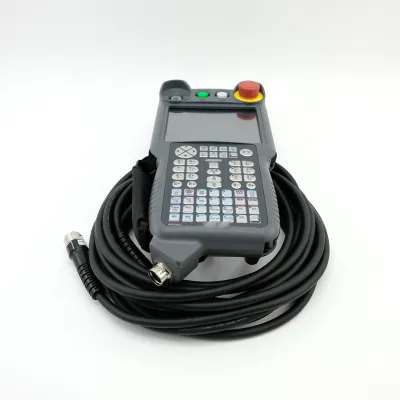
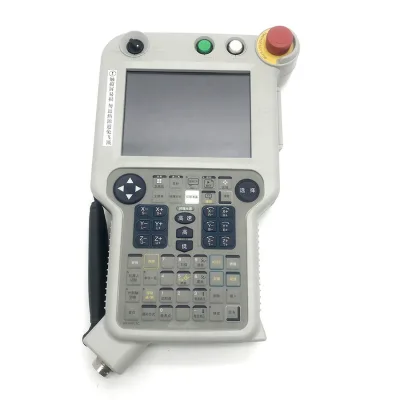
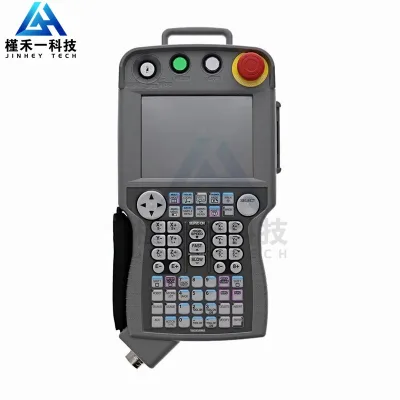
Original Robot Handy Pendant Teach Pendant JZRCR-NPP01B-1 Yaskawa Teach Pendant
$888.00 - $1888.00
MOQ: 1 Minimum

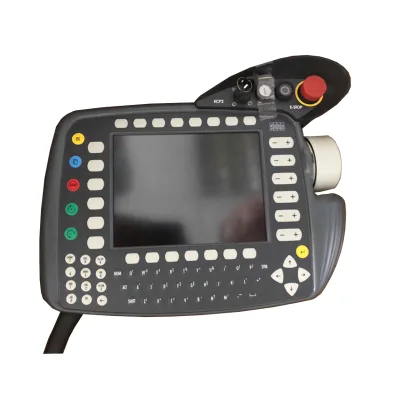


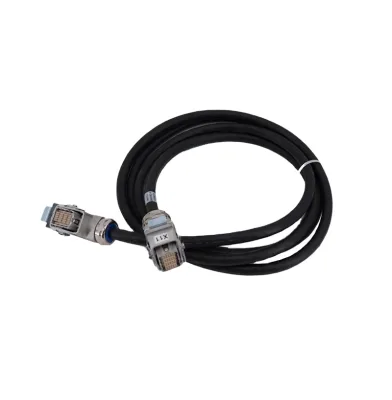
Industrial Robot with Teach Pendant for Welding and Assembly Applications
$7040.00 - $11268.00
MOQ: 1 Sets


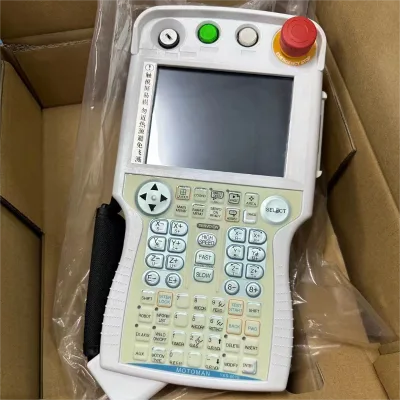


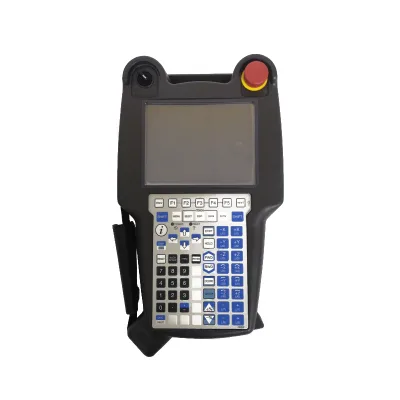
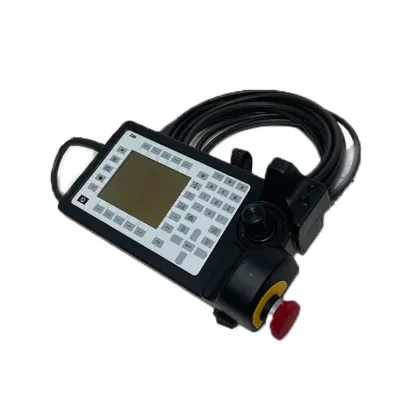
Comprehensive Sourcing Guide
CNC Robot Teach Pendant Sourcing Guide
Procuring a CNC Robot Teach Pendant requires careful attention to brand compatibility and interface specifications, as these components serve as the primary human-machine interface for industrial automation. Buyers must recognize that these devices are not generic peripherals but specialized controllers designed to communicate with specific robotic architectures. The market offers options from major manufacturers such as FANUC and YASKAWA, each with distinct proprietary protocols. Understanding the specific model number, such as the JZRCR-NPP01B-1 or A02B-0259-C221#A, is critical to ensuring operational continuity. Mismatched pendants can lead to immediate integration failures, making precise identification the first step in the sourcing process.
Beyond brand matching, buyers should evaluate the physical and digital attributes of the pendant to ensure it meets operational demands. Observed listings indicate that these units often feature LCD displays and support closed-loop control methods, which are essential for high-precision contouring tasks. The condition of the unit, whether new or used, significantly impacts performance reliability and warranty coverage. New units typically come with a twelve-month warranty, whereas used items may only offer three months. This distinction is vital for budgeting maintenance costs and planning for potential downtime during the initial deployment phase of the robotic cell.
Product Scope and Observed Listing Signals
The current market landscape for CNC robot teach pendants reveals a diverse range of product attributes that buyers must navigate. Listings frequently highlight customization availability, allowing for specific interface adjustments, though some suppliers explicitly state that customization is not available. This inconsistency requires buyers to verify compatibility directly with the seller before placing orders. The observed price range spans from $100 to $1,000,000, reflecting the variance between basic replacement units and complex, high-end systems. This wide spectrum underscores the importance of defining exact technical requirements rather than relying on general category descriptions when evaluating potential purchases.
Minimum order quantities (MOQ) are consistently observed at one piece, indicating that these items are typically sold as individual units rather than bulk commodities. This single-item purchasing model simplifies the procurement process for small-scale repairs or pilot projects but requires careful inventory management for larger fleets. Suppliers often list lead times as "in stock" or within one to five days, suggesting a ready-to-ship market for common models. However, buyers should remain cautious, as "in stock" claims may not always reflect immediate physical availability. Verifying actual stock levels and delivery timelines is essential to avoid production delays, especially when replacing critical control hardware in active manufacturing environments.
Technical Specifications to Verify
Technical verification begins with confirming the numerical control type and movement method supported by the teach pendant. High-end CNC machine tools often utilize contour control and closed-loop control systems, which demand pendants with corresponding communication interfaces. Buyers must ensure that the pendant’s model number aligns with the robot’s controller architecture, as mismatched firmware can render the device useless. Specifications such as processing precision ranging from 0.01 to 0.02 mm indicate the level of control accuracy the pendant can facilitate. These metrics are not merely marketing points but functional limits that dictate the quality of robotic operations, particularly in metal-cutting and forming applications.
Physical dimensions and weight are also critical factors for ergonomic integration and installation logistics. Observed single package sizes vary significantly, from 20x10x10 cm to 50x50x50 cm, reflecting differences in internal components and protective packaging. The single gross weight can range from 0.5 kg to 5.0 kg, which impacts shipping costs and handling requirements. Buyers should verify the display type, with LCD screens being a common feature, and ensure that the system requirements, such as room temperature operation, are met in the intended environment. These physical and environmental specifications ensure that the pendant will function reliably within the specific constraints of the industrial setting.
Compliance and Safety Documentation
Compliance with international standards is a non-negotiable aspect of sourcing industrial control hardware. The CE certification is a key indicator that the product meets European health, safety, and environmental protection standards. Buyers should request valid certification documents to verify that the pendant has undergone appropriate testing for electromagnetic compatibility and electrical safety. This documentation is crucial for maintaining regulatory compliance in global supply chains and avoiding legal liabilities associated with non-compliant equipment. Without proper certification, the use of the pendant in certain jurisdictions may be prohibited, leading to operational shutdowns and financial penalties.
Safety documentation also includes detailed user manuals and technical datasheets that outline proper usage and maintenance procedures. These documents provide essential information on error codes, troubleshooting steps, and emergency stop functions, which are vital for operator safety. Buyers should ensure that the supplier provides comprehensive documentation in the required language, typically English or the local language of the installation site. Incomplete or missing documentation can hinder effective training and maintenance, increasing the risk of accidents and equipment damage. Verifying the availability of these resources is a critical step in the procurement process to ensure long-term operational safety and efficiency.
Cost Drivers and Commercial Terms
Cost drivers for CNC robot teach pendants include brand reputation, model specificity, and condition. Premium brands like FANUC and YASKAWA command higher prices due to their established reliability and extensive support networks. The condition of the unit, whether new or used, is another significant factor, with new units offering longer warranties and potentially better performance. Buyers should also consider the cost of shipping and packaging, as standard export cartons or wooden boxes are often required for safe transit. These logistical costs can add to the total acquisition expense, particularly for international orders, and should be factored into the overall budget.
Commercial terms such as payment methods and warranty policies also influence the total cost of ownership. Suppliers often accept Western Union, T/T, and PayPal, providing flexibility for different financial arrangements. Warranty terms vary, with new units typically offering twelve months of coverage and used units offering three months. Buyers should negotiate clear warranty terms and return policies to mitigate the risk of receiving defective products. Additionally, supply ability, such as twenty pieces per week, can affect pricing and availability, so buyers should align their procurement schedules with supplier capacity to secure favorable terms and timely delivery.
Supplier Qualification and Quality Control
Supplier qualification is essential to ensure the authenticity and quality of CNC robot teach pendants. Buyers should verify that suppliers are authorized distributors or reputable resellers of original equipment manufacturer products. Claims of "original new" quality should be supported by verifiable proof, such as serial number checks or manufacturer certificates. This verification process helps prevent the acquisition of counterfeit or refurbished units that may not meet performance standards. Establishing a relationship with a qualified supplier reduces the risk of receiving substandard products and ensures access to genuine spare parts and technical support.
Quality control measures should include pre-shipment inspections and testing of the pendant’s functionality. Buyers should request video demonstrations or test reports to confirm that the device operates correctly before finalizing the purchase. This step is particularly important for used or refurbished units, where wear and tear may not be immediately visible. Additionally, buyers should verify the supplier’s ability to provide one-stop services, including packaging and logistics, to ensure a seamless procurement experience. Implementing these quality control steps helps maintain the integrity of the robotic system and minimizes the risk of operational disruptions due to faulty hardware.
Long-Term Procurement Checks
Long-term procurement checks involve monitoring the performance and reliability of the teach pendant over time. Buyers should establish a maintenance schedule that includes regular inspections of the display, buttons, and communication interfaces. This proactive approach helps identify potential issues before they lead to system failures. Additionally, buyers should keep track of firmware updates and compatibility changes released by the manufacturer. Staying informed about these updates ensures that the pendant remains compatible with the robot’s controller and continues to operate efficiently. Regular performance reviews help optimize the robotic cell’s productivity and extend the lifespan of the hardware.
Supply chain resilience is another critical aspect of long-term procurement. Buyers should diversify their supplier base to mitigate the risk of shortages or price fluctuations. Maintaining relationships with multiple qualified suppliers ensures access to replacement parts when needed. Additionally, buyers should monitor market trends and technological advancements in teach pendant technology. This awareness allows for strategic planning and timely upgrades to maintain competitive advantage. By implementing these long-term checks, buyers can ensure the sustained reliability and efficiency of their robotic operations, reducing downtime and maximizing return on investment.
FAQs
What is the certification status of the CNC Robot Teach Pendant?
The product holds CE certification as a confirmed attribute. This ensures compliance with essential safety and health requirements for machinery sold within relevant markets. Buyers can verify this standard directly on the product page before proceeding with any procurement decision.
Which brands offer CNC robot teach pendants with customization options?
Brands like FANUC and YASKAWA are listed with specific model numbers for these devices. While some listings indicate customization is available, others state it is not. Buyers must check individual product attributes to confirm if custom requirements can be met for their specific application needs.
How long is the lead time for new CNC robot teach pendants?
Lead times vary between being in stock and requiring 1 to 5 days for delivery. Some suppliers offer immediate availability while others specify a 1-2 day or 3-5 day window. Buyers should confirm the specific delivery time with the vendor before placing an order.
Can I find CNC robot teach pendants with a 3-month warranty?
Yes, used units are covered by a 3-month warranty while new units receive 12 months. This distinction is clearly stated in the product attributes. Buyers should verify the condition of the item to understand which warranty period applies to their purchase.
What is the minimum order quantity for these teach pendants?
The minimum order quantity is consistently listed as 1 piece across the available products. This allows buyers to purchase single units without needing to meet bulk thresholds. It supports flexible sourcing for small-scale projects or replacement needs.
Which payment methods are accepted for purchasing these pendants?
Accepted payment methods include Western Union, T/T, and Paypal. These options provide flexibility for international transactions. Buyers should confirm the specific terms with the supplier to ensure their preferred method is supported for the final transaction.
What is the origin country for the FANUC teach pendant models?
The product origin is listed as Japan for the specific FANUC models mentioned. This indicates the manufacturing location for these high-end components. Buyers seeking Japanese-made equipment can rely on this attribute when evaluating product authenticity and quality standards.