Source CNC Router Miniature Ball Screw for Woodworking, Engraving, and Machinery
Compare 30 verified listings for CNC Router Miniature Ball Screw components used in woodworking, engraving, and industrial machinery. Review specifications including precision grades, transmission types, and customization options from manufacturers in China.
Key considerations
Products List






Comprehensive Sourcing Guide
Strategic Sourcing Guide for CNC Router Miniature Ball Screws
Understanding the Technical Landscape of Miniature Ball Screws
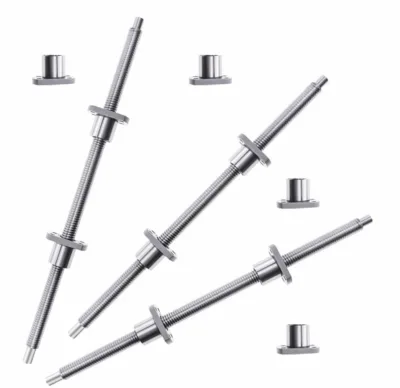
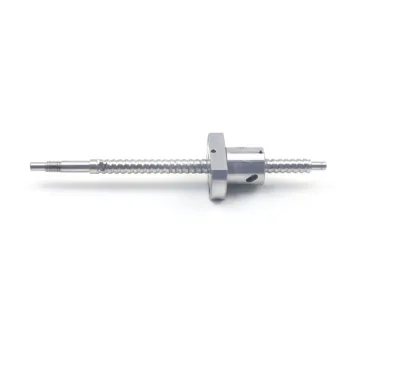
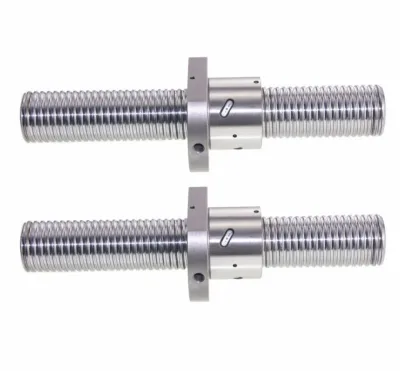
The procurement of miniature ball screws for CNC routers requires a precise understanding of the intersection between motion control mechanics and the specific demands of engraving and routing applications. Based on observed market data, the core component often functions as the primary transmission element within a vertical spindle layout system. These components are not merely generic fasteners but are engineered for high-precision linear motion, where the feed mode is frequently manual or automated via a CNC controlling mode. The standard production type for these items is mass production, yet the customization options remain a critical variable for buyers.
When evaluating the technical specifications, the diameter of the ball screw is a primary decision point. Market observations indicate that "Customized" is a prevalent attribute, suggesting that off-the-shelf standard sizes may not always meet the exact spatial constraints of a 6090 or similar compact router frame. The precision grade is another vital metric; observed listings frequently cite a C7 precision grade, which is suitable for general industrial usage but may require verification for ultra-high-speed applications. The machining method employed is predominantly CNC Machining, ensuring tight tolerances on the thread profile. Furthermore, the end processing capabilities of the supplier must be robust, encompassing lathe, mill, grind, and tap operations to ensure the final product meets the rigorous demands of an engraving router.
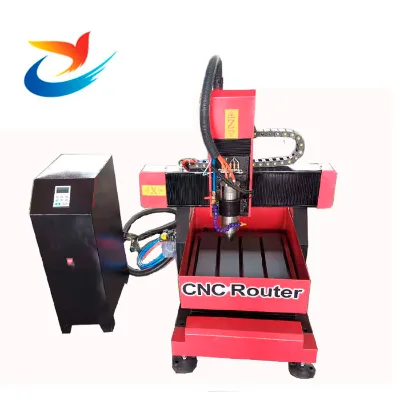
The integration of the ball screw into the overall machine structure is equally important. In many observed configurations, the ball screw is paired with a round rail guide system and a welded bed structure. The table itself is often constructed from a casting iron frame to dampen vibrations, which is essential when the spindle power reaches levels such as 1.5kw with water cooling. The controlling system, often an Ncstudio Control System, relies on the smooth operation of the transmission system, which includes the ball screw and stepper motor. Buyers must verify that the selected miniature ball screw is compatible with the specific inverter and motor specifications of the router they intend to build or maintain.
Compliance, Certification, and Standard Verification
Navigating the regulatory landscape for industrial machinery components requires a rigorous approach to certification and standard compliance. The global market for CNC accessories is heavily influenced by international standards, and buyers must ensure that their suppliers adhere to recognized frameworks. Observed data highlights the presence of CE and ISO certifications, which are critical indicators of a manufacturer's commitment to quality and safety. These certifications are not merely marketing terms but represent adherence to specific safety and performance protocols required for export to markets in Europe and beyond.
In addition to general certifications, the specific standards governing the design and manufacturing of these components must be scrutinized. The supplied facts reference ASME and China GB Code (GB) standards. ASME standards are particularly relevant for mechanical design and safety, while the GB Code represents the national standards of China, the primary origin for these components. When sourcing from China, particularly from regions like Jinan, Shandong, or Nanjing, buyers should verify that the product documentation explicitly references these standards. The standard for the product itself may also be listed as "Milled," indicating the manufacturing process used to achieve the final geometry, or "Customized size," which implies a deviation from standard catalog dimensions.
Compliance also extends to the origin and export regulations. Products originating from China, specifically from manufacturing hubs like Jinan or Nanjing, must meet the export requirements of the destination country. The packing specifications often reflect these compliance needs, with some items requiring rust protection and specific packaging for overseas transport. This "Have to Be Rust Protected and Packed for Over Sea" requirement is a direct response to the long transit times and varying humidity conditions associated with international shipping. Buyers should confirm that the supplier's packaging protocols align with the Incoterms agreed upon in the purchase agreement to prevent corrosion damage before the components reach the final assembly line.
Cost Drivers and Pricing Dynamics in the Component Market
The pricing structure for miniature ball screws in the CNC router sector is influenced by a complex interplay of factors, including material costs, precision grades, customization levels, and volume. The observed price range in the market spans from 1 to 8500 USD, a wide spectrum that reflects the diversity of product types, from simple fasteners to complete assembly units or high-precision custom-engineered screws. This variance underscores the importance of defining the exact scope of the purchase before requesting quotes. A basic, non-customized ball screw will naturally fall at the lower end of this spectrum, while a C7 precision, customized diameter screw with specific end processing and packaging requirements will command a premium.
Volume is a significant driver of cost, as evidenced by the observed Minimum Order Quantity (MOQ) range of 1 to 1000 units. Buyers seeking small quantities for prototyping or low-volume production can find suppliers with an MOQ of 1, but this often comes with a higher unit cost. Conversely, buyers planning for mass production can leverage the lower end of the price range by committing to larger volumes, potentially up to 1000 units. The "Neutral Export Packing" option often allows for cost savings by eliminating custom branding expenses, whereas specialized packaging for overseas transport may add to the overall cost.
It is crucial to distinguish between the cost of the component itself and the total landed cost. Factors such as the "Best Inverter" or "Stepper Motor" compatibility might not be included in the ball screw price but are essential for the system's operation. Additionally, the "Water Cooling Spindle" requirement implies that the ball screw must withstand specific thermal conditions, which may necessitate higher-grade materials or coatings, thereby increasing the cost. Buyers should request a detailed breakdown of costs to understand how much is attributed to the raw material, the machining process (CNC Machining), and the finishing treatments like Zinc Plating.
Typical Applications and Performance Environments
Miniature ball screws are integral to a variety of applications, with the most prominent being the Wooden Industry and general hardware tooling. In the context of CNC routers, these components are the backbone of the X, Y, and Z-axis movement, enabling the precise cutting, engraving, and routing of materials. The application of these screws extends to Machinery Accessories and Fasteners, serving as critical links in the transmission chain of automated systems. The "Engraving Router" type specifically relies on the high precision and smooth motion provided by ball screws to achieve intricate designs on wood, plastic, and soft metals.
The operating environment of the CNC router also dictates the requirements for the ball screw. For indoor applications, standard protection may suffice, but for outdoor advertising or industrial usage in harsh environments, the components must be robust. The observed "Indoor, Outdoor" application type suggests that some ball screws are designed to withstand varying weather conditions, although the primary protection often comes from the machine's enclosure. The "Zinc Plating" finish is a common specification observed in the market, providing a layer of corrosion resistance that is essential for longevity in industrial settings.
Furthermore, the specific layout of the machine, such as the "Vertical" spindle layout, influences the load dynamics on the ball screw. In a vertical configuration, the screw must support the weight of the spindle and the cutting forces without sagging or losing precision. The "Single-Spindle" and "Single" nut number configurations are common, but the "Double" nut number option is also available for applications requiring higher rigidity or the elimination of backlash. The "Inner Loop" type mentioned in the data suggests a specific mechanical design that may offer advantages in compactness or load distribution, making it suitable for smaller, more agile router machines.
Supplier Evaluation and Production Capabilities
Evaluating a supplier for miniature ball screws requires a deep dive into their production capabilities and quality assurance processes. The fact that the production type is "Mass Production" indicates that the supplier has the capacity to handle large volumes, but buyers must verify if they can also accommodate smaller, customized orders without compromising quality. The presence of "OEM: Yes" is a strong indicator that the supplier is willing to work with buyers to create custom solutions, which is essential for the "Customized size" and "Customized" attributes observed in the market.
The location of the supplier is a key factor in the evaluation process. The data points to specific manufacturing hubs in China, such as Jinan, Shandong, and Nanjing. These regions are known for their concentration of machinery and hardware manufacturers. A supplier based in Jinan, for example, might have a strong focus on the 6090 router models, while a Nanjing-based supplier might specialize in different precision standards. Buyers should verify the specific origin of the product to ensure it aligns with their supply chain strategy and to assess the logistics implications of the lead time.
Quality control is another critical aspect of supplier evaluation. The "Condition: New" attribute is standard, but buyers should look for evidence of rigorous testing and inspection processes. The "End Pocessing" capabilities, including lathe, mill, grind, and tap, should be performed in-house or by trusted partners to ensure consistency. The "CNC Machining" method must be applied with precision to meet the C7 grade or other specified tolerances. Buyers should request documentation of the supplier's quality management systems, including how they handle the "Neutral Export Packing" or specialized "Plywood Package" to ensure the product arrives in perfect condition.
Quality Control and Long-Term Procurement Considerations
Ensuring the long-term reliability of miniature ball screws requires a proactive approach to quality control and maintenance planning. The "Precision: C7" grade is a starting point, but buyers should establish clear acceptance criteria for runout, pitch error, and surface finish. The "Zinc Plating" finish should be inspected for uniformity and thickness to ensure adequate corrosion resistance. In the event of a failure, the ability to source replacement parts quickly is vital for minimizing downtime in a production environment.
Long-term procurement considerations also involve the compatibility of the ball screw with the broader system. As the "Control System" evolves or the "Spindle Speed" requirements change (ranging from 6000 to 24000 RPM), the ball screw must remain compatible. The "Stepper Motor" and "Inverter" specifications should be reviewed to ensure that the ball screw's load capacity and speed ratings are not exceeded. The "Table: Casting Iron Frame" and "Guide Rail: Round Rail" must be aligned with the ball screw's movement characteristics to prevent premature wear.
Finally, the packaging and storage conditions play a significant role in the lifespan of the component. The "Plywood Package" and "Rust Protected" requirements are not just for shipping but also for storage. Buyers should establish protocols for the storage of these components to prevent moisture damage and corrosion. Regular inspection of the ball screws during the machine's operation, checking for signs of wear or backlash, is essential for maintaining the precision of the CNC router. By focusing on these quality control and long-term maintenance aspects, buyers can ensure that their investment in miniature ball screws delivers consistent performance and value over time.
Summary of Key Specifications and Attributes
To facilitate a clear comparison and decision-making process, the following table summarizes the key attributes and specifications observed in the market for CNC router miniature ball screws. This summary serves as a checklist for buyers to verify against supplier offerings.
| Attribute Category | Specific Observation | Verification Requirement |
|---|---|---|
| Production Type | Mass Production | Confirm capacity for order volume |
| Standard | ASME, China GB Code, GB | Verify documentation references |
| Machining Method | CNC Machining | Check for precision tooling |
| Application | Hardware Tool, Machinery Accessory, Auto/Motorcycle, Wooden Industry | Match to end-use environment |
| Finish | Zinc Plating | Inspect coating quality |
| Usage | Industrial Usage | Confirm suitability for intended load |
| Model | JH-M210, FF, JF, 6090, Rolled Ball Screw | Ensure model compatibility |
| Origin | China, China Nanjing, Jinan Shandong | Assess logistics and lead time |
| Precision | C7 | Verify tolerance reports |
| Customization | Available, Customized Size | Confirm MOQ for custom runs |
| Packaging | Neutral, Plywood, Rust Protected | Check for export compliance |
| Certification | CE, ISO | Request valid certificates |
| Spindle Power | 1.5kw Water Cooling | Ensure thermal compatibility |
| Control System | Ncstudio Control System | Verify software/hardware integration |
By adhering to these guidelines and verifying the specific attributes against the supplied facts, buyers can navigate the complex market for CNC router miniature ball screws with confidence, ensuring they procure components that meet their technical, compliance, and operational requirements.
FAQs
What precision grade is standard for these miniature ball screws?
The standard precision grade observed is C7, suitable for general industrial usage. This grade ensures reliable linear motion for CNC routers but may require verification for ultra-high-speed applications.
Can I customize the diameter and size of the ball screw?
Yes, customization is available for both diameter and size to fit specific frame constraints. Suppliers offer customized sizes and can perform end processing like lathe, mill, grind, and tap operations.
Which certifications should I verify for these components?
You should verify CE and ISO certifications to ensure compliance with safety and performance protocols. These standards are critical for export to markets in Europe and indicate adherence to recognized frameworks.
How is the product packed for overseas shipping?
Products are packed with rust protection and specific packaging suitable for overseas transport. Some options include neutral export packing or plywood packages to prevent corrosion during long transit times.
What machining methods are used to produce these screws?
The primary machining method is CNC Machining to ensure tight tolerances on the thread profile. End processing capabilities typically include lathe, mill, grind, and tap operations for final geometry.
Where are the manufacturers of these ball screws located?
Manufacturers are primarily located in China, specifically in hubs like Jinan, Shandong, and Nanjing. These regions are known for their concentration of machinery and hardware manufacturers.
What is the typical minimum order quantity for these items?
The observed minimum order quantity ranges from 1 to 1000 units depending on the supplier. Small quantities are available for prototyping, while larger volumes may secure lower unit costs.