Source Taro Chips Cheese Snack for Retail, Vending, and Gift Sets
Explore 30 listings for Taro Chips Cheese Snack featuring vacuum-fried processing and natural ingredients. Buyers can compare specifications like texture, flavor, and packaging options from suppliers in China.
Key considerations
Products List
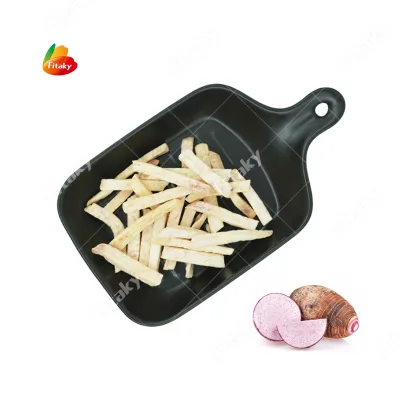
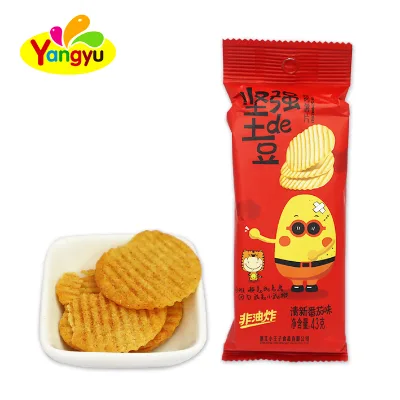
Bulk Taro Chips Vacuum Fried Taro Chips Healthy Snack High Quality Dried Taro Chips
$8.25 - $11.61
MOQ: 500 kilograms


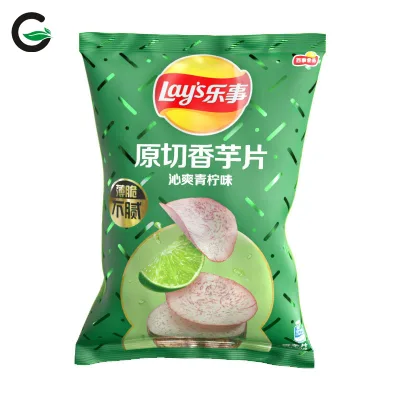
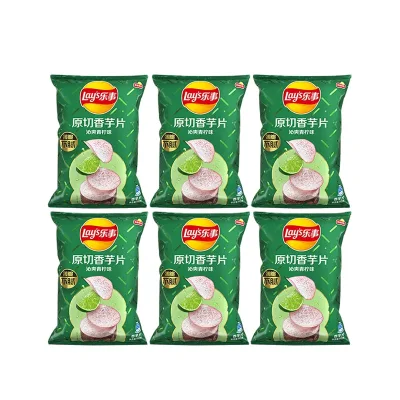
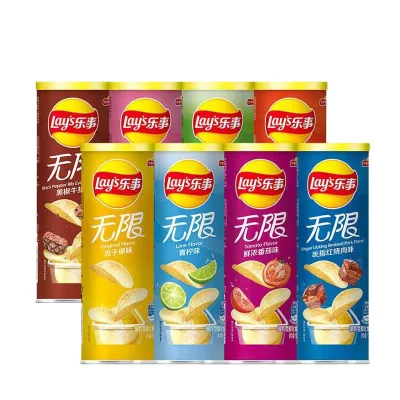
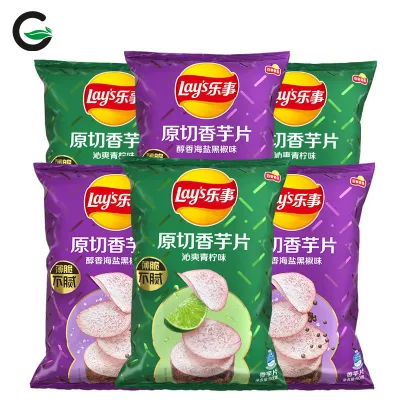




Comprehensive Sourcing Guide
Strategic Sourcing Guide for Taro Chips and Cheese Snack Variants
Understanding Product Specifications and Processing Technologies
When sourcing taro chips and cheese snack variants, buyers must first establish a clear understanding of the technical specifications that define the product's physical and chemical properties. The core product under consideration is a dried vegetable snack, specifically derived from taro, processed using vacuum low-temperature frying technology. This processing method is distinct from traditional deep-frying, as it utilizes vacuum-frying techniques to reduce oil absorption while maintaining the structural integrity of the vegetable slices. The resulting product typically presents as dried slices with a specific shape and size, often ranging between 3 to 5 centimeters in dimension.
The physical attributes of these snacks are critical for logistics and retail presentation. The single package size for bulk shipments is frequently observed around 45x32x30 cm, while the single gross weight is recorded at 20.000 kg. The texture of the final product is a dual characteristic; while some observations note a "hard" texture, others describe the product as "crispy," indicating that the specific crispness may vary based on the precise moisture content and frying duration. The color profile is predominantly purple, reflecting the natural pigmentation of the taro root, though the flavor profile is often enhanced with sweet or sweeter flavors to appeal to a broad consumer base.
Packaging plays a vital role in preserving these attributes. The standard packaging material is an aluminum foil bag, which is essential for maintaining the "crispy" texture and preventing moisture ingress. The product is designed as a ready-to-eat snack, requiring no additional preparation. The shelf life is typically standardized at 12 months, provided the storage conditions are strictly adhered to. Buyers should note that the product is categorized under "Fruit & Vegetable Snacks" and is often marketed as a "light snack" with attributes such as being less salty, low fat, and containing less oil. The ingredients are listed as natural, with a composition of 100% fresh vegetable, though some variations may include cereals or other multi-ingredient formulations.
Compliance, Certification, and Dietary Inclusivity
Navigating the regulatory landscape is a paramount concern for international buyers of taro chips and cheese snacks. The product must align with various dietary standards to access global markets. Based on available product attributes, these snacks are often positioned as suitable for specific dietary groups, including vegans and those seeking healthier alternatives. The product is explicitly described as suitable for vegans, containing no animal-derived ingredients in its base formulation, although cheese variants require careful verification of dairy content.
For buyers targeting the Middle East, the "Halal" status is a critical compliance factor. The product data indicates that these snacks are considered "Good for Muslim Market" and are labeled as Halal food. Similarly, for markets in Israel and Jewish communities globally, the product is noted to be Kosher food compliant. These certifications are not merely marketing claims but are often prerequisites for entry into specific retail channels. Buyers must verify that the Halal and Kosher certifications are current and issued by recognized bodies, as the supply chain for ingredients like cheese or flavorings can introduce non-compliant elements if not strictly managed.
Furthermore, the product is marketed as "Healthier Snacks" with a focus on being "All in Natural." This positioning relies on the use of natural ingredients and the vacuum-frying technology which reduces oil content. The product is also highlighted as being suitable for children, described as "Much More Healthier," and provides energy throughout the day. However, buyers must exercise caution when making health claims. While the product is high in fiber and low in fat, specific nutritional values must be verified against the destination country's labeling regulations. The "Light Snacks" attribute suggests a lower sodium and oil profile, but exact grams per serving must be confirmed on the final packaging to avoid regulatory disputes regarding nutritional claims.
Cost Drivers and Pricing Structures
The pricing structure for taro chips and cheese snacks is influenced by a complex interplay of raw material costs, processing technology, and packaging requirements. The observed price range in the market spans from $0.01 to $10,000, reflecting the vast difference between single-unit retail pricing and bulk industrial procurement contracts. For B2B buyers, the unit price is heavily dependent on the Minimum Order Quantity (MOQ), which ranges from 1 to 25,000 units. Smaller orders typically command a higher per-unit cost due to the fixed costs of production setup and logistics, whereas large-volume orders can significantly reduce the average cost.
Raw material costs are a primary driver. The use of 100% fresh vegetable, specifically taro, means that seasonal fluctuations in agricultural yields can impact the base cost. The inclusion of cheese or other flavorings adds another layer of cost variability, as dairy prices and flavoring agents are subject to their own market dynamics. The processing technology, specifically vacuum low-temperature frying, is more energy-intensive and requires specialized equipment compared to traditional frying, which can increase the manufacturing cost. However, this technology often justifies a premium price point due to the perceived health benefits and superior texture retention.
Packaging is another significant cost component. The use of aluminum foil bags is standard for preserving the crispiness and extending the shelf life to 12 months. The cost of aluminum and the complexity of the packaging machinery contribute to the overall price. Additionally, customization options are available, which can further influence the cost structure. Custom branding, unique shapes, or specialized packaging designs will incur additional tooling and setup fees. Buyers should also consider the logistics costs associated with the product's weight and volume. With a single gross weight of 20 kg and specific package dimensions, shipping efficiency is crucial. Consolidating orders to maximize container load can help mitigate freight costs, which are often a substantial portion of the landed cost for food products.
Typical Applications and Market Segmentation
Taro chips and cheese snacks are versatile products with applications across various market segments. The primary application is as a convenient, ready-to-eat snack for consumers on the go. The "Nibble Time" attribute suggests that these products are designed for casual consumption, fitting well into scenarios such as office breaks, travel, or leisure activities. The product's "Hearty Snacks" and "Daily Food" positioning indicates that it can serve as a substantial snack that provides energy throughout the day, appealing to active individuals or those seeking a quick nutritional boost.
In the retail sector, these snacks are often placed in the "Fruit & Vegetable Snacks" aisle, competing with traditional potato chips and other dried vegetable products. The "Light Snacks" attribute, emphasizing low fat and less oil, allows these products to target health-conscious consumers who are looking for guilt-free indulgence. The "Kids Food" positioning makes them suitable for school snacks and family packs, provided the flavor profile is appealing to younger palates. The sweet flavor profile and crispy texture are generally well-received by children, making them a strong candidate for family-oriented marketing campaigns.
For the food service industry, these snacks can be utilized in catering scenarios, hotel minibars, and airport lounges. The long shelf life of 12 months and the non-refrigerated storage requirement make them ideal for distribution networks that lack cold chain infrastructure. The product's "Gift" potential, often paired with candy or toys, opens up opportunities for promotional packaging and seasonal gifting. The "Halal" and "Kosher" certifications expand the market reach to religious communities, ensuring that the product can be sold in diverse cultural contexts without restriction. The "Vegan Food" status further broadens the demographic, appealing to the growing plant-based food movement.
Supplier Evaluation and Origin Verification
Selecting the right supplier is critical for ensuring product consistency and supply chain reliability. The origin of the product is a key factor in supplier evaluation. The observed place of origin is Henan, China, with some specific references to Dezhou, China. These regions are known for their agricultural output and food processing capabilities. Buyers should verify the specific factory location and ensure that the supplier has the capacity to meet the required production volume. The address in Henan serves as a primary identifier for the manufacturing base.
When evaluating suppliers, buyers should look for evidence of consistent quality control and adherence to the specified processing technologies. The supplier must demonstrate proficiency in vacuum low-temperature frying to ensure the product maintains the desired "crispy" texture and low oil content. The ability to customize the product, as indicated by the "Customization: Available" attribute, is another important criterion. Suppliers who offer flexible packaging solutions and the ability to adjust flavor profiles can better meet the specific needs of different markets.
It is also essential to verify the supplier's track record regarding certifications. The claims of Halal, Kosher, and Vegan status must be backed by valid documentation. Buyers should request copies of current certificates and verify their authenticity with the issuing bodies. The supplier's ability to handle large order volumes, as suggested by the high MOQ range, is also a consideration. A supplier with a robust logistics network can ensure timely delivery and maintain the integrity of the product during transit.
Quality Control and Long-Term Procurement Considerations
Maintaining high quality standards is essential for the long-term success of any procurement strategy involving taro chips and cheese snacks. The product's texture, ranging from "hard" to "crispy," is sensitive to moisture and temperature changes. Therefore, quality control protocols must include rigorous testing for moisture content and texture consistency. The storage conditions are critical; the product must be stored in a cool, dry place to prevent sogginess and maintain the 12-month shelf life. Buyers should ensure that their logistics partners adhere to these storage requirements throughout the supply chain.
Long-term procurement considerations involve building a resilient supply chain that can withstand market fluctuations. The reliance on fresh vegetables as the primary ingredient means that buyers should work with suppliers who have diversified sourcing strategies to mitigate the risk of crop failures or price spikes. The availability of customization options allows buyers to adapt their product offerings to changing consumer trends, such as the demand for lower sodium or specific flavor profiles.
Regular quality audits and third-party testing are recommended to ensure ongoing compliance with safety and quality standards. Buyers should establish clear specifications for the product, including dimensions, weight, and packaging requirements, to avoid disputes. The "Single package size" and "Single gross weight" should be strictly monitored to ensure consistency in shipping and retail display. Finally, maintaining open communication with the supplier regarding production schedules and potential delays is crucial for managing inventory levels and meeting customer demand effectively. By focusing on these technical and operational aspects, buyers can secure a reliable supply of high-quality taro chips and cheese snacks for their markets.
Comparative Analysis of Product Attributes
To facilitate decision-making, the following table summarizes the key attributes of the taro chips and cheese snack variants based on the provided data. This comparison highlights the variations in processing, packaging, and dietary compliance that buyers should consider.
| Attribute Category | Specific Attribute | Observed Value/Description |
|---|---|---|
| Processing | Technology | Vacuum-Frying / Vacuum Low Temperature Fried |
| Type | Fried | |
| Physical Specs | Shape | Dried Slices |
| Specification | 3-5cm | |
| Texture | Hard / Crispy | |
| Color | Purple | |
| Packaging | Material | Aluminum Foil Bag |
| Type | Bag | |
| Size | 45X32X30 cm (Single Package) | |
| Weight | 20.000 kg (Single Gross Weight) | |
| Dietary | Vegan | Suitable for Vegans |
| Halal | Good for Muslim Market / Halal Food | |
| Kosher | Kosher Food | |
| Health | High-Fiber, Low Fat, Less Oil | |
| Storage | Shelf Life | 12 Months |
| Condition | Dry Cool Place / Non-Refrigerated | |
| Origin | Location | Henan, China / Dezhou, China |
| Raw Material | 100% Fresh Vegetable (Taro) |
This table serves as a quick reference for buyers to compare the essential characteristics of the product against their specific requirements. It underscores the importance of verifying each attribute, particularly the processing method and dietary certifications, to ensure the product aligns with the intended market and consumer expectations.
FAQs
How is the Taro Chips Cheese Snack processed?
The product is processed using vacuum low-temperature frying technology to reduce oil absorption. This method maintains the structural integrity of the vegetable slices while ensuring a crispy texture and extending the shelf life to 12 months without refrigeration.
What are the storage requirements for this snack?
You must store the product in a cool, dry place to maintain quality. The packaging is designed for non-refrigerated storage, and the shelf life remains valid for 12 months provided the conditions are strictly adhered to throughout the supply chain.
Which certifications are available for this vegetable snack?
The product is available with Halal and Kosher certifications for specific dietary markets. It is also suitable for vegans and marketed as a healthier option with natural ingredients, though cheese variants require careful verification of dairy content.
Can I customize the packaging and specifications?
Yes, customization is available for branding and packaging designs. The standard single package size is 45x32x30 cm with a gross weight of 20 kg, but buyers can request specific adjustments to meet their retail or distribution needs.
What is the minimum order quantity for this item?
The minimum order quantity ranges from 1 to 25,000 units depending on the supplier. Smaller orders typically command a higher per-unit cost, while large-volume orders can significantly reduce the average price due to economies of scale.
Where is the place of origin for these snacks?
The primary place of origin is Henan, China, with some specific references to Dezhou. Buyers should verify the specific factory location to ensure the supplier has the capacity to meet production volume and quality control standards.
How is the texture described for this dried vegetable snack?
The texture is described as both hard and crispy, depending on the moisture content. The vacuum-frying process helps retain the natural purple color of the taro while creating a light, less oily snack suitable for daily consumption.