Source Cold Chain Biohazard Specimen Bag for Medical, Lab, and Shipping
Find and compare 30 Cold Chain Biohazard Specimen Bag options from verified suppliers. Evaluate features like ethylene oxide sterilization, zip lock sealing, and customizable sizes to ensure safe transport for medical and laboratory applications.
Key considerations
Products List


2021 Hot Selling Zip Locked Disposable Biohazard Specimen Transport Bag
$0.01 - $0.02
MOQ: 100000 Pieces

100% LDPE Biohazard Specimen Plastic Transport Bag with Pocket in 3 Layers or 4 Layers
$0.01 - $0.02
MOQ: 100000 Pieces


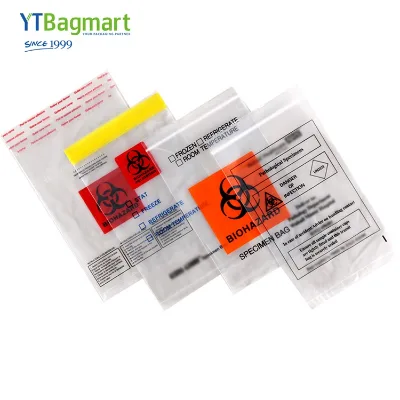


Transparent Biohazard Specimen Bag for Hospital Ziplock Bags Zipper Bag with Pouch
$0.01 - $0.08
MOQ: 10000 Pieces


Comprehensive Sourcing Guide
Cold Chain Biohazard Specimen Bag Sourcing Guide
Procuring cold chain biohazard specimen bags requires a precise understanding of material integrity, sterilization protocols, and logistical durability. These specialized containers are designed to maintain the viability of biological samples during transport, often under refrigerated or frozen conditions, while ensuring strict containment of hazardous materials. The sourcing process must balance regulatory compliance with operational efficiency, ensuring that the selected bags meet both safety standards and the specific thermal requirements of the supply chain. Buyers must prioritize suppliers who demonstrate rigorous quality control and transparent documentation, as failures in these areas can lead to sample degradation, regulatory penalties, or safety incidents.
The market for these products is characterized by a wide range of customization options, from bag dimensions and sealing mechanisms to printing specifications for labeling. Observations from current listings indicate that manufacturers offer various configurations, including zip-locked designs, multi-layer structures, and specific sterilization methods such as Ethylene Oxide. Understanding these variables is critical for aligning product selection with internal laboratory protocols and external regulatory requirements. This guide provides a structured approach to evaluating suppliers, verifying technical specifications, and establishing long-term procurement strategies for cold chain biohazard specimen bags.
Product Scope and Observed Listing Signals
The observed product landscape includes a variety of biohazard bags with distinct features tailored to different handling needs. Listings frequently highlight attributes such as "Disposable," "Bio-Degradable," and "Recyclable," indicating a growing market focus on sustainability alongside safety. Common material compositions include rubber and plastic blends, with specific references to High Pressure Polyethylene Plastic Bags, which are known for their durability and moisture-proof qualities. The presence of "Three-Five Layers" in some product descriptions suggests enhanced barrier properties, which are essential for preventing leakage and maintaining sample integrity during transit.
Sealing mechanisms and structural designs vary significantly across suppliers, with "Zip Lock" and "Seal Bag" being prominent features. Some products are marketed under specific model names like "CH-0205," "SBF," and "YR-BIOHAZARD," each potentially offering unique size or thickness options. The observed price range of $0.01 to $0.30 USD and MOQs ranging from 1,000 to 500,000 units reflect the economies of scale typical in this industry. Buyers should note that while low unit costs are attractive, they must be weighed against the reliability of the supplier and the consistency of product quality, especially for high-volume procurement needs.
Technical Specifications to Verify
Thickness and material composition are critical technical parameters that directly impact the bag's performance in cold chain environments. Observed specifications indicate a thickness range of 30mic to 200mic, with some listings citing a standard range of 0.025-0.15mm. Buyers must verify that the selected thickness is sufficient to withstand punctures and tears during handling, particularly when samples are stored in rigid containers or subjected to pressure changes. The use of High Pressure Polyethylene is a common choice due to its flexibility and resistance to low temperatures, but buyers should confirm that the material retains its integrity without becoming brittle in freezing conditions.
Sealing integrity and sterilization methods are equally important technical considerations. The "Zip Lock" feature must be robust enough to prevent accidental opening, and buyers should request samples to test the seal's durability. Ethylene Oxide Sterilization is a noted attribute in several listings, which is crucial for medical and laboratory applications where sterility is mandatory. Additionally, the "Customized Size" option allows for tailored solutions, but buyers must ensure that the customization process does not compromise the bag's structural strength or sealing capability. Verification of these specifications through supplier documentation or third-party testing is essential to ensure compliance with operational requirements.
Compliance and Safety Documentation
Certification status is a primary indicator of a supplier's commitment to quality and regulatory compliance. Observed listings frequently mention certifications such as RoHS, ISO, and CE, which suggest adherence to international standards for safety and environmental management. However, buyers must verify the specific ISO standards referenced, as different standards apply to medical devices, packaging, and quality management systems. The presence of these certifications should be corroborated with valid certificates issued by recognized accreditation bodies, ensuring that the supplier's claims are accurate and up-to-date.
Safety documentation should also include details on sterilization processes and material safety data sheets (MSDS). Ethylene Oxide Sterilization, while effective, requires careful handling and verification to ensure that residual levels are within safe limits. Buyers should request proof of sterilization validation and ensure that the bags are labeled appropriately with biohazard symbols and handling instructions. Additionally, the "Two Years" quality guarantee period mentioned in some listings provides a level of assurance, but buyers should clarify the terms of this guarantee, including coverage for defects and liability for sample loss due to product failure.
Cost Drivers and Commercial Terms
The cost of cold chain biohazard specimen bags is influenced by several factors, including material quality, thickness, and customization requirements. The observed price range of $0.01 to $0.30 USD reflects the variability in these factors, with higher prices typically associated with thicker, more durable bags or those with specialized features like multi-layer construction. Buyers should consider the total cost of ownership, which includes not only the unit price but also shipping, handling, and potential costs associated with product failures or regulatory non-compliance.
Minimum Order Quantities (MOQs) ranging from 1,000 to 500,000 units indicate that suppliers are optimized for large-scale production. Buyers with lower volume needs may face higher per-unit costs or limited customization options. It is advisable to negotiate flexible MOQs or explore tiered pricing structures to align with procurement budgets. Additionally, payment terms and lead times should be clearly defined in contracts to avoid disruptions in supply. Buyers should also consider the cost of logo printing and other customizations, which may incur additional fees depending on the supplier's policies.
Supplier Qualification and Quality Control
Supplier qualification is a critical step in ensuring the reliability of cold chain biohazard specimen bags. Buyers should assess suppliers based on their manufacturing capabilities, quality control processes, and track record in the industry. The observation that products originate from regions like Jiangsu and Qingdao in China suggests a concentration of manufacturing expertise in these areas, but buyers should verify the specific factory's credentials and audit their facilities if possible. Suppliers with OEM acceptance and logo printing capabilities offer greater flexibility, but buyers must ensure that these services do not compromise the bag's primary function.
Quality control measures should include regular inspections of raw materials, production processes, and finished products. Buyers should request information on the supplier's quality management system, including procedures for handling defects and customer complaints. The "Customization: Available" attribute indicates that suppliers are willing to adapt to specific buyer requirements, but buyers must establish clear specifications and acceptance criteria to ensure consistency. Additionally, buyers should consider implementing their own incoming quality control checks to verify that received products meet the agreed-upon standards.
Long-Term Procurement Checks
Establishing long-term procurement relationships requires ongoing monitoring of supplier performance and product quality. Buyers should conduct periodic reviews of supplier compliance with certifications and safety standards, ensuring that any changes in regulations or supplier practices are promptly addressed. The "Quality Guarantee Period: Two Years" provides a framework for accountability, but buyers should also establish key performance indicators (KPIs) related to delivery times, product defect rates, and customer satisfaction. Regular communication with suppliers can help identify potential issues early and foster a collaborative approach to problem-solving.
Sustainability and environmental considerations are increasingly important in long-term procurement strategies. The observed attributes of "Bio-Degradable" and "Recyclable" bags align with global trends toward sustainable packaging solutions. Buyers should evaluate suppliers' efforts to reduce environmental impact, such as using eco-friendly materials or optimizing production processes. Additionally, buyers should stay informed about emerging technologies and innovations in biohazard bag design, which may offer improved performance or cost savings. By maintaining a proactive approach to supplier management and product evaluation, buyers can ensure a reliable and compliant supply of cold chain biohazard specimen bags.
FAQs
What certifications do these biohazard bags have?
These bags hold RoHS, ISO, and CE certifications. The product attributes confirm compliance with these standards, ensuring safety and regulatory adherence for chemical and specimen applications in various industries.
Can I customize the size and logo on the bags?
Yes, customization is available for both size and logo printing. The product specifications list customized sizes and logo printing options, allowing buyers to tailor the bags to specific requirements for apparel or promotion.
What is the minimum order quantity for these bags?
The minimum order quantity ranges from 1000 to 500000 units. This range accommodates different procurement needs, with specific models like SBF-468 offering bulk packing options of 100 pieces per bag.
How are these disposable bags packed for shipment?
The bags are packed in cartons with 100 pieces per bag and 100 bags per carton. Some models also use bulk packing with 1000 pieces per carton, ensuring secure transport for chemical or specimen storage.
What materials are used to make these specimen bags?
The bags are made from rubber, plastic, or high-pressure polyethylene. These materials provide moisture-proof and recyclable features, suitable for bio-degradable applications and various sealing methods like zip locks.
Are these bags suitable for chemical applications?
Yes, the bags are explicitly designed for chemical applications. Their features include being disposable, moisture-proof, and recyclable, making them ideal for handling specimens, apparel, or household items safely.
What is the thickness range of these plastic bags?
The thickness ranges from 30 microns to 200 microns. This specification ensures durability for different uses, with some models offering a standard thickness range of 0.025 to 0.15 millimeters for specific needs.