Source Cold Chain Logistics Meat Hooks for Pig, Cattle, Sheep
Find 30 Cold Chain Logistics Meat Hooks from suppliers in China. Compare stainless steel and carbon steel options with varying weights and sizes for industrial food processing applications.
Key considerations
Products List


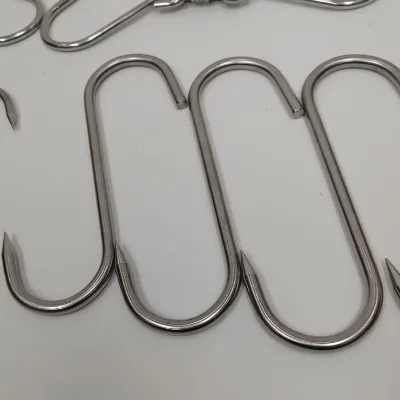
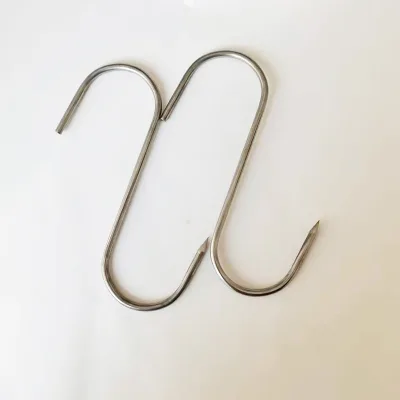
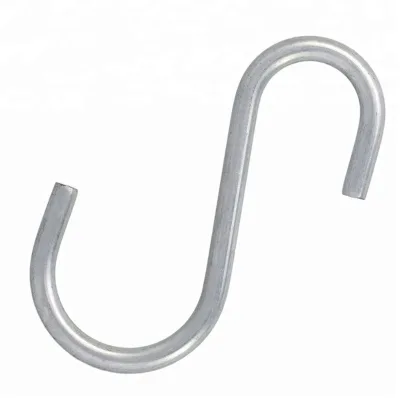
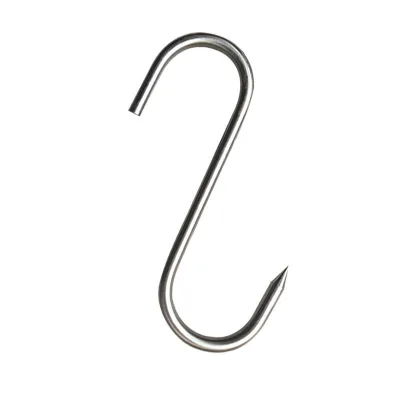
High Polished Meat Hooks S Hooks Stainless Steel Meat Processing Butcher Hook
$1.05 - $1.19
MOQ: 500 Pieces


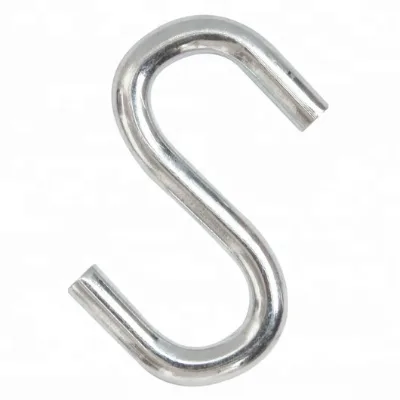
High Quality S Shaped Hook Stainless Steel 304 Meat Hook Metal Hooks for Hanging
$0.44 - $0.58
MOQ: 100 Pieces


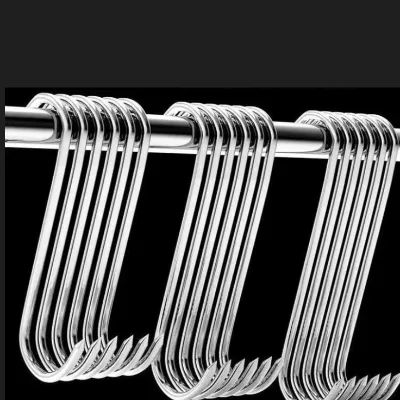
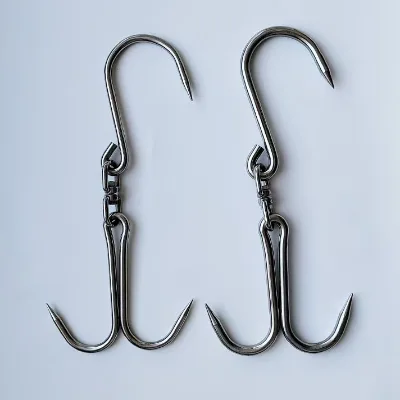
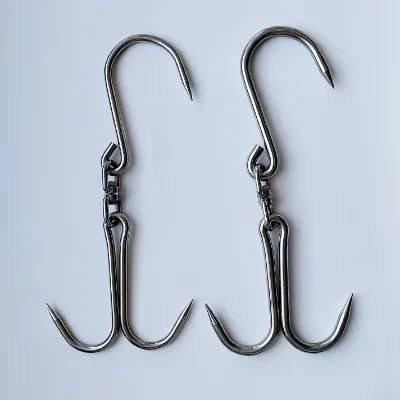

Rigging Hook Marine Hardware Dog Chain Double Hook Zinc Alloy Single Hook
$0.52 - $0.79
MOQ: 10000 Pieces




Comprehensive Sourcing Guide
Strategic Sourcing Guide for Cold Chain Logistics Meat Hooks
The procurement of specialized hardware for cold chain logistics, specifically meat hooks, requires a rigorous approach that balances material integrity, operational efficiency, and regulatory compliance. In the context of industrial food processing and distribution, the selection of S-shaped metal hooks is not merely a purchasing decision but a critical component of the supply chain's safety and hygiene infrastructure. Buyers must navigate a market characterized by diverse specifications, ranging from small household-grade items to heavy-duty industrial machinery components. This guide provides a structured framework for evaluating suppliers and products, ensuring that the selected hardware meets the stringent demands of cold storage environments and meat processing facilities.
Technical Specifications and Material Integrity
The foundation of a reliable meat hook lies in its material composition and dimensional accuracy. For cold chain applications, the material must resist corrosion caused by constant exposure to low temperatures, humidity, and potential chemical cleaning agents. Stainless steel is the predominant material observed in high-quality industrial hooks, offering superior resistance to rust and maintaining structural integrity under stress. The surface finish is equally critical; a polished surface is preferred as it minimizes the adherence of organic matter and facilitates easier cleaning, thereby reducing the risk of bacterial contamination.
Dimensions vary significantly based on the intended load and application. Specifications observed in the market include lengths such as 250mm and standardized thread sizes like M10250mm or M12300mm. These measurements are not arbitrary; they dictate the hook's compatibility with existing lifting machinery and storage racks. Furthermore, the weight of the hook itself is a factor in logistics calculations. While some lightweight variants weigh approximately 57g, heavier industrial models can reach 0.80kg or more. Buyers must verify that the weight specifications align with the load-bearing requirements of their specific operation. The model numbers, such as SMH10M or SH10250, often encode these specific dimensions and material properties, serving as a primary reference for procurement orders.
Compliance and Certification Verification
In the food industry, regulatory compliance is non-negotiable. Any hook intended for direct or indirect contact with food products must adhere to strict safety standards. The presence of CE certification is a significant indicator of compliance with European safety, health, and environmental protection requirements. Buyers should explicitly request proof of certification for all imported hardware. Additionally, the product origin plays a role in compliance; sourcing from regions with established manufacturing standards, such as Shandong, China, or Fenghua, can provide a baseline of quality assurance, provided the specific factory maintains rigorous internal controls.
Beyond certifications, the customization capabilities of the supplier are vital for compliance. While many products are listed as "Non-Customized," the availability of OEM support and logo lasering indicates a supplier's ability to tailor products for specific brand or facility identification needs. This is particularly relevant for large logistics networks that require traceability. The "Eco-Friendly" attribute observed in some listings suggests that the manufacturing process may align with sustainability goals, though buyers should verify the specific environmental claims against their corporate sustainability mandates. The condition of the product must be confirmed as "New" to ensure no pre-existing wear or damage compromises the hook's performance in a cold chain environment.
Cost Drivers and Pricing Structures
Understanding the cost drivers for meat hooks is essential for budgeting and negotiation. The price range in the market is broad, spanning from $0.01 to $16 USD, reflecting the vast difference between simple, small-scale hooks and complex, heavy-duty industrial units. This variance is driven by several factors: material grade (e.g., 304 vs. 316 stainless steel), surface treatment complexity, and the scale of production. The Minimum Order Quantity (MOQ) is another critical cost factor, ranging from as low as 2 units to as high as 10,000 units. High-volume buyers can leverage economies of scale to reduce the unit cost, while smaller operations may face higher per-unit prices.
Packaging standards also influence the final landed cost. Options range from simple "One Piece Into One PP Bag" to more robust "Small Box+Carton+Pallet" configurations. The latter is essential for industrial shipments to prevent damage during transit and to facilitate automated handling in warehouses. Buyers must calculate the total cost of ownership, including packaging waste, storage requirements, and potential damage rates, rather than focusing solely on the unit price. The "High Quality" designation often correlates with a higher price point, but it is a necessary investment to prevent equipment failure and product loss in the cold chain.
Typical Applications and Operational Context
The application of meat hooks extends beyond simple hanging; they are integral to the workflow of slaughterhouses, processing plants, and cold storage facilities. The primary usage categories identified include "Household" and "Industrial," with a specific focus on "Hanger Hook for Food" and applications involving "Pig, Cattle, Sheep." In industrial settings, the automation of the lifting process is a key consideration. Some hooks are designed to work with "Automatic" machinery operating at voltages such as 380V, requiring precise engineering to ensure seamless integration with conveyor systems and hoists.
The versatility of the S-hook design allows it to serve multiple functions, from suspending carcasses during the chilling process to organizing cuts of meat in storage. The "Meat Hook" designation specifically points to its use in the food industry, where hygiene is paramount. The "Polished" surface finish is a direct response to the need for easy sanitation in these environments. Whether used for small-scale processing or large-scale industrial operations, the hook must withstand the mechanical stress of repeated lifting and the environmental stress of freezing temperatures. The "Customized" size option allows for adaptation to unique facility layouts, ensuring that the hardware fits the specific spatial constraints of the cold chain infrastructure.
Supplier Evaluation and Selection Criteria
Selecting the right supplier requires a multi-faceted evaluation process. Buyers should prioritize suppliers who demonstrate transparency in their product attributes, such as clearly stating the material, weight, and origin. The presence of "OEM Support" and "Logo Lasering" capabilities indicates a supplier's willingness to engage in a long-term partnership and customize solutions. The "Technology" of machining is a key indicator of manufacturing precision; suppliers utilizing advanced machining techniques are more likely to produce hooks with consistent dimensions and high structural integrity.
Geographic origin is another factor, with suppliers located in Fenghua and Shandong, China, being prominent in the market. While these regions are known for manufacturing, buyers must verify the specific factory's quality control measures. The "Condition: New" attribute is a basic requirement, but buyers should also inquire about the supplier's track record for delivering products that meet the "High Quality" standard consistently. The ability to provide detailed specifications, such as the "Standard" dimensions of 3"-10" or specific thread sizes, is a sign of a professional supplier. Avoid suppliers who cannot clearly articulate the difference between their product models, such as the distinction between "SMH" and "DMH" variants.
Quality Control and Long-Term Procurement
Quality control must be embedded in the procurement process from the initial inquiry to the final delivery. Buyers should establish clear acceptance criteria based on the observed specifications, such as the "Weight" tolerance and "Surface" finish quality. The "Standard" of 8mm or 10cm10cm10cm for packaging dimensions should be verified to ensure compatibility with logistics partners. Long-term procurement considerations include the durability of the hooks under repeated use and the availability of replacement parts. The "Model Number" consistency is crucial for maintaining inventory and ensuring that replacement hooks fit existing systems.
Sustainability and environmental impact are increasingly important in long-term strategy. The "Eco-Friendly" attribute suggests that some suppliers are adopting greener manufacturing practices, which can align with corporate social responsibility goals. However, buyers should verify these claims through third-party audits or detailed product data sheets. The "Automation" aspect of the hooks also plays a role in long-term efficiency; hooks that integrate well with automated systems reduce labor costs and minimize human error. Finally, the "Brand" reputation, such as "Command," can serve as a proxy for reliability, though buyers should always validate the specific product's performance against their own operational requirements rather than relying solely on brand name.
Conclusion
Sourcing meat hooks for cold chain logistics is a complex task that demands attention to detail across technical, regulatory, and operational dimensions. By focusing on material integrity, verifying certifications, understanding cost drivers, and evaluating supplier capabilities, buyers can secure hardware that ensures the safety and efficiency of their food supply chain. The diversity of specifications, from 250mm lengths to 380V automation compatibility, requires a tailored approach to procurement. Ultimately, the goal is to select hooks that not only meet the immediate needs of the facility but also contribute to the long-term reliability and sustainability of the cold chain operations.
FAQs
What material is used for Cold Chain Logistics Meat Hooks?
Stainless steel is the primary material used for these hooks to ensure corrosion resistance in cold environments. Some variants may use carbon steel, but stainless steel is preferred for its durability and hygiene in food processing applications.
Can these hooks be customized for specific facility needs?
Yes, customization is available for certain models, allowing for specific dimensions or branding. While many items are non-customized, OEM support and logo lasering options exist for tailored industrial requirements.
Which certifications should I verify for food safety compliance?
CE certification is a key indicator of compliance with safety and environmental standards for these products. Buyers should request proof of this certification to ensure the hooks meet regulatory requirements for food contact.
How does the surface finish affect hook performance?
A polished surface is preferred as it minimizes organic matter adherence and facilitates easier cleaning. This finish reduces bacterial contamination risks, which is critical for maintaining hygiene in cold chain and slaughterhouse environments.
What is the typical weight range for industrial meat hooks?
Weights vary significantly, ranging from lightweight units around 57g to heavy industrial models weighing up to 0.80kg. Buyers must select a weight that aligns with the load-bearing requirements of their specific lifting machinery.
Where are these meat hooks typically manufactured?
Products are commonly sourced from manufacturing regions in China, specifically Fenghua and Shandong. These locations are known for producing hardware that meets established manufacturing standards for industrial and food processing applications.
What packaging options are available for shipping?
Packaging ranges from simple individual PP bags to robust configurations like small boxes with cartons and pallets. The choice depends on the shipment volume and the need to prevent damage during transit to cold storage facilities.