Find Cold Chain Temperature Data Logger for vaccines, food, and logistics
Source 30 Cold Chain Temperature Data Logger units from verified Chinese manufacturers. Buyers can compare Bluetooth connectivity, IP ratings, and data report formats to ensure reliable monitoring for pharmaceutical, food, and logistics applications.
Key considerations
Products List
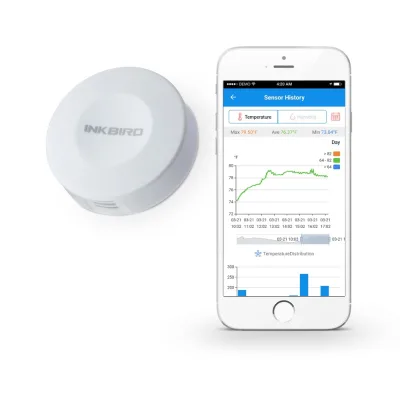


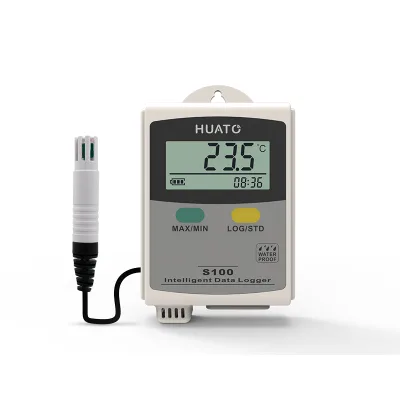


$90.00 - $120.00
MOQ: 1 Pieces


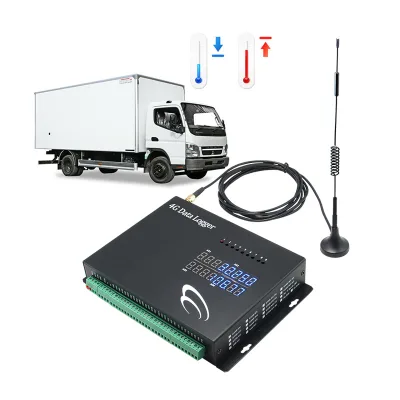
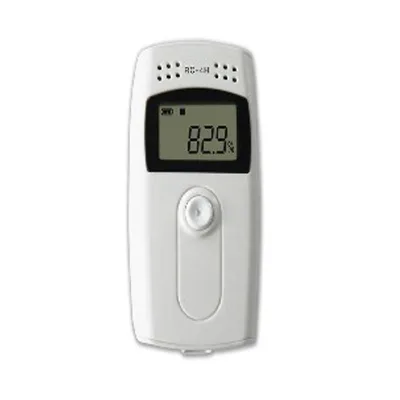


High Precision Multi-Channel Temperature Data Logger with Touch Screen
$100.00 - $599.00
MOQ: 1 Pieces

Comprehensive Sourcing Guide
Strategic Sourcing Guide for Cold Chain Temperature Data Loggers
The global supply chain increasingly relies on precise temperature monitoring to ensure product integrity, particularly in pharmaceuticals, food logistics, and biotechnology. A Cold Chain Temperature Data Logger is a critical device designed to record environmental conditions throughout the transportation and storage lifecycle. For procurement professionals, selecting the right unit involves navigating a complex landscape of technical specifications, regulatory compliance, and supplier capabilities. This guide provides a structured approach to sourcing these devices, grounded in observable market data and essential industry knowledge.
Technical Specifications and Performance Metrics
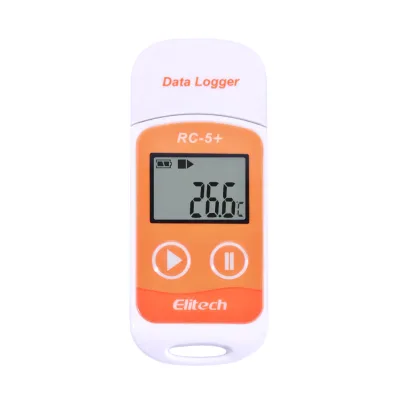
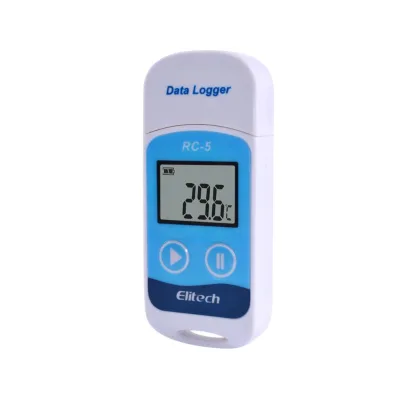
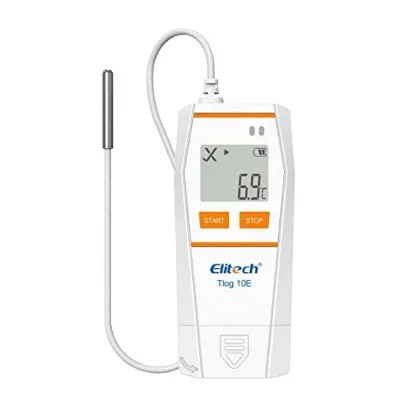
When evaluating cold chain temperature data loggers, buyers must prioritize accuracy, resolution, and environmental durability. The core function of these devices is to capture temperature fluctuations with high fidelity. Market observations indicate that high-performance units typically offer a temperature resolution of 0.1°C, allowing for the detection of minor deviations that could compromise sensitive cargo. Accuracy is equally critical; reliable loggers in the current market often maintain an accuracy within ±0.5°C across a broad operating range.
The operational temperature range is a primary filter for selection. Devices suitable for general cold chain applications often span from -40°C to +60°C, covering extreme freezing conditions and potential heat exposure during transit. For specific applications, such as frozen food or medical supplies, the range might be adjusted, but the -40°C to +60°C span represents a robust baseline for versatility. Humidity monitoring is another frequent requirement. Advanced models provide humidity accuracy ranging from ±3% to ±4.5%RH, with a measurement range covering 0% to 99%RH. This dual-parameter capability ensures that both thermal and moisture conditions are tracked, which is vital for products sensitive to condensation or desiccation.
Data storage capacity and reporting formats are equally significant technical considerations. Modern loggers are designed to store substantial datasets, with some units capable of holding up to 32,000 readings. This capacity ensures that even long-duration shipments or multi-leg journeys are fully documented without data loss. The output format is standardized for ease of analysis; buyers should expect data reports in PDF and CSV formats, facilitating integration with quality management systems and regulatory audits. Connectivity options vary, with some units featuring Bluetooth interfaces for wireless data retrieval, while others utilize USB 2.0 interfaces for direct wired connection to computers. The choice between wireless and wired depends on the specific workflow and the need for real-time monitoring versus post-shipment analysis.
Compliance and Certification Verification
Regulatory compliance is non-negotiable in the cold chain sector. Procurement teams must verify that suppliers provide products with recognized certifications. In the current market, a standard set of certifications includes ISO, CE, and RoHS. The ISO certification indicates adherence to international management standards, while CE marking confirms compliance with European health, safety, and environmental protection standards. RoHS compliance ensures that the device is manufactured without specific hazardous materials, which is essential for environmental regulations in many jurisdictions.
For specific industries, such as food and pharmaceuticals, additional certifications may be required. Some products in the market are noted to have FDA-related certification or compliance, which is crucial for products entering the United States market. Buyers must explicitly request proof of these certifications from the supplier rather than relying on marketing claims. The presence of an IP rating is another critical compliance factor for physical durability. An IP43 rating, for instance, indicates protection against solid objects larger than 1mm and water spray from any direction, making the device suitable for various transport environments. However, for more demanding conditions, higher IP ratings may be necessary, and buyers should verify the specific rating against their operational environment requirements.
Cost Drivers and Pricing Structures
The cost of cold chain temperature data loggers is influenced by several variables, including technology complexity, build quality, and customization options. Observed market data suggests a wide price range, with units available from low-cost options up to nearly $600 USD. This variance often reflects differences in features such as display types, memory capacity, and connectivity options. Units with no display may be more affordable, while those with LCD screens or advanced wireless capabilities command higher prices.
Minimum Order Quantity (MOQ) is another significant cost driver. The market exhibits a broad MOQ range, typically starting from 1 unit for sampling or small projects up to 5,000 units for large-scale procurement. Higher MOQs often correlate with lower unit costs, making bulk purchasing a strategic consideration for organizations with consistent logistics needs. Additionally, the cost of customization plays a role. Suppliers offering OEM (Original Equipment Manufacturer) support and custom branding can increase the unit price, but this value is often justified for enterprises requiring branded tracking solutions for their clients. Buyers should balance the initial unit cost against the long-term value of data integrity and brand reputation.
Typical Applications and Usage Scenarios
Cold chain temperature data loggers are deployed across a diverse array of industries, each with unique monitoring requirements. The primary application is in the pharmaceutical and healthcare sectors, where vaccines, biologics, and medications must be maintained within strict temperature ranges to remain effective. In these scenarios, the high accuracy and extensive data history capabilities of the loggers are essential for regulatory compliance and patient safety.
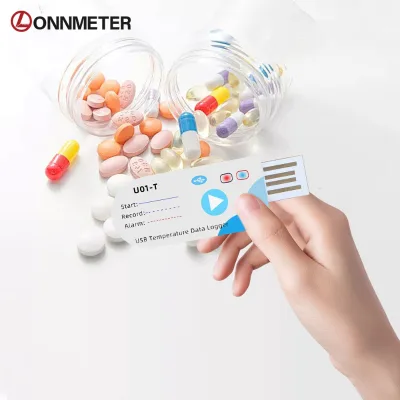
The food and beverage industry also relies heavily on these devices to monitor the freshness and safety of perishable goods. Whether transporting frozen meats, dairy products, or fresh produce, maintaining the correct temperature prevents spoilage and reduces waste. The "Widely" applicable nature of these loggers allows them to be used in various logistics chains, from warehouse storage to last-mile delivery. Some units are designed for single-use or disposable applications, which is cost-effective for short-duration shipments where the device is discarded after the trip. Others are reusable, offering a more sustainable and economical solution for frequent shippers. The choice between disposable and reusable units depends on the frequency of shipments and the total cost of ownership analysis.
Supplier Evaluation and Customization Capabilities
Selecting the right supplier requires a thorough evaluation of their technical capabilities and service offerings. Buyers should look for suppliers that provide clear documentation of their product specifications, including the model number, physical dimensions, and weight. For instance, a typical compact logger might measure 3.5cm by 1.05cm and weigh only 10g, making it easy to attach to pallets or individual packages without adding significant bulk. The origin of the product is also a factor; many high-quality loggers are manufactured in industrial hubs like Guangdong, China, which is known for its electronics manufacturing ecosystem.
Customization is a key differentiator among suppliers. Many manufacturers offer OEM services, allowing buyers to customize the device's appearance, branding, and even internal settings. The availability of customization options, such as specific packaging or data report formats, can streamline the procurement process for large enterprises. Buyers should verify the supplier's ability to meet specific customization requests, including the production of custom packaging and the integration of specific data interfaces. The supplier's response time and flexibility in handling custom orders are indicators of their reliability and customer service quality.
Quality Control and Long-Term Procurement Considerations
Quality control is paramount when sourcing cold chain monitoring devices. Buyers must ensure that the products undergo rigorous testing to verify their accuracy and durability. The presence of certifications like ISO, CE, and RoHS is a strong indicator of a supplier's commitment to quality. Additionally, the warranty period is a critical factor; a standard one-year warranty suggests confidence in the product's longevity and performance.
Long-term procurement considerations include the availability of spare parts, software updates, and technical support. As technology evolves, the ability to update firmware or access new data analysis tools is essential for maintaining the relevance of the purchased devices. Buyers should also consider the environmental impact of the devices, particularly regarding battery disposal and the recyclability of the units. Some loggers are powered by button batteries, which require proper disposal protocols. The single gross weight and packaging dimensions also impact logistics costs, so optimizing these factors can lead to significant savings over time.
| Feature | Observation from Market Data | Procurement Verification Point |
|---|---|---|
| Temperature Range | -40°C to +60°C | Verify specific range for application needs |
| Accuracy | ±0.5°C | Request calibration certificates |
| Data Capacity | Up to 32,000 readings | Confirm storage sufficiency for trip duration |
| Connectivity | Bluetooth or USB 2.0 | Ensure compatibility with existing systems |
| Certifications | ISO, CE, RoHS, FDA (some) | Request valid certification documents |
| Warranty | One year | Review terms and conditions for coverage |
| Customization | OEM available | Discuss branding and packaging requirements |
In conclusion, sourcing cold chain temperature data loggers requires a balanced approach that weighs technical specifications against cost and compliance requirements. By focusing on accuracy, data integrity, and supplier reliability, procurement professionals can secure solutions that protect product quality and ensure regulatory adherence. The diverse range of available options, from disposable units to highly customizable OEM devices, allows for tailored strategies that meet the specific needs of any cold chain operation.
FAQs
What certifications do cold chain temperature data loggers typically have?
These devices typically hold ISO, CE, and RoHS certifications to ensure compliance with international safety and environmental standards. Some models may also include FDA-related compliance for specific food and pharmaceutical applications requiring strict regulatory adherence in the United States.
How accurate are the temperature measurements for these loggers?
Reliable units offer a temperature accuracy of ±0.5°C with a resolution of 0.1°C across a broad range. This precision allows for the detection of minor fluctuations critical for maintaining the integrity of sensitive pharmaceuticals and perishable food items during transit.
Can I find loggers with Bluetooth connectivity for wireless data retrieval?
Yes, many models feature Bluetooth interfaces to enable wireless data transfer from the device to a smartphone or computer. This connectivity option supports efficient post-shipment analysis without the need for physical cables, though some units may rely on USB 2.0 interfaces instead.
What is the typical data storage capacity for these devices?
Modern loggers can store up to 32,000 readings to ensure comprehensive documentation of long-duration shipments. This high capacity prevents data loss during multi-leg journeys and supports the generation of detailed PDF and CSV reports for regulatory audits.
Which suppliers offer OEM customization for these temperature monitors?
Suppliers often provide OEM support to allow for custom branding and specific packaging requirements tailored to enterprise needs. This customization capability enables companies to integrate branded tracking solutions into their logistics workflows while maintaining data integrity and professional presentation.
What is the minimum order quantity for purchasing these loggers?
The minimum order quantity varies significantly, ranging from 1 unit for sampling to 5,000 units for large-scale procurement. Buyers should negotiate based on volume, as higher quantities often correlate with lower unit costs and better terms for bulk purchasing strategies.