Source Cold Light Whitening Dental Simulator for Clinics, Schools, and Hospitals
Find 30 Cold Light Whitening Dental Simulator units from verified suppliers. Compare models like UMG-II and DY-08G, check CE certifications, and review specifications for dental teaching and oral surgery applications; compare the available evidence and request quotations based on your requirements.
Key considerations
Products List


Dental Simulator Unit Medical School Use Oral Simulator with Light Single Dask
$1050.00 - $1200.00
MOQ: 1 Sets


Dental Tooth Whitening Cold Light Column Instrument Monochromatic Blue Light
$80.00 - $120.00
MOQ: 1 Pieces


Dental Equipment Electrical Dental Simulation Practice System Dental Simulator
$3800.00 - $4500.00
MOQ: 5 Pieces


Dentist Training Teaching Medical Simulator Dental Simulator Phantom Head Dental Simulator
$965.00 - $1023.00
MOQ: 1 Pieces


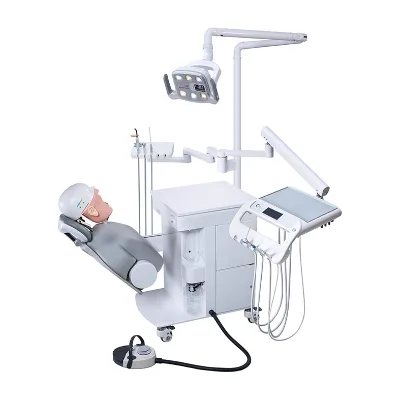
Movable Electrical Simulator Dental Teaching Machine with Sensor LED Lamp
$2000.00 - $2800.00
MOQ: 1 Pieces

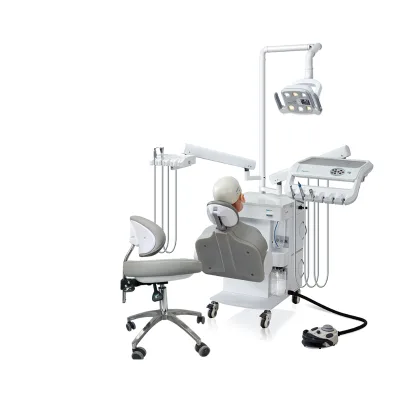


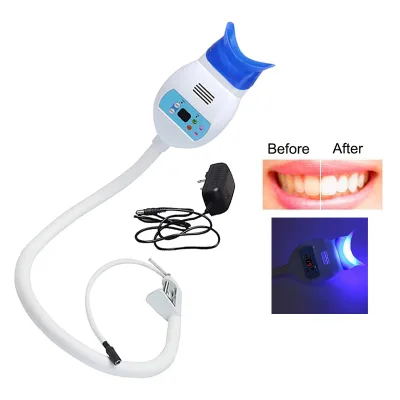
Hot Sales Dental Teeth Whitening Machine Clinic Dentist Whitening Equipment
$28.00 - $32.00
MOQ: 1 Pieces
Comprehensive Sourcing Guide
Cold Light Whitening Dental Simulator Sourcing Guide
Procuring a Cold Light Whitening Dental Simulator requires a clear distinction between educational training tools and clinical-grade equipment. The market offers various models, ranging from anatomical simulation units designed for teaching dental procedures to specialized LED devices intended for teeth whitening demonstrations. Buyers must first determine whether their primary need is for student training in oral surgery techniques or for showcasing cosmetic whitening protocols in a clinical setting. This distinction dictates the necessary hardware features, from the inclusion of multiple interface holes for surgical practice to the specific wavelength requirements for light-activated bleaching agents.
Understanding the product scope is critical because suppliers often list diverse items under similar categories. Observed listings indicate a wide range of product types, including anatomical models for dental teaching and specific whitening units with LED light arrays. Some products are explicitly labeled as simulation units for hospital or school use, while others focus on the technical aspects of light therapy, such as time control and voltage input. Buyers should carefully review product names and descriptions to ensure the selected device aligns with their specific instructional or operational goals, avoiding confusion between general dental training models and specialized cosmetic simulation tools.
Product Scope and Observed Listing Signals
The current market landscape for dental simulators includes a variety of configurations tailored to different educational and clinical needs. Listings frequently feature anatomical models made from metal or other durable materials, designed to withstand repeated use in teaching environments. These models often come with specific interface configurations, such as four holes, to simulate oral surgery procedures. Additionally, there are dedicated whitening units that incorporate LED technology, offering features like adjustable time controls and specific light wavelengths. Buyers should look for products that clearly specify their intended usage, whether for general dental education or specific cosmetic procedures, to ensure compatibility with their curriculum or service offerings.
Observed product attributes reveal significant variation in packaging and branding options. Many suppliers offer customization services, allowing buyers to add logos or modify product colors, which is particularly useful for institutional branding. Packaging ranges from standard shipping boxes to more protective wooden crates, depending on the fragility and value of the item. Some listings indicate a minimum order quantity of just one set or piece, making it accessible for small clinics or individual educators to test equipment before committing to larger purchases. This flexibility in ordering and customization allows buyers to tailor their procurement strategy to their immediate budget and branding requirements without being locked into large industrial orders.
Technical Specifications to Verify
When evaluating technical specifications, buyers must prioritize the electrical and operational parameters of the device. For whitening simulators, the input voltage range is a critical factor, with many units supporting AC 100-240V at 50-60Hz, ensuring compatibility with global power standards. The output voltage and power consumption, such as 4.7V output and 40VA capacity, should be verified to ensure safe operation and energy efficiency. Additionally, the number and type of LEDs are important; some units feature four blue light LEDs, while others may have eight LEDs with adjustable time controls ranging from one to thirty minutes. These specifications directly impact the device's performance and suitability for specific whitening protocols or training exercises.
Light wavelength and color options are equally important for whitening simulators. Buyers should verify the specific wavelength range, such as 460-490nm for blue light, which is commonly used in light-activated whitening procedures. Some devices offer multiple light colors, including blue, red, and purple, providing versatility for different treatment simulations. The time control features, allowing adjustments from five to thirty minutes, enable precise management of treatment durations. For anatomical models, the material composition, such as metal construction, and the condition of the product, typically new, should be confirmed to ensure durability and readiness for immediate use in high-traffic educational or clinical environments.
Compliance and Safety Documentation
Compliance with international standards is essential for dental equipment, particularly when used in educational or clinical settings. Buyers should verify that products carry recognized certifications, such as CE marking, which indicates conformity with health, safety, and environmental protection standards for products sold within the European Economic Area. Some listings also mention ISO certifications, suggesting adherence to quality management systems. It is crucial to request official certification documents from suppliers to validate these claims. Ensuring that the equipment meets these regulatory requirements protects the buyer from legal liabilities and ensures that the devices are safe for use by students, patients, and healthcare professionals.
In addition to certifications, buyers should inquire about the warranty and after-sales support provided by the supplier. A standard warranty period, such as one year, offers protection against manufacturing defects and ensures that the buyer has recourse if the device fails prematurely. Understanding the terms of the warranty, including what components are covered and the process for claims, is vital for long-term cost management. Buyers should also check if the supplier provides technical support or training materials to help users operate the equipment correctly. This support can enhance the effectiveness of the training or clinical services provided and reduce the risk of misuse or damage to the simulator.
Cost Drivers and Commercial Terms
Several factors influence the total cost of acquiring a Cold Light Whitening Dental Simulator. The complexity of the device, including the number of LEDs, the precision of the time control mechanisms, and the durability of the materials, directly impacts the price. Customization options, such as logo printing or specific color choices, may incur additional fees. Buyers should also consider the packaging requirements, as more robust packaging, like wooden boxes, may increase shipping costs but provide better protection during transit. Understanding these cost drivers allows buyers to make informed decisions about which features are essential and which can be omitted to stay within budget.
Commercial terms, including minimum order quantities (MOQ) and payment terms, play a significant role in the procurement process. Many suppliers offer low MOQs, such as one set or piece, which is beneficial for small-scale purchases or trial orders. However, buyers should be aware that larger orders may offer volume discounts, reducing the per-unit cost. It is important to clarify the shipping terms, including who is responsible for freight costs and insurance, to avoid unexpected expenses. Additionally, buyers should negotiate clear payment terms, such as advance payment or letters of credit, to ensure financial security and align payment schedules with delivery milestones.
Supplier Qualification and Quality Control
Selecting a reliable supplier is crucial for ensuring the quality and consistency of dental simulators. Buyers should verify the supplier's manufacturing capabilities and quality control processes. Suppliers based in regions like Hebei, China, often have established manufacturing infrastructures, but buyers should still conduct due diligence to confirm their production standards. Requesting samples before placing bulk orders allows buyers to assess the build quality, functionality, and compliance with specifications. This step helps identify any potential issues early in the procurement process, reducing the risk of receiving defective or substandard products.
Quality control should also extend to the packaging and labeling of the products. Buyers should ensure that the packaging is adequate to protect the devices during shipping and that all necessary documentation, such as user manuals and warranty cards, is included. Clear labeling with product models, serial numbers, and safety warnings is essential for proper identification and usage. Buyers should also inquire about the supplier's return and replacement policies in case of damage or defects upon arrival. Establishing a strong relationship with a supplier who prioritizes quality and customer service can lead to better pricing, faster delivery, and more reliable support in the future.
Long-Term Procurement Checks
Long-term procurement success depends on regular performance monitoring and supplier relationship management. Buyers should establish key performance indicators (KPIs) to track the reliability of the equipment, such as the frequency of maintenance required or the rate of product failures. Regular feedback from end-users, including dental students and clinicians, can provide valuable insights into the usability and effectiveness of the simulators. This feedback loop allows buyers to make informed decisions about future purchases, identifying which models or features are most valued and which may need to be replaced or upgraded.
Additionally, buyers should stay updated on industry trends and technological advancements in dental simulation equipment. Newer models may offer improved features, such as more precise light control or enhanced durability, which could provide better value over time. Maintaining open communication with suppliers can help buyers access early information about new products or promotions. Regularly reviewing contract terms and supplier performance ensures that the procurement strategy remains aligned with the organization's evolving needs. By proactively managing these aspects, buyers can optimize their investment in dental simulators and support high-quality education and clinical services.
FAQs
What is a Cold Light Whitening Dental Simulator used for?
A Cold Light Whitening Dental Simulator is used for dental teaching, allowing students and trainees to practice whitening procedures without treating real patients. Units in this listing are anatomical models designed for dental simulation training in hospitals, clinics, and schools. They are non-disposable teaching equipment, so the same unit can be reused across many training sessions, which keeps long-term teaching costs manageable for institutions.
Which models of Cold Light Whitening Dental Simulator are available?
Listed models include UMG-II, UMG-III, UMG-VI, UMG-VII, DY-05, DY-08G, DY-03L, DY-08T, JRDA-HV03, and Um-T1. These cover dental simulation units, whitening teeth LED lights, and related teaching equipment. Because configurations differ between models, buyers should confirm the exact model number, features, and packing format such as wooden box, carton box, or standard shipping package before placing an order with the supplier.
How does the LED whitening light work during training?
The whitening teeth LED light uses blue light in a wavelength range of 460-490nm, with configurations of 4 or 8 LED pieces depending on the model. Treatment time can be controlled or adjusted, typically between 5 and 30 minutes, and some models offer blue, red, or purple light modes. Power input is AC100-240V at 50-60Hz, so the unit works with standard clinic and training-room electrical supplies.
Can the Cold Light Whitening Dental Simulator be customized?
Yes, customization is available for these dental simulation products according to the listed product attributes. Buyers can discuss specific requirements with suppliers before ordering, though details such as logo printing may vary, since some listed units ship without logo printing. Customization scope, cost, and lead time should be confirmed in writing with the supplier, and buyers should also verify which certification applies to the customized configuration they need.
What certifications do these dental simulation products have?
The listed products carry CE certification, and some entries also indicate CE and ISO certification together. Certification matters for institutions purchasing teaching equipment, so buyers should request current certificate copies for the specific model they intend to order. Since certification claims are listed per product, confirm that the exact model, such as UMG-II or DY-08G, matches the certificate before finalizing a purchase agreement.
What is the minimum order quantity and packaging?
The minimum order quantity is low, with listed values of 1 set or 1 piece, which suits schools and clinics testing equipment before bulk purchases. Packaging options shown include wooden box, carton box, carton, and standard shipping package, with some units packed as 1 set per box. Buyers should confirm the packing format for their chosen model, since wooden boxes generally offer better protection for metal components during international shipping.
How should I choose between different simulator models?
Start by matching the model to your training purpose, since the range includes full dental simulation units like UMG-VII and standalone whitening LED lights like Um-T1. Check practical specifications such as power input, wavelength, LED count, and time control settings, along with packing type and warranty, which is listed as 1 year on some items. Confirm application settings too, as products are used in hospitals, clinics, and schools.
Where are these dental simulators manufactured and shipped from?
The listed products originate from Hebei, China (Mainland), which is a known production region for dental teaching equipment. Products are listed as new condition with non-disposable usage, and the brand shown is UMG. Buyers ordering internationally should confirm shipping terms, packing such as wooden box or carton, and lead time directly with the supplier, since these details can vary by model and destination.