Source Cold Rolled Compression Mouse and Rat Trap for Homes, Hotels, and Warehouses
Find and compare 30 Cold Rolled Compression Mouse and Rat Trap options from verified manufacturers. Evaluate ABS plastic snap traps designed for indoor and outdoor rodent control, featuring eco-friendly materials and customizable packaging for bulk procurement needs.
Key considerations
Products List


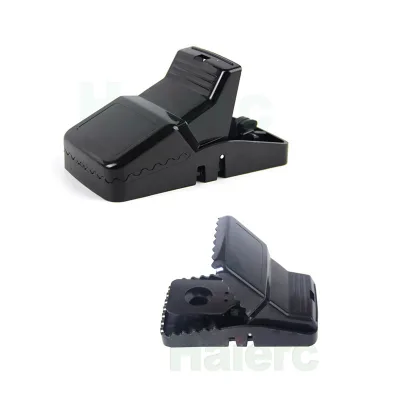

Efficient Rodent Trap for Rat and Mouse Control
$0.60 - $0.72
MOQ: 4000 Pieces
Dongguan Baikang Environmental Protection Technology Co., Ltd.


Indoor Pest Control Device Rodent Mouse Rat Trap for Safe Home and Indoor Space
$12.39 - $14.98
MOQ: 100 Pieces


Indoor and Home Electronic Mouse Rat Rodent Trap for Indoor Pest Control
$12.39 - $14.98
MOQ: 100 Pieces

Indoor Mouse Trap Rodent Rat Killer for Effective Pest Mouse Rat Rodent Control
$12.39 - $14.98
MOQ: 100 Pieces

Safe Indoor Electronic Rat Trap Rodent Mouse Trap for Effective Pest Zapper
$14.10 - $25.21
MOQ: 500 Pieces

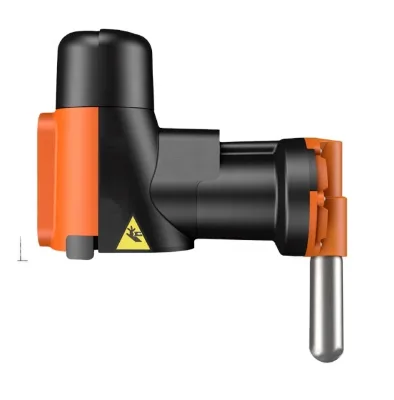
Comprehensive Sourcing Guide
Cold Rolled Compression Mouse and Rat Trap Sourcing Guide
The procurement of cold rolled compression mouse and rat traps requires a clear distinction between mechanical snap mechanisms and the specific material composition observed in current market listings. While the core keyword suggests a metal construction involving cold-rolled steel, the available product data indicates a significant prevalence of ABS and PP plastic variants designed for similar pest control functions. Buyers must recognize that "cold rolled compression" in this context often refers to the mechanical action of the spring-loaded snap mechanism rather than the primary housing material, which is frequently listed as solid plastic for durability and safety. This distinction is critical when evaluating product descriptions, as the term may be used to describe the trap's operational force rather than its physical build, necessitating a careful review of material specifications to ensure the device meets the intended durability and safety requirements for the target environment.
Sourcing decisions should be grounded in the specific pest type and application area, as the observed listings highlight a range of models designed for mice, rats, and general rodent control in diverse settings. The data confirms that these traps are marketed for use in hotels, dorm rooms, nursing homes, hospitals, and residential spaces, with some models explicitly noting an applicable area of less than 20 square meters. Procurement teams must align their selection with the specific infestation scale and location, as the physical form and size of the trap vary significantly between models, ranging from compact units measuring 9.84.65cm to larger configurations up to 22*17cm. Understanding these dimensional differences ensures that the selected traps fit the intended spaces without compromising on the effectiveness of the pest control strategy.
Product Scope and Observed Listing Signals
The current market landscape for these traps reveals a diverse array of product names and model numbers, indicating that buyers should not rely on generic titles alone to identify the correct unit. Listings include specific identifiers such as NRTP003A, NRTG001-3, and HC2206, each associated with distinct dimensions and packaging configurations. For instance, one model is listed with a standard size of 14.37.87.4cm and a packing quantity of 200 pieces per carton, while another variant measures 11.5*6cm with a much smaller packing unit of 12 pieces per bag. This variability suggests that the "cold rolled compression" functionality is distributed across multiple SKUs, and buyers must verify the exact model number against their specific operational needs to avoid receiving units that are either too large for confined spaces or insufficiently robust for heavy infestations.
Packaging and customization options are significant signals in the product scope, offering flexibility for buyers with specific branding or logistical requirements. The observed data shows that suppliers offer customized labeling and packing solutions, with some models available in bulk cartons of 50 or 100 pieces, while others are packaged in smaller bags for retail or specific facility use. The presence of "Eco-Friendly" and "Disposable" attributes in the product features suggests a focus on single-use or low-maintenance solutions, which aligns with the non-rechargeable nature of the devices. Buyers should leverage these customization capabilities to ensure that the packaging meets their internal logistics standards and that the product labeling complies with local regulations regarding pest control devices.
Technical Specifications to Verify
Material composition is the primary technical specification that requires rigorous verification, as the observed listings present a mix of ABS+PP plastic and pure ABS materials rather than exclusively metal constructions. While the core keyword implies a metal body, the actual product data confirms that many effective traps utilize high-strength plastics to achieve the necessary compression and snap action. Procurement teams must explicitly confirm whether the trap housing is plastic or metal, as this impacts the device's resistance to chewing, its weight, and its suitability for different environments. The presence of "Solid" physical form and "Disposable" features further indicates that the design prioritizes ease of disposal and hygiene over long-term reusability, which is a key differentiator from traditional metal traps.
Dimensional accuracy and functional specifications are equally critical, as the observed listings provide a wide range of sizes and single package dimensions that must match the intended application. Buyers should verify the exact length, width, and height of the trap, noting that sizes range from compact 14x7.5x7cm units to larger 18x15x10cm packages. Additionally, the functional attributes such as "rodent catch," "mouse trap," and "rat trap" must be cross-referenced with the specific pest type the buyer intends to control. The data also highlights that some models are designed for specific areas, such as those under 20 square meters, which necessitates a precise match between the trap's coverage area and the physical dimensions of the space where it will be deployed.
Compliance and Safety Documentation
Safety and compliance documentation for these traps should focus on the material safety and the mechanical integrity of the spring-loaded mechanism, as the products are designed for use in sensitive environments like hospitals and nursing homes. Although specific certification names are not provided in the observed data, buyers must request evidence that the materials used, such as ABS and PP plastics, are non-toxic and safe for indoor use. The "Eco-Friendly" and "Disposable" claims should be supported by documentation confirming that the materials are free from harmful chemicals that could pose a risk to humans or pets, especially in settings where vulnerable populations reside.
Documentation regarding the mechanical safety of the trap is essential to prevent accidental injury during handling and deployment. Buyers should verify that the spring mechanism is designed to minimize the risk of accidental triggering and that the trap includes safety features to protect users from the compression force. The "Non-Rechargeable" status and "Not Applicable" charger designation confirm that the device relies on a mechanical spring, which simplifies the safety profile but requires clear instructions on safe handling. Procurement teams should ensure that the supplier provides user manuals and safety warnings that clearly outline the proper placement and disposal procedures to mitigate any potential hazards associated with the trap's operation.
Cost Drivers and Commercial Terms
The cost of these traps is influenced by several factors, including the material composition, the complexity of the spring mechanism, and the level of customization required for packaging and labeling. The observed MOQ range of 100 to 50,000 units indicates that buyers can scale their orders based on their volume needs, with lower MOQs suitable for smaller facilities or trial orders. The price range observed in the market, spanning from $0.11 to $56.06, reflects the diversity in product specifications, with higher prices likely corresponding to larger sizes, more robust materials, or specialized customization features. Buyers should analyze the cost per unit in the context of the trap's durability and effectiveness, rather than focusing solely on the lowest price point.
Commercial terms such as packing configurations and lead times are critical variables that affect the total cost of ownership and supply chain efficiency. The data shows varied packing options, including 200 pieces per carton, 50 pieces per carton, and 12 pieces per bag, which can impact shipping costs and storage requirements. Buyers should negotiate terms that align with their logistical capabilities, ensuring that the packing density maximizes container utilization while minimizing damage during transit. Additionally, the "Manufacturer, Trading" company type suggests that buyers may have the option to work directly with the production facility or through a trading company, each offering different advantages in terms of pricing, communication, and supply chain flexibility.
Supplier Qualification and Quality Control
Supplier qualification should prioritize manufacturers with a proven track record in producing pest control devices, as evidenced by their ability to offer customized labeling and packaging solutions. The observed data indicates that suppliers are located in key manufacturing hubs such as Zhejiang and Tianjin, China, which are known for their plastic and metal processing capabilities. Buyers should verify the supplier's production capacity and quality control processes to ensure consistency in the mechanical performance of the traps, particularly the reliability of the spring mechanism and the durability of the plastic housing. The presence of "Stocked" items suggests that some suppliers maintain inventory, which can be beneficial for urgent procurement needs.
Quality control measures must include rigorous testing of the trap's mechanical function and material integrity to ensure that each unit performs as expected. Buyers should request test reports or quality assurance documentation that confirms the trap's ability to effectively catch the target pest without failure. The "Disposable" and "Eco-Friendly" attributes should be validated through material safety data sheets and environmental compliance certificates. Additionally, the supplier's ability to provide customized solutions, such as specific branding or packaging, indicates a level of flexibility and attention to detail that is essential for maintaining high-quality standards in the final product.
Long-Term Procurement Checks
Long-term procurement strategies should focus on establishing a reliable supply chain that can consistently deliver high-quality traps that meet the evolving needs of the buyer's pest control program. Buyers should monitor the supplier's ability to maintain consistent product specifications, particularly regarding material quality and mechanical performance, over time. The observed range of models and sizes suggests that suppliers have the capacity to adapt to different requirements, but buyers must ensure that any changes in product design or material composition are communicated and approved before implementation. Regular audits of the supplier's production processes and quality control systems can help maintain the integrity of the supply chain.
Performance tracking and feedback loops are essential for optimizing the long-term effectiveness of the pest control program. Buyers should establish metrics to evaluate the success of the traps in different environments, such as the rate of pest capture and the frequency of false triggers. This data can inform future procurement decisions, allowing buyers to adjust their order quantities, select different models, or negotiate better terms based on actual performance. By maintaining a close relationship with the supplier and continuously evaluating the product's effectiveness, buyers can ensure that their pest control strategy remains robust and cost-effective over the long term.
FAQs
What materials are used in these plastic mouse traps?
The traps are constructed from durable ABS and PP plastic materials. This combination ensures structural integrity and resistance to breakage during use. The solid physical form provides a reliable mechanism for catching mice and rats effectively in various indoor and outdoor settings.
Can the product label be customized for my brand?
Yes, customized labeling is available for these traps. Manufacturers offer tailored packaging solutions to meet specific branding requirements. This service allows buyers to enhance product recognition and ensure compliance with local market labeling standards while maintaining the core functionality of the pest control device.
What is the typical packaging quantity per carton?
Packaging quantities vary by model, with options including 200 pieces per carton or 50 pieces per carton. Some variants are packed as 12 pieces per bag with 480 bags per carton. These flexible packing options help optimize shipping volume and storage efficiency for bulk orders.
Where are these mouse traps manufactured?
These traps are manufactured in China, specifically in regions such as Zhejiang and Tianjin. The production facilities are located in Haining, Zhejiang, ensuring access to established supply chains. This origin supports consistent quality control and efficient logistics for international B2B buyers seeking reliable sourcing partners.
What is the minimum order quantity for these traps?
The minimum order quantity starts at 100 units. This low MOQ allows buyers to test market demand with minimal initial investment. Higher volumes are available for larger procurement needs, offering scalability for distributors and retailers looking to stock these eco-friendly and disposable pest control solutions.
Are these traps rechargeable or disposable?
These traps are non-rechargeable and designed for disposable use. They are classified as eco-friendly solid traps intended for single-use applications. This design simplifies disposal and maintenance, making them suitable for high-turnover environments like hotels, hospitals, and residential areas where hygiene is a priority.