Source Colorful Whirling Plastic Toy Windmill for parks, events, and play
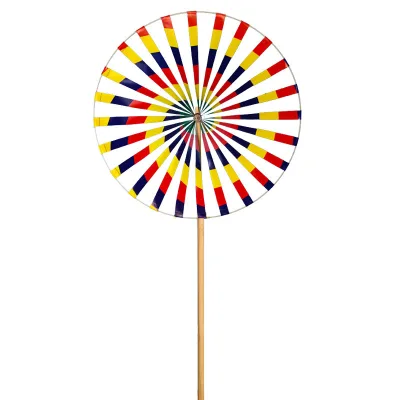
Compare 30 listings of Colorful Whirling Plastic Toy Windmill from verified suppliers. Buyers can evaluate specifications, pricing, and customization options for outdoor play and promotional events. These items feature plastic construction, various age ranges, and customizable logos suitable for wholesale purchasing.
Key considerations
Products List
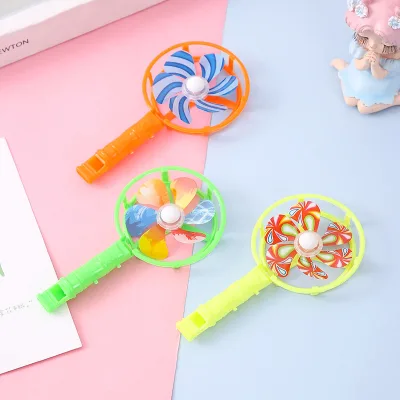
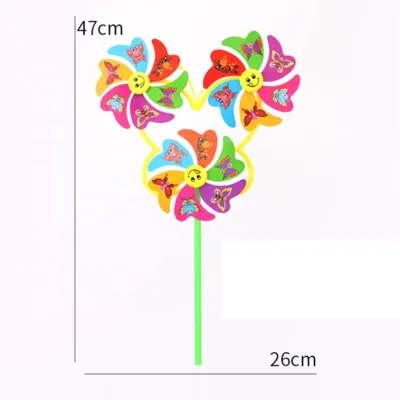
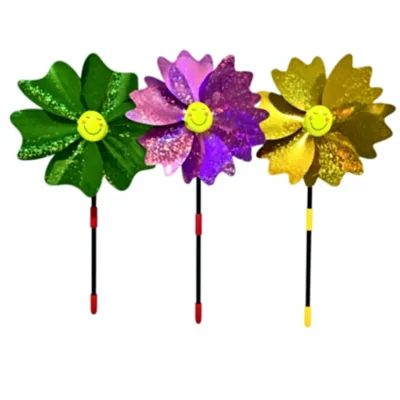
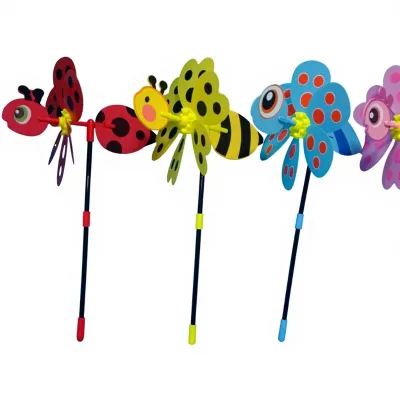


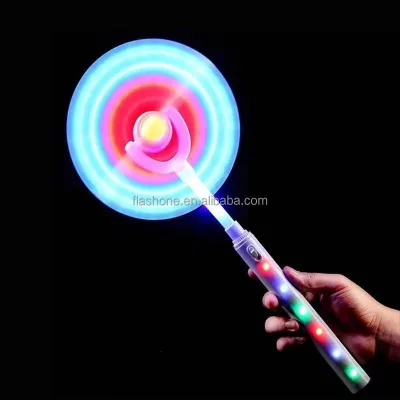
New Rotating Flash Windmill Colorful Rotating Flash Stick Children's Outdoor Festival Flash Toy
$1.69 - $1.82
MOQ: 1000 Pieces
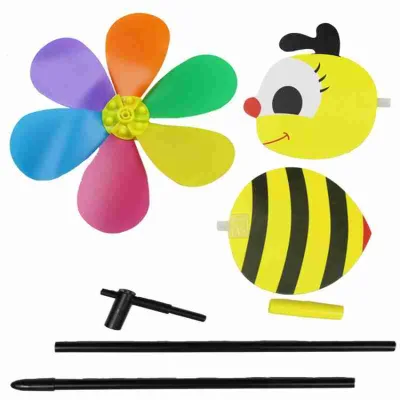
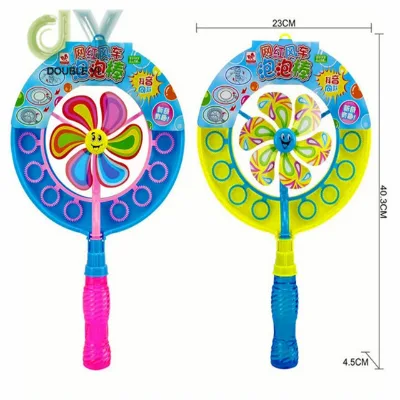
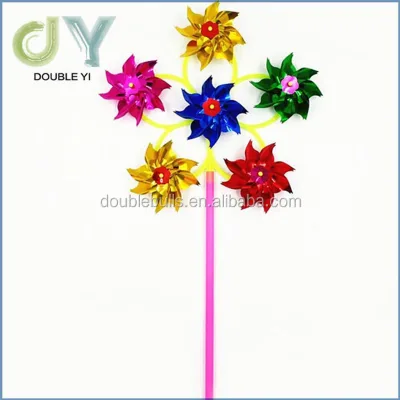
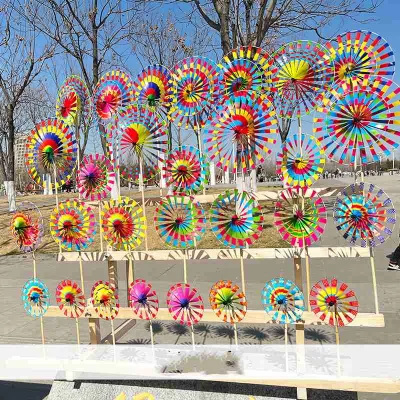
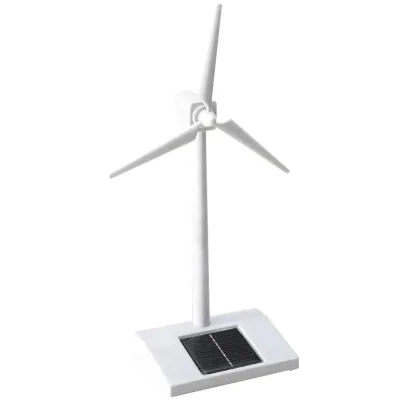

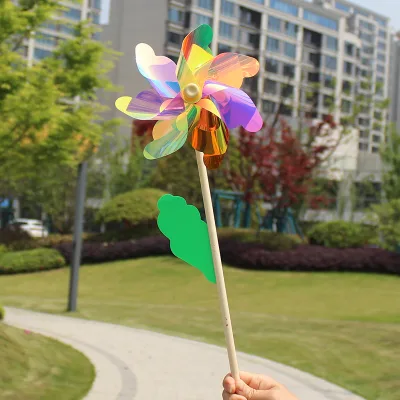
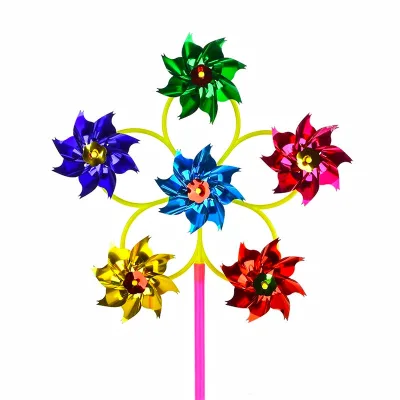
Plastic Rainbow Pinwheel Wind Spinner Garden Decoration Toy Colorful Windmill Ez29691
$0.60 - $0.78
MOQ: 100 Pieces
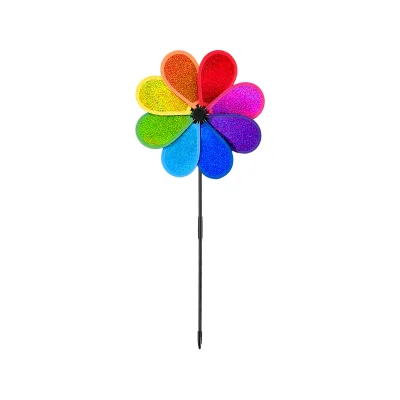
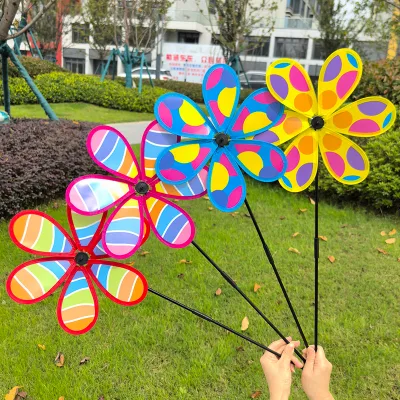
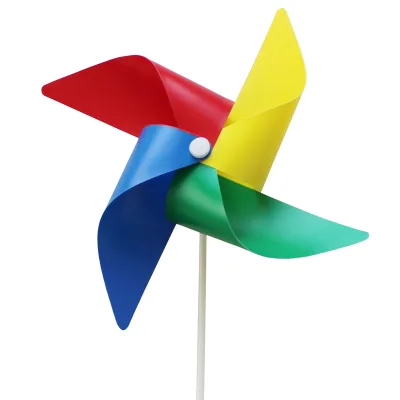
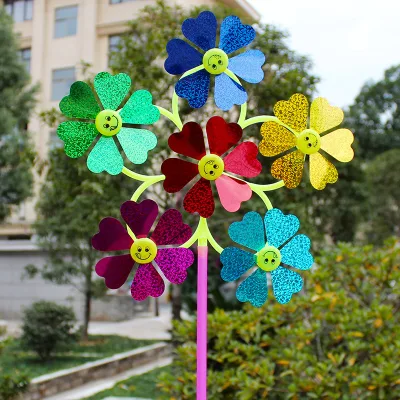
Comprehensive Sourcing Guide
Colorful Whirling Plastic Toy Windmill Sourcing Guide
Buyers evaluating this category must first distinguish between simple decorative items and functional play tools, as the observed listings reveal a mix of hand-press fans and standard wind-driven spinners. The product descriptions explicitly mention "cartoon hand press fan" and "kids outdoor windmill toy," indicating that some units rely on manual operation while others function via wind. This distinction is critical for procurement, as the intended play mechanism dictates the required durability of the plastic components and the complexity of the internal axle assembly.
Sourcing teams should also note the significant variance in packaging dimensions and gross weights, which range from lightweight single items to bulkier packages weighing up to 15 kg. These physical discrepancies suggest that some suppliers offer single retail units while others provide bulk shipping configurations that may include multiple units per carton. Understanding these logistical differences is essential for accurate freight cost estimation and warehouse space planning before finalizing any purchase order.
Product Scope and Observed Listing Signals
The market for these toys demonstrates a broad age segmentation, with listings targeting children from 3 years old up to teenagers, though specific product models often narrow this to ranges like 5 to 7 years or 8 to 13 years. Procurement specialists must verify that the specific model selected aligns with the target demographic, as the "hand-press" mechanism may be more suitable for younger children while larger "big sequin" versions might appeal to older kids. Misalignment between the product's physical design and the intended age group can lead to safety concerns or low customer satisfaction.
Visual customization is a prominent feature in this category, with suppliers offering multi-color options and the ability to print custom logos on the plastic blades. The observed data confirms that "logo printed is welcome" and that colors can be customized, allowing brands to create unique visual identities for their outdoor toy lines. However, buyers must ensure that the customization process does not compromise the structural integrity of the plastic or the vibrancy of the colors, which are key selling points for these items.
Technical Specifications to Verify
Dimensional accuracy is a primary technical concern, as the observed single package sizes vary significantly from 23.5 cm to 60 cm in length, and product sizes are listed as 11.9 cm by 6.5 cm. Buyers must request precise technical drawings for the specific model number, such as BL079808 or BL244851, to confirm that the blade span and handle length meet the design requirements for the intended market. Inconsistent dimensions can lead to packaging inefficiencies and potential safety issues if the toy is too large or too small for the target age group.
Material composition and weight are equally critical, with the primary material identified as plastic and single gross weights ranging from 0.05 kg to 15.000 kg depending on the packaging configuration. Procurement teams should verify the specific type of plastic used, as this affects the toy's resistance to breakage and its ability to withstand outdoor conditions. The substantial weight variance in the data suggests that some listings include heavy packaging or multiple units, so buyers must clarify whether the weight refers to the single unit or the entire shipping carton.
Compliance and Safety Documentation
Safety compliance is non-negotiable for toys intended for children, and the observed listings mention ISO certification as a potential quality indicator. Buyers must explicitly request current test reports that verify the product meets the specific safety standards of the destination market, such as ASTM F963 for the United States or EN71 for Europe. Relying solely on a general "ISO" mention is insufficient, as this certification often applies to the management system rather than the specific toy product safety.
Age grading and choking hazard warnings must be clearly documented on the product and its packaging to ensure regulatory adherence. The data shows age ranges from 3+ years to 14 years and up, which implies that some models may contain small parts unsuitable for younger children. Suppliers must provide clear labeling that matches the specific model's design, ensuring that the "3 Ages+" or "5 to 7 years" designation is accurate and supported by the physical dimensions of the components.
Cost Drivers and Commercial Terms
Pricing in this category is influenced by the complexity of the design, the volume of customization, and the specific packaging requirements. The observed price range of 0.04 to 58 USD indicates a wide disparity between basic single items and potentially larger, more complex sets or bulk orders. Buyers should analyze the cost per unit based on the specific MOQ, as the data shows minimum order quantities ranging from 1 to 5000, which significantly impacts the final landed cost.
Payment terms and logistics costs are also major factors, with T/T (Telegraphic Transfer) listed as a standard payment method and packaging sizes varying from small bags to large cartons. The "Single gross weight" of 15 kg for some listings suggests that shipping costs can be substantial if the buyer does not optimize the container load. Procurement teams must negotiate terms that account for these weight and volume variables to avoid unexpected freight charges that could erode profit margins.
Supplier Qualification and Quality Control
Supplier capability is evidenced by their willingness to accept OEM and ODM requests, as well as their ability to customize logos and colors. The presence of "OEM/ODM: welcome" and "Customization: Available" in the data suggests that many suppliers are equipped to handle branded orders, but buyers must verify their production capacity to ensure they can meet large volume demands without compromising quality. A supplier's ability to handle customization is a strong indicator of their operational flexibility and technical expertise.
Quality control processes should be rigorously defined, focusing on the consistency of the plastic molding and the durability of the windmill blades. Buyers should request samples to test the "hand press" mechanism and the spinning action to ensure the toy functions as described in the product name. Additionally, verifying the "Shelf Life" of 12 months mentioned in the data is important to ensure that the plastic does not degrade or become brittle over time, which could lead to product failure during use.
Long-Term Procurement Checks
Sustainability and material longevity are becoming increasingly important for long-term procurement strategies in the toy industry. Buyers should inquire about the recyclability of the plastic used and whether the supplier has plans to reduce environmental impact in their manufacturing processes. While the current data does not specify eco-friendly materials, proactive buyers can use this as a differentiator to align with modern consumer expectations for sustainable products.
Supply chain resilience is another critical factor, as the "Place of Origin" is listed as Guangdong, China, a region known for high manufacturing volume but also subject to logistical fluctuations. Buyers should establish contingency plans for potential disruptions, such as verifying the supplier's ability to maintain lead times and inventory levels during peak seasons. Regular audits and performance reviews will help ensure that the supplier continues to meet quality and delivery standards over the long term.
FAQs
What materials are used for the Colorful Whirling Plastic Toy Windmill?
The Colorful Whirling Plastic Toy Windmill is manufactured using durable plastic materials. This construction ensures the toy is lightweight and safe for children. The product is designed as a solid form suitable for outdoor play. Buyers can expect consistent material quality across the inventory. The plastic composition supports the colorful design and windmill functionality effectively.
Can I customize the logo on the Colorful Whirling Plastic Toy Windmill?
Yes, you can customize the logo on the Colorful Whirling Plastic Toy Windmill. The supplier welcomes OEM and ODM requests for branding. Logo printing is available to meet specific marketing needs. This customization option allows businesses to add their unique identity. The process supports tailored packaging and product labeling for retail purposes.
What is the minimum order quantity for the Colorful Whirling Plastic Toy Windmill?
The minimum order quantity for the Colorful Whirling Plastic Toy Windmill varies by model. Observed MOQs range from 240 to 5000 units depending on the specific item. Some models have an MOQ of 420 units. Buyers should check the specific model requirements before placing an order. This flexibility accommodates different business sizes and inventory needs.
Which certifications apply to the Colorful Whirling Plastic Toy Windmill?
The Colorful Whirling Plastic Toy Windmill holds ISO certification. This indicates adherence to specific quality management standards. Buyers can verify this certification for compliance requirements. The certification supports trust in the manufacturing process. It is a key factor for international trade and safety assurance.
Where is the Colorful Whirling Plastic Toy Windmill manufactured?
The Colorful Whirling Plastic Toy Windmill is manufactured in Guangdong, China. This location is a major hub for toy production. Buyers can source directly from this region for efficient logistics. The place of origin is clearly documented for transparency. This geographic detail helps in calculating shipping and import duties.
What age range is suitable for the Colorful Whirling Plastic Toy Windmill?
The Colorful Whirling Plastic Toy Windmill is suitable for children aged 3 years and up. Specific models target age ranges from 2 to 4 years. Other variants are appropriate for children aged 5 to 7 years. Some products are also suitable for ages 8 to 13 years. This wide range ensures suitability for various developmental stages.