Source Anti-UV Wooden Climbing Structure for Parks Schools
Compare 30 Anti-UV Wooden Climbing Structure options from verified Chinese manufacturers. These durable metal and steel units feature CE and GS certifications, suitable for indoor and outdoor use in parks, schools, and family settings; compare the available evidence and request quotations based on your requirements.
Key considerations
Products List


Climbing Cubes and Rope Structures for Physical Development of Indoor Playground
$68.00 - $230.00
MOQ: 10 Square Meters


China Real Wood Adventures Outdoor Wooden Climb House for Backyard Fun
$200.00 - $480.00
MOQ: 50 Pieces

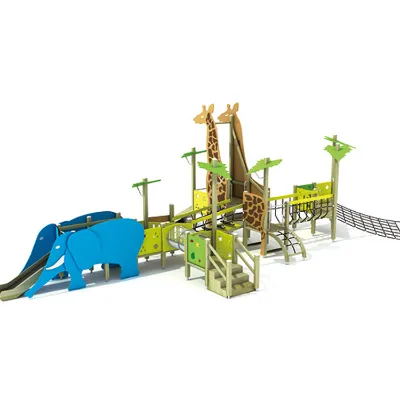
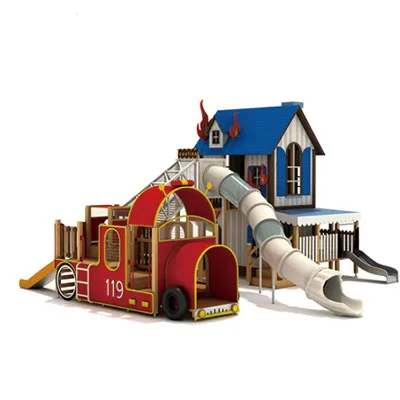

Rooftop Terrace Wooden Slide & Climbing Frame for Residential Complexes
$2000.00 - $7000.00
MOQ: 1 Pieces

Heavy-Duty Wooden Slide and Climbing Frame for City Community Playgrounds
$2000.00 - $7000.00
MOQ: 1 Pieces


![[Safety Tool] Climber for Climbing Tree Wooden or Cement Pole (with rubber) Made of High Strength Seamless Steel Tubes](https://image.made-in-china.com/221f0j00SkWqMVAyiKuj/-Safety-Tool-Climber-for-Climbing-Tree-Wooden-or-Cement-Pole-with-rubber-Made-of-High-Strength-Seamless-Steel-Tubes.webp)

Comprehensive Sourcing Guide
Anti-UV Wooden Climbing Structure Sourcing Guide
Procuring anti-UV wooden climbing structures requires a strategic balance between aesthetic durability and structural safety for commercial or institutional environments. Buyers must prioritize suppliers who demonstrate expertise in treating natural timber to withstand prolonged sun exposure without compromising the material’s integrity. The core challenge lies in selecting wood species that naturally resist rot and insect damage while accepting specialized coatings that block ultraviolet radiation. This ensures the structure maintains its visual appeal and structural soundness over years of outdoor use.
The sourcing process involves evaluating multiple dimensions, including the type of wood, the quality of the UV-resistant finish, and the complexity of the climbing design. Buyers should verify that the supplier uses pressure-treated lumber or naturally durable species such as cedar or teak, which are commonly specified for outdoor playgrounds. Additionally, understanding the specific UV protection mechanism, whether it is a penetrating oil or a surface sealant, is critical for long-term maintenance planning. This guide outlines the essential steps for identifying reliable suppliers and ensuring the final product meets rigorous safety and performance standards.
Product Scope and Observed Listing Signals
Market listings for wooden climbing structures often highlight specific material compositions and customization options that directly impact procurement decisions. Observed data indicates a wide range of product models, with some suppliers offering fully customized designs based on client requirements. The presence of certifications such as CE and GS suggests that many manufacturers adhere to European safety standards, which is a strong indicator of quality control. Buyers should note that while some listings mention metal components, the core focus remains on wooden elements treated for outdoor durability.
The observed price range is extensive, reflecting variations in size, complexity, and material quality. Smaller or simpler structures may be priced at the lower end, while large, multi-level climbing frames with extensive UV protection can command significantly higher prices. Minimum order quantities vary, with some suppliers requiring bulk purchases for custom designs, while others offer single-unit orders for standard models. This variability necessitates a clear definition of project requirements before engaging with suppliers to ensure accurate quoting and lead time estimation.
Technical Specifications to Verify
Technical verification begins with confirming the wood species and the specific treatment methods used to achieve anti-UV properties. Buyers must request detailed specifications regarding the thickness of the timber and the type of finish applied, ensuring it is suitable for the local climate. The structural design should include rounded edges and secure fastening mechanisms to prevent injury, which is a standard requirement for playground equipment. Additionally, the dimensions of the structure must be verified against the available installation space to ensure proper fit and safety zones.
It is crucial to assess the load-bearing capacity and the stability of the climbing structure under dynamic conditions. Suppliers should provide engineering drawings or structural calculations that demonstrate compliance with relevant safety standards. The installation method, whether it involves direct ground mounting or requires a concrete foundation, must be clearly defined. Buyers should also inquire about the availability of replacement parts, such as bolts or climbing holds, to facilitate future maintenance and repairs.
Compliance and Safety Documentation
Compliance with international safety standards is non-negotiable for wooden climbing structures intended for public or commercial use. Buyers must verify that the supplier holds valid certifications, such as CE or GS, which indicate adherence to strict safety and quality requirements. These certifications often require third-party testing of the structure’s stability, material toxicity, and mechanical strength. Documentation should include test reports that confirm the anti-UV coating does not release harmful substances, ensuring the safety of children and users.
In addition to product certifications, buyers should request a comprehensive safety manual that outlines installation procedures, inspection routines, and maintenance guidelines. This manual should specify the recommended frequency of checks for structural integrity and the condition of the UV coating. Suppliers who provide detailed compliance documentation demonstrate a commitment to safety and reduce the liability risk for the buyer. It is also advisable to check if the supplier offers liability insurance or warranties that cover structural failures or material defects.
Cost Drivers and Commercial Terms
Several factors influence the final cost of an anti-UV wooden climbing structure, including the size of the unit, the complexity of the design, and the quality of the materials. Custom designs typically incur higher costs due to the additional engineering and manufacturing time required. The type of wood and the extent of the UV treatment also play significant roles in pricing, with premium species and advanced coatings commanding higher prices. Buyers should request a detailed breakdown of costs to understand where the majority of the investment is allocated.
Commercial terms such as payment options, shipping methods, and lead times are critical components of the procurement process. Suppliers often offer flexible payment terms, such as letters of credit or telegraphic transfers, to accommodate different buyer preferences. Shipping costs can vary significantly depending on the size and weight of the structure, with ocean shipping being a common option for large units. Buyers should clarify who is responsible for import duties and local delivery to avoid unexpected expenses.
Supplier Qualification and Quality Control
Evaluating supplier qualifications involves assessing their manufacturing capabilities, quality control processes, and track record in the industry. Buyers should request evidence of past projects, including photos and client references, to verify the supplier’s ability to deliver high-quality wooden climbing structures. It is important to inquire about the supplier’s quality control procedures, including inspections at various stages of production, to ensure consistency and adherence to specifications. Suppliers with robust quality control systems are more likely to deliver products that meet safety and durability standards.
Additionally, buyers should assess the supplier’s after-sales support and warranty policies. A reliable supplier will offer a comprehensive warranty that covers structural defects and material failures, providing peace of mind for the buyer. It is also beneficial to choose suppliers who provide installation support or training, ensuring that the structure is set up correctly and safely. Building a long-term relationship with a qualified supplier can lead to better pricing, priority service, and access to new product innovations.
Long-Term Procurement Checks
Long-term procurement success depends on establishing a framework for ongoing performance monitoring and supplier evaluation. Buyers should implement a regular inspection schedule to assess the condition of the wooden structure, focusing on signs of wear, UV degradation, or structural loosening. This proactive approach helps identify potential safety issues early and extends the lifespan of the investment. Maintaining detailed records of inspections and maintenance activities is essential for compliance and liability management.
Suppliers should be periodically reviewed based on their responsiveness, product quality, and ability to meet changing requirements. Building a relationship with a trusted supplier can facilitate future purchases and ensure continuity in product quality and safety standards. Buyers should also stay informed about updates to safety standards and industry best practices, ensuring that their procurement strategies remain aligned with current regulations. This continuous improvement mindset helps mitigate risks and maximizes the value of the procurement investment over time.
FAQs
Can the climbing structure be customized for specific playground designs?
Yes, customization is available for the climbing structure. The supplier offers design services according to your specific requirements, allowing for tailored solutions. This ensures the equipment fits your unique space and aesthetic needs while maintaining safety standards and structural integrity for children aged 3-12 years.
What certifications ensure the safety of this playground equipment?
The equipment holds multiple safety certifications including CE, GS, EN71, ASTM F963, ASTM F1148, and CPSIA. These standards verify compliance with international safety regulations for children's products. Buyers can rely on these documented certifications to ensure the climbing structure meets rigorous quality and safety requirements for global markets.
What is the typical warranty period for this metal climbing frame?
The product comes with a one-year warranty. This coverage provides assurance for the metal construction and structural components. Buyers should note that the service life is estimated at 5-8 years depending on usage and maintenance. The warranty supports long-term reliability for indoor and outdoor installation environments.
Which certifications are required for the allowable passenger capacity?
The allowable passenger capacity is certified under GS and CE standards. These specific certifications validate the structural load limits and safety margins for users. This ensures that the climbing structure can safely accommodate the intended number of children simultaneously, providing a secure environment for aerobic exercise and leisure activities in various settings.
What packaging methods are used for shipping the climbing structure?
Packaging options include polybag with carbon, bubble paper with mat, or carton. These methods protect the metal components during ocean shipping, air transportation, or express delivery. The choice depends on the specific model and size, ensuring the equipment arrives undamaged and ready for direct hold assembling at the destination site.
What payment options are accepted for bulk orders of this equipment?
Accepted payment options include L/C and T/T. These standard financial instruments facilitate secure transactions for bulk purchases. Buyers can negotiate terms based on order volume and supplier agreements. This flexibility supports international trade logistics, ensuring smooth financial processing for large-scale playground installations in schools, parks, or commercial venues.