Source Eco Friendly Wooden Spinning Top for Kids, Schools, Events
Compare 30 Eco Friendly Wooden Spinning Top options from verified Chinese manufacturers. Buyers can evaluate materials like beech and solid wood, customization features, and supply capabilities ranging from 1000 to 10 million pieces monthly; compare the available evidence and request quotations based on your requirements.
Key considerations
Products List


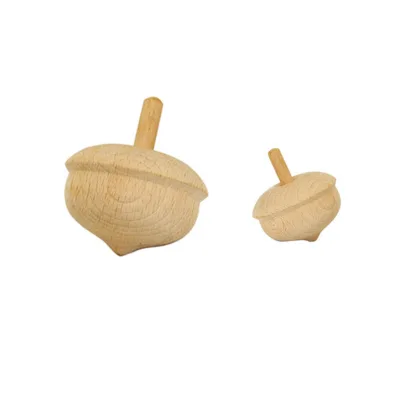
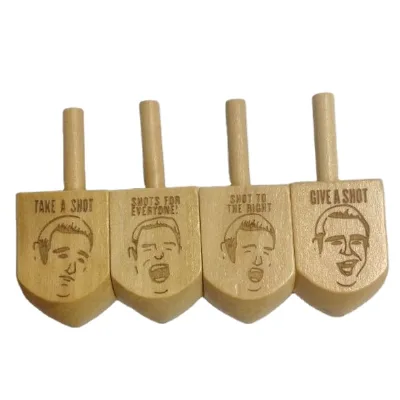

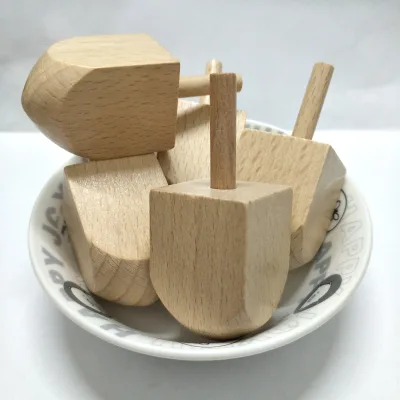
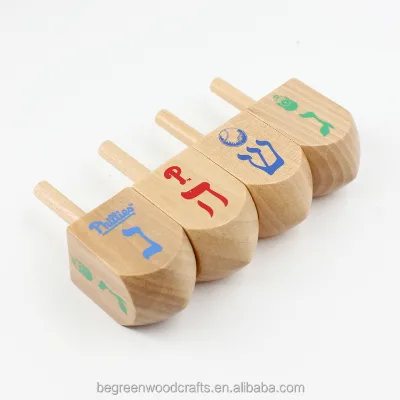
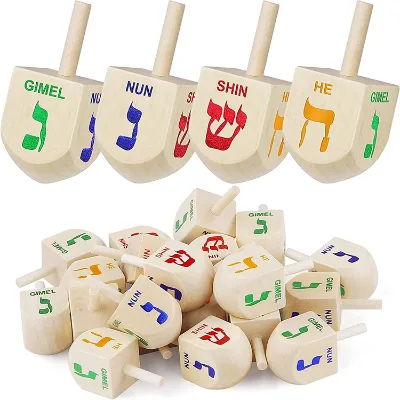

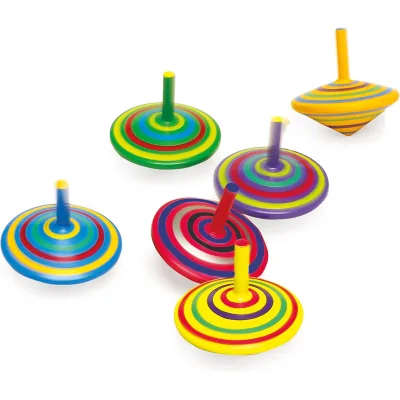
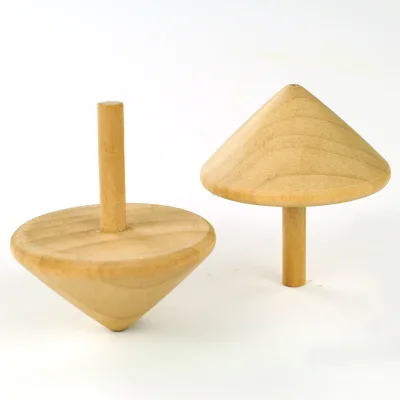
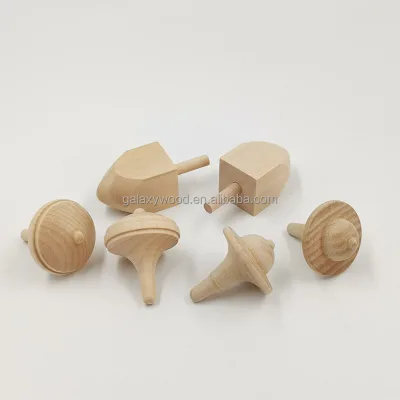
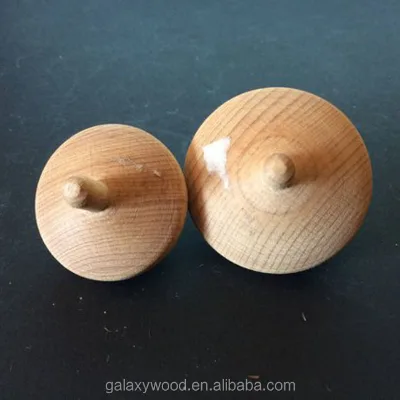
Classic Wooden Tops Natural Wood Color Spinning Top Funny Toy Spin Tops for Kids
$0.21 - $0.31
MOQ: 500 pieces
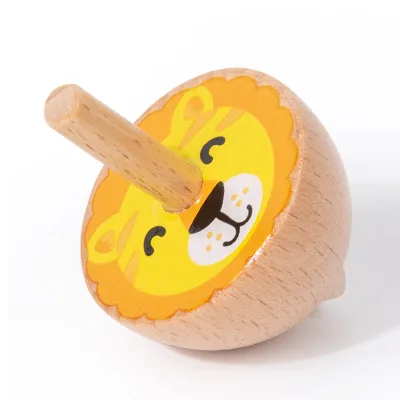



Comprehensive Sourcing Guide
Eco Friendly Wooden Spinning Top Sourcing Guide
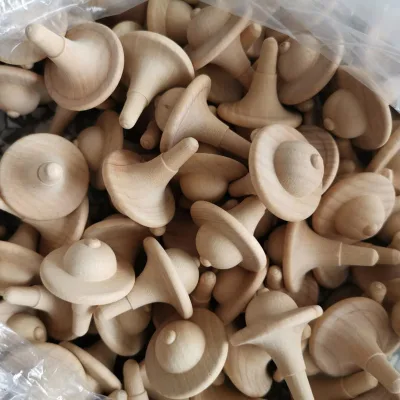
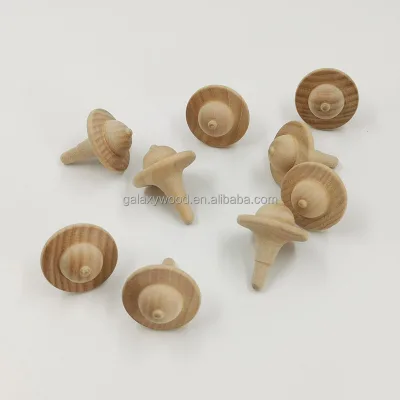
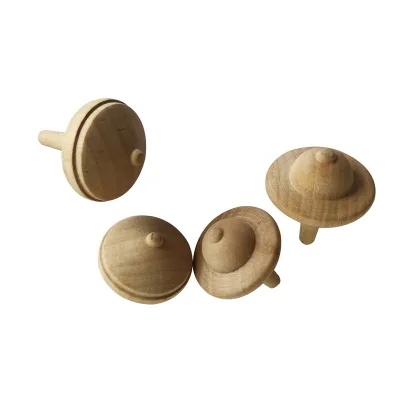
Buyers seeking sustainable playthings should prioritize products explicitly defined by solid wood or beech wood construction to ensure genuine eco-friendly credentials. The observed market listings confirm that these items are typically crafted from natural materials like beech wood, offering a non-plastic alternative that aligns with green procurement goals. Sourcing teams must verify that the material designation matches the physical product, as some listings may ambiguously reference wood while containing mixed components.
Procurement strategies should focus on suppliers who provide clear evidence of the wood source and processing methods to maintain the integrity of the eco-friendly claim. The available data indicates that these tops often feature a natural or beige color palette, emphasizing the raw material rather than synthetic dyes. Buyers should request material safety data sheets to confirm that any printed designs or surface treatments do not introduce hazardous substances, ensuring the final product remains safe for children and the environment.
Product Scope and Observed Listing Signals
The current market for wooden spinning tops reveals a diverse range of specifications, including models designed for various age groups from toddlers to teenagers. Listings indicate that these toys are often categorized as DIY toys or handheld items, suggesting they may require assembly or offer interactive customization options for the end user. Buyers should note that while some products are marketed as miniatures, others have larger dimensions, requiring careful selection based on the intended play environment and target demographic.
Commercial signals show significant variation in packaging and branding, with some suppliers offering polybag packaging while others utilize paper boxes for a more premium presentation. The observed supply capabilities range from 100,000 to 10,000,000 pieces per month, indicating a mix of small workshops and large-scale manufacturers. Procurement teams must distinguish between these capacity levels to match order volumes with supplier reliability, ensuring that the chosen partner can consistently meet demand without compromising on the quality of the wooden components.
Technical Specifications to Verify
Technical due diligence requires precise verification of physical dimensions, as observed listings show sizes ranging from 2.5 inches to specific metric measurements like 4.5 centimeters. Buyers must confirm the exact diameter and height of the spinning top to ensure compatibility with storage solutions and play areas, as discrepancies in listed versus actual size can lead to logistical issues. The weight of individual units also varies, with some items weighing as little as 0.06 kg while others reach 0.2 kg, affecting shipping costs and handling requirements.
Surface finish and customization options are critical technical factors that influence the final product quality and market appeal. The observed data highlights that surfaces are typically polished and printed, with options for engraved or customized logos available upon request. Sourcing managers should validate that the printing inks used are non-toxic and that the polishing process does not leave sharp edges, ensuring the product meets safety standards while maintaining the aesthetic appeal of the natural wood grain.
Compliance and Safety Documentation
Safety compliance is paramount for wooden toys intended for children, requiring verification of adherence to international standards for mechanical and physical safety. While specific certification names like FSC are mentioned in background contexts, buyers must demand current test reports confirming that the wood and any applied finishes meet relevant safety regulations for the target market. It is essential to ensure that the product does not contain harmful chemicals, particularly given the direct contact with children's hands and potential for oral contact during play.
Documentation should also cover the origin of the wood to verify sustainable forestry practices and ethical sourcing claims. Buyers should request proof of origin from regions like Shanxi or Guangdong, China, and confirm that the supply chain does not involve deforestation or illegal logging. Ensuring that the supplier can provide a chain of custody for the beech or solid wood used is crucial for maintaining the eco-friendly narrative and avoiding reputational risks associated with unsustainable material sourcing.
Cost Drivers and Commercial Terms
Cost structures for wooden spinning tops are heavily influenced by the type of wood used, the complexity of the surface printing, and the level of customization required. The observed minimum order quantities vary significantly, ranging from 3 pieces to 3,000 pieces, which allows for flexibility but also requires careful financial planning to optimize unit costs. Buyers should negotiate based on the specific model number and packaging requirements, as paper box packaging typically incurs higher costs than simple polybagging.
Commercial terms must account for sample lead times and production capacity, which can impact the overall timeline and cash flow. The data suggests sample times of 3 to 10 days, while supply abilities can reach millions of pieces monthly, indicating that large orders may require advance scheduling. Procurement teams should clarify payment terms and shipping logistics, including the port of dispatch, to avoid unexpected delays and ensure that the total landed cost remains within budget while maintaining the desired quality standards.
Supplier Qualification and Quality Control
Supplier qualification should focus on verifying production capabilities and quality control systems to ensure consistent output of high-quality wooden toys. Buyers must assess whether the supplier has the infrastructure to handle the specific customization requests, such as logo engraving or specific color variations, without compromising the structural integrity of the wood. It is advisable to conduct on-site audits or request detailed quality assurance protocols to confirm that the polishing and printing processes are standardized and monitored.
Quality control measures should include random sampling and inspection of finished goods to check for defects like splinters, uneven printing, or incorrect dimensions. Given the variation in single gross weights and package sizes observed in the market, suppliers must have robust packaging procedures to prevent damage during transit. Establishing clear acceptance criteria and defect thresholds before production begins is essential to minimize returns and ensure that every unit meets the buyer's expectations for durability and safety.
Long-Term Procurement Checks
Long-term procurement success depends on establishing a reliable supply chain that can adapt to changing market demands and regulatory requirements. Buyers should maintain regular communication with suppliers to monitor any changes in wood availability, pricing, or production capacity that could affect future orders. Building a relationship based on transparency and mutual benefit will help secure priority production slots and favorable terms during periods of high demand or material scarcity.
Continuous performance monitoring is necessary to ensure that the supplier consistently delivers products that meet the established eco-friendly and safety standards. Buyers should periodically review supplier performance metrics, including on-time delivery rates, defect rates, and responsiveness to quality issues. By maintaining a proactive approach to supplier management, organizations can mitigate risks and ensure a steady supply of high-quality wooden spinning tops that align with their sustainability goals and brand values.
FAQs
What materials are used for these wooden spinning tops?
These spinning tops are crafted from solid beech wood and other wood types. The products feature a natural or beige color with polished and printed surfaces. They are designed as DIY toys suitable for all ages, ensuring a safe and eco-friendly play experience for children.
Can I customize the logo on the wooden spinning tops?
Yes, customization is available for these wooden spinning tops. Buyers can request engraved or customized logos on the product. The OEM service is welcomed, allowing brands to personalize the items with their specific designs while maintaining the high-quality solid wood construction.
What is the minimum order quantity for these toys?
The minimum order quantity varies by supplier but typically starts at 1000 pieces. Some listings indicate an MOQ of 3 pieces, while others require up to 3000 pieces. Buyers should verify specific supplier requirements as the standard MOQ often depends on the customization level requested.
How long does it take to receive samples?
Sample times generally range from 3 to 10 days depending on the supplier. Some vendors offer samples within 3 to 5 days, while others may require 7 to 10 days for preparation. This timeline allows buyers to inspect the quality and specifications before placing a larger bulk order.
Where are these wooden spinning tops manufactured?
These products originate from China, specifically from regions like Shanxi and Guangdong. The goods are dispatched from ports such as Shenzhen. This location ensures efficient logistics for international buyers seeking eco-friendly wooden toys with reliable supply chain capabilities.
What packaging options are available for these toys?
Packaging options include paper boxes, polybags, or single item packaging. Some products come in a paper box while others are packed individually in a polybag. The single package size varies, typically ranging from 6x5x4 cm to 13x11x5 cm, ensuring safe transport for the wooden spinning tops.
What is the supply capacity for these wooden toys?
Suppliers can provide up to 100,000 pieces per month, with some capable of 10,000,000 pieces monthly. This high capacity ensures that bulk orders can be fulfilled efficiently without significant delays. Buyers can rely on these manufacturers to meet large volume demands for the global market.