Source Commercial Adjustable Lat Pull Machine for Gyms
Find a Commercial Adjustable Lat Pull Machine from 30 verified listings. Compare steel tube thickness, weight stacks, and customization options for home gyms, commercial facilities, and community centers. Evaluate power sources, certifications, and lead times to ensure the selected equipment meets your specific strength training requirements and operational standards.
Key considerations
Products List

Lat Pulldown Machine Gym Machine Commercial Lat Pulldown with Seated Row
$488.00 - $528.00
MOQ: 10 Pieces


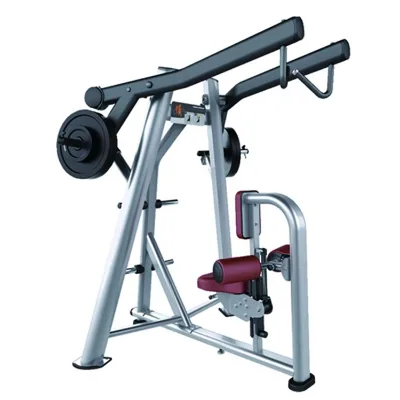
Commercial Fitness Equipment Hammer Strength ISO-Lateral Front Lat Pulldown
$465.00 - $505.00
MOQ: 5 Pieces




Comprehensive Sourcing Guide
Commercial Adjustable Lat Pull Machine Sourcing Guide
Procuring commercial-grade adjustable lat pull machines requires a strategic approach that balances structural integrity with ergonomic versatility. Buyers must prioritize equipment that supports high-frequency usage in busy gym environments while offering customizable resistance profiles for diverse client needs. The market offers various configurations, from standalone cable units to integrated trainer systems, each presenting distinct advantages for facility layout and user experience. Understanding these variations is essential for making informed purchasing decisions that align with specific operational goals and budget constraints.
This guide outlines the critical factors influencing procurement success, including technical verification, compliance documentation, and supplier evaluation. By focusing on observable listing signals and concrete specifications, buyers can mitigate risks associated with quality inconsistencies and hidden costs. The following sections provide a structured framework for evaluating potential suppliers and products, ensuring that the final selection meets rigorous commercial standards. This disciplined approach helps secure durable equipment that enhances member satisfaction and supports long-term business growth in the competitive fitness industry.
Product Scope and Observed Listing Signals
The current market landscape for commercial adjustable lat pull machines reveals a diverse range of options tailored to different facility types. Listings frequently highlight products suitable for home gyms, commercial gymnasiums, parks, and community centers, indicating a broad application scope. Buyers should note that while some units are marketed for universal use, others are specifically designed for heavy-duty commercial environments. Observing these distinctions helps in selecting equipment that matches the intended usage intensity and spatial requirements of the target facility.
Price ranges observed in listings vary significantly, reflecting differences in material quality, brand reputation, and included features. Buyers must carefully examine product attributes such as customization options, logo availability, and packaging details to understand the total value proposition. Some suppliers offer OEM services and customized logos, which are crucial for branding purposes in commercial settings. Additionally, the presence of specific model numbers and dimensions in listings provides a baseline for comparing physical footprint and compatibility with existing gym infrastructure.
Technical Specifications to Verify
Verifying technical specifications is paramount to ensuring the durability and functionality of the purchased equipment. Key attributes to confirm include the material composition, typically steel, and the tube thickness, which directly impacts structural stability under load. Buyers should also check the maximum weight stack capacity, as this determines the resistance range available to users. Accurate dimensions, such as length, width, and height, are essential for planning floor space and ensuring safe operation within the designated area.
Power source and functional classification are other critical technical details that influence user experience and maintenance requirements. Most commercial units operate manually, relying on weight stacks or resistance bands for exercise execution. Buyers should verify the type of machine, whether it is a standalone lat pull-down cable machine or an integrated gym trainer, as this affects the variety of exercises supported. Additionally, confirming the folded versus unfolded state helps in assessing storage efficiency and installation complexity, particularly for facilities with limited space.
Compliance and Safety Documentation
Compliance with international safety and quality standards is non-negotiable for commercial fitness equipment. Buyers must ensure that suppliers provide valid certification documents, such as CE and ISO marks, which attest to the product's adherence to rigorous manufacturing and safety protocols. These certifications are crucial for liability protection and ensuring that the equipment meets the regulatory requirements of the destination market. Without proper documentation, facilities risk facing legal challenges and potential safety hazards for their members.
RoHS compliance is another important consideration, particularly regarding the materials used in construction. This standard ensures that hazardous substances are restricted in the manufacturing process, contributing to a safer environment for both users and maintenance staff. Buyers should request detailed compliance reports and verify their authenticity with the issuing bodies. Additionally, understanding the product's origin and the supplier's commitment to quality control processes can provide further assurance of safety and reliability in the final product.
Cost Drivers and Commercial Terms
Understanding the cost drivers and commercial terms is essential for effective budget management and negotiation. Factors such as material quality, customization options, and packaging methods significantly influence the final price. Buyers should also consider the minimum order quantity (MOQ) requirements, which can range from small batches for testing to larger volumes for full facility outfitting. Negotiating favorable terms, such as flexible payment structures and clear delivery schedules, can enhance cash flow and operational planning.
Business terms like FOB and CIF define the responsibilities and costs associated with shipping and logistics. Buyers must clarify these terms to avoid unexpected expenses related to freight, insurance, and customs clearance. Payment terms, often involving a deposit and balance upon shipment, should be clearly defined in the contract to protect both parties. Additionally, lead times for production and sample availability are critical for planning installation schedules and ensuring timely delivery to meet opening deadlines or equipment replacement cycles.
Supplier Qualification and Quality Control
Evaluating supplier qualification and quality control processes is vital for securing reliable and consistent product deliveries. Buyers should assess the supplier's experience, production capacity, and reputation in the fitness equipment industry. Requesting references and reviewing past performance can provide insights into the supplier's reliability and commitment to quality. Additionally, verifying the supplier's ability to handle OEM requests and customized packaging ensures that the final product aligns with brand identity and logistical needs.
Quality control measures, including pre-shipment inspections and material testing, are crucial for maintaining product standards. Buyers should inquire about the supplier's internal quality assurance protocols and their approach to addressing defects or discrepancies. Establishing clear communication channels and agreeing on inspection criteria before production begins can help prevent issues and ensure that the delivered equipment meets specified requirements. A proactive approach to quality management fosters trust and reduces the risk of costly returns or replacements.
Long-Term Procurement Checks
Long-term procurement success depends on establishing robust relationships and continuous performance monitoring. Buyers should implement regular check-ins with suppliers to address any emerging issues and explore opportunities for product improvements or new acquisitions. Maintaining open communication and providing feedback on product performance can help suppliers refine their offerings and better meet market demands. Additionally, staying informed about industry trends and technological advancements ensures that the facility remains competitive and attractive to members.
Reviewing warranty terms and after-sales support services is essential for managing long-term maintenance and repair costs. Buyers should ensure that suppliers offer comprehensive warranty coverage and accessible technical support to address any operational challenges. Developing a preventive maintenance schedule and training staff on proper equipment usage can extend the lifespan of the machinery and reduce downtime. By prioritizing these long-term considerations, buyers can maximize the return on investment and sustain high-quality fitness experiences for their clients.
FAQs
What certifications do commercial adjustable lat pull machines typically have?
Most commercial adjustable lat pull machines carry CE certification to ensure safety and compliance with international standards. Some models also include ISO and RoHS certifications, indicating adherence to strict environmental and quality management protocols. Buyers should verify specific certification documents with suppliers before placing orders to ensure regulatory compliance in their target markets.
Can I customize the logo on a Commercial Adjustable Lat Pull Machine?
Yes, customization is widely available for commercial adjustable lat pull machines. Suppliers typically offer OEM services, allowing buyers to apply their own customized logo to the equipment. This service supports brand visibility for gym owners and distributors. Buyers should confirm the customization process and any associated costs with the manufacturer during the inquiry phase.
What is the typical lead time for manufacturing these machines?
The typical lead time for manufacturing commercial adjustable lat pull machines is within 45 days. This timeframe allows for production, quality control, and preparation for shipment. Buyers should plan their inventory and installation schedules accordingly. Expedited options may be available depending on the supplier's current production capacity and the specific customization requirements of the order.
What materials are used in constructing these strength machines?
Commercial adjustable lat pull machines are primarily constructed from high-quality steel to ensure durability and stability during heavy use. The tube thickness is often specified at 3mm, providing robust structural integrity. This material choice supports the machine's function as a strength training device suitable for both commercial gymnasium and home use environments.
What are the standard packaging options for shipping these machines?
Standard packaging options for commercial adjustable lat pull machines include plywood cases, cartons, or polybags with wooden pallets. These methods protect the equipment during transit and ensure safe delivery to the destination. Buyers should specify their preferred packaging type to avoid damage. Customized packaging solutions may also be available for specific logistical requirements or branding purposes.
What is the minimum order quantity for these gym equipment machines?
The minimum order quantity for commercial adjustable lat pull machines varies by supplier, typically ranging from 1 to 10 pieces. Some manufacturers may require a standard MOQ of 10 pieces, while others might accept orders as low as 2 pieces. Buyers should check the specific MOQ requirements of each supplier to align with their procurement volume and budget constraints.