Source Commercial Belt Drive Elliptical Trainer for Gyms, Clubs, and Fitness Centers
Explore 30 Commercial Belt Drive Elliptical Trainer options featuring magnetic resistance and leather belt transmission. Buyers can compare specifications like flywheel weight, step distance, and drive systems for professional gym and club applications.
Key considerations
Products List


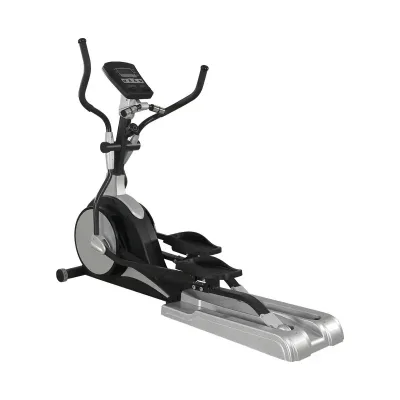

Commercial Gym Equipment Fitness Elliptical Machine Home Elliptical Trainers
$975.00 - $1090.00
MOQ: 30 Pieces




Comprehensive Sourcing Guide
Commercial Belt Drive Elliptical Trainer Sourcing Guide
Sourcing commercial-grade elliptical trainers requires a disciplined approach to technical verification and supplier qualification, particularly when targeting equipment designed for high-traffic gym environments. The market offers a variety of models, but distinguishing between consumer-grade and true commercial units is critical for long-term operational success. Buyers must focus on core mechanical attributes such as drive systems, resistance mechanisms, and structural integrity to ensure the equipment can withstand the rigorous demands of professional fitness clubs. This guide provides a structured framework for evaluating these machines based on observed market data and established industry standards, helping procurement teams make informed decisions that balance performance, durability, and cost-efficiency.
The following sections outline the essential steps for evaluating commercial elliptical trainers, from understanding product scope to verifying long-term supplier reliability. By adhering to these evidence-based criteria, buyers can mitigate risks associated with poor build quality, non-compliant certifications, and inadequate after-sales support. The focus remains strictly on observable product attributes and verifiable commercial terms, ensuring that every sourcing decision is grounded in factual data rather than marketing claims. This methodical approach allows procurement professionals to build a robust supply chain that supports the specific needs of their fitness facilities.
Product Scope and Observed Listing Signals
The current market landscape for elliptical trainers reveals a diverse range of models, with observed listings indicating a price range from $1 to $2,999 USD and minimum order quantities (MOQs) varying between 1 and 64 units. This wide variance suggests that buyers will encounter everything from entry-level home units to heavy-duty commercial machines, necessitating careful filtering based on specific facility requirements. The presence of models with distinct specifications, such as the KT37, BCE103, HSE30, CT-02, and CT01, highlights the importance of matching technical attributes to the intended user base and usage intensity. Buyers should not assume that all listed ellipticals are suitable for commercial use; instead, they must scrutinize each model’s specifications to determine its suitability for high-volume environments.
Observed product attributes provide valuable insights into the construction and functionality of these machines. For instance, several models feature magnetic self-power-generating systems, leather belt transmissions, and variable magnetic resistance, which are hallmarks of smoother, quieter, and more durable commercial equipment. The presence of certifications such as CE, RoHS, and ISO indicates a baseline level of regulatory compliance, while specific standards like EN-957 point to adherence to European safety norms for stationary training equipment. Additionally, details regarding packing methods, such as export plywood wooden cases with EPE foam or carton packaging with foam, offer clues about the manufacturer’s attention to product protection during transit, which is crucial for preventing damage during international shipping.
Technical Specifications to Verify
When evaluating elliptical trainers, the drive system and resistance mechanism are paramount indicators of performance and longevity. Commercial units typically utilize a belt drive system, which offers quieter operation and reduced maintenance compared to chain or direct-drive mechanisms. Buyers should verify the transmission mode, looking for leather belts or similar high-quality materials that ensure smooth motion and durability under heavy use. The resistance mechanism, often magnetic in commercial models, allows for precise tension control, with some units offering 16-step or variable magnetic adjustment systems. These features enable users to customize their workout intensity effectively, a key requirement for professional gym settings where diverse user needs must be accommodated.
Structural dimensions and weight capacities are equally critical for ensuring safety and compatibility with facility layouts. The standard dimensions for some observed models include lengths around 2050mm to 2100mm, widths near 660mm to 810mm, and heights up to 1800mm, providing ample stride space for users of varying heights. Buyers must also check the user maximum weight capacity, which ranges from 120kg to 150kg in observed listings, to ensure the equipment can safely support the intended demographic. Furthermore, the flywheel weight, observed between 6kg and 20kg, influences the smoothness of the elliptical motion, with heavier flywheels generally providing a more natural and stable feel. Verifying these specifications against the facility’s space constraints and user demographics is essential for optimal equipment selection.
Compliance and Safety Documentation
Compliance with international safety and quality standards is non-negotiable for commercial fitness equipment. Buyers must verify that suppliers provide valid certification documents, such as CE, RoHS, and ISO marks, which indicate adherence to European health, safety, and environmental protection standards. Specifically, the EN-957 standard is crucial for elliptical trainers, as it outlines specific safety requirements for stationary training equipment used in commercial settings. Ensuring that the equipment meets this standard helps mitigate liability risks and ensures that the machines are safe for public use. Buyers should request copies of these certificates and verify their authenticity with the issuing bodies to avoid fraudulent documentation.
In addition to certifications, buyers should assess the manufacturer’s quality management systems and production standards. The presence of ISO9001 certification suggests that the supplier follows a systematic approach to quality control throughout the manufacturing process. This standardization can lead to more consistent product quality and fewer defects, which is vital for maintaining a reliable inventory of fitness equipment. Buyers should also inquire about the testing procedures employed by the supplier, including stress tests and durability assessments, to ensure that the equipment can withstand the rigors of commercial use. While specific test results may not be publicly available, understanding the supplier’s quality assurance protocols provides valuable insight into the reliability of the products.
Cost Drivers and Commercial Terms
Understanding the factors that influence the cost of commercial elliptical trainers is essential for effective budgeting and negotiation. Key cost drivers include the complexity of the drive system, the quality of materials used in construction, and the level of customization available. Models with advanced features, such as Bluetooth connectivity to apps like Spax and Zwift, or variable magnetic adjustment systems, may command higher prices due to the added technology and engineering involved. Additionally, the gross and net weights of the equipment, observed between 114kg and 144kg, impact shipping costs, which can be a significant portion of the total procurement expense for international buyers.
Commercial terms, including minimum order quantities (MOQs) and payment conditions, also play a crucial role in the overall cost structure. Observed MOQs range from 1 to 64 units, offering flexibility for buyers with varying inventory needs. However, larger orders may provide opportunities for volume discounts, which can significantly reduce the per-unit cost. Buyers should negotiate these terms carefully, considering factors such as lead times, shipping methods, and after-sales support. Clear communication regarding these commercial terms helps avoid unexpected costs and ensures a smooth procurement process. Additionally, buyers should consider the total cost of ownership, including maintenance and potential repairs, when evaluating the long-term value of the equipment.
Supplier Qualification and Quality Control
Selecting a reliable supplier is as important as selecting the right equipment. Buyers should prioritize suppliers with a proven track record in manufacturing commercial fitness equipment, particularly those based in established manufacturing hubs like Guangzhou, Guangdong, China. These regions often have mature supply chains and experienced manufacturers who understand the specific requirements of the global fitness market. Verifying the supplier’s business credentials, including their registration details and export history, helps ensure that they are a legitimate and stable partner. Buyers should also assess the supplier’s ability to provide customization options, as this can be a valuable differentiator for facilities with unique branding or functional needs.
Quality control measures implemented by the supplier are critical for ensuring product consistency and reliability. Buyers should inquire about the supplier’s quality assurance processes, including incoming material inspections, in-process checks, and final product testing. Suppliers who adhere to international standards like ISO9001 are more likely to have robust quality control systems in place. Additionally, buyers should consider requesting sample units for evaluation before placing large orders, allowing them to assess the build quality, performance, and finish of the equipment firsthand. Establishing a clear communication channel with the supplier for addressing any quality issues or concerns is also essential for maintaining a productive and trustworthy business relationship.
Long-Term Procurement Checks
Ensuring the long-term viability of the procurement relationship requires ongoing monitoring and evaluation. Buyers should establish key performance indicators (KPIs) to track supplier performance, including on-time delivery rates, product defect rates, and responsiveness to customer service inquiries. Regularly reviewing these metrics helps identify potential issues early and allows for proactive management of the supply chain. Additionally, buyers should stay informed about industry trends and technological advancements in elliptical trainer design, ensuring that their equipment remains competitive and relevant to their users’ needs. This continuous learning process helps buyers make informed decisions about future procurement cycles and equipment upgrades.
Finally, buyers should prioritize suppliers who offer comprehensive after-sales support, including warranty coverage, spare parts availability, and technical assistance. A strong after-sales support system ensures that any issues with the equipment can be resolved quickly and efficiently, minimizing downtime and maintaining user satisfaction. Buyers should clarify the terms of the warranty and the process for claiming support before finalizing any purchase agreements. By focusing on long-term partnership and support, buyers can build a resilient supply chain that supports the ongoing success of their fitness facilities. This strategic approach to procurement helps maximize the value of the investment and ensures a positive experience for both the facility and its members.
FAQs
What certification does the elliptical trainer have?
The elliptical trainer holds CE, ISO, and RoHS certifications. These standards ensure the equipment meets international safety and quality requirements for commercial gym environments.
How is the resistance mechanism controlled?
Resistance is managed via a 16-step tension control system using magnets. This magnetic self-power-generating system provides smooth and quiet operation for professional gym users.
What is the maximum user weight capacity?
The machine supports a maximum user weight of 150kg. This capacity makes it suitable for heavy-duty use in professional gyms and fitness clubs.
Can the product be customized for buyers?
Yes, customization is available for this elliptical trainer. Buyers can request specific modifications to meet their unique commercial fitness facility requirements.
What is the flywheel weight range?
The flywheel weight ranges from 10 to 20 kg depending on the specific model. This mass ensures stable motion and a realistic elliptical stride experience.
How is the product packed for shipping?
Products are packed in export plywood wooden cases with EPE foam inside or cartons with foam. This secure packaging protects the equipment during international transit.
What is the drive system configuration?
The drive system utilizes a leather belt transmission with either front or back wheel drive configurations. This design ensures efficient power transfer and durability.