Source Commercial Charcoal Rotisserie for Chicken, Duck, and Poultry
Source 30 Commercial Charcoal Rotisserie units from verified suppliers in China. Compare specifications, prices, and capacities for roasting chicken, duck, and other poultry with adjustable height and flame safety features.
Key considerations
Products List

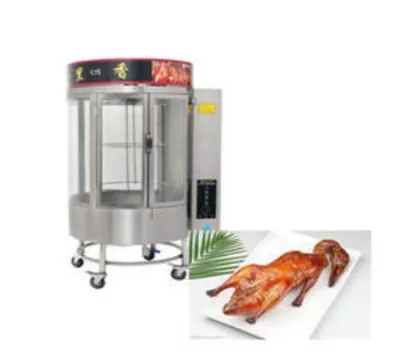



Commercial Whole Lamb Roaster with Back Burner Gas & Charcoal Spit Roaster
$499.00 - $880.00
MOQ: 10 Pieces


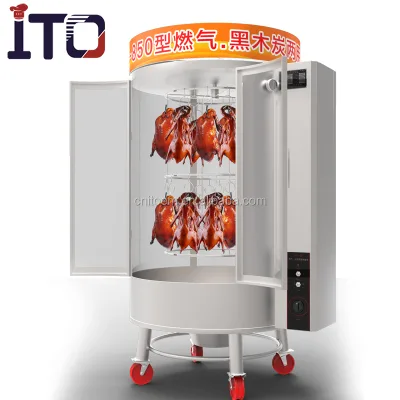
Commercial Equipment Gas Barbecue Charcoal Chicken Grill Rotisserie Oven Machine for Chicken
$1900.00 - $3900.00
MOQ: 1 Pieces



Comprehensive Sourcing Guide
Strategic Sourcing Guide for Commercial Charcoal Rotisserie Equipment
Procuring commercial-grade charcoal rotisserie equipment requires a rigorous approach that balances culinary performance with operational safety and long-term durability. For buyers in the food service industry, the selection of a rotisserie system is not merely a purchase of a cooking appliance but an investment in a production line that must withstand high-volume usage while maintaining consistent food quality. This guide outlines the critical factors for sourcing these units, focusing on technical specifications, compliance verification, cost structures, and supplier evaluation based on current market observations and industry standards.
Technical Specifications and Operational Capacity
The core functionality of a Commercial Charcoal Rotisserie is defined by its mechanical design, fuel consumption, and spatial requirements. When evaluating potential units, buyers must scrutinize the physical dimensions and the stated capacity to ensure the equipment fits the intended kitchen layout and production volume. Market data indicates a significant variance in unit sizes, ranging from compact models with dimensions around 920mm in width to larger industrial units exceeding 1600mm in height. For instance, observed specifications include a unit with a footprint of 820mm by 1050mm and a height of 1680mm, designed to accommodate a capacity of 24 ducks, while other models may be optimized for 15 chickens.
Fuel efficiency and power output are equally critical metrics. While some units operate on gas with power ratings around 9kW or 29.3kW, others are designed specifically for charcoal combustion. A key observation in the current market is the variation in burner configurations; some high-capacity units feature multiple burners, such as a seven-burner setup, which directly impacts heat distribution and cooking speed. Buyers should verify the gas consumption rates, which can range from 0.95 cubic meters per hour for smaller units to significantly higher figures for heavy-duty commercial models. The material composition is another non-negotiable specification; high-grade stainless steel is the industry standard for construction due to its resistance to corrosion and ease of cleaning. The finishing process, often noted as "not coated" in raw stainless steel units, ensures that the metal surface can be sanitized effectively without the risk of coating degradation under high heat.
Compliance and Certification Verification
Safety and regulatory compliance are paramount when sourcing commercial kitchen equipment. In the global market, the presence of specific certifications serves as a primary indicator of a manufacturer's adherence to safety protocols. For equipment sourced from regions like Shanghai or Guangdong in China, the CE certification is a frequently observed standard that indicates conformity with health, safety, and environmental protection standards for products sold within the European Economic Area. Buyers must explicitly request and verify the validity of these certificates before finalizing any procurement order.
Beyond general certifications, specific safety devices integrated into the rotisserie design are essential for operational safety. Features such as flame safety devices are critical for charcoal and gas hybrid units to prevent accidental ignition or gas leaks. While some product listings highlight "flame safety devices" as a standard feature, buyers should not assume this is universal across all suppliers. It is necessary to inspect the technical datasheets to confirm the presence of these mechanisms. Additionally, the electrical specifications, such as voltage requirements around 220V, must align with the local power infrastructure of the buyer's facility to prevent equipment failure or electrical hazards.
Cost Drivers and Pricing Structures
Understanding the cost drivers for commercial rotisseries helps buyers budget effectively and negotiate better terms. The price of these units is influenced by several factors, including the material quality, the complexity of the mechanical system, and the included accessories. Observed market prices for these units span a wide range, from approximately $45.98 to $3,900. This disparity often reflects differences in capacity, brand reputation, and the level of customization available.
The Minimum Order Quantity (MOQ) is another significant cost driver. While some suppliers offer an MOQ of just one set, allowing for small-scale testing or boutique restaurant setups, others may require orders of up to 1,000 units, which is typical for large-scale distributors or franchise operations. Buyers should also consider the packaging details, as units shipped in wooden cases incur different logistics costs compared to those in standard cartons. The weight of the unit, ranging from 64kg to 133kg net weight, directly impacts shipping fees and the structural requirements of the delivery location. Furthermore, the "Single Item" selling unit structure suggests that these are often sold as complete, standalone systems rather than modular components, which can affect the total cost of ownership if parts need to be replaced individually.
Typical Applications and Culinary Versatility
Commercial charcoal rotisseries are designed for specific culinary applications that demand high heat and consistent rotation. The primary use cases include roasting poultry such as chickens and ducks, as well as other meats that benefit from slow, even cooking. The observed capacity data highlights the versatility of these machines, with some models capable of handling 24 ducks simultaneously, while others are optimized for 15 chickens. This capacity variance allows buyers to select equipment that matches their specific menu volume.
The "Key Selling Points" associated with these units often include a long service life and the ability to be easily cleaned, which are crucial for high-volume commercial kitchens where downtime is costly. The feature of adjustable height is particularly valuable for chefs who need to manage different cooking zones or accommodate various types of spits. Whether the unit is powered by gas or charcoal, the application remains focused on achieving a specific char and texture that is difficult to replicate with electric ovens. The "New" condition of the products listed ensures that buyers receive equipment with full operational life, minimizing the risk of immediate maintenance issues upon installation.
Supplier Evaluation and Supply Chain Reliability
Selecting the right supplier involves more than just comparing prices; it requires a deep dive into their supply chain reliability and after-sales support. A critical factor in supplier evaluation is the "Supply Ability," which indicates how quickly a manufacturer can fulfill orders. Market observations suggest a supply rate of approximately 10 sets per week for certain models, which is a vital metric for buyers planning large deployments or needing rapid restocking.
After-sales service is another pillar of supplier evaluation. The availability of "Free spare parts" is a significant advantage that reduces the long-term cost of ownership and minimizes downtime during repairs. Buyers should verify the warranty terms, with a standard offering of one year being common in the current market. The "Place of Origin" is also a key indicator; suppliers based in Shanghai or Guangdong, China, are well-established hubs for manufacturing such equipment, but buyers must ensure that the specific factory has a track record of quality control. The "Port of Dispatch" being Shanghai is a standard logistical detail that helps in calculating lead times and freight costs.
Quality Control and Long-Term Procurement Considerations
Implementing a robust quality control (QC) process is essential when sourcing commercial rotisseries. Buyers should request detailed product specifications, including exact dimensions, weight, and material grades, to ensure the equipment meets their operational needs. The "Model Number" and "Model Number" variations (e.g., YXY-820, CG-36) serve as unique identifiers that help in tracking specific configurations and ensuring consistency across multiple units.
For long-term procurement, buyers must consider the customization options available. Many suppliers offer customization services, allowing for modifications in dimensions, burner configurations, or finishing styles to fit specific kitchen layouts. The "Customization: Available" attribute suggests flexibility in the supply chain, which is beneficial for large chains requiring uniform equipment across different locations. Additionally, the "Condition: New" status confirms that the units are not refurbished, ensuring that all components are within their original lifespan.
To maintain quality over time, buyers should establish a clear maintenance schedule based on the manufacturer's recommendations. The "Feature: Easily Cleaned" attribute implies that the design facilitates regular cleaning, which is essential for food safety compliance. By focusing on these long-term considerations, buyers can ensure that their investment in commercial charcoal rotisseries yields consistent performance and culinary results for years to come.
Comparative Analysis of Key Product Attributes
To facilitate decision-making, the following table summarizes the key technical and logistical attributes observed in the current market for commercial charcoal rotisseries. This comparison highlights the diversity in specifications that buyers must navigate.
| Attribute Category | Observation Range / Specific Data | Procurement Implication |
|---|---|---|
| Material | Stainless Steel (Uncoated) | Ensures durability and hygiene; verify grade for corrosion resistance. |
| Dimensions | 920x900x570mm to 820x1050x1680mm | Must match kitchen floor space and ceiling height constraints. |
| Capacity | 15 Chickens to 24 Ducks | Aligns with projected daily volume and menu requirements. |
| Power Source | Gas, Charcoal, or Hybrid | Determines fuel infrastructure needs and operational costs. |
| Burner Power | 9kW to 39.1kW | Higher power allows for faster cooking but increases fuel consumption. |
| Weight | 64kg to 133kg (Net) | Impacts shipping costs and floor load requirements. |
| Certification | CE (Common) | Mandatory for European markets; verify for other regions. |
| Warranty | 1 Year Standard | Check for extended warranty options for high-volume usage. |
| MOQ | 1 Set to 1000 Sets | Influences initial capital expenditure and inventory risk. |
| Supply Ability | ~10 sets/week | Critical for lead time planning and stock replenishment. |
By carefully analyzing these attributes and adhering to the verification steps outlined above, buyers can make informed decisions that align with their operational goals and budgetary constraints. The Commercial Charcoal Rotisserie market offers a wide array of options, but success lies in the meticulous selection process that prioritizes quality, compliance, and long-term value over initial price alone.
FAQs
What certifications do commercial charcoal rotisseries have?
Many units carry CE certification to indicate compliance with safety standards. Buyers should verify this certificate specifically for the model they intend to purchase before finalizing any order.
How much capacity do these rotisserie grills offer?
Observed capacities range from roasting 15 chickens to 24 ducks simultaneously. Select a unit based on your specific menu volume and the type of poultry you plan to cook most frequently.
Which materials are used for the construction of these grills?
High-grade stainless steel is the standard material used for durability and hygiene. The finishing is typically uncoated to ensure effective sanitization without the risk of coating degradation under high heat.
Can I get free spare parts for after-sales service?
Yes, many suppliers provide free spare parts as part of their after-sales service package. This feature helps reduce long-term maintenance costs and minimizes downtime during repairs for your kitchen operations.
What is the typical minimum order quantity for these units?
The minimum order quantity can range from 1 set to 1000 sets depending on the supplier. Small buyers can often order single items, while large distributors may face higher volume requirements.
How is the power consumption managed for gas models?
Gas models typically consume around 0.95 cubic meters per hour for smaller units. Higher power ratings like 29.3kW or 39.1kW are available for heavy-duty applications requiring faster cooking speeds.
What warranty terms are standard for these commercial grills?
A one-year warranty is a common standard offering for these commercial rotisserie units. Buyers should confirm the specific warranty duration and coverage details with the manufacturer before purchasing.