Source Commercial Cashew Nut Shell Sheller for Manufacturing, Processing, and Peeling
Compare 30 Commercial Cashew Nut Shell Sheller units available for manufacturing plants. These electric machines feature button control, thermal processing, and capacities ranging from 50 to 500 kg per hour with shelling rates up to 97%.
Key considerations
Products List


High Efficiency Automatic Cashew Nut Shelling Machine / Cashew Nut Sheller
$1235.00 - $1609.00
MOQ: 1 Sets


Factory Price Full Automatic Cashew Nut Shelling Machine / Cashew Nut Sheller Processing Machine
$2000.00 - $8000.00
MOQ: 1 Pieces

Full Automatic Cashew Shelling Processing Line Cashew Nut Production Line
$8000.00 - $15000.00
MOQ: 1 Sets

Large Capacity Automatic Cashew Nuts Shelling Processing Line Cashew Shelling Machines
$8000.00 - $15000.00
MOQ: 1 Sets


Automatic Raw Cashew Nut Production Line Cashew Processing Machine Nut Shelling Machine
$8600.00 - $11000.00
MOQ: 1 set


Automatic Cashew Nut Shelling Cashew Nut Kernel and Shell Seperating Machine
$1400.00 - $1800.00
MOQ: 1 Sets


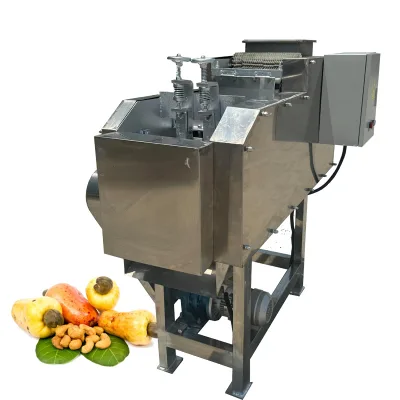

Fully Automatic Cashew Nut Shelling Machine Cashew Nut Processing Machine
$2500.00 - $2980.00
MOQ: 1 SET
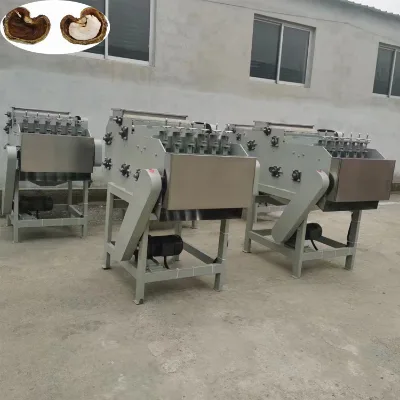
High Shelling Rate Automatic Cashew Shelling Machine Cashew Processing Equipment
$2590.45 - $3263.55
MOQ: 1 sets
Comprehensive Sourcing Guide
Strategic Sourcing Guide for Commercial Cashew Nut Shell Shellers
The global demand for processed cashew nuts continues to rise, driving the need for efficient, reliable, and high-yield processing equipment. For procurement professionals seeking a Commercial Cashew Nut Shell Sheller, the decision-making process extends far beyond the initial purchase price. It involves a rigorous analysis of technical specifications, operational efficiency, compliance with international standards, and the long-term viability of the supply chain. This guide provides a structured approach to evaluating potential machinery, ensuring that the selected equipment aligns with production goals while adhering to strict quality and safety protocols.
Technical Specifications and Operational Efficiency
When evaluating a Commercial Cashew Nut Shell Sheller, the primary focus must be on the machine's ability to maximize yield while minimizing waste. The core performance metrics for these machines typically revolve around the shelling rate, the breaking rate of the nut, and the unshelling rate. In the current market, high-performance units are designed to achieve a shelling rate between 90% and 95%, which is a critical benchmark for profitability. Simultaneously, the breaking rate—the percentage of nuts damaged during the shelling process—should ideally be kept below 5% to 10% to ensure the highest quality of the final kernel. An unshelling rate of approximately 3% is also a standard expectation for well-calibrated equipment, indicating that the machine effectively separates the shell without leaving significant residue on the nut.
Capacity is another vital technical parameter that dictates the throughput of the production line. Buyers should look for machines capable of handling capacities ranging from 50 to 90 kilograms per hour for standard units, while more advanced or integrated systems may offer capacities between 200 and 500 kilograms per hour. The power requirements for these machines are generally electric, with specific models operating on 0.75kW motors. Voltage compatibility is essential, as equipment may be designed for 220V or 380V systems depending on the local infrastructure. The physical structure of the machine often follows a vertical design, which can optimize space utilization within a manufacturing plant. Furthermore, the control method is typically button-based, allowing for straightforward operation by plant staff. The machine's dimensions vary significantly based on the model, with standard footprints observed around 1450mm x 1700mm x 1550mm or 1450mm x 500mm x 1200mm, necessitating careful planning of the factory floor layout.
Compliance, Certification, and Safety Standards
In the B2B machinery sector, compliance with international safety and quality standards is non-negotiable. Buyers must verify that the equipment carries recognized certifications such as CE, which indicates conformity with health, safety, and environmental protection standards for products sold within the European Economic Area. Additionally, ISO certification is a strong indicator of a manufacturer's commitment to quality management systems. Some suppliers may also provide SGS certificates, which serve as third-party verification of the product's quality and safety.
It is crucial to distinguish between the certifications held by the manufacturer and those specific to the individual machine model. While some listings may indicate "Customized" certification status, buyers should demand explicit documentation for the specific unit being purchased. The origin of the machinery is another factor; many commercial shellers are manufactured in China, a hub for this type of industrial equipment. However, the country of origin does not guarantee quality on its own. Buyers should insist on a clear chain of custody and verify that the machine meets the specific regulatory requirements of their destination country. This includes checking for electrical safety standards and mechanical guarding requirements that may differ from the manufacturer's home market.
Cost Drivers and Total Cost of Ownership
The price range for commercial cashew nut shellers can be substantial, with observed market listings varying from $200 to over $41,000. This wide disparity is driven by several factors, including the machine's capacity, the level of automation, the complexity of the processing functions, and the inclusion of additional features like thermal processing capabilities. A basic unit designed for simple shelling will naturally cost less than a multi-function machine capable of washing, grading, cooking, shelling, and peeling in a single integrated line.
Beyond the initial purchase price, buyers must consider the total cost of ownership (TCO). This includes the cost of installation, which may require specialized electrical work for 380V systems. The weight of the machine, often around 220kg for standard models, impacts shipping and handling costs. Furthermore, the warranty of core components is a significant financial consideration; a standard warranty period of 1 year is common, but the terms regarding what is covered and the cost of extended coverage should be clearly defined. After-warranty service availability, particularly online support, is also a cost driver, as it reduces the need for expensive on-site technician visits. Buyers should calculate the cost of spare parts and the lead time for replacements to ensure that production downtime is minimized.
Typical Applications and Process Integration
Commercial cashew nut shellers are primarily designed for use in manufacturing plants where large volumes of raw cashew nuts need to be processed. The function of these machines is specifically tailored to the shell cashew process, separating the hard outer shell from the edible kernel. However, modern processing lines often integrate multiple stages. Some advanced units are marketed with functions that include washing, grading, cooking, and peeling, in addition to shelling. This integration can streamline the production process, reducing the need for multiple separate machines and the associated labor costs.
The process type for these machines often involves thermal processing, which may be necessary for softening the shell or preparing the nut for easier separation. The specific application may vary; for instance, some machines are dedicated solely to peeling, while others are versatile enough to handle both shelling and peeling operations. The structure of the machine, whether vertical or horizontal, influences how it fits into the broader production line. A vertical structure might be preferred for space-constrained facilities, while a horizontal layout might facilitate easier loading and unloading of bulk materials. Buyers should assess their current workflow to determine if a standalone sheller or an integrated multi-function system is more appropriate for their specific operational needs.
Supplier Evaluation and Product Verification
Selecting the right supplier is as critical as selecting the right machine. Buyers should prioritize suppliers who provide comprehensive documentation, including English manuals, which ensures that local operators can understand and utilize the equipment effectively. The availability of video outgoing-inspection is a valuable feature, allowing buyers to visually verify the condition and assembly of the machine before it leaves the factory. This step is particularly important for high-value equipment where shipping costs are significant.
When evaluating a supplier, look for evidence of their ability to provide customized solutions. The market shows that customization is available, allowing buyers to tailor the machine to specific production requirements. However, buyers must be cautious of vague claims. Instead of accepting general statements, request specific details on what customization entails, such as changes to voltage, capacity, or mechanical structure. The condition of the machine should always be verified as "New," and the packing method, typically a wooden packing case or wooden box, should be inspected to ensure it provides adequate protection during transit. The model number, such as SL-400 or HTB-20, serves as a unique identifier, and buyers should cross-reference these models with the manufacturer's official specifications to avoid receiving incorrect or outdated versions.
Quality Control and Long-Term Procurement Considerations
Quality control should not end at the point of purchase. Buyers must establish a robust quality assurance protocol that includes pre-shipment inspections and post-delivery testing. The warranty of core components, typically lasting one year, provides a safety net, but the effectiveness of this warranty depends on the supplier's responsiveness. After-warranty service options, such as online support, are essential for troubleshooting issues that arise after the warranty period expires.
Long-term procurement considerations also involve the availability of spare parts and the machine's durability. The weight and structural integrity of the machine, often weighing around 220kg, suggest a robust build, but the long-term performance depends on the quality of the internal components. Buyers should inquire about the maintenance schedule and the availability of replacement parts for critical components like motors and control panels. The standard dimensions of the machine, such as 1450mm x 1700mm x 1550mm, should be confirmed to ensure compatibility with the factory's existing infrastructure. Finally, the capacity of the machine, whether 50-90kg/h or 200-500kg/h, should be matched to the projected growth of the business to avoid the need for premature replacement.
Comparative Analysis of Machine Models
To assist in the decision-making process, the following table compares key attributes of different machine models based on available market data. This comparison highlights the variations in capacity, size, and function that buyers should consider.
| Attribute | Model SL / SL-400 | Model HTB-20 / HTP | Model 100 |
|---|---|---|---|
| Primary Function | Shell Cashew | Washing, Grading, Cooking, Shelling, Peeling | Peeling |
| Capacity | 50-90 kg/H | 200-500 kg/H | 200 kg/h |
| Dimensions | 1450x1700x1550mm | 1180x720x1100mm | 110x75x130cm |
| Voltage | 220V/380V | 380V, 220V | 380V |
| Power | 0.75kw | Not specified | Not specified |
| Weight | 220kg | Not specified | Not specified |
| Shelling Rate | 90%-95% | Not specified | Not specified |
| Peeling Rate | Not specified | Not specified | 95%-97% |
| Packing | Wooden Packing Case | Wooden Box | Wooden Package |
| Control Method | Button Control | Not specified | Not specified |
This comparison underscores the importance of matching the machine's specific capabilities to the buyer's production requirements. While the SL series offers a high shelling rate suitable for dedicated shelling lines, the HTB and HTP models offer broader functionality, potentially reducing the need for multiple machines. The Model 100 appears to focus specifically on peeling with a high peeling rate, which may be ideal for facilities that have already completed the shelling process.
In conclusion, sourcing a Commercial Cashew Nut Shell Sheller requires a meticulous approach that balances technical performance, compliance, and cost. By carefully analyzing the specifications, verifying certifications, and evaluating the supplier's support capabilities, buyers can secure equipment that ensures high yields and operational efficiency. The decision should be guided by data and verified facts rather than marketing claims, ensuring a successful investment in the processing infrastructure.
FAQs
What is the typical shelling rate for commercial cashew nut shellers?
The typical shelling rate ranges between 90% and 95% for high-performance units. This benchmark ensures profitability while keeping the breaking rate below 5% to 10% to maintain kernel quality.
Which certifications should buyers verify for safety compliance?
Buyers must verify recognized certifications such as CE, ISO, and SGS. These documents indicate conformity with international safety standards and quality management systems required for manufacturing plants.
How does the machine capacity affect production throughput?
Standard units handle capacities from 50 to 90 kilograms per hour, while advanced systems reach 200 to 500 kilograms per hour. Selecting the right capacity aligns with projected business growth.
Can the machine voltage be customized for different regions?
Yes, the machine voltage can be customized to 220V or 380V depending on local infrastructure. Buyers should confirm specific voltage requirements before purchase to ensure operational compatibility.
What warranty terms apply to core components?
The standard warranty for core components lasts one year. After the warranty period, online support is typically available to assist with troubleshooting and maintenance issues.
How is the machine packed for international shipping?
The machine is packed in a wooden packing case or wooden box to ensure protection during transit. This robust packaging method is standard for heavy industrial equipment weighing around 220kg.